City hero image

Luoyang

One of China's Four Great Ancient Capitals—13 dynasties made this city their capital, leaving behind the magnificent Longmen Grottoes and a legacy as the Peony Capital of China.

About

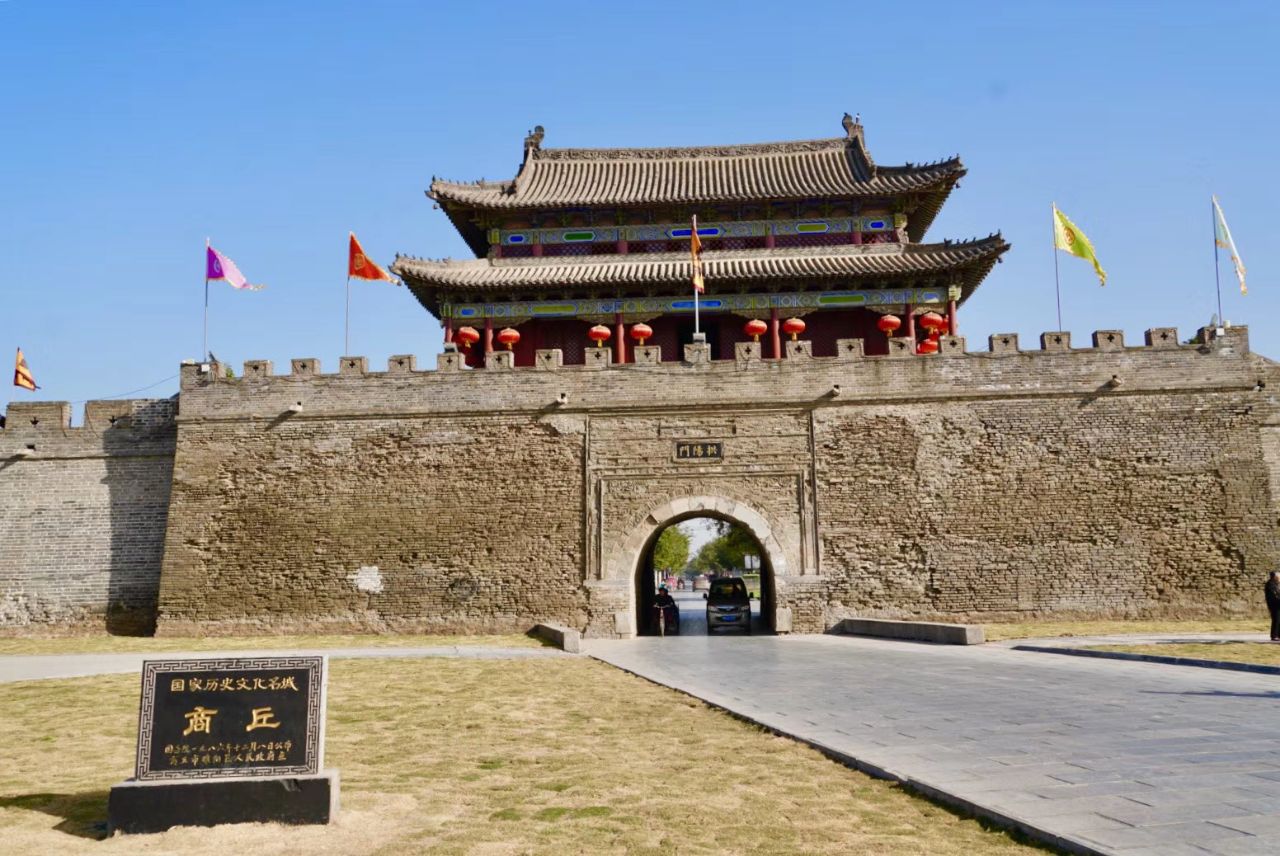
Luoyang stands as one of China's most historically significant cities, a place where the weight of millennia presses gently upon the present. For over 1,500 years, this city served as the capital for 13 dynasties—Xia, Shang, Zhou, Han, Wei, Jin, Northern Wei, Sui, and Tang among them. Today, it ranks as one of the Four Great Ancient Capitals of China, alongside Beijing, Nanjing, and Xi'an.

The crown jewel of Luoyang is undoubtedly the Longmen Grottoes, a UNESCO World Heritage Site that ranks among China's most spectacular treasures. Carved into limestone cliffs over 400 years beginning in the Northern Wei Dynasty, the grottoes contain over 100,000 Buddhist statues ranging from tiny figures to the magnificent 17-meter Lushena Buddha. Standing before this colossus, carved during the Tang Dynasty at the height of Buddhist artistry, visitors understand why Longmen means "Dragon Gate."

Luoyang's relationship with peonies is the stuff of legend. For over 1,500 years, the city has cultivated these magnificent flowers, earning the title "Peony Capital of China." The ancient saying "Luoyang peonies are the finest under heaven" still rings true each April when the Luoyang Peony Festival transforms the city into a riot of color. Millions of blooms in over 1,000 varieties create a spectacle that draws visitors from around the world.

The White Horse Temple, built in 68 AD, marks another pivotal moment in Chinese history—the official introduction of Buddhism. As China's first Buddhist temple, it holds profound significance for the religion's spread throughout East Asia. The temple's ancient halls and courtyards offer a serene retreat from the modern city.

Luoyang's culinary heritage is equally distinguished. The Water Banquet, with its 24 courses served in flowing succession, represents the height of local gastronomy. Each dish arrives as a work of art, from the Peony Swallow Vegetable—a radish creation shaped like the city's beloved flower—to hearty soups that warm the soul. A morning bowl of Beef Soup or Donkey Meat Soup at a local eatery connects visitors to daily life as it has unfolded here for centuries.

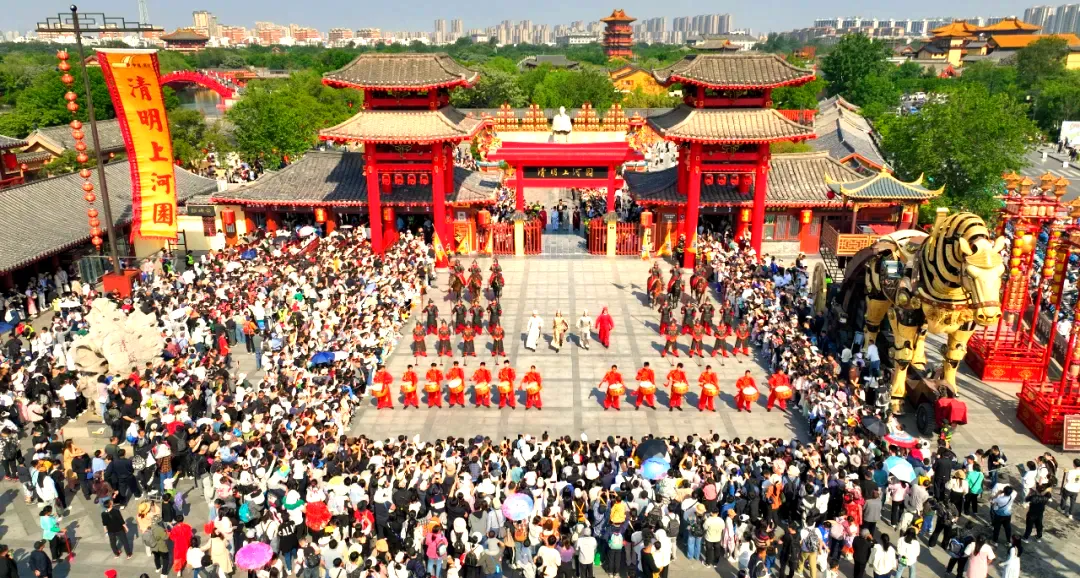
Modern Luoyang blends antiquity with contemporary energy. The Sui-Tang Luoyang City National Heritage Park recreates the grandeur of the Tang Dynasty capital with reconstructed palaces and spectacular evening light shows. The Luoyang Museum houses treasures spanning 5,000 years, including exquisite Tang tri-colored pottery.

Whether exploring ancient grottoes, wandering among peony blossoms, or savoring traditional cuisine, visitors discover a city where every stone tells a story and every meal carries the flavors of history.

👥
Population 7.07 million
📐
Area 15,230 km²
💬
Language Mandarin Chinese, Henan dialect. English spoken in hotels and major tourist sites.

History & Development

Luoyang's history spans over 4,000 years, with documented civilization dating back to the Xia Dynasty around 2070 BC. The city served as the capital for 13 dynasties, making it one of the most politically significant cities in ancient China.

During the Eastern Zhou Dynasty (770-256 BC), Luoyang flourished as a political and cultural center. The city reached new heights during the Eastern Han Dynasty (25-220 AD) when it became the imperial capital, marking a golden age of culture and learning.

In 68 AD, the White Horse Temple was established, marking the official introduction of Buddhism to China. This event had profound implications for the spread of Buddhism throughout East Asia.

The Northern Wei Dynasty (386-534 AD) began construction of the Longmen Grottoes, which continued through the Tang Dynasty. These magnificent cave temples represent the pinnacle of Chinese Buddhist art.

The Tang Dynasty (618-907) marked another peak in Luoyang's history. Empress Wu Zetian made Luoyang her capital and oversaw major construction projects, including the expansion of Longmen Grottoes and the building of grand palaces.

After the Tang Dynasty, Luoyang gradually declined as a political center but remained an important cultural and commercial city. The peony cultivation that began in the Sui Dynasty continued to flourish, establishing the city's reputation as the Peony Capital.

In modern times, Luoyang developed as an important industrial base while preserving its rich cultural heritage. The city has invested significantly in heritage protection, tourism development, and infrastructure, making it one of China's premier cultural tourism destinations.

Economy & Industries

Luoyang's economy combines traditional industrial strength with modern development initiatives. As one of central China's important industrial centers, the city has established capabilities in equipment manufacturing, new materials, and petrochemicals.

Heavy equipment manufacturing is a cornerstone of Luoyang's economy. The city produces mining machinery, agricultural equipment, and industrial components for domestic and international markets. Several major state-owned enterprises maintain significant operations here.

The new materials industry has grown substantially, with companies producing advanced composites, specialty metals, and electronic materials. This sector represents Luoyang's push into high-tech manufacturing.

Tourism has become an increasingly vital economic driver. The Longmen Grottoes, White Horse Temple, and annual Peony Festival attract millions of visitors, generating substantial revenue and employment. Cultural tourism development continues to expand with new attractions and improved infrastructure.

Agriculture remains important, with wheat, corn, and fruits as primary products. The peony cultivation industry has developed beyond ornamental gardening into products including peony oil, tea, and cosmetics.

The service sector is expanding rapidly, with logistics benefiting from Luoyang's position as a transportation hub in central China. Retail, hospitality, and cultural services grow alongside tourism.

Luoyang's GDP reached approximately 550 billion yuan in 2023. The city's development strategy focuses on industrial upgrading, tourism expansion, and integration into regional economic networks including the Central Plains Economic Zone.
Top Attractions

📍 Other

Longmen Grottoes

A UNESCO World Heritage Site featuring over 100,000 Buddhist statues carved into limestone cliffs over 400 years. The 17-meter Lushena Buddha is the crown jewel of Chinese stone carving artistry.

★★★★★ 5
🕐 8:00 AM-6:00 PM
🎫 ¥90
⛩️ Temple

White Horse Temple

China's first Buddhist temple, built in 68 AD marking the official introduction of Buddhism to China. Houses precious relics and ancient architecture spanning multiple dynasties.

★★★★ 4.7
🕐 7:30 AM-7:00 PM
🎫 ¥35
🎭 Museum

Luoyang Museum

A national first-class museum housing over 400,000 artifacts excavated from the Luoyang region, including bronzes, ceramics, and exquisite Tang Dynasty tri-colored glazed pottery.

★★★★ 4.8
🕐 Tue-Sun 9:00 AM-5:00 PM
🎫 Free
⛩️ Temple

Guanlin Temple

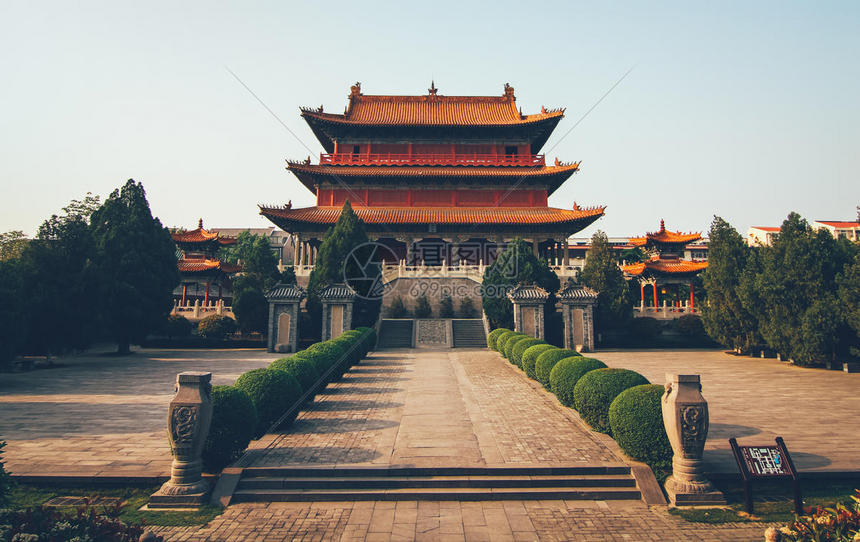
A unique temple complex dedicated to Guan Yu, the legendary Three Kingdoms general. The only site in China combining tomb, temple, and forest in one sacred complex.

★★★★ 4.5
🕐 8:00 AM-6:00 PM
🎫 ¥40
📍 Other

Sui-Tang Luoyang City National Heritage Park

A massive heritage park recreating the grandeur of the Sui and Tang Dynasty capital. Features reconstructed palaces, gates, and spectacular evening light shows.

★★★★ 4.6
🕐 8:30 AM-9:00 PM
🎫 ¥120
📍 Other

Laojun Mountain

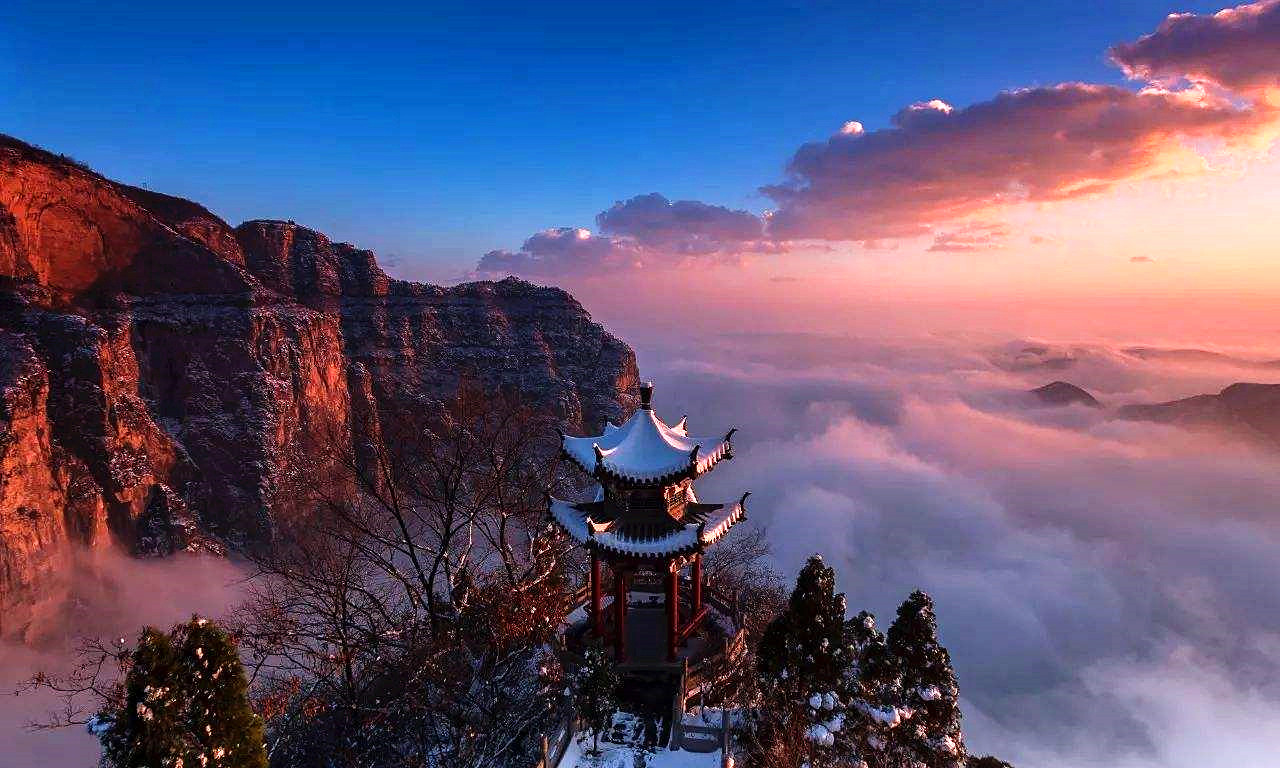
A sacred Taoist mountain at 2,217 meters elevation, named after Laozi who supposedly cultivated here. The golden temple complex amid sea of clouds creates a heavenly spectacle.

★★★★ 4.7
🕐 8:00 AM-6:00 PM
🎫 ¥100
📍 Other

Luoyang Peony Garden

The main venue of the annual Luoyang Peony Festival featuring over 1,000 peony varieties across 600 mu. Each April, the garden transforms into a sea of blossoms.

★★★★ 4.5
🕐 7:00 AM-7:00 PM
🎫 ¥50

Food & Culture

Discover the culinary treasures of Luoyang, from traditional street food to imperial cuisine.

Things to Do

🏛️

Longmen Grottoes Exploration

Marvel at ancient Buddhist art carved into limestone cliffs over 400 years.

Peony Festival Experience

Visit in April to witness millions of peonies in full bloom across the city.

Tang Dynasty Night Show

Experience the spectacular light show and performances at the Sui-Tang Heritage Park.

🍴

Water Banquet Tasting

Sample the traditional 24-course Water Banquet at a historic restaurant.

Getting Around

✈️

Airport

Luoyang Beijiao Airport (LYA) - 10 km from city center

🚄

High-Speed Rail

Connected to major cities

🚇

Metro

Public transportation available

🚌

Bus Network

Extensive network throughout the city

🚕

Taxi & Rideshare

Available throughout the city

Best Time to Visit

🌸

Spring

Mar - May

★★★★★

The famous Peony Festival in April transforms the city. Weather is mild and pleasant.

  • Peony Festival
  • Mild weather
  • Peak bloom season
☀️

Summer

Jun - Aug

★★★☆☆

Hot and humid with occasional rain. Indoor attractions and evening activities recommended.

  • Lush greenery
  • Evening shows
  • Fewer crowds
🍂

Autumn

Sep - Nov

★★★★★

Cool and crisp with clear skies—excellent for outdoor exploration and heritage sites.

  • Best weather
  • Clear skies
  • Comfortable sightseeing
❄️

Winter

Dec - Feb

★★★☆☆

Cold but often clear. Indoor museums and hot soup dishes make for cozy experiences.

  • Fewer tourists
  • Hot pot season
  • Museum visits

🎉 Festivals & Events

April 5 - May 5
Luoyang Peony Festival

The city's premier event featuring millions of peonies in bloom, cultural performances, and food fairs.

Lunar Sep 13
Guanlin International Pilgrimage

Traditional ceremony honoring Guan Yu with rituals, performances, and folk activities.

💡 Weather Tips

April is peak season—book early. Bring layers for mountain visits.

Travel Reminders

💡

sightseeing

Visit in mid-April for peak peony blooms. Book accommodations early as hotels fill quickly during the festival.

☀️

sightseeing

Visit early morning or late afternoon to avoid crowds. The site is beautifully lit at dusk.

💡

food

Try the Water Banquet at traditional restaurants like Zhenbutong for authentic taste.

💡

transportation

Take a day trip to Laojun Mountain. Bring warm clothes as temperature drops significantly at the summit.

Continue Exploring China

Discover more cities, food guides, and travel inspiration.