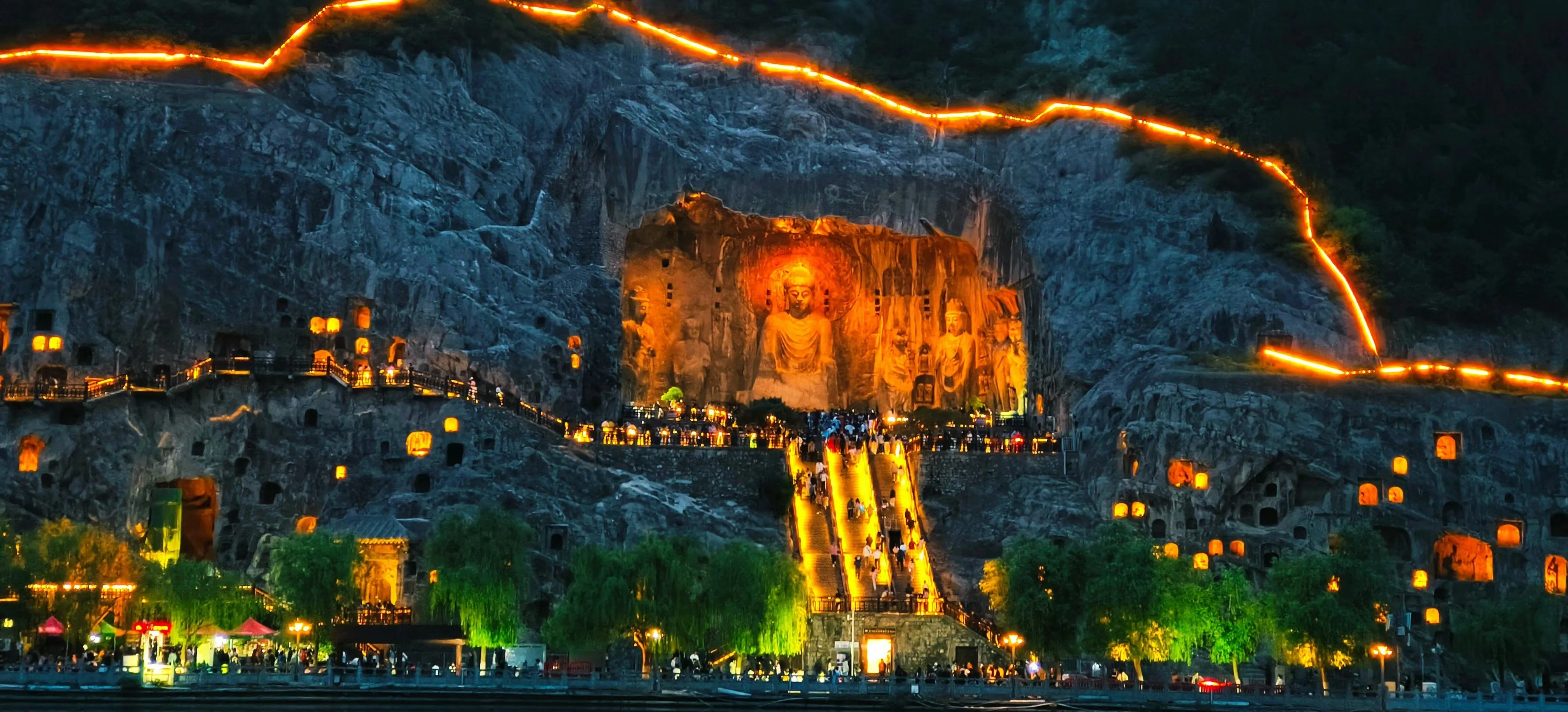
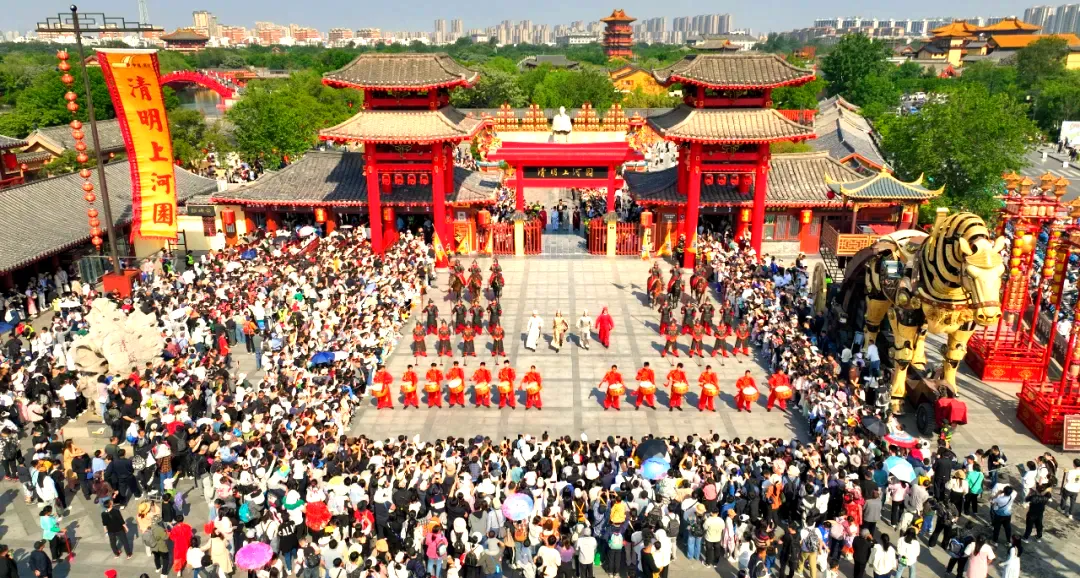
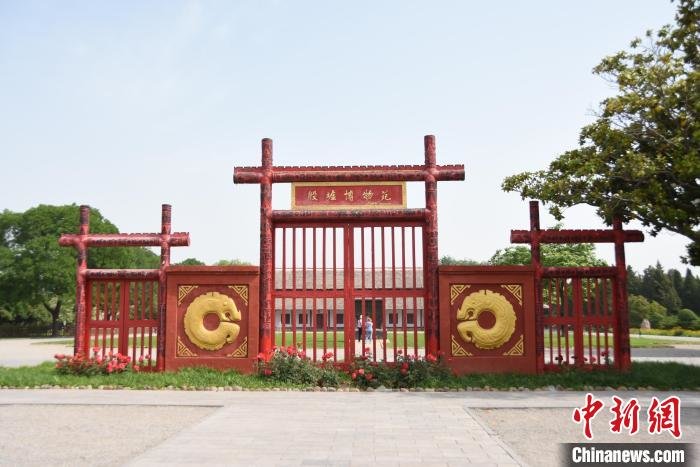
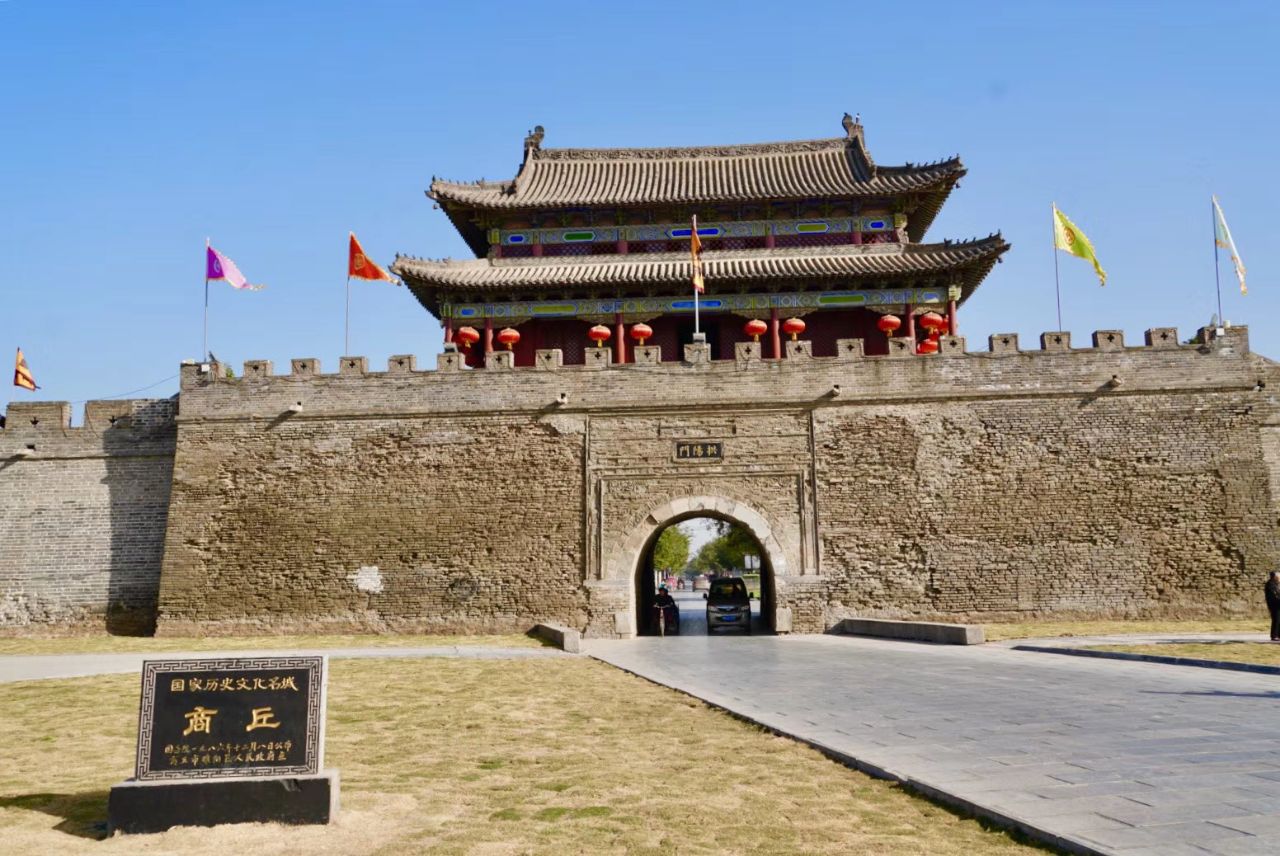
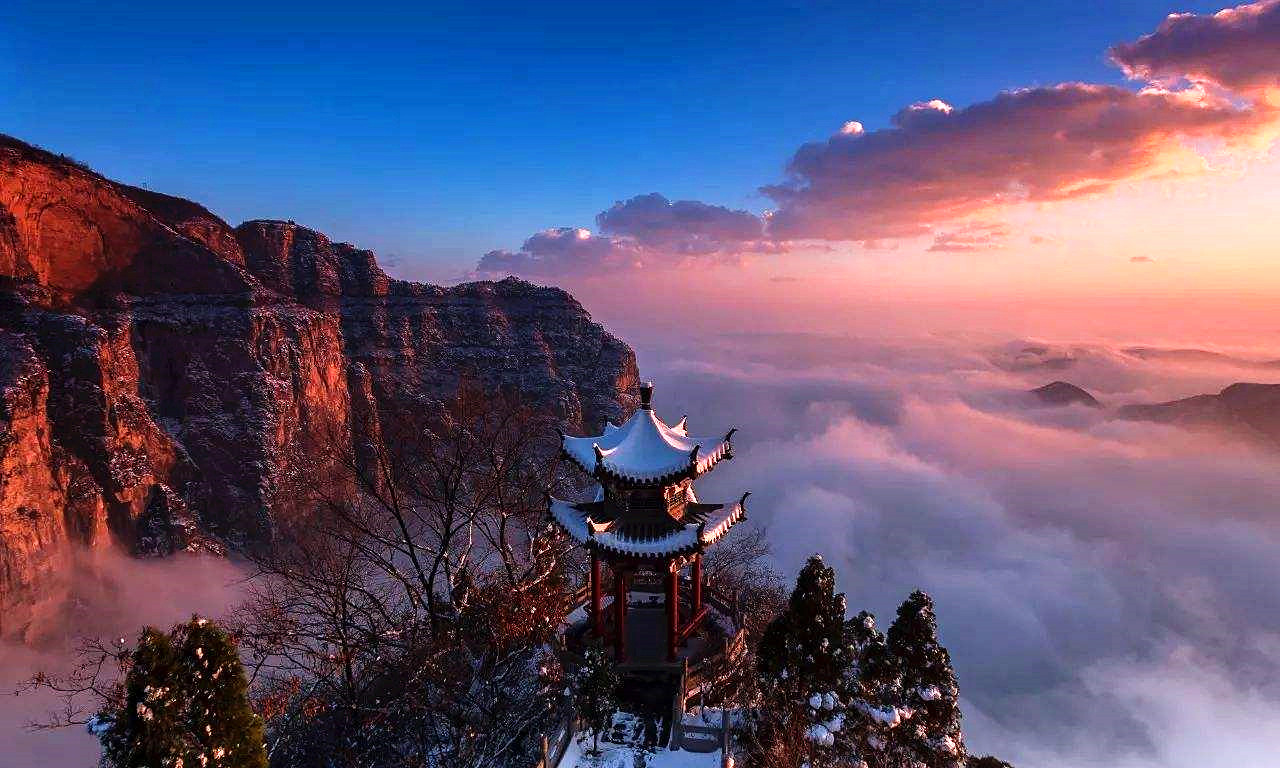
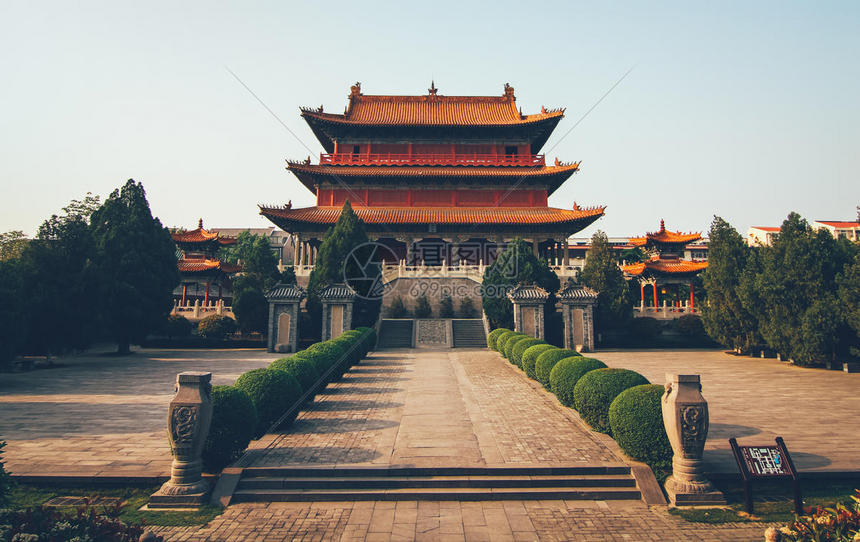
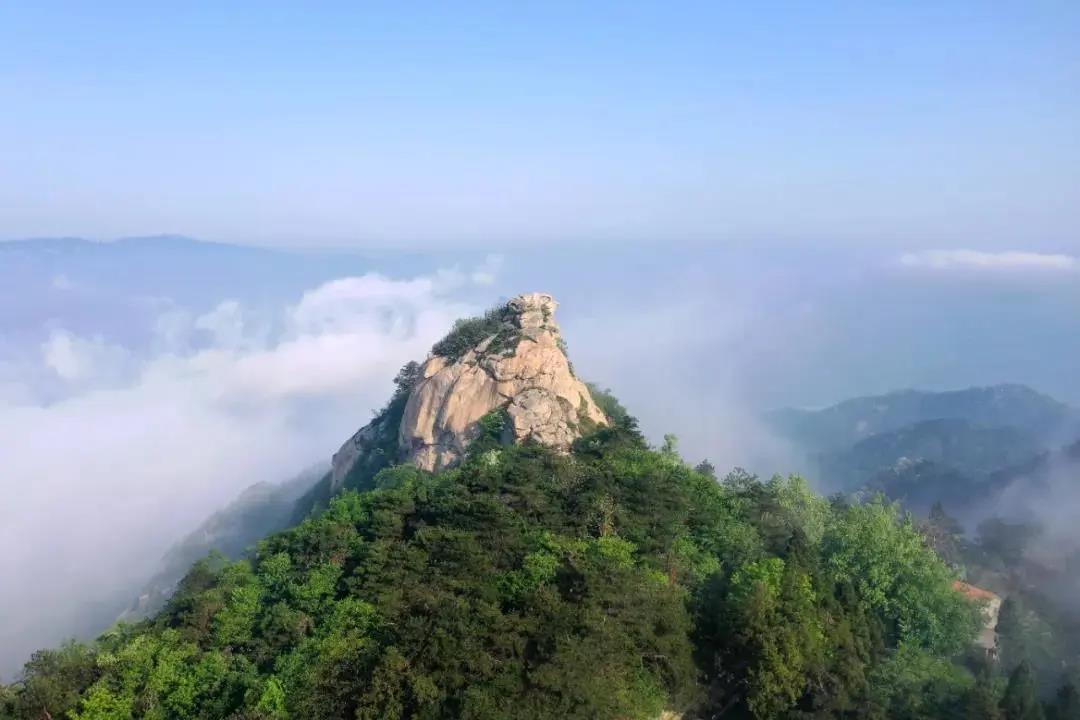
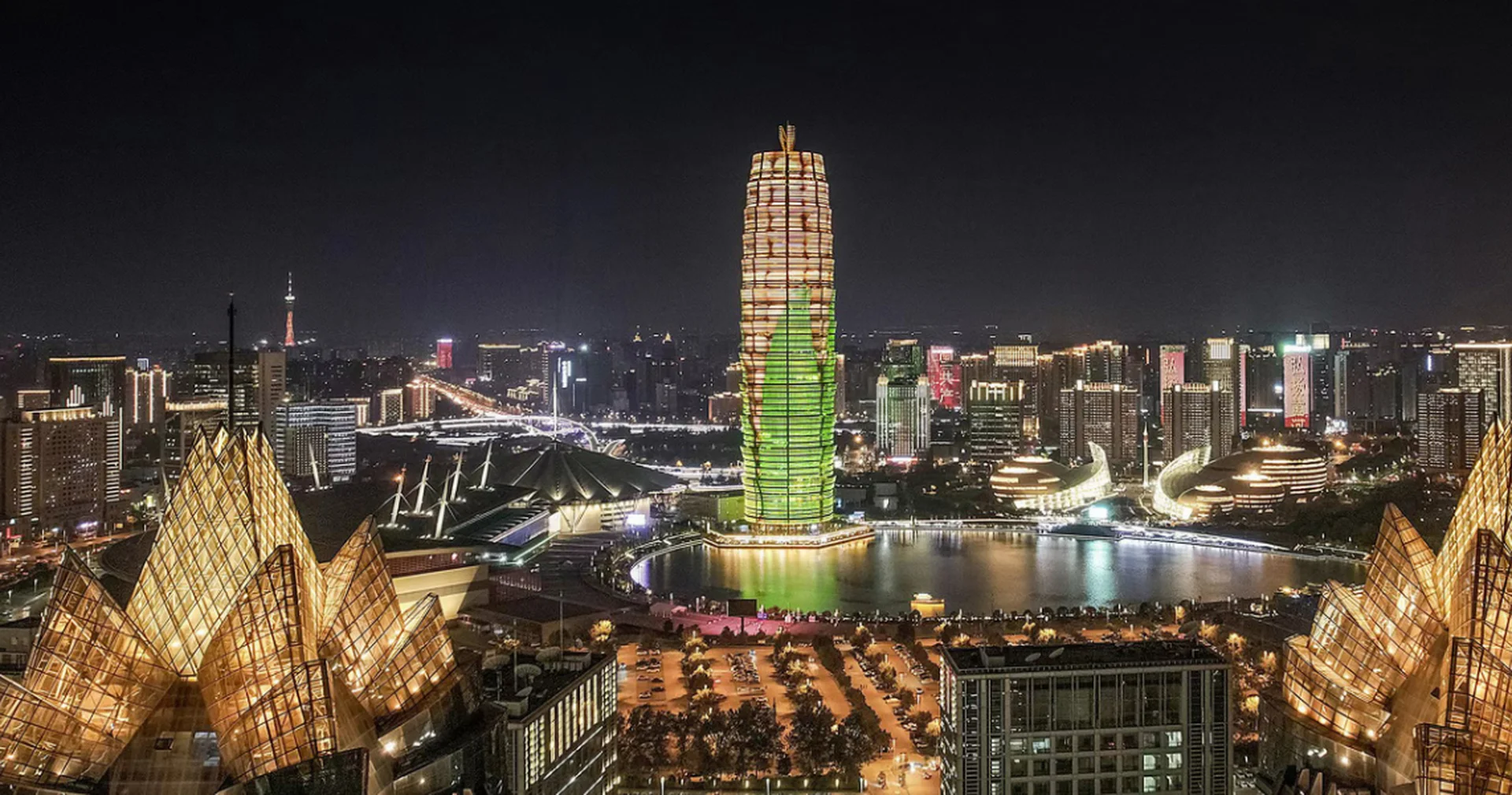
Nanyang city skyline and landmarks (南阳) - Travel China Guide

Nanyang Travel Guide

The birthplace of Zhuge Liang and Zhang Zhongjing, a historic city on the upper Han River where Central Plains culture meets the landscapes of southern Henan.

About

Nanyang, located in the southwestern corner of Henan Province on the upper reaches of the Han River, is a city of immense historical and cultural significance. It is famously known as the birthplace of two of China's most revered historical figures: Zhuge Liang (the "Sleeping Dragon" strategist of the Three Kingdoms) and Zhang Zhongjing (the "Medical Sage" of traditional Chinese medicine).

The city's most iconic attraction is Wuhou Temple, a sprawling memorial complex dedicated to Zhuge Liang. According to historical records, Zhuge Liang lived in seclusion here, studying and farming, before Liu Bei visited him three times to seek his counsel — one of the most famous stories in Chinese history. The temple grounds contain over 400 stone steles, ancient cypress trees, and the legendary "Thatched Cottage."

Nanyang's cultural richness extends beyond Zhuge Liang. The Nanyang Hanhua Museum houses one of China's finest collections of Han Dynasty stone reliefs, while the Neixiang County Government Office offers the country's best-preserved example of imperial-era local government architecture. Zhang Zhongjing's memorial temple draws practitioners of Chinese medicine from around the world.

The city is blessed with natural beauty as well. The Baihe River flows through the urban center, creating the Baihe National Wetland Park — a vast urban green space that serves as the city's ecological lung. The Baotianman Nature Reserve in the Funiu Mountains is a UNESCO Biosphere Reserve protecting ancient forests and rare wildlife.

Today, Nanyang is the most populous city in Henan with nearly 10 million residents, serving as a regional economic and transportation hub. Its economy spans agriculture, manufacturing, and increasingly, cultural tourism. The city's cuisine, featuring steamed vegetables, braised noodles, and high-quality yellow beef, reflects the agricultural richness of the surrounding plains and mountains.

History & Development

Nanyang's history stretches back over 2,700 years. During the Spring and Autumn period (770-476 BC), the area was part of the Chu State and served as an important commercial and cultural center. Its strategic location made it a contested region during the Warring States period.

The Han Dynasty (206 BC-220 AD) was Nanyang's golden age. The city was the birthplace of Zhang Zhongjing, the "Medical Sage," and a key center for the development of traditional Chinese medicine. The Han Dynasty stone reliefs found in Nanyang are considered among the finest examples of Han art in China.

Nanyang's most famous association is with Zhuge Liang (181-234 AD), who lived in seclusion here before becoming the prime minister of Shu Han during the Three Kingdoms period. The story of Liu Bei's three visits to Zhuge Liang's thatched cottage is one of the most celebrated episodes in Chinese history and literature.

During the Tang and Song dynasties, Nanyang continued as a regional center of trade and culture. The Neixiang County Government Office, built during the Yuan Dynasty and expanded in subsequent dynasties, stands as a testament to the region's administrative importance.

In the modern era, Nanyang played a role in the revolutionary period and later developed into an industrial and agricultural powerhouse. The construction of the Danjiangkou Reservoir, part of the South-to-North Water Diversion Project, has brought both development and environmental challenges to the region. Today, Nanyang balances economic growth with preservation of its rich cultural heritage.

Economy & Industries

Nanyang has the largest population among Henan's cities and a diversified economy. Agriculture remains a cornerstone, with the fertile Nanyang Basin producing wheat, corn, cotton, oil crops, and tobacco. Nanyang's yellow cattle industry is famous nationwide, with beef production being a significant economic activity.

Manufacturing is well-developed, with strengths in textile production, machinery, chemicals, and building materials. The city has several industrial zones attracting investment in automotive parts, electronic equipment, and new energy industries.

The pharmaceutical industry, rooted in the region's traditional medicine heritage, is a growing sector with companies producing both traditional Chinese medicine preparations and modern pharmaceuticals.

Tourism has become increasingly important, driven by Wuhou Temple, the Neixiang County Government Office, and the Baotianman Nature Reserve. The local government has invested in tourism infrastructure to attract more visitors from across China and internationally.

Nanyang's GDP is approximately 420 billion yuan. The city serves as a regional transportation hub, with railways and highways connecting it to Zhengzhou, Wuhan, Xi'an, and other major cities.
Top Attractions

⛩️ Temple

Wuhou Temple

A magnificent temple complex dedicated to Zhuge Liang (181-234 AD), the legendary Three Kingdoms strategist and prime minister of Shu Han. Nanyang's Wuhou Temple is one of the most important memorial sites for Zhuge Liang, who famously lived in reclusive study here before being recruited by Liu Bei. The temple features grand halls, ancient cypress trees, and over 400 stone steles inscribed with poetry and calligraphy praising the "Sleeping Dragon." The site includes the legendary "Thatched Cottage" where Zhuge Liang received Liu Bei's three visits.

★★★★ 4.7
🕐 8:00 AM-6:00 PM
🎫 60 yuan
🏛️ Landmark

Neixiang County Government Office

The best-preserved ancient county government office (yamen) in China, dating from the Yuan Dynasty through the Qing Dynasty. This sprawling complex includes over 280 rooms arranged in traditional Chinese administrative layout — court halls, offices, prison cells, and living quarters. The site offers a fascinating glimpse into how local governance operated in imperial China. The museum within displays original documents, judicial instruments, and wax figures reenacting historical court scenes.

★★★★ 4.7
🕐 8:00 AM-6:00 PM
🎫 75 yuan
🌳 Park

Baihe National Wetland Park

A vast urban wetland park stretching along the Baihe River through the heart of Nanyang. This ecological oasis covers over 20 square kilometers and is home to diverse plant and animal species, including numerous migratory birds. The park features scenic walking and cycling paths, observation towers, lotus ponds, and recreational areas. It serves as Nanyang's "green lung" and provides a serene escape from urban life.

★★★★ 4.5
🕐 Open all day
🎫 Free
⛩️ Temple

Zhang Zhongjing Memorial Temple

A memorial temple dedicated to Zhang Zhongjing (150-219 AD), the Han Dynasty physician revered as the "Medical Sage" of China. His seminal work "Treatise on Cold Pathogenic Diseases" (Shanghan Lun) laid the foundations of traditional Chinese medicine and is still studied today. The temple features exhibition halls displaying ancient medical texts, herbal specimens, and acupuncture models. It is a pilgrimage site for practitioners of Chinese medicine worldwide.

★★★★ 4.6
🕐 8:00 AM-5:30 PM
🎫 30 yuan
🎭 Museum

Nanyang Hanhua Museum

One of the most important collections of Han Dynasty stone reliefs in China. The museum houses over 2,000 carved stone slabs from Han Dynasty tombs and shrines, depicting scenes of daily life, mythology, warfare, and entertainment. These stone carvings are renowned for their artistic vitality and historical value, providing a vivid window into Han Dynasty society. The museum building itself is a masterpiece of modern Chinese architecture.

★★★★ 4.6
🕐 8:30 AM-5:30 PM (Closed Mondays)
🎫 Free
🏔️ Nature

Baotianman Nature Reserve

A UNESCO Biosphere Reserve in the Funiu Mountain range, protecting one of the most biodiverse temperate forest ecosystems in China. The reserve features ancient forests, crystal-clear streams, dramatic waterfalls, and rare wildlife including golden monkeys and clouded leopards. Well-maintained hiking trails range from easy nature walks to challenging mountain treks. The autumn foliage here is particularly spectacular.

★★★★ 4.7
🕐 8:00 AM-6:00 PM
🎫 80 yuan

Food & Culture

Discover the culinary treasures of Nanyang, from traditional street food to imperial cuisine.

Things to Do

🏛️

Zhuge Liang Pilgrimage

Visit Wuhou Temple and learn about the legendary Three Kingdoms strategist.

Ancient Government Tour

Explore the Neixiang County Government Office, China's best-preserved yamen.

Wetland Stroll

Walk or cycle through Baihe Wetland Park for birdwatching and riverside relaxation.

Han Art Appreciation

Study ancient stone reliefs at the Nanyang Hanhua Museum.

Suggested Itineraries

Nanyang Heritage Tour

Explore the city's rich cultural heritage from Three Kingdoms to Han Dynasty medicine.

  • Wuhou Temple
  • Neixiang County Government Office
  • Hanhua Museum
  • Zhang Zhongjing Temple

Nanyang Nature & Culture

Combine cultural heritage with the natural beauty of southern Henan.

  • Wuhou Temple
  • Baihe Wetland
  • Baotianman Reserve
  • Neixiang Yamen

Getting Around

✈️

Airport

Nanyang Jiangying Airport (NNY) — domestic flights to Beijing, Shanghai, Guangzhou, Shenzhen, and Zhengzhou

🚄

High-Speed Rail

Nanyang East Station on the Zhengzhou-Wanzhou HSR line: 1.5 hours to Zhengzhou, 3.5 hours to Wuhan

🚇

Metro

No metro

Best Time to Visit

Spring (April-May) and Autumn (September-October) offer the best weather for most destinations in China.

Continue Exploring China

Discover more cities, food guides, and travel inspiration.