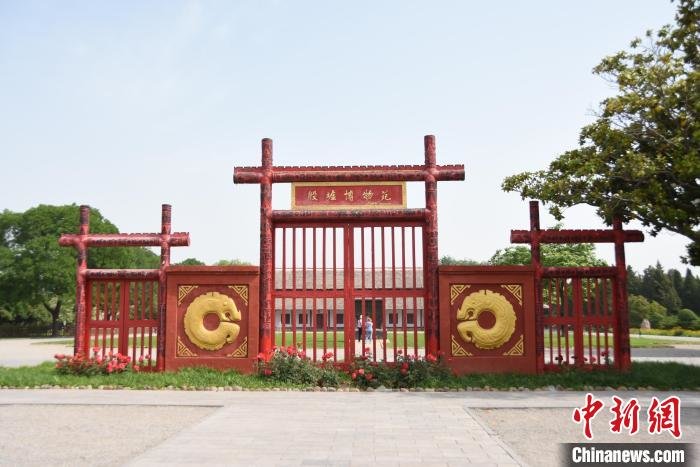
Shangqiu's history begins at the dawn of Chinese civilization. According to historical records, Xie, the son of Emperor Ku, was enfeoffed here during the Shang period, establishing the foundation of what would become the Shang Dynasty. The city was the ancestral home of the Shang royal clan before they moved their capital northward.
During the Spring and Autumn period (770-476 BC), Shangqiu served as the capital of the Song Kingdom, one the most powerful states of the era. The Song rulers patronized culture and learning, and the kingdom became known for its philosophical traditions.
The Han Dynasty brought new glory to Shangqiu through the Liang Kingdom, a semi-autonomous principality. Prince Xiao of Liang built the magnificent Liangyuan Garden, which became a cultural hub attracting some of the greatest literary figures of the Han period.
During the Northern Song Dynasty (960-1127 AD), Shangqiu was the site of Yingtian Academy, one of the empire's four great academies. The city also served briefly as an auxiliary capital and was renamed Nanjing ("Southern Capital").
The Ming Dynasty rebuilt the city walls in the 16th century, creating the distinctive bagua-shaped fortress that survives today. The city became an important commercial center on the Grand Canal, trading grain, cotton, and local products.
In the modern era, Shangqiu has grown into a major agricultural and industrial city. The Yellow River's historical floods shaped the region's landscape and economy, and water management has been a constant theme in the city's development. Today, Shangqiu preserves its layered history while embracing modernization.