Wuzhishan city skyline and landmarks (五指山) - Travel China Guide

Wuzhishan Travel Guide

The "Jade Finger" of Hainan, a mountain city surrounded by tropical rainforest, home to the Li ethnic minority and the highest peak on the island.

About

Wuzhishan, meaning "Five-Fingered Mountain," is Hainan's premier mountain destination. Nestled in the south-central part of the island, this small city is named after the iconic five-peaked mountain that towers over the landscape at 1,867 meters — the highest point in Hainan. The mountain's distinctive silhouette, resembling five fingers reaching skyward, is the defining symbol of the region.

Unlike Hainan's coastal cities with their beach resorts and tropical sun, Wuzhishan offers a cooler, greener escape. The city is enveloped by dense tropical rainforest, part of the Hainan Tropical Rainforest National Park, a UNESCO World Heritage site candidate. The air is fresh and clean, the pace of life slow, and the sound of birds and flowing water replaces the hum of traffic.

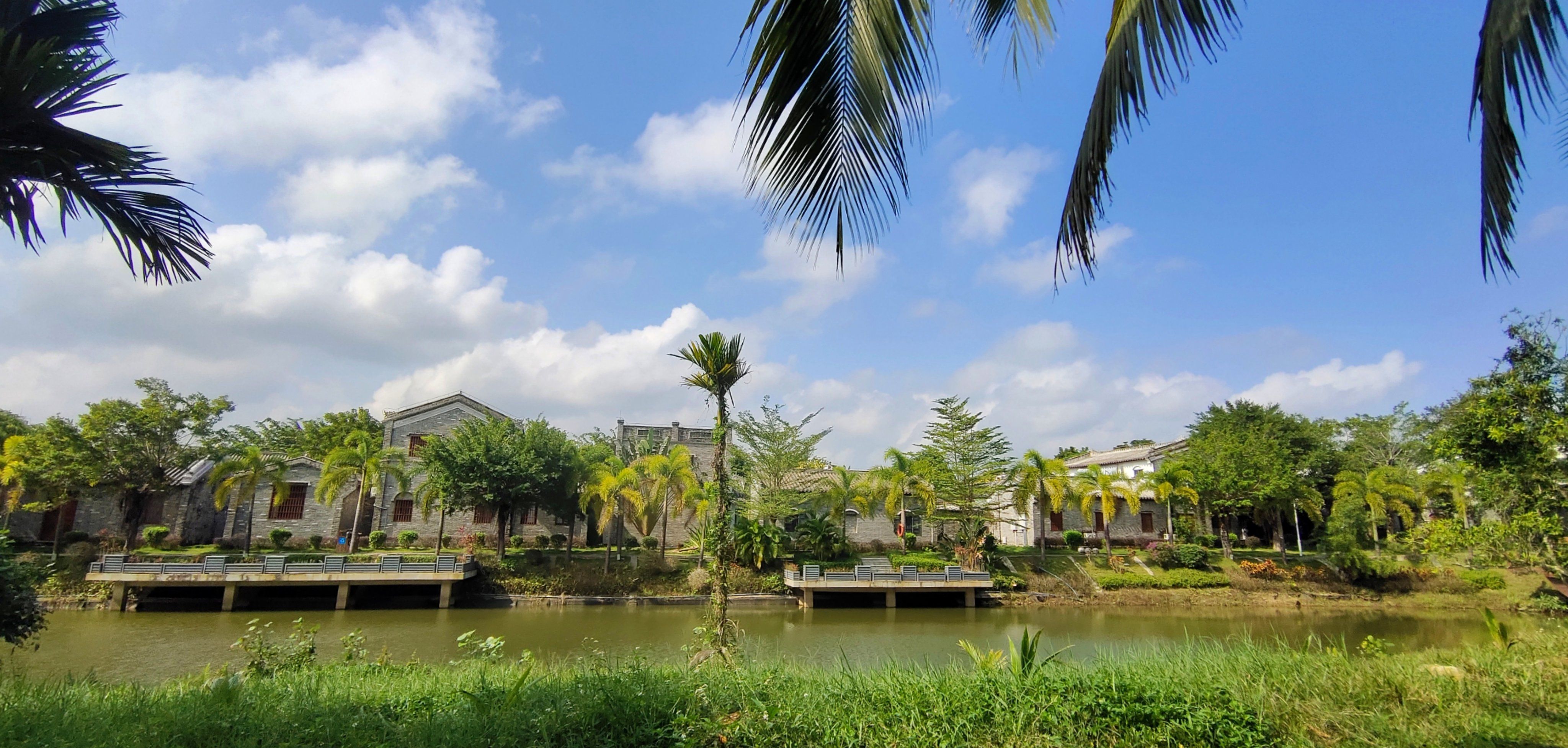
Wuzhishan is also the cultural heartland of Hainan's Li ethnic minority. The Li people, who have inhabited these mountains for thousands of years, maintain their traditional way of life in villages scattered across the slopes. Their boat-shaped houses, intricate textile weaving, and unique cuisine offer visitors a window into one of China's oldest indigenous cultures.

For outdoor enthusiasts, Wuzhishan is paradise. Hiking trails lead through primeval rainforest to waterfalls, swimming holes, and panoramic viewpoints. The Red Canyon offers exhilarating white-water rafting through tropical gorges. The cooler mountain climate makes outdoor activities comfortable even in summer, when the coast is sweltering.

History & Development

The Wuzhishan area has been inhabited for thousands of years by the Li ethnic minority, one of China's oldest indigenous groups. The Li people, believed to be descendants of the ancient Yue tribes, migrated to Hainan from mainland Southeast Asia thousands of years ago and established settlements in the island's mountainous interior.

During the Tang and Song dynasties, the central Chinese government began to extend administrative control over Hainan's interior, including the Wuzhishan region. However, the Li people maintained a high degree of autonomy, governing themselves through traditional village councils and chieftainships well into the Ming and Qing dynasties.

In the 20th century, Wuzhishan developed as a center for forestry, rubber plantations, and tropical agriculture. The area was designated as a nature reserve in the 1980s, and in 1986, Wuzhishan was established as a city (at that time called Tongshi). It was renamed Wuzhishan in 2001 to align with the mountain's name and promote tourism.

Today, the city balances conservation of its rainforest ecosystem with sustainable tourism development. The Hainan Tropical Rainforest National Park, established in 2021, protects vast areas of primary forest in the Wuzhishan region.

Economy & Industries

Wuzhishan's economy is centered on eco-tourism, tropical agriculture, and specialty forestry. Tourism is the fastest-growing sector, driven by the mountain's status as Hainan's highest peak and the surrounding rainforest national park. Hiking, rafting, and cultural tours to Li villages are the main attractions.

Tropical agriculture thrives in the mountain valleys. Wuzhishan is known for high-quality tea, particularly Wuzhishan green tea and snow tea, which are prized for their delicate flavor. The region also produces tropical fruits, coffee, rubber, and traditional herbal medicines used in Li ethnic healing practices.

The city has limited industrial development, focused on agricultural processing and handicrafts. Li textile weaving, particularly the traditional Li brocade (Lí jǐn), is recognized as a national intangible cultural heritage and supports a small but significant craft industry.

Top Attractions

🏔️ Nature

Mount Wuzhi

The iconic five-fingered peak of Hainan, standing at 1,867 meters — the island's highest point. A challenging 4-5 hour hike rewards climbers with breathtaking panoramic views of the rainforest and coastline.

★★★★ 4.7
🕐 7:00 AM - 6:00 PM
🎫 50 yuan
🏔️ Nature

Wuzhishan Rainforest

A pristine tropical rainforest ecosystem spanning 134.4 square kilometers. Dense canopy, ancient banyan trees, streams, and waterfalls create a lush paradise for nature lovers and hikers.

★★★★ 4.6
🕐 7:00 AM - 6:00 PM
🎫 50 yuan
📍 Other

Chubao Village

A traditional Li ethnic village perched on a mountainside, known for its unique boat-shaped houses built from bamboo, wood, and thatch. A living museum of Li culture and traditional architecture.

★★★★ 4.4
🕐 Open all day
🎫 Free
🏔️ Nature

Taiping Mountain

A scenic mountain with a famous waterfall cascading down granite cliffs into a emerald pool below. The surrounding area offers hiking trails through lush forest with views of the valley.

★★★★ 4.3
🕐 8:00 AM - 5:30 PM
🎫 Free
📍 Other

Red Canyon Rafting

An adrenaline-pumping white-water rafting experience through a dramatic tropical canyon. The 3.8-kilometer course features rapids, drops, and stunning rock formations along the river.

★★★★ 4.5
🕐 9:00 AM - 4:00 PM (seasonal)
🎫 200 yuan
🎭 Museum

Hainan Ethnic Museum

A comprehensive museum in the Wuzhishan area showcasing the history, culture, and traditional crafts of Hainan's Li and Miao ethnic minorities. Features textile weaving demonstrations and traditional artifact exhibitions.

★★★★ 4.3
🕐 9:00 AM - 5:00 PM (closed Mondays)
🎫 Free

Food & Culture

Discover the culinary treasures of Wuzhishan, from traditional street food to imperial cuisine.

Getting Around

✈️

Airport

Sanya Phoenix International Airport (SYX) about 110 km south is the nearest major airport. About 2 hours by car. Wuzhishan does not have its own airport.

🚄

High-Speed Rail

No direct high-speed rail station in Wuzhishan. The nearest HSR station is in Sanya. Buses and taxis connect to the HSR network.

🚇

Metro

No metro system. City buses and taxis serve the urban area. Chartered cars recommended for visiting outlying villages.

Best Time to Visit

🌸

Spring

Mar - May

★★★★☆

Pleasant and warming with blooming wildflowers. Good hiking conditions with moderate rainfall.

  • Blooming wildflowers
  • Comfortable hiking
  • Lush greenery
☀️

Summer

Jun - Aug

★★★☆☆

Rainy season with frequent afternoon showers. The mountain is at its greenest and waterfalls are at full flow. Cooler than the coastal areas.

  • Cool mountain air
  • Full waterfalls
  • Lush rainforest
🍂

Autumn

Sep - Nov

★★★★☆

Gradual transition to drier weather. Clearer skies and comfortable temperatures. Excellent for hiking and outdoor activities.

  • Clear skies
  • Pleasant temperatures
  • Good for rafting
❄️

Winter

Dec - Feb

★★★★★

Cool and dry — the most comfortable season for hiking. Mornings can be chilly (8-12°C). Clear views of the mountain peaks.

  • Best hiking weather
  • Clear mountain views
  • Cool and comfortable

Travel Reminders

💡

💡

💡

💡

💡

💡

Continue Exploring China

Discover more cities, food guides, and travel inspiration.