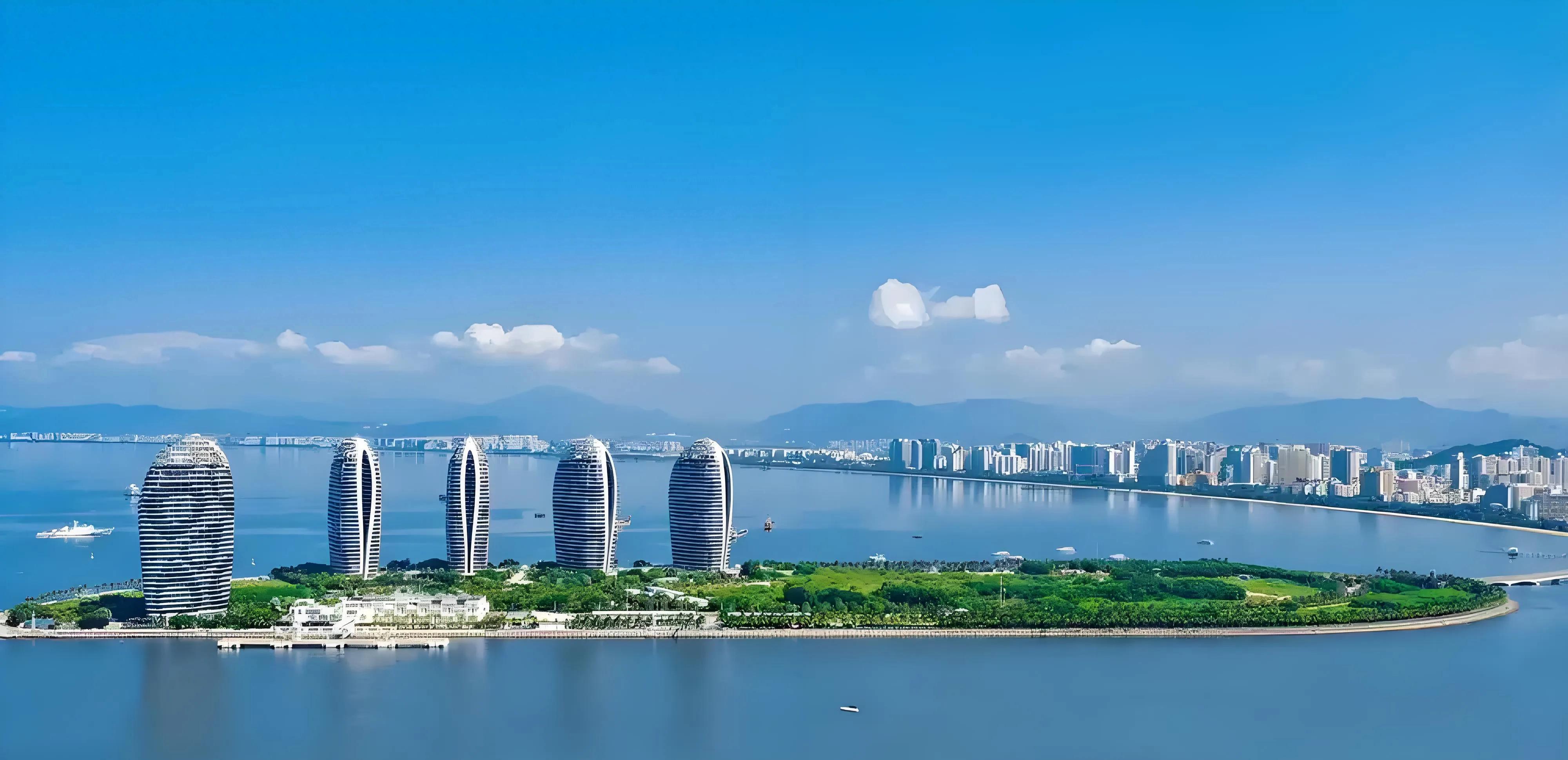
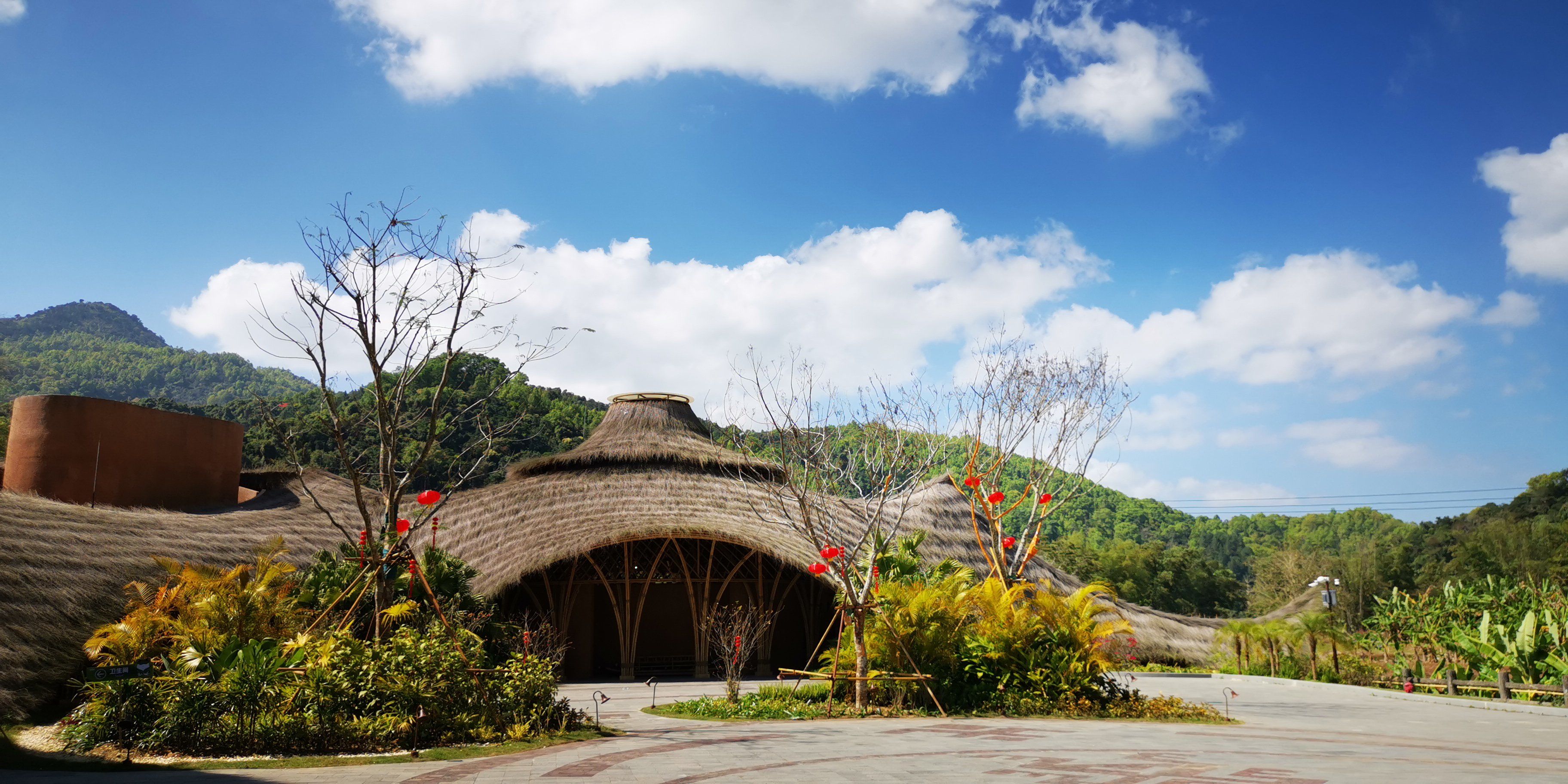
Sansha city skyline and landmarks (三沙) - Travel China Guide

Sansha Travel Guide

China's southernmost prefecture-level city, an archipelago city in the South China Sea encompassing the Xisha, Nansha, and Zhongsha Islands with stunning coral reefs and turquoise waters.

About

Sansha is unlike any other city in China. Established in 2012 as the country's southernmost prefecture-level city, it encompasses the Xisha, Nansha, and Zhongsha Islands — a vast maritime region in the South China Sea. The main settlement is Yongxing Island in the Xisha chain, a small but modern community with government buildings, a hospital, schools, and a small population of researchers, support staff, and fishing communities.

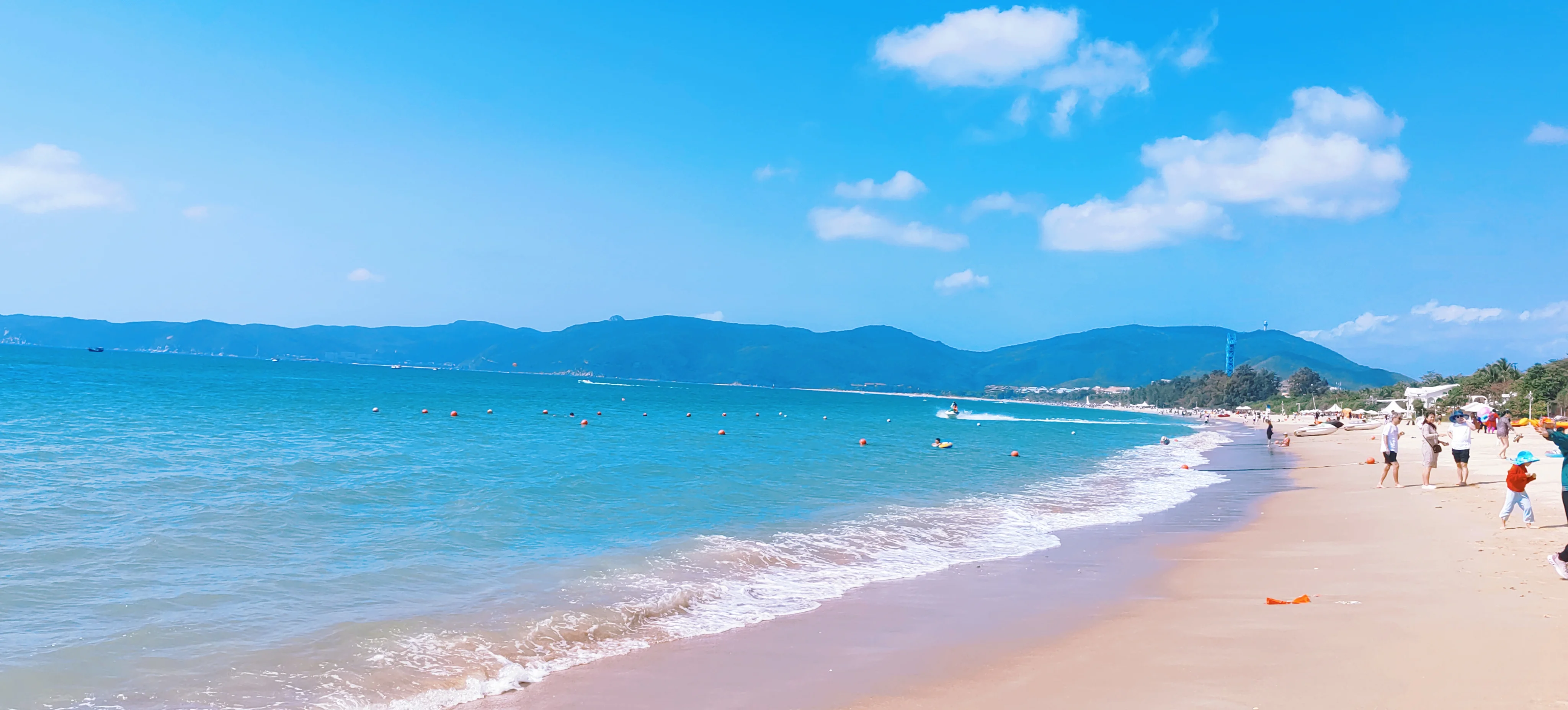
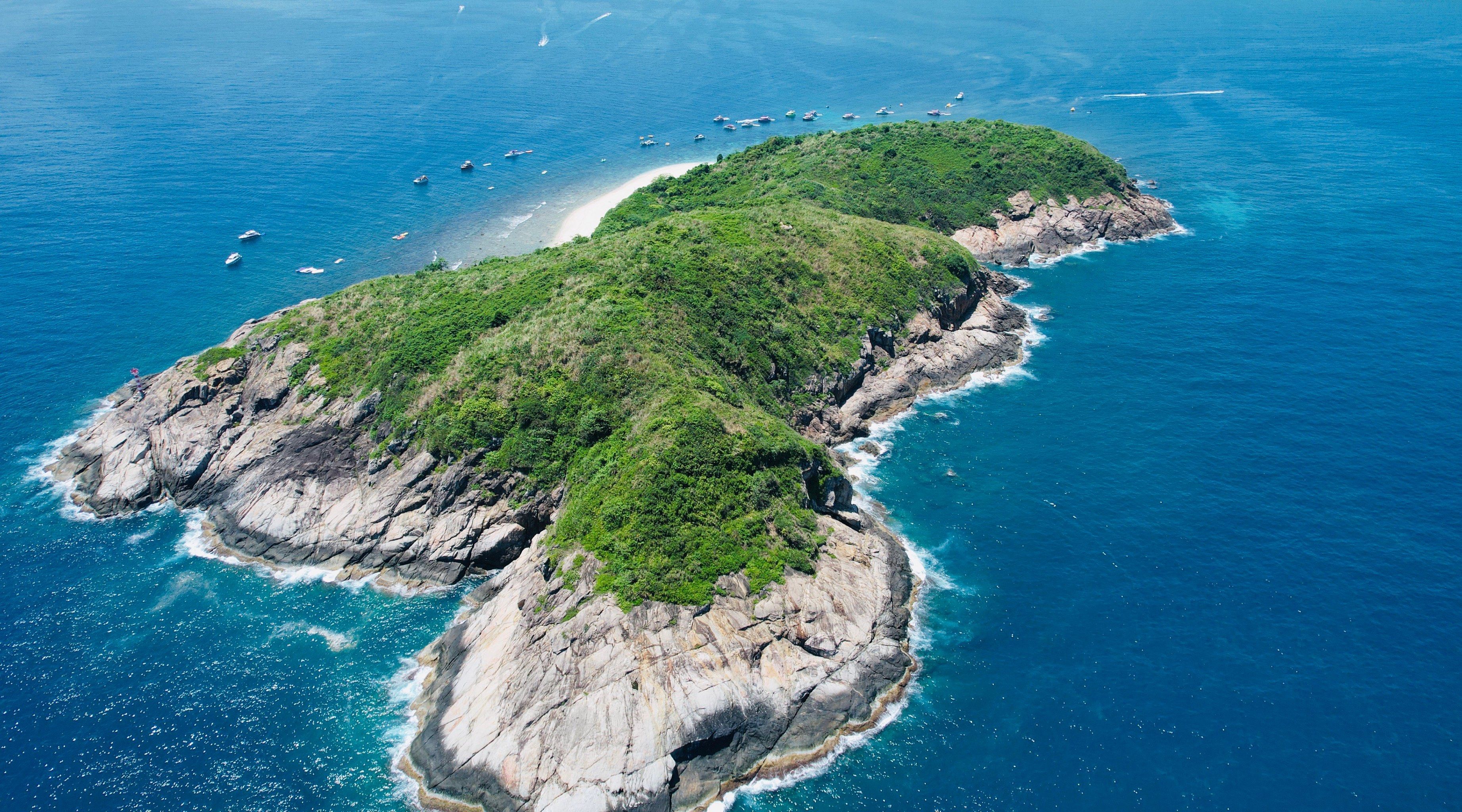
The Xisha Islands are the most accessible part of Sansha for travelers. They consist of about 30 islands, sandbars, and reefs spread across turquoise waters that rival the Maldives in color and clarity. Because access is tightly controlled — primarily through organized cruises departing from Sanya — the islands remain remarkably pristine. The coral reefs surrounding the Xisha chain are among the healthiest in the South China Sea, hosting an extraordinary diversity of marine life.

Visiting Sansha is an expedition rather than a casual trip. Cruise ships from Sanya make the 12-15 hour journey to the Xisha Islands, where passengers spend several days island-hopping, snorkeling, and enjoying the remote tropical paradise. The experience offers a rare glimpse into China's southern reaches — a place where marine science, fishing traditions, and untouched natural beauty converge.

History & Development

The islands that make up Sansha have a long history of maritime activity. Chinese fishermen from Hainan have been navigating to the Xisha and Nansha Islands for centuries, using them as seasonal bases for fishing and turtle harvesting. Historical records from as early as the Han Dynasty (206 BCE-220 CE) mention these islands in Chinese navigational logs.

In the 20th century, the islands gained increasing attention. After World War II, the Chinese government reclaimed the Xisha and Nansha Islands from Japanese occupation. A presence was established on Yongxing Island in the 1950s, and the island gradually developed into a logistics and supply station.

The most transformative event came in 2012 when the State Council approved the establishment of Sansha City. Since then, Yongxing Island has seen significant development — an airport, harbor facilities, desalination plants, solar power installations, and research stations have transformed the settlement into a modern community.

Economy & Industries

Sansha's economy is small and specialized, centered on fisheries, marine scientific research, and eco-tourism. The fishing industry has traditionally been the mainstay, with fishermen from Hainan operating in the rich fishing grounds of the South China Sea targeting tuna, mackerel, grouper, and various shellfish.

Eco-tourism is the most visible economic activity. Since the launch of Xisha cruise routes from Sanya in 2013, tens of thousands of domestic tourists have visited the islands annually. The cruises operate under strict environmental regulations to protect the fragile coral reef ecosystems. Tourism revenue supports local services and infrastructure maintenance on Yongxing Island.

Marine research is a growing sector. Several research stations on the islands conduct studies on coral reef ecology, marine biology, climate change, and oceanography. The Sansha Marine Ecosystem National Observation and Research Station plays a key role in monitoring the health of the South China Sea marine environment.

Top Attractions

🏔️ Nature

Yongxing Island

The largest island in the Xisha chain and the regional center of Sansha. Features a museum, local history exhibits, coconut groves, and a picturesque harbor with turquoise waters.

★★★★ 4.6
🕐 Restricted access via organized tours
🎫 Included in cruise package
🏔️ Nature

Yagong Island

A small coral island composed entirely of shellfish fragments and coral debris. Visitors can snorkel in crystal-clear waters and enjoy freshly caught seafood prepared by local fishermen.

★★★★ 4.5
🕐 Day visits via cruise excursions
🎫 Included in cruise package
🏔️ Nature

Quanfu Island

A stunning white sandbar that emerges from the sea at low tide, surrounded by crystalline waters in shades of emerald and sapphire. A paradise for photographers and beach lovers.

★★★★ 4.7
🕐 Accessible only at certain tides
🎫 Included in cruise package
🏔️ Nature

Yinyu Island

A picturesque island with a small fishing community. Known for its vibrant coral reefs ideal for snorkeling, and the unique experience of standing on a sandbar surrounded by endless ocean.

★★★★ 4.5
🕐 Day visits via cruise excursions
🎫 Included in cruise package
🎭 Museum

Xisha Marine Museum

Located on Yongxing Island, this museum exhibits the rich marine biodiversity of the South China Sea, including coral specimens, fish species, sea turtle conservation displays, and maritime history artifacts.

★★★★ 4.3
🕐 Limited hours for authorized visitors
🎫 Free
🏔️ Nature

Shi Island

Connected to Yongxing Island by a causeway, Shi Island features dramatic coastal cliffs and rocky terrain contrasting with the surrounding turquoise sea. The highest point in the Xisha Islands.

★★★★ 4.4
🕐 Accessible via Yongxing Island
🎫 Free

Food & Culture

Discover the culinary treasures of Sansha, from traditional street food to imperial cuisine.

Getting Around

✈️

Airport

Yongxing Island Airport (XYI) — an airport on Yongxing Island with limited commercial flights. Most visitors arrive via cruise ships from Sanya.

🚇

Metro

No metro system. Transportation between islands is by boat or helicopter.

Best Time to Visit

🌸

Spring

Mar - May

★★★★☆

Pleasant weather with calm seas and good visibility underwater. Ideal for snorkeling and island exploration.

  • Calm seas
  • Good visibility
  • Comfortable temperatures
☀️

Summer

Jun - Aug

★★☆☆☆

Hot and humid with frequent typhoons. Cruise operations may be affected by weather. Lowest tourism season.

  • Fewer visitors
  • Lush green islands
  • Lower demand
🍂

Autumn

Sep - Nov

★★★☆☆

Transition season with improving conditions. October onwards sees reduced typhoon risk and clearer skies.

  • Improving weather
  • Fewer typhoons
  • Good for photography
❄️

Winter

Dec - Feb

★★★★★

The best season to visit. Cooler temperatures, minimal rainfall, and the calmest seas of the year. Peak cruise season.

  • Best weather
  • Calm seas
  • Peak cruise season

Travel Reminders

💡

💡

💡

💡

💡

💡

Continue Exploring China

Discover more cities, food guides, and travel inspiration.