Qilou Old Street
Haikou's most iconic historic district featuring arcade buildings in Southeast Asian architectural style, reflecting the city's heritage as a treaty port and overseas Chinese homecoming destination.
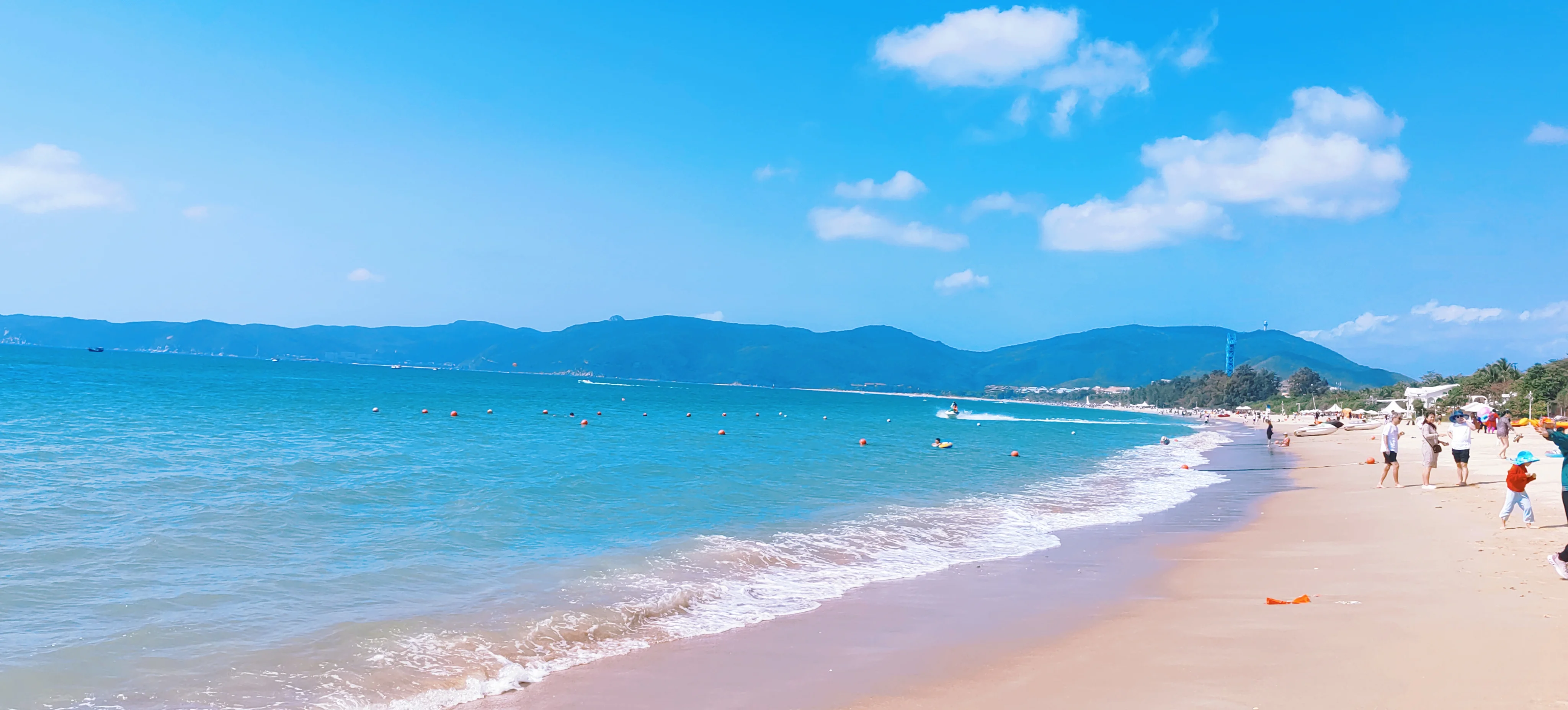
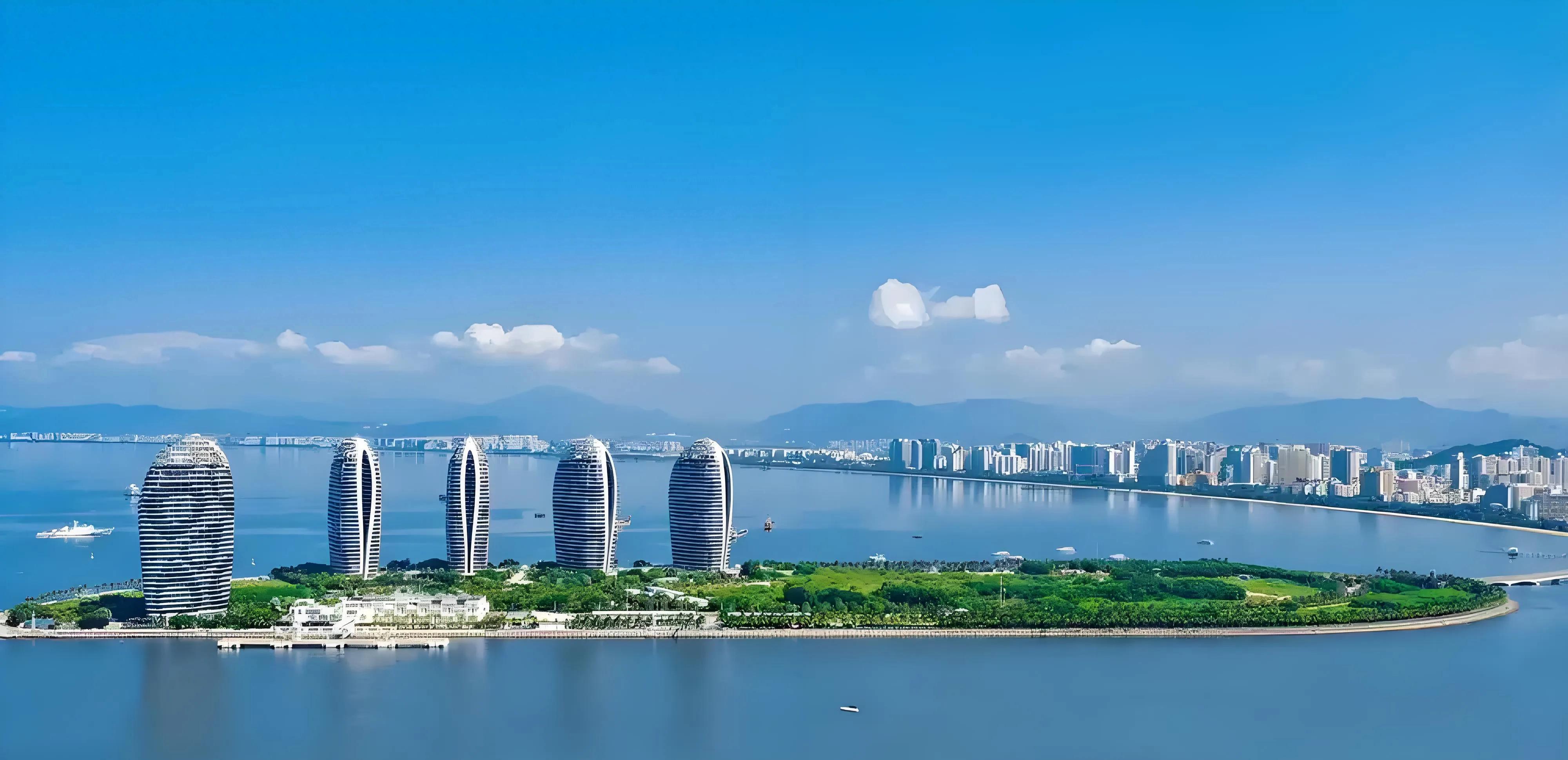
Hainan's tropical capital where historic Qilou arcades meet modern beachfront resorts, and coconut-scented breezes carry the flavors of island life.
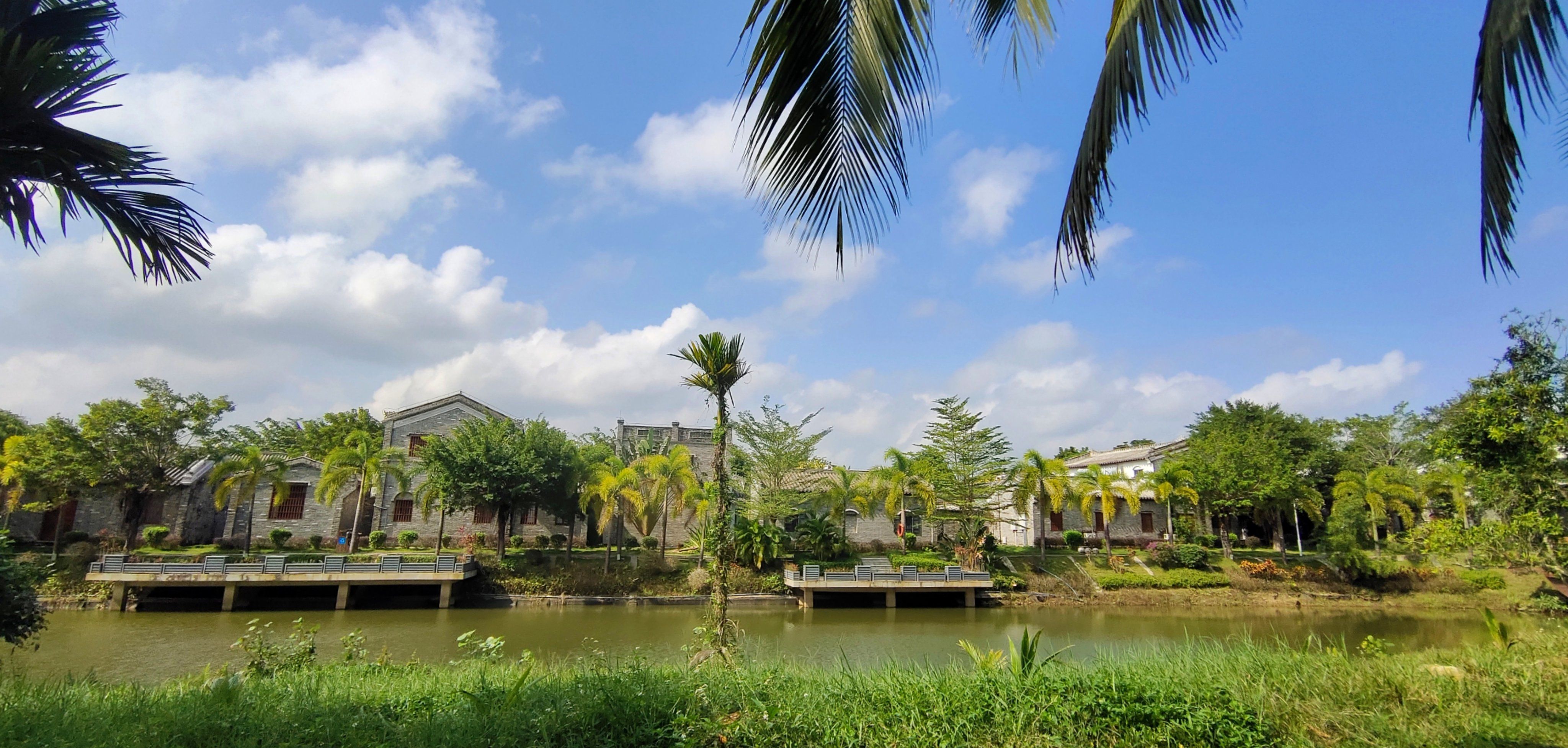
Haikou bears its humidity and heat with easy grace. The tropical capital of Hainan, it sits on the northern coast of an island the size of Belgium, where swaying coconut palms line every road and the air carries the mingled scents of sea salt and frangipani.
The city's soul lives in its Qilou (arcade) district. These block-long covered walkways, built by returning overseas Chinese in the 1920s and 1930s, combine European colonnades with Chinese decorative motifs. Beneath their shelter, you can sip coconut milk coffee from a cloth-filter drip, watch a seal carver at work, or simply observe the unhurried rhythm of island life.
In the 1,000 meters or so it takes to walk from the clock tower through the arcaded lanes, you pass temples dedicated to sea goddess Mazu, medicine halls older than the Republic, and noodle shops serving the legendary Hainan Rice Noodles. Every teaspoon of chili paste, every sip of coffee tells centuries of maritime trade, migration, and cultural fusion.
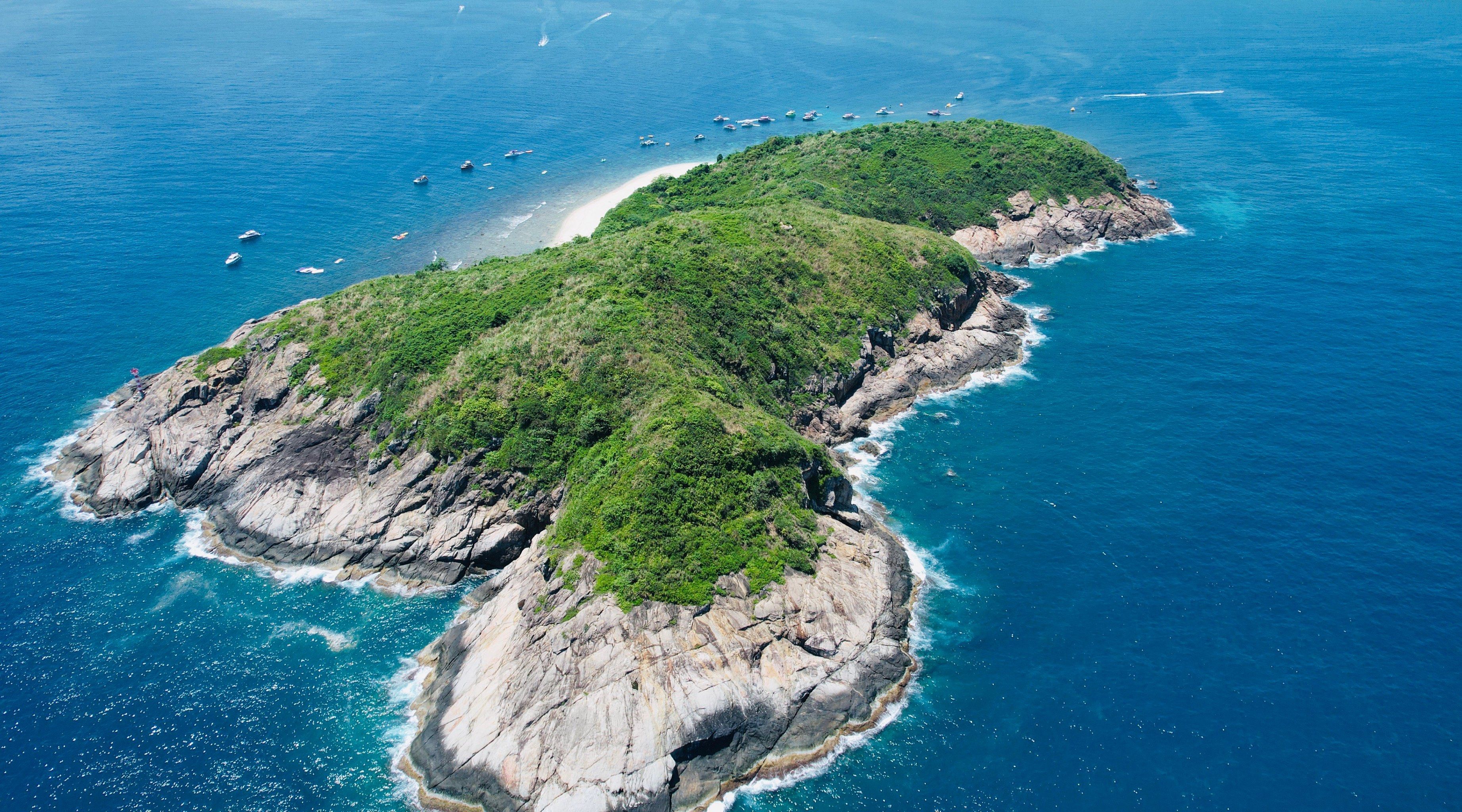
Beyond the old town, the island's volcanic geology awaits. A short drive reaches a UNESCO Global Geopark where 36 dormant volcanic cones rise from the tropical forest. You can descend into a lava tunnel, climb to a crater rim, and see how this volcanic soil nurtures the coconut, areca nut, and tropical fruit trees that sustain island agriculture.
Haikou moves to its own rhythm - the daily tea house ritual known as "Laoba Tea" is a social institution worth adopting. At any hour, neighborhood tea houses fill with locals lingering over cups of strong tea and plates of dim sum, discussing everything from family news to the day's politics with unhurried tropical eloquence.
Haikou's history began over 2,000 years ago. During the Han Dynasty (206 BCE–220 CE), the central government established commanderies on Hainan Island, incorporating the region into imperial administration for the first time. What is now Haikou was then a small fishing village called Haikou Pu.
In 1395, the Ming Dynasty built the Haikou Fortress, a walled military garrison that protected the coast from pirate raids. The fortress became an administrative center, laying the foundation for the city's future growth.
The 19th century brought dramatic change. After the 1858 Treaty of Tianjin, Qiongshan (today part of Haikou) was opened to foreign trade. The city became a major treaty port, connecting Hainan's tropical produce - coconut, rubber, coffee, and fruits - to global markets. Returning overseas Chinese invested in the city, building the Qilou arcades that still define Haikou's historic center.
In 1926, Haikou was officially established as a city. During the mid-20th century, it served as an important military port and fishing base. The most transformative moment came in 1988, when Hainan was elevated from a Guangdong prefecture to China's 31st province and designated a Special Economic Zone. Haikou became the provincial capital, triggering rapid urbanization.
In 2020, China announced the Hainan Free Trade Port plan, aiming to transform the island into a globally influential free trade port by 2050. Full customs closure operations began in late 2025. Haikou, as the capital, is at the center of this historic transformation - building the Jiangdong New Area as the FTP's core pilot zone while preserving its tropical character and historic neighborhoods.
Haikou's economy is built on three pillars: tourism, the Free Trade Port, and tropical agriculture.
Tourism is the engine. In 2024, Haikou received over 26 million visitors, generating 43.4 billion yuan in tourism revenue. The city's tropical climate, beach resorts, golf courses, and duty-free shopping draw both domestic and international travelers. Duty-free sales have surged since expanded FTP policies took effect.
The Free Trade Port, which began full customs closure in late 2025, is transforming Haikou into a hub for cross-border trade, finance, and logistics. The Jiangdong New Area serves as the FTP's core pilot zone, attracting digital economy, biomedicine, and aviation service companies. Hainan's zero-tariff, low-tax environment makes it increasingly attractive for international business.
Tropical agriculture remains a foundation. Hainan is China's largest supplier of winter vegetables, tropical fruits, and rubber. Haikou's adjacent farmlands produce coconuts, mangoes, lychees, coffee, and tea for domestic and international markets.
Professional services, including legal, accounting, and consulting firms, are growing rapidly to serve the expanding business community attracted by the FTP.
Discover the culinary treasures of Haikou, from traditional street food to imperial cuisine.
Haikou Meilan International Airport (HAK) - direct high-speed rail connection at terminal, airport buses to downtown
Hainan Eastern Ring HSR connects Haikou to Sanya in 1.5 hours; Western Ring extends coverage around the entire island
Extensive bus network including airport express lines and city routes
Available throughout the city
Spring (April-May) and Autumn (September-October) offer the best weather for most destinations in China.
Discover more cities, food guides, and travel inspiration.