Wuhai city skyline and landmarks (乌海) - Travel China Guide

Wuhai Travel Guide

A remarkable oasis city on the upper Yellow River, Wuhai is known for its dramatic red-cliff Wuhai Canyon, thriving wine industry, and transformation from coal hub to eco-tourism destination.

About

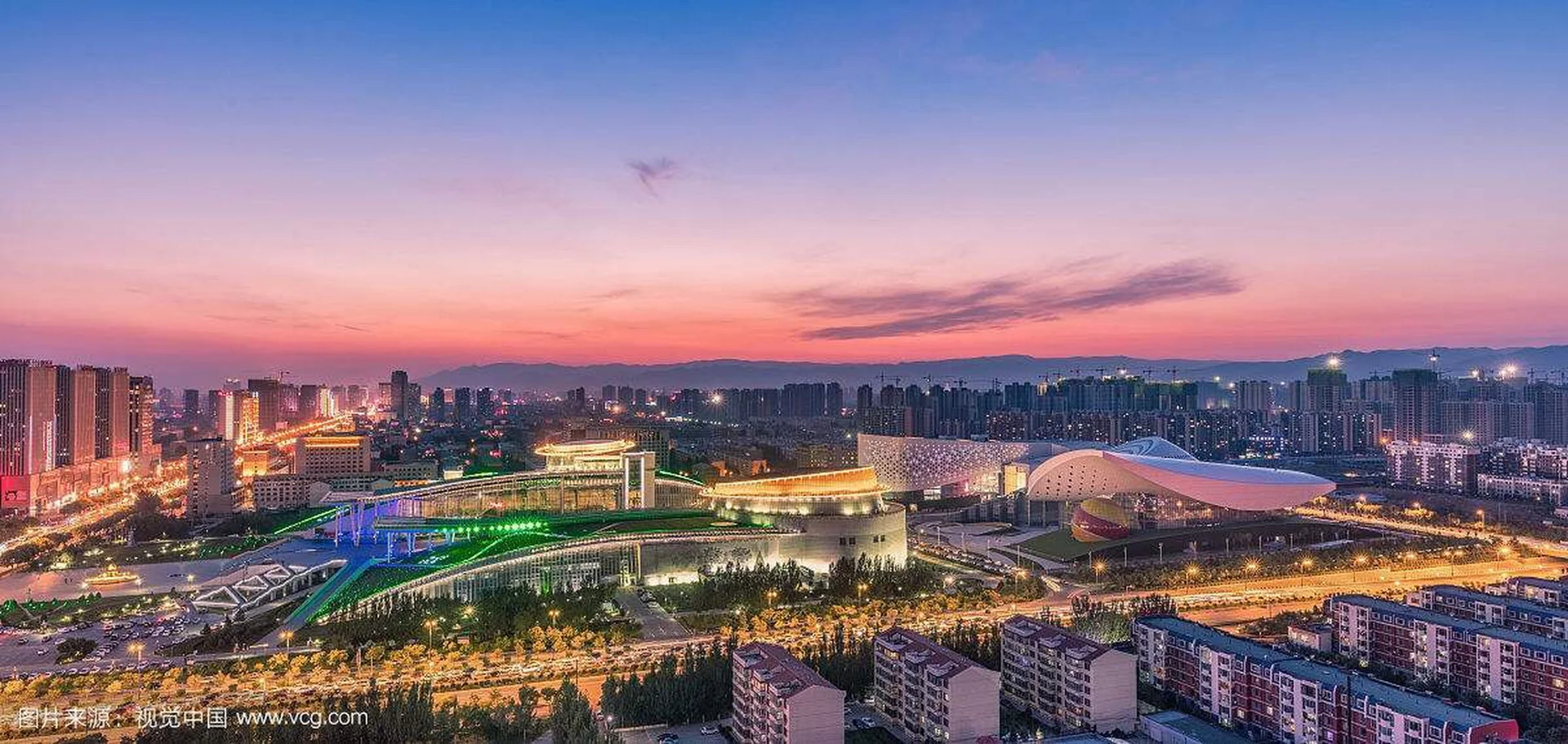
Wuhai is a small prefecture-level city in western Inner Mongolia, situated on the upper reaches of the Yellow River. Its name combines elements from its two districts — Wuda and Haibowan — reflecting its origin as a coal-mining center established in the 1950s.

The city's defining feature is the Yellow River, which flows through its center. The construction of the Haibowan Water Control Project created Wuhai Lake, a vast reservoir that has transformed the city's microclimate and created new opportunities for tourism and recreation. The lake has literally reshaped the city's identity, turning a dusty coal town into a waterfront destination.

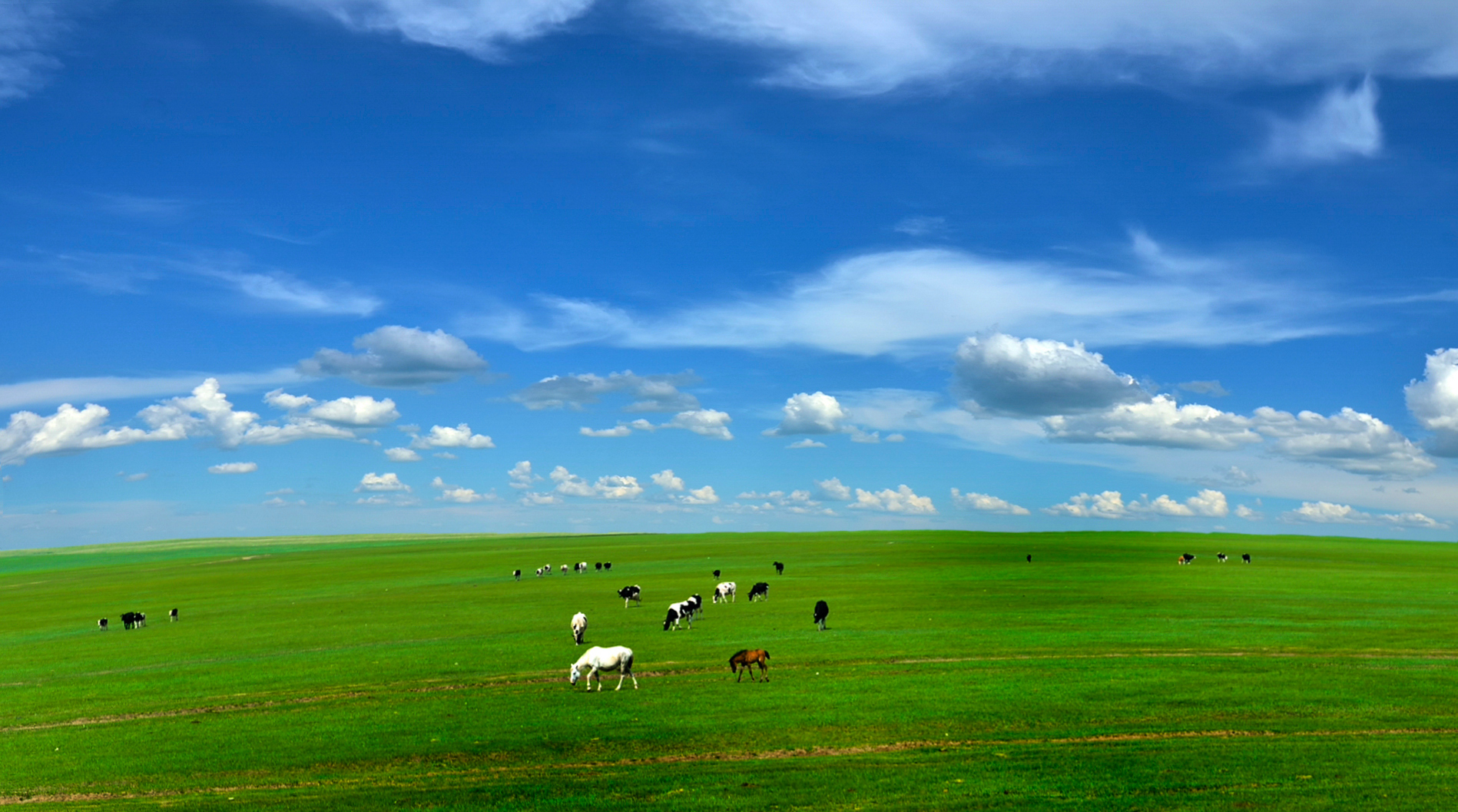
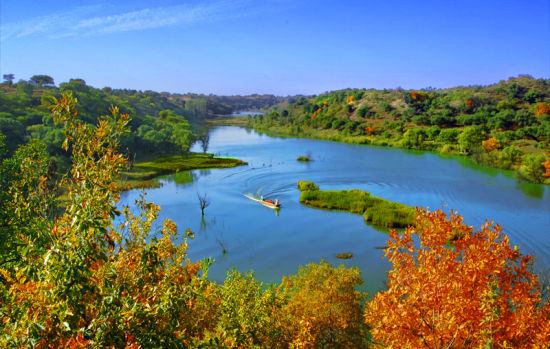
Wuhai's geography is dramatic: desert dunes meet the river, red sandstone cliffs rise from the water, and vineyards cover the terraced slopes. The city has undergone one of China's most remarkable environmental transformations, from a heavily polluted industrial center to a nationally recognized "Garden City" and eco-tourism destination.

The wine industry has become a point of pride for Wuhai. The region's high altitude, abundant sunshine, large diurnal temperature range, and well-drained sandy soils create ideal conditions for grape growing. Wuhai wines have won international awards, putting this unlikely wine region on the map.

History & Development

Wuhai's history as a city began in the 1950s with the development of coal mines in the region. The area had been sparsely populated before the discovery of coal deposits attracted workers from across China. The city was formally established in 1976 through the merger of several mining settlements.

For decades, Wuhai was a typical Chinese industrial city, with coal mining and related industries dominating the economy. The environmental cost was high — air pollution, stripped landscapes, and a degraded river ecosystem.

The turning point came in the 2000s as coal reserves depleted and environmental awareness grew. The city embarked on an ambitious transformation plan. The Haibowan Dam project, completed in 2013, created Wuhai Lake and fundamentally changed the city's relationship with the Yellow River.

In the 2010s, Wuhai began developing its wine industry as part of economic diversification. Desert greening projects converted former mining areas into parks and vineyards. The city has since been recognized as a national model for resource-dependent city transformation.

Economy & Industries

Wuhai's economy has successfully transitioned from coal dependence to a more diversified model. Coal mining and processing remain significant but have been modernized with cleaner technologies. The city has developed a polycrystalline silicon and photovoltaic industry, leveraging its abundant solar resources.

The wine industry has become a signature sector, with over 30 wineries producing internationally recognized wines. Tourism centered on the canyon, lake, and desert landscapes has grown rapidly, becoming a major economic driver.

Agriculture in the irrigated Yellow River valley produces high-quality fruits, including grapes, apples, and dates. The city also serves as a logistics hub for western Inner Mongolia, connecting to Mongolia and Central Asia.

Top Attractions

🏔️ Nature

Wuhai Canyon

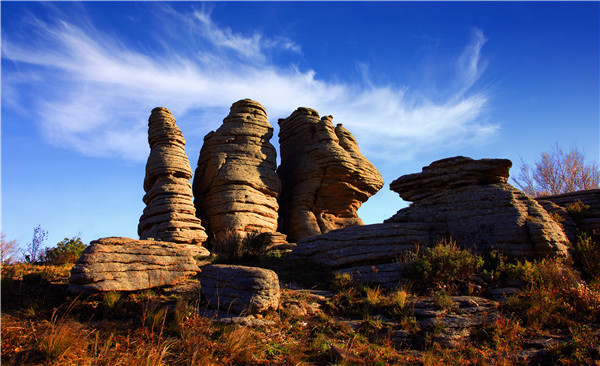
Wuhai Canyon is a spectacular red sandstone canyon carved by the Yellow River over millions of years. The canyon walls display striking layers of red, orange, and ochre rock formations, creating a natural masterpiece of color and texture. Boat tours through the canyon offer views of towering cliffs, hidden caves, and unique rock formations. The canyon is sometimes called the "Grand Canyon of the West" for its dramatic scale and beauty.

★★★★ 4.7
🕐 08:30-18:00
🎫 80 yuan (boat tour included)
🏔️ Nature

Wuhai Lake

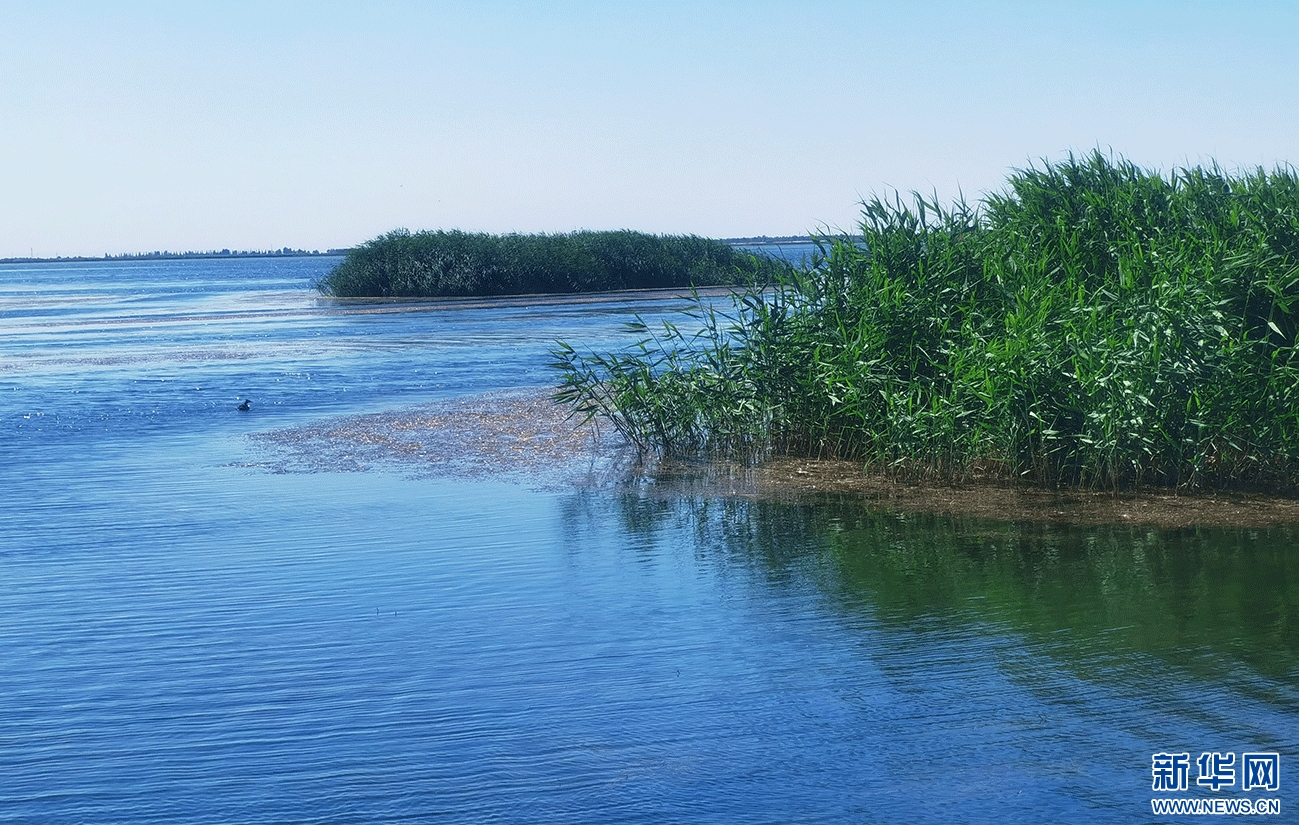
Wuhai Lake is a vast artificial lake created by the Haibowan Water Control Project on the Yellow River. Covering over 100 square kilometers, the lake has transformed Wuhai's landscape and climate. The lakeside area features walking paths, cycling trails, and leisure facilities. Visitors can enjoy boat rides, fishing, and waterfront dining while taking in views of the surrounding desert mountains.

★★★★ 4.5
🕐 All day
🎫 Free
🏔️ Nature

Gold Sand Bay

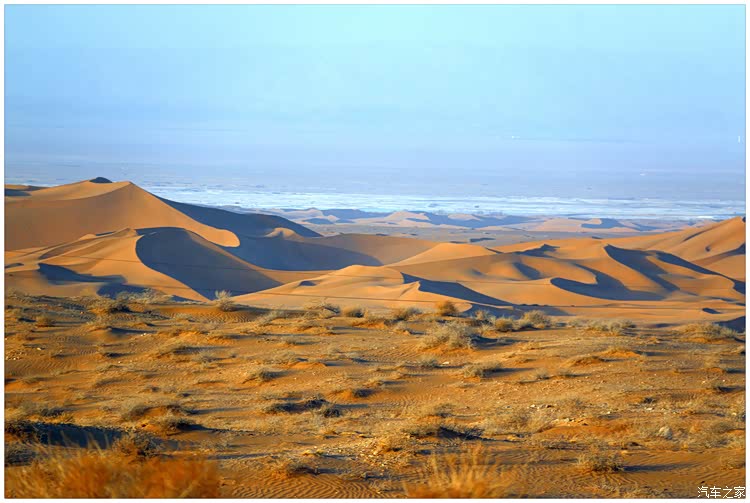
Gold Sand Bay is a desert recreation area on the outskirts of Wuhai, featuring golden sand dunes that stretch to the banks of the Yellow River. The unique "water-adjacent desert" landscape is one of the few places in China where desert meets a major river. Activities include sand sliding, camel riding, dune buggies, and camping under the stars.

★★★★ 4.3
🕐 08:00-19:00
🎫 30 yuan
🎭 Museum

Wuhai Museum

The Wuhai Museum traces the region's geological history, including the discovery of the "Wuhai Man" fossils, and documents the city's transformation from a coal town to a modern eco-city. Exhibits include fossils, mining artifacts, and displays on the local wine industry and ecological restoration efforts.

★★★★ 4.1
🕐 09:00-17:00 (Closed Mondays)
🎫 Free
⛩️ Temple

Manchuria Mountain

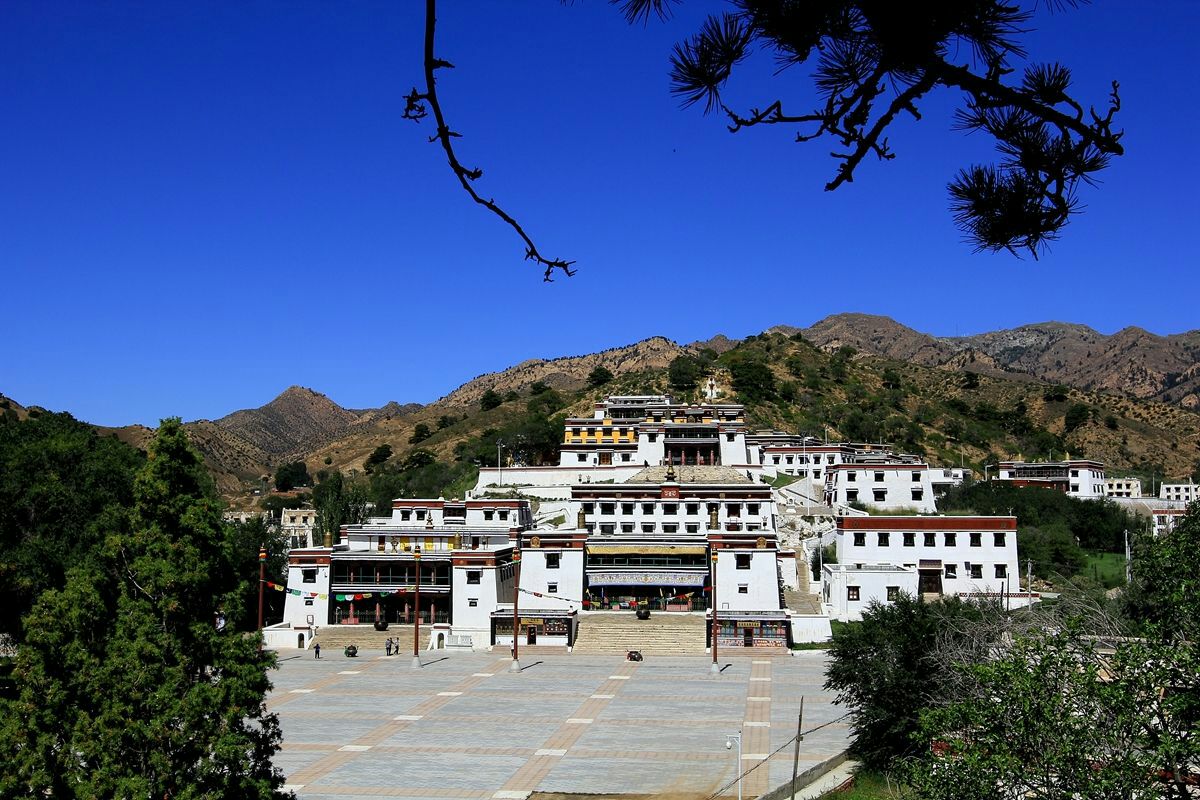
A Tibetan Buddhist monastery perched on a hillside with panoramic views of Wuhai and the Yellow River. The temple features colorful prayer flags, intricate Buddhist murals, and a peaceful meditation hall. It is an active religious site where visitors can observe traditional Buddhist practices.

★★★★ 4.2
🕐 08:00-17:00
🎫 Free

Food & Culture

Discover the culinary treasures of Wuhai, from traditional street food to imperial cuisine.

Things to Do

Boat Tour of Wuhai Canyon

Cruise through the spectacular red sandstone canyon carved by the Yellow River.

Wine Tasting

Visit local wineries and taste award-winning wines made from grapes grown in the desert.

Desert Adventure at Gold Sand Bay

Sand sliding, camel riding, and dune buggies at the unique river-adjacent desert.

Lakeside Cycling

Cycle along the scenic Wuhai Lake waterfront path with mountain and desert views.

Photograph Sunset Canyon

Capture the red canyon walls glowing gold during sunset over the Yellow River.

Suggested Itineraries

Wuhai Canyon & Wine Day

A day exploring Wuhai's dramatic canyon landscape and emerging wine culture.

  • Morning: Wuhai Canyon boat tour
  • Midday: Lakeside lunch with Yellow River fish
  • Afternoon: Winery tour and tasting
  • Evening: Gold Sand Bay sunset

Getting Around

✈️

Airport

Wuhai Airport has direct flights to Beijing, Shanghai, Xi'an, and Hohhot.

🚄

High-Speed Rail

Wuhai Railway Station is connected to the national rail network with direct trains to Hohhot, Beijing, and Lanzhou.

🚌

Bus Network

Public buses serve the urban area and connect to surrounding counties. Taxis are affordable for city travel.

🚕

Taxi & Rideshare

Available throughout the city

Best Time to Visit

🌸

Spring

Apr - May

★★★☆☆

Mild temperatures, occasional wind. The desert edges begin to bloom. Fewer tourists.

  • Wildflowers
  • Comfortable temperatures
☀️

Summer

Jun - Aug

★★★★☆

Hot (30-35°C) with strong sun. Best for water activities on Wuhai Lake. Morning and evening are best for outdoor exploration.

  • Lake activities
  • Wine festivals
  • Long daylight
🍂

Autumn

Sep - Oct

★★★★★

Perfect weather with warm days and cool nights. Grape harvest season. Ideal for winery visits and canyon hikes.

  • Harvest season
  • Best weather
  • Wine tasting
❄️

Winter

Nov - Mar

★★☆☆☆

Cold and dry (-10 to 5°C). The canyon and lake have a stark beauty in winter. Very few tourists.

  • Quiet scenery
  • Winter photography

Continue Exploring China

Discover more cities, food guides, and travel inspiration.