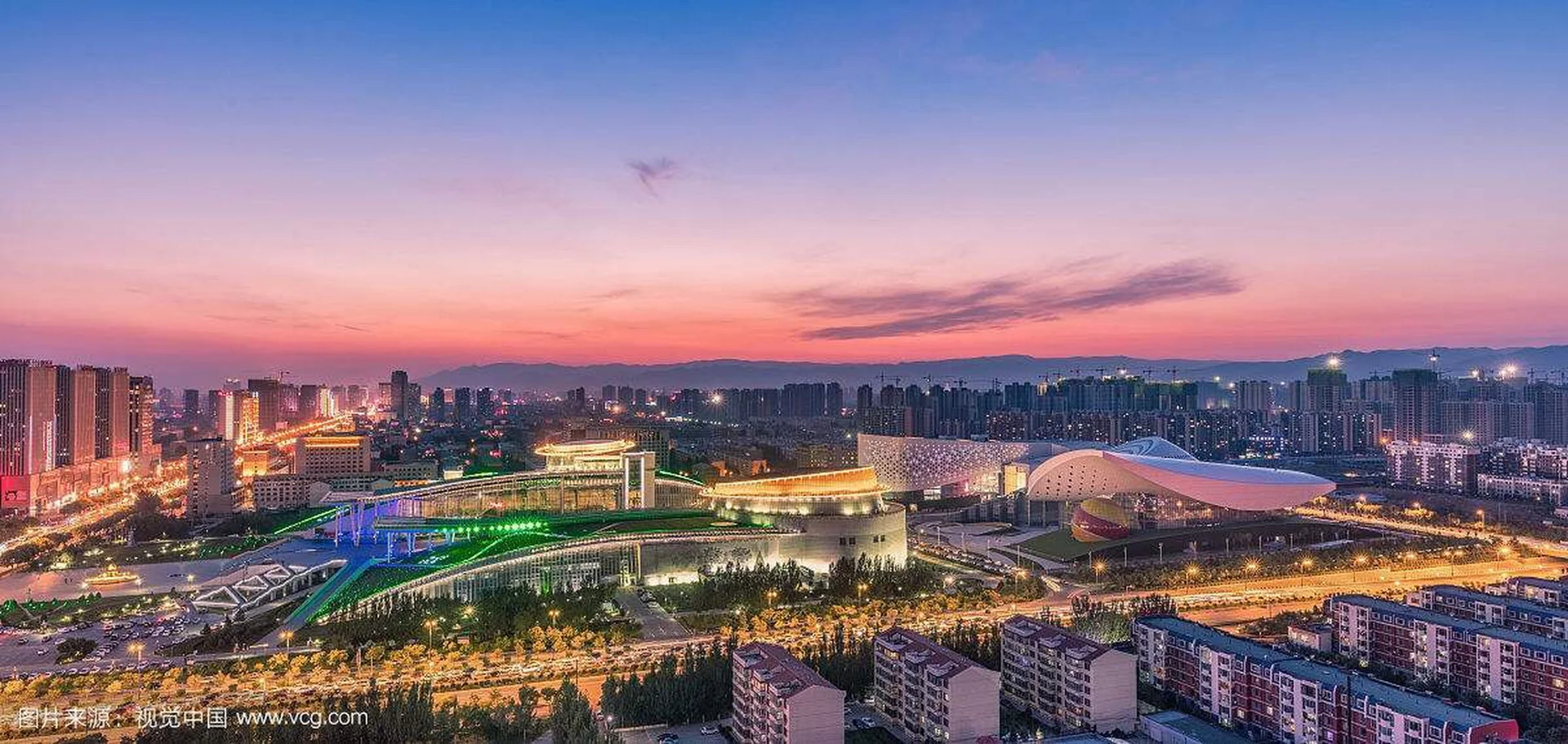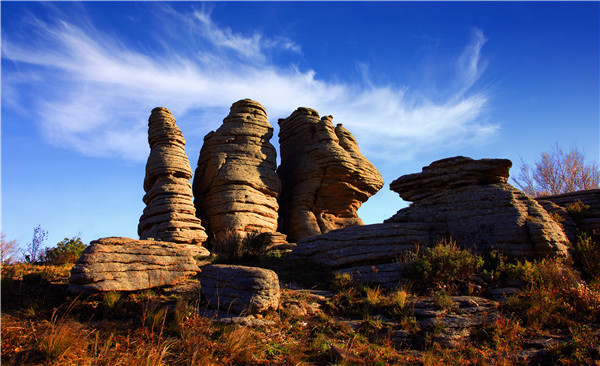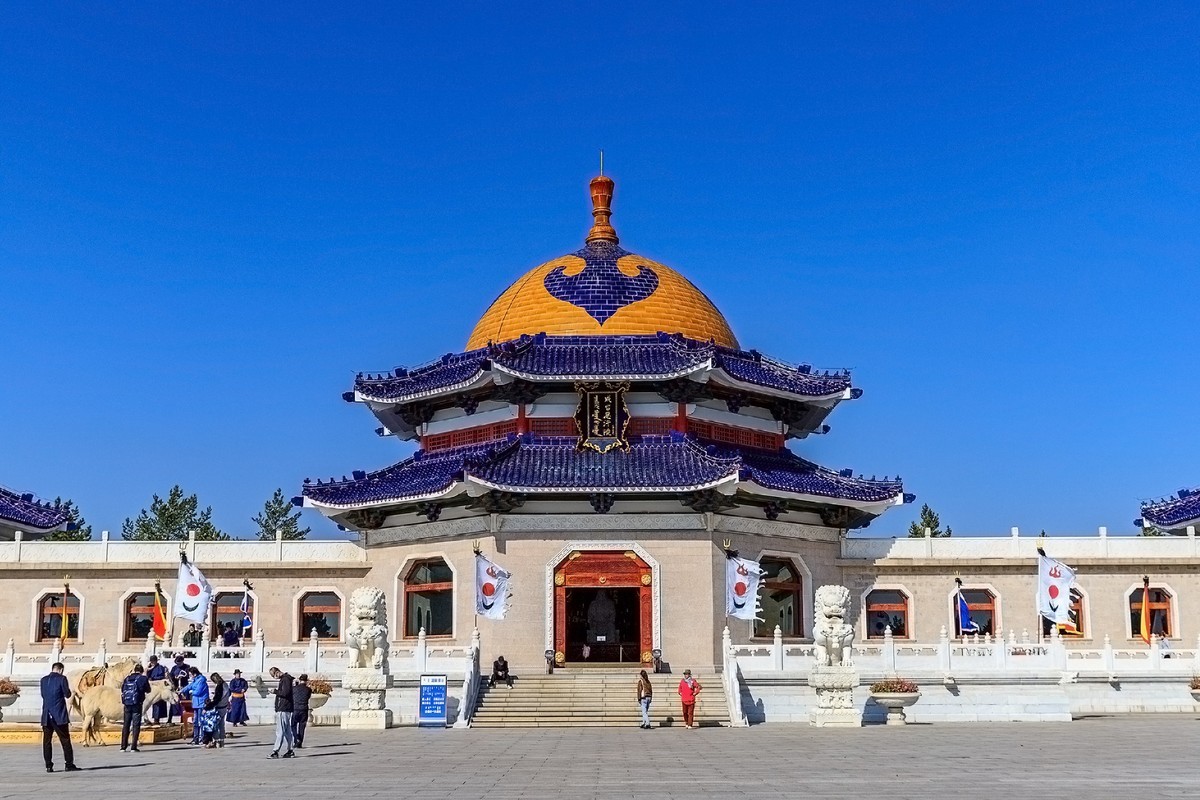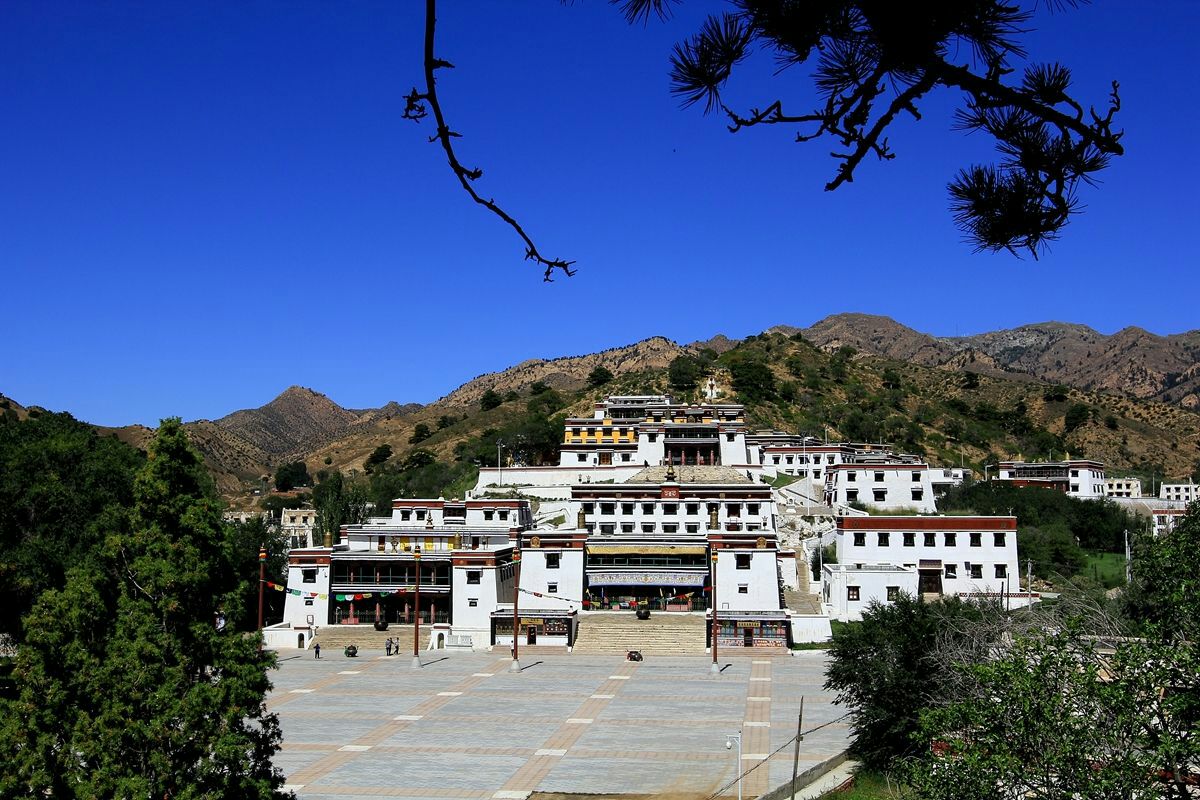
Hulunbuir city skyline and landmarks (呼伦贝尔) - Travel China Guide

Hulunbuir Travel Guide

The crown jewel of Inner Mongolia's grasslands, Hulunbuir is home to the world's largest prairie and a vibrant tapestry of Mongolian nomadic culture, pristine lakes, and boundless horizons.

About

Located in the northeastern corner of Inner Mongolia, Hulunbuir is one of China's largest prefecture-level cities by area, covering 253,000 square kilometers — roughly the size of the United Kingdom. Its name derives from two of its most famous lakes, Hulun and Buir.

The city's heart and soul is the Hulunbuir Grassland, an endless expanse of rolling green prairie that stretches to the horizon in every direction. This is the homeland of Mongolian herders who still practice traditional nomadic lifestyles, moving their livestock between seasonal pastures as their ancestors have done for millennia.

Hulunbuir's natural wealth extends beyond grasslands. The region encompasses dense forests in the Greater Khingan Range, vast wetlands along the Ergun River, and the shores of Hulun Lake. This diversity of ecosystems supports an extraordinary variety of wildlife, including red-crowned cranes, swans, and Mongolian gazelles.

The cultural landscape is equally rich. Hulunbuir is home to the highest concentration of ethnic Mongolians in China, and their traditions — from throat singing and long-song folk music to the annual Naadam Festival — remain vibrant. The city of Hailar serves as the regional capital and gateway for travelers exploring the grasslands.

History & Development

The Hulunbuir region has been inhabited by nomadic peoples for thousands of years. It was the homeland of various steppe tribes including the Xiongnu, Xianbei, and Khitan before becoming the birthplace of the Mongol Empire. The area is deeply connected to Genghis Khan's early life and unification of the Mongol tribes.

During the Qing Dynasty, Hulunbuir was organized as part of the Eight Banners system, with Mongol nobles governing the area. Russian influence grew in the late 19th century with the construction of the Chinese Eastern Railway, which passed through Manzhouli and Hailar.

In the 20th century, Hulunbuir became a significant border region between China and the Soviet Union. The city of Manzhouli developed into China's most important land port for trade with Russia. Since the 1990s, the region has opened up to tourism, with the grasslands becoming a major domestic and international destination.

Today, Hulunbuir balances traditional nomadic culture with modern development. Ecological conservation has become a priority, with efforts to protect the grasslands from overgrazing and desertification while promoting sustainable tourism.

Economy & Industries

Hulunbuir's economy is traditionally based on animal husbandry, with sheep, cattle, and horse farming forming the backbone of rural livelihoods. The region is one of China's most important livestock production bases, known for high-quality lamb, beef, and dairy products.

Tourism has grown rapidly as the primary economic driver, with the grasslands, wetlands, and border culture attracting millions of visitors annually. The Naadam Festival and other cultural events draw both domestic and international tourists.

Mining also plays a significant role, with substantial coal reserves in the region. However, environmental concerns have led to tighter regulations. Forestry in the Greater Khingan Range contributes to the economy, along with a growing renewable energy sector.

Agriculture in the limited arable areas focuses on cold-resistant crops such as wheat, rapeseed, and potatoes, as well as greenhouse vegetable production.

Top Attractions

🏔️ Nature

Hulunbuir Grassland

Hulunbuir Grassland is the world's largest and best-preserved prairie, spanning over 100,000 square kilometers of rolling green hills, wildflowers, and grazing herds. Named after Hulun and Buir lakes, this iconic landscape is the heartland of Mongolian nomadic culture. Visitors can stay in traditional Mongolian yurts (gers), ride horses across the endless steppe, and witness spectacular sunsets over the vast horizon.

★★★★ 4.9
🕐 All day
🎫 Free (scenic area fees vary)
🏔️ Nature

Hulun Lake

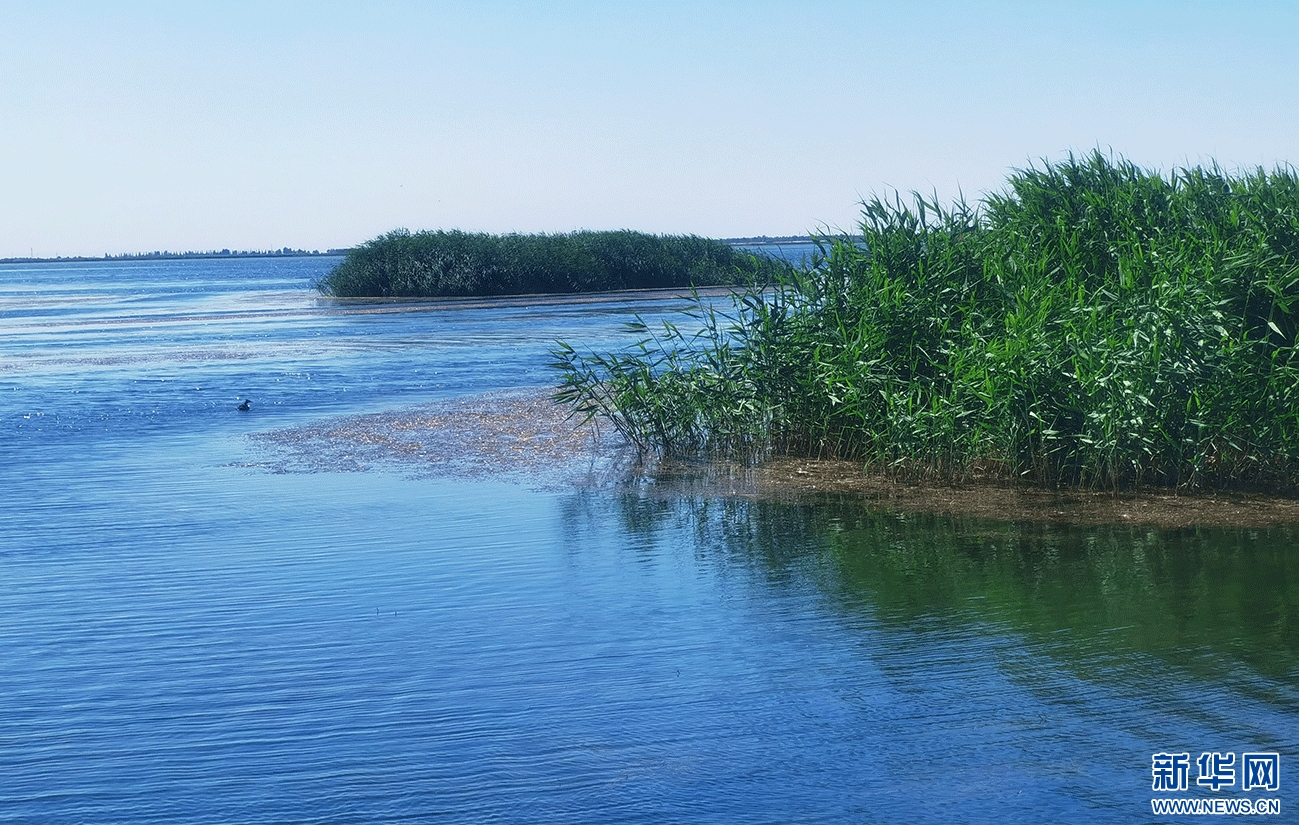
Hulun Lake is one of China's five largest freshwater lakes, covering an area of over 2,300 square kilometers. Known as the "Pearl of the Grassland," this vast body of water supports a rich ecosystem of fish, birds, and wildlife. The lake's shores offer breathtaking views where the blue waters meet the green grasslands under endless skies.

★★★★ 4.7
🕐 08:00-18:00
🎫 30 yuan
🏔️ Nature

Ergun Wetland

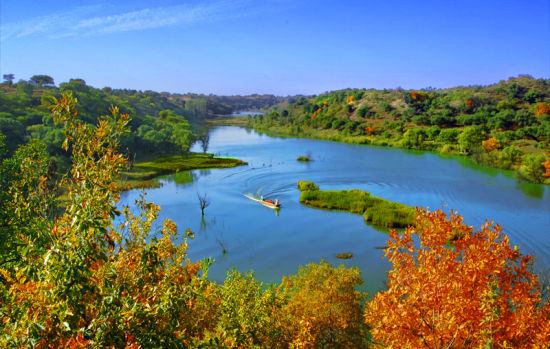
The Ergun Wetland is a vast and pristine wetland ecosystem located along the Ergun River on the China-Russia border. It is one of the largest and best-preserved wetlands in Asia, home to hundreds of bird species and diverse plant life. The boardwalk trails offer visitors panoramic views of the winding rivers, lush marshes, and distant hills.

★★★★ 4.8
🕐 08:00-17:30
🎫 65 yuan
🏔️ Nature

Ergun River

The Ergun River forms the natural border between China and Russia, winding gracefully through the northern Hulunbuir region. The river valley is famous for its idyllic pastoral scenes — herds of cattle and sheep graze on the banks, while traditional Mongolian tents dot the landscape. The river's name means "wide river" in Mongolian.

★★★★ 4.6
🕐 All day
🎫 Free
🏛️ Landmark

Genghis Khan Square

Located in the heart of Hailar, Hulunbuir's capital, Genghis Khan Square is the city's largest public square featuring a magnificent statue of Genghis Khan on horseback. The square is a popular gathering place for locals and hosts cultural events and festivals throughout the year, including performances of traditional Mongolian music and dance.

★★★★ 4.4
🕐 All day
🎫 Free
🏛️ Landmark

Manzhouli Border Gate

Manzhouli is China's busiest land port on the Russia-China border, and its grand border gate is a symbol of cross-border trade and friendship. The site includes a observation tower offering views into both countries, a railway crossing point for the Trans-Siberian Railway, and a museum documenting the history of China-Russia relations.

★★★★ 4.5
🕐 08:00-17:30
🎫 80 yuan

Food & Culture

Discover the culinary treasures of Hulunbuir, from traditional street food to imperial cuisine.

Things to Do

Ride Horses on the Grassland

Experience the freedom of galloping across the world's largest prairie, just as Mongolian nomads have done for centuries.

Stay in a Mongolian Yurt

Spend a night in a traditional ger (Mongolian yurt) and experience nomadic hospitality under the star-filled prairie sky.

🏔️

Visit the Ergun Wetlands

Walk the boardwalks through one of Asia's largest wetlands and spot rare migratory birds in their natural habitat.

Attend the Naadam Festival

If visiting in summer, witness the thrilling "Three Manly Games" — horse racing, wrestling, and archery — at this iconic Mongolian festival.

Cross-Border Day Trip to Manzhouli

Explore the bustling border city of Manzhouli with its Russian-influenced architecture, border gate, and vibrant trade markets.

Photograph the Prairie Sunset

The endless prairie horizon and ever-changing cloud formations create some of the most spectacular sunset photography in China.

Suggested Itineraries

Hulunbuir Grassland One-Day Highlights

A perfect one-day introduction to Hulunbuir's grassland culture, combining horseback riding, lake scenery, and authentic Mongolian cuisine.

  • Morning: Drive to Hulunbuir Grassland and horseback riding
  • Midday: Traditional Mongolian lunch at a local ger camp
  • Afternoon: Visit Hulun Lake and enjoy lakeside scenery
  • Evening: Roasted whole lamb dinner and bonfire party

Grassland & Border Explorer (2 Days)

An immersive two-day journey combining the vast Hulunbuir Grassland, pristine wetland ecosystems, and the unique cross-border culture of Manzhouli.

  • Day 1: Hulunbuir Grassland + Horseback riding + Yurt stay
  • Day 2: Ergun Wetland + Manzhouli Border Gate + Russian-style architecture
  • Optional: Prairie sunrise photography

Getting Around

✈️

Airport

Hulunbuir Hailar Airport (about 6km from city center) has direct flights to Beijing, Shanghai, Hohhot, and Harbin.

🚄

High-Speed Rail

Hailar Railway Station serves conventional and high-speed trains connecting to Hohhot, Harbin, Beijing, and Manzhouli.

🚌

Bus Network

Long-distance buses connect Hailar to all major towns in the region. Within the grassland, guided tours and private drivers are recommended.

🚕

Taxi & Rideshare

Available throughout the city

Best Time to Visit

🌸

Spring

May - Jun

★★★☆☆

Cool and windy with occasional rain. The grassland begins to turn green. Fewer tourists and lower prices.

  • Emerging greenery
  • Few tourists
  • Lower prices
☀️

Summer

Jul - Aug

★★★★★

Warm and pleasant (18-28°C). Peak tourist season with lush green grass, wildflowers in bloom, and the spectacular Naadam Festival.

  • Peak grassland scenery
  • Naadam Festival
  • Best weather
🍂

Autumn

Sep - Oct

★★★★☆

Crisp and clear with golden grasslands. Excellent for photography. Cool temperatures (5-18°C) with stunning autumn colors in the forests.

  • Golden grassland
  • Clear skies
  • Great photography
❄️

Winter

Nov - Apr

★★☆☆☆

Extremely cold (-30 to -10°C) with heavy snowfall. A true winter wonderland. Very few tourists. Some attractions may be inaccessible.

  • Snow-covered grassland
  • Winter photography
  • No crowds

Continue Exploring China

Discover more cities, food guides, and travel inspiration.