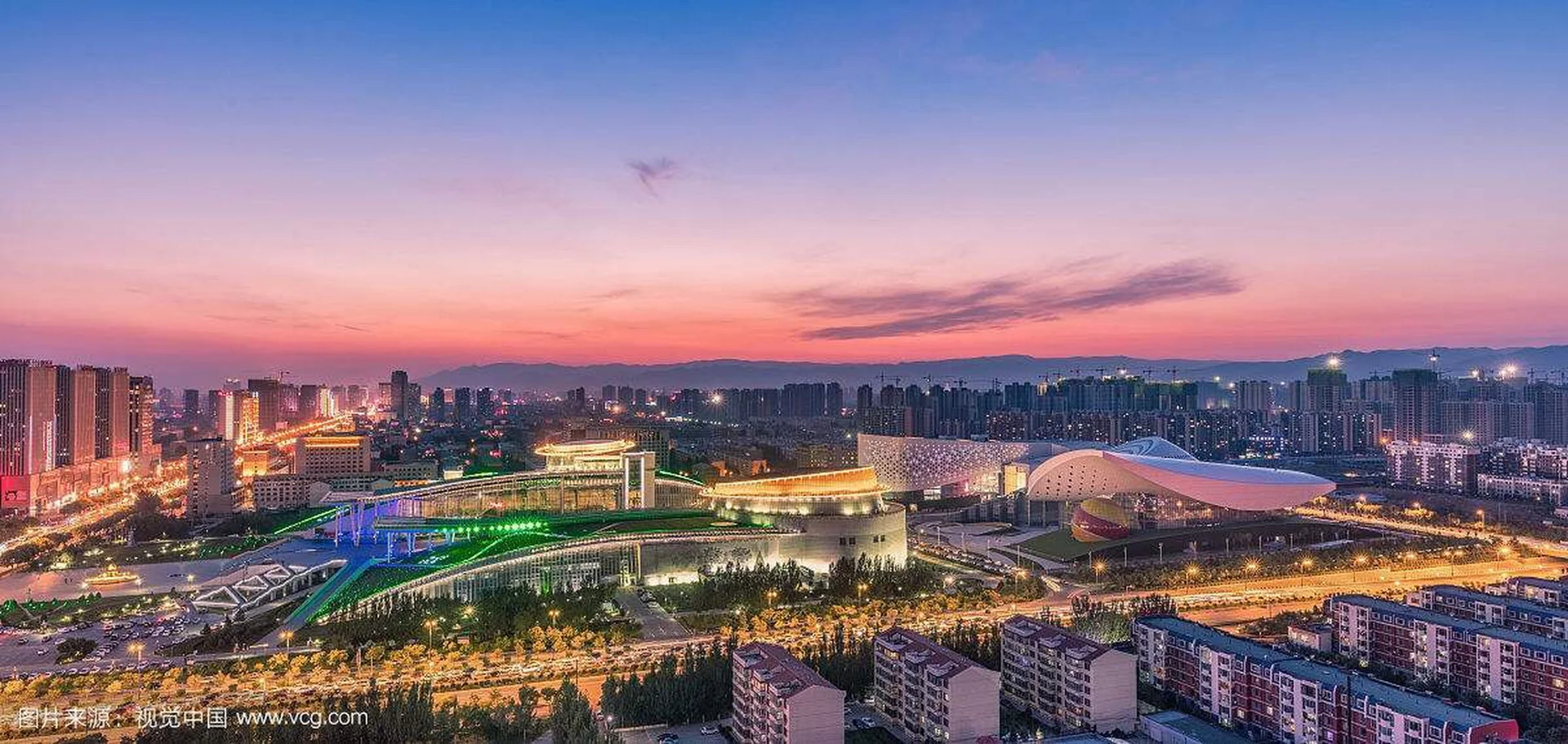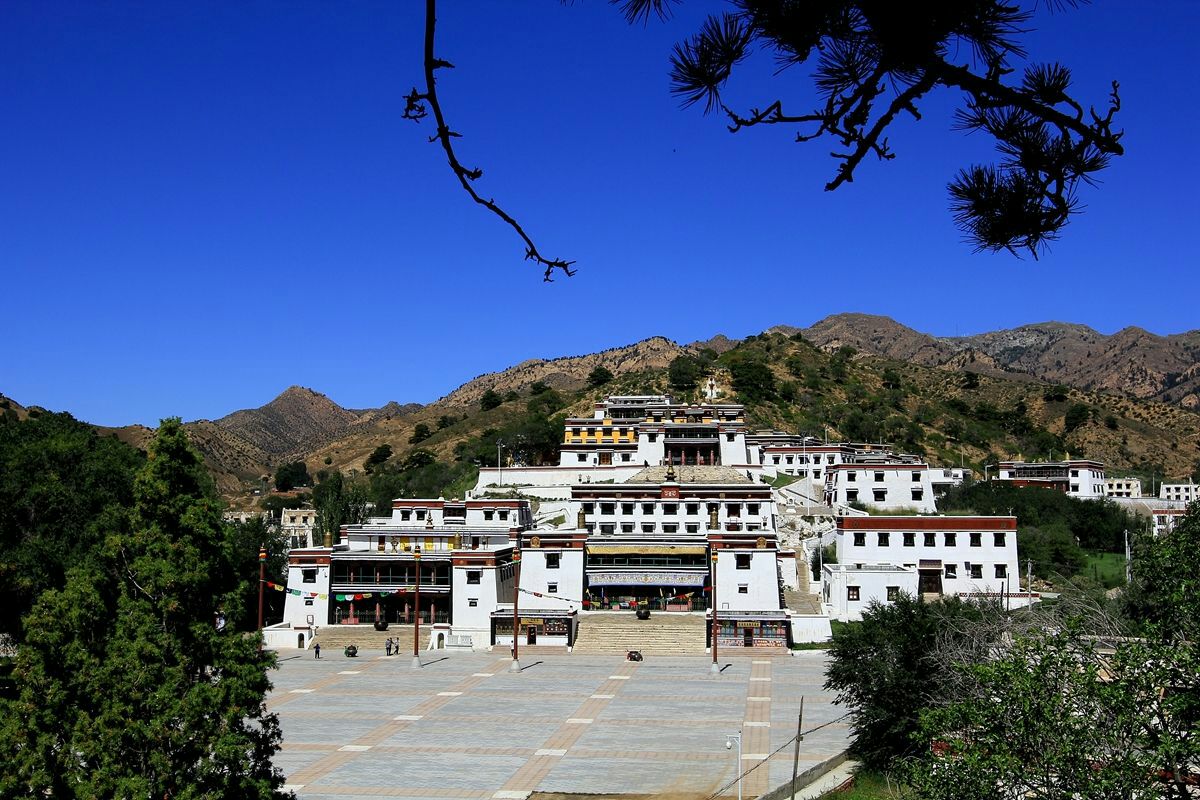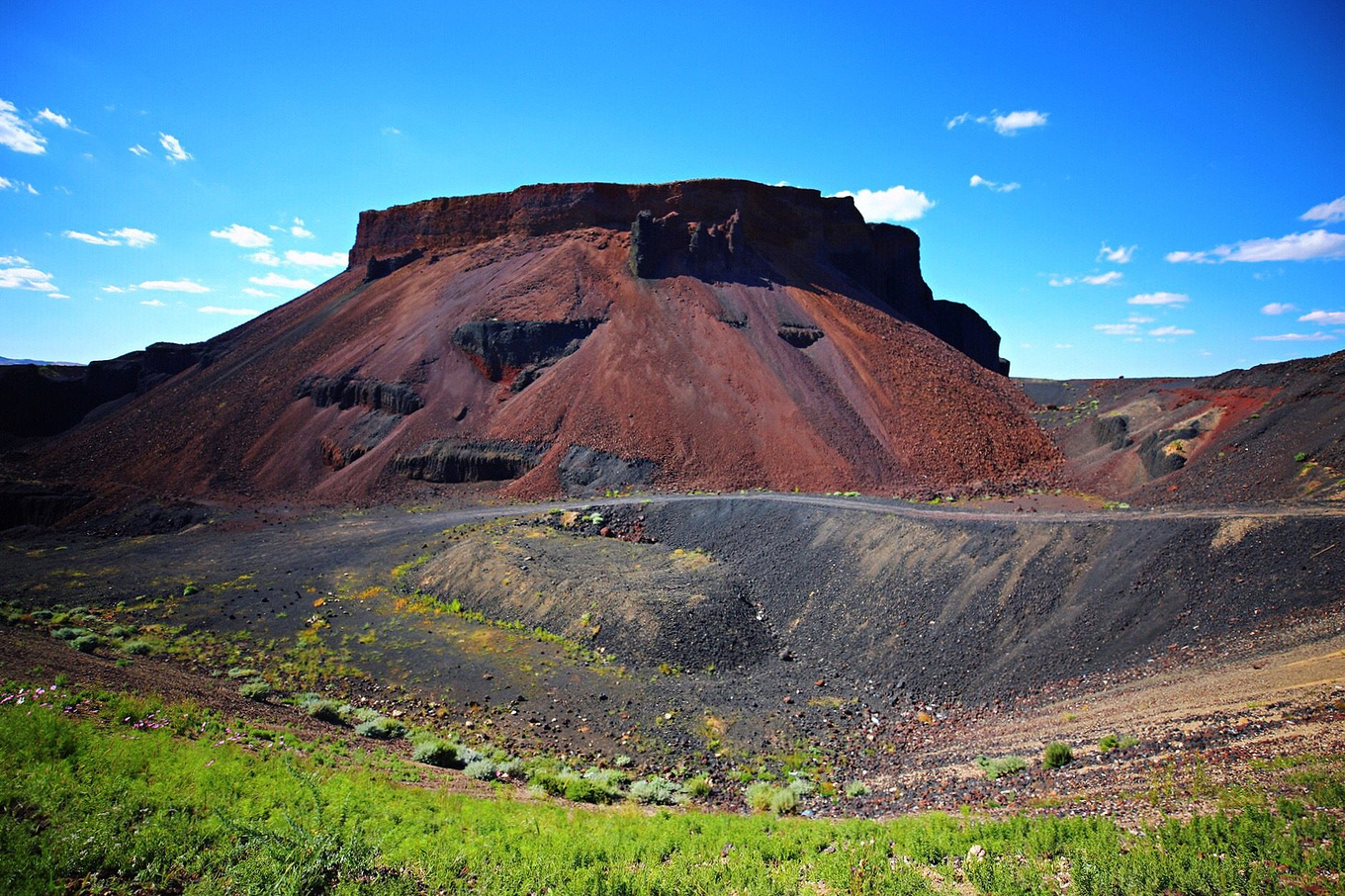
Tongliao city skyline and landmarks (通辽) - Travel China Guide

Tongliao Travel Guide

A vast Horqin grassland city where Mongolian nomadic traditions meet vibrant frontier culture, home to the legendary Horqin steppe and the birthplace of Mongolian heroic epic "Gesar".

About

Tongliao is a prefecture-level city in eastern Inner Mongolia, situated on the Horqin Grassland — one of China's four great grasslands. The city is an important transportation hub connecting Inner Mongolia with the northeastern provinces of Jilin and Liaoning.

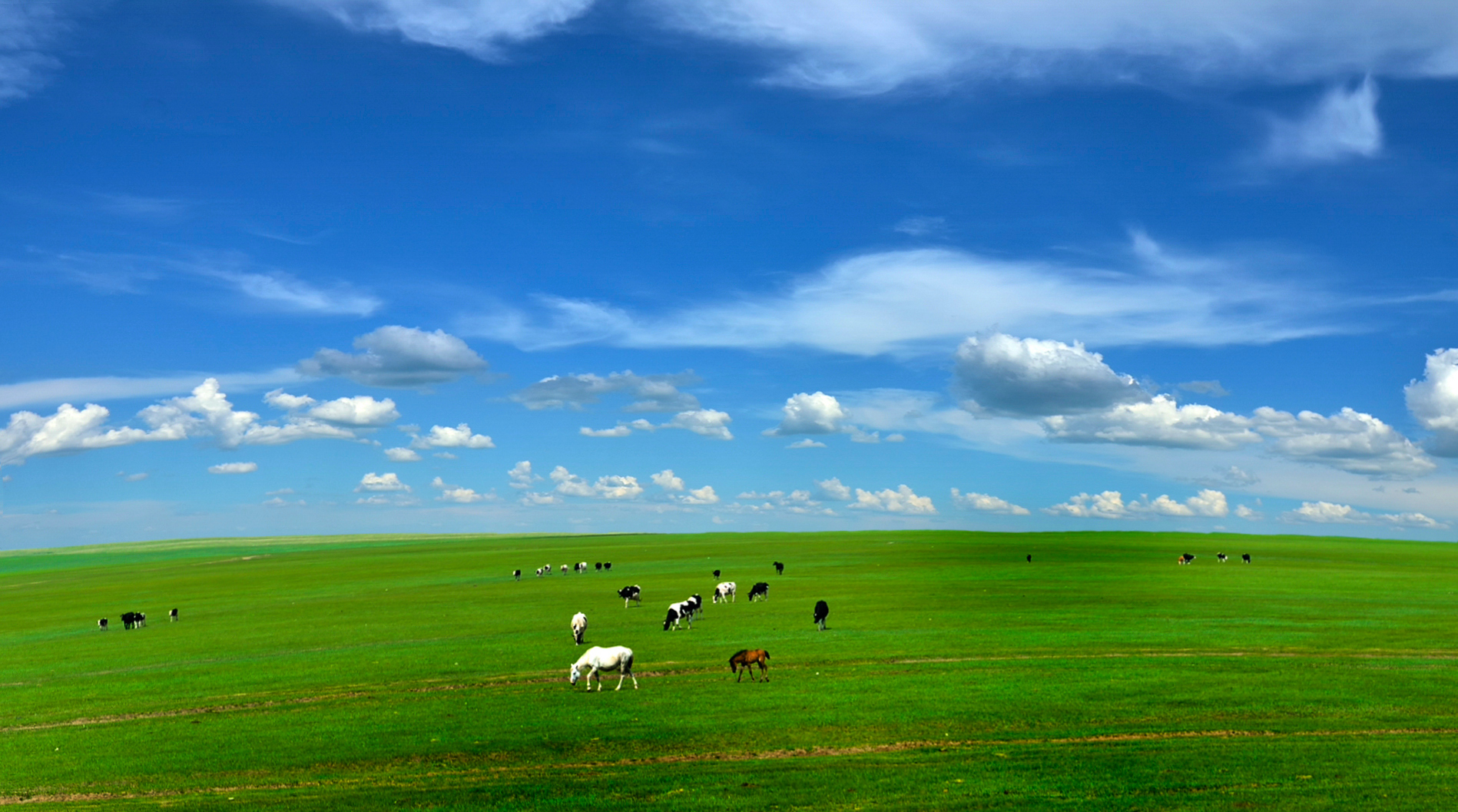
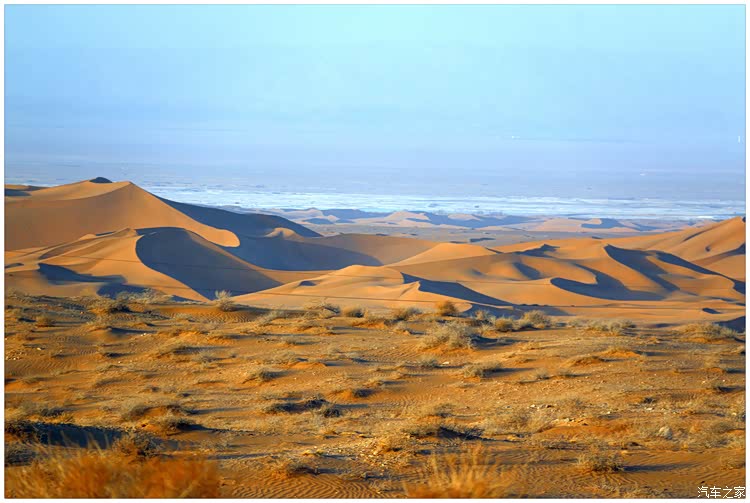
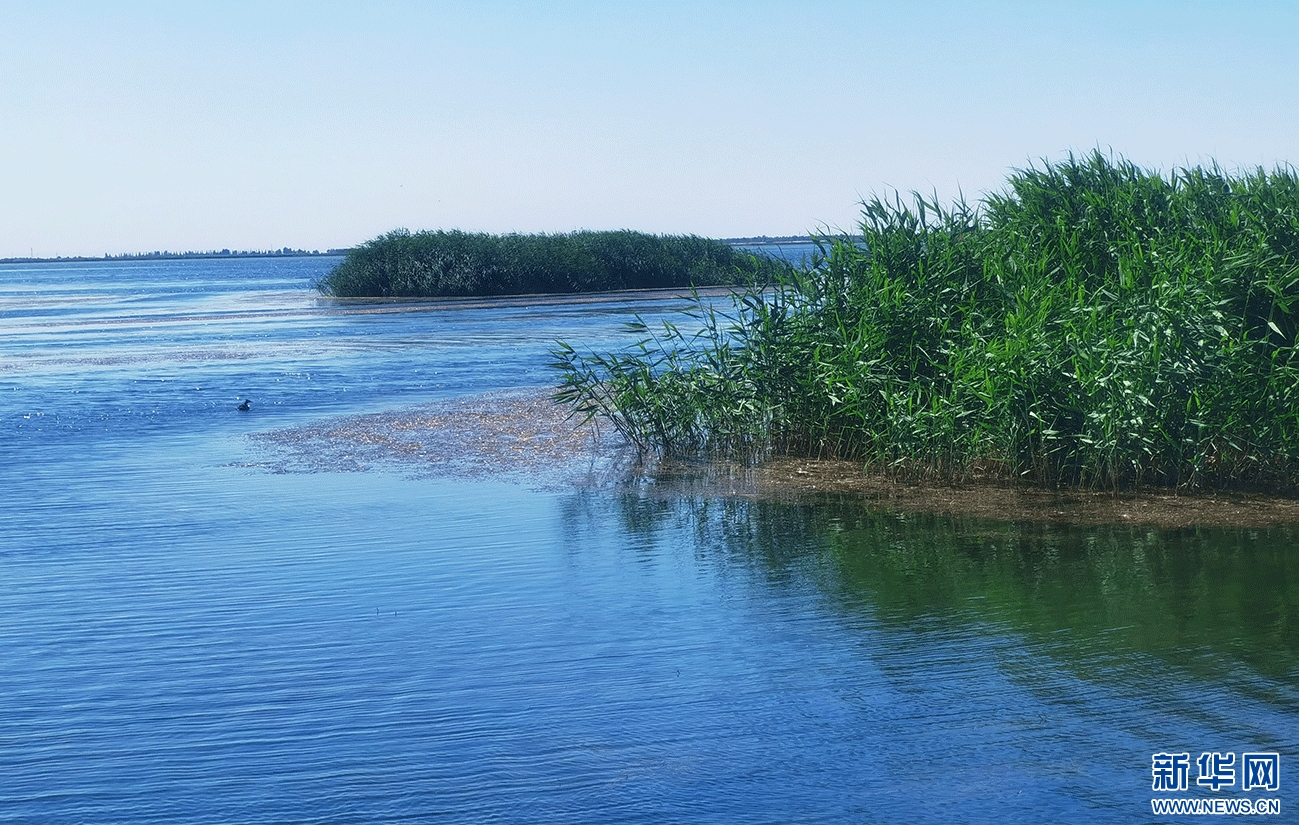
The Horqin Grassland gives Tongliao its distinctive character. Unlike the iconic flat, treeless grasslands of the Mongolian steppe, Horqin is a "sandy grassland" — a landscape of gentle dunes covered in grass, scattered with elm groves and wetlands. This unique ecosystem supports a rich diversity of plant and animal life and has shaped the nomadic culture of the region's Mongolian inhabitants.

Tongliao holds a special place in Mongolian cultural heritage. It is one of the birthplaces of the Gesar epic, the Mongolian version of the ancient Central Asian heroic saga, recognized by UNESCO as an Intangible Cultural Heritage of Humanity. The region's Mongolian communities maintain strong cultural traditions, including throat singing (höömii), long-song folk music, and the annual Nadam Festival.

The city proper and its surrounding banners are known for agricultural production — Tongliao is one of Inner Mongolia's main grain-producing areas, particularly known for buckwheat, corn, and sunflowers. The region also has substantial wind energy resources, with wind farms dotting the grassland landscape.

History & Development

The Tongliao area has been inhabited by nomadic peoples for millennia. During the Liao Dynasty (907-1125 AD), the region was part of the Khitan Empire's territory. The Mongol Empire later incorporated the area, and it became part of the Horqin Mongol banners during the Qing Dynasty.

The modern city of Tongliao developed as a railway town in the early 20th century, with the construction of the railway connecting it to the Northeast China railway network. The city was originally called "Zhelimu" and served as an administrative and commercial center for the surrounding banners.

After 1949, Tongliao grew as an agricultural and transportation hub. The city was renamed from Zhelimu League to Tongliao City in 1999 as part of administrative restructuring. In recent decades, the city has balanced economic development with ecological conservation of the fragile Horqin grassland ecosystem.

The Horqin grassland has faced desertification challenges due to overgrazing and climate change. Large-scale ecological restoration projects have been implemented to combat sand encroachment and restore the grassland ecosystem.

Economy & Industries

Tongliao's economy is primarily agricultural, with crop farming and animal husbandry as the main sectors. The city is one of Inner Mongolia's major grain producers, with corn, buckwheat, and sunflowers as primary crops. The Horqin Grassland supports extensive livestock farming, particularly sheep and cattle.

The city has developed food processing industries, including meat processing, dairy production, and flour milling. Wind energy has become an important sector, with the region's strong and consistent winds attracting major wind farm investments.

Coal mining also contributes to the economy, with several mines operating in the region. Transportation and logistics play a significant role due to Tongliao's strategic location connecting Inner Mongolia with the northeastern provinces. Tourism is developing around the Horqin Grassland and Daqinggou.

Top Attractions

🏔️ Nature

Horqin Grassland

The Horqin Grassland is one of China's four major grasslands, covering much of Tongliao's territory. Unlike the flat, treeless grasslands of Hulunbuir, Horqin features rolling dunes, scattered wetlands, and groves of elm trees — a unique "sandy grassland" landscape. The grassland is home to Mongolian herders who still practice traditional nomadic life. Visitors can ride horses, stay in yurts, and witness spectacular prairie sunsets.

★★★★ 4.6
🕐 All day
🎫 Free
🏔️ Nature

Daqinggou National Nature Reserve

Daqinggou is a spectacular forest gorge hidden within the Horqin Grassland. The valley, stretching 24 kilometers, contains a pristine forest ecosystem with over 700 plant species — a stark contrast to the surrounding arid grassland. Deep ravines, clear streams, and diverse wildlife make it a paradise for hikers and nature lovers. The reserve also protects the transition zone between grassland and forest ecosystems.

★★★★ 4.7
🕐 08:00-17:30
🎫 50 yuan
🎭 Museum

Zhelimu Museum

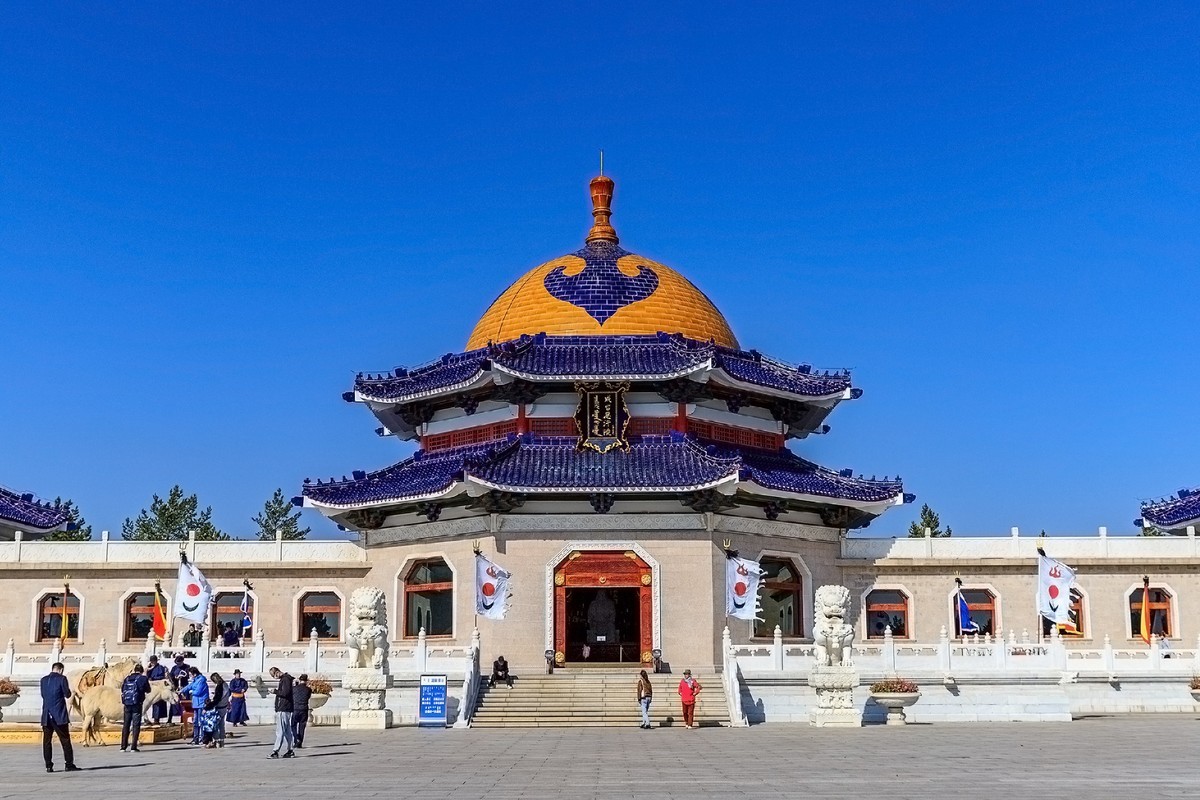
The Zhelimu Museum is Tongliao's premier cultural institution, showcasing the region's history from the Neolithic period through the Mongol Empire to modern times. Highlights include exquisite Mongolian silverware, traditional costumes, and artifacts related to the Gesar epic. The museum building itself is inspired by traditional Mongolian architecture with its rounded roof and decorative patterns.

★★★★ 4.4
🕐 09:00-17:00 (Closed Mondays)
🎫 Free
🏔️ Nature

Monkey Rock Mountain

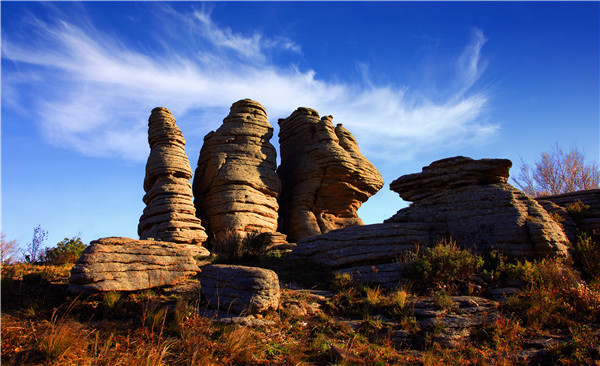
A distinctive mountain formation in the Horqin region featuring a natural rock that resembles a monkey's head. The area combines grassland, rocky outcrops, and unique desert-shrub vegetation. Hiking trails lead to panoramic viewpoints overlooking the vast Horqin landscape. Local legends tell stories of the stone monkey guarding the grassland.

★★★★ 4
🕐 All day
🎫 Free
🏛️ Landmark

Aobao Mountain Scenic Area

A sacred Mongolian ritual site centered around a traditional stone cairn (aobao). The mountain offers panoramic views of Tongliao city and the surrounding grassland. During traditional festivals, Mongolians gather here for worship ceremonies, horse racing, and archery competitions.

★★★★ 4.2
🕐 All day
🎫 Free

Food & Culture

Discover the culinary treasures of Tongliao, from traditional street food to imperial cuisine.

Things to Do

🏔️

Explore Horqin Grassland

Ride horses across the rolling sandy grassland and experience traditional Mongolian nomadic life.

Hike Daqinggou

Walk through a stunning forest gorge hidden in the vast grassland, a unique ecosystem of lush greenery.

Visit the Zhelimu Museum

Discover Mongolian history, silverware, and artifacts from the Gesar epic.

Attend a Nadam Festival

If visiting in summer, witness traditional Mongolian horse racing, wrestling, and archery.

🍴

Taste Local Dairy Products

Try traditional Mongolian dairy delights including fermented milk, dried curds, and creamy yogurt.

Suggested Itineraries

Tongliao Grassland Discovery

A one-day immersion into Tongliao's grassland culture and unique forest gorge.

  • Morning: Horqin Grassland horseback riding
  • Midday: Traditional Mongolian lunch at a yurt camp
  • Afternoon: Daqinggou forest hike
  • Evening: Roasted lamb leg dinner

Getting Around

✈️

Airport

Tongliao Airport has direct flights to Beijing, Hohhot, and other major cities in the region.

🚄

High-Speed Rail

Tongliao Railway Station is on the Beijing-Tongliao railway line with connections to Shenyang, Changchun, and Hohhot.

🚌

Bus Network

Long-distance buses connect Tongliao to all banners and neighboring cities. Local buses serve the urban area.

🚕

Taxi & Rideshare

Available throughout the city

Best Time to Visit

🌸

Spring

Apr - May

★★★☆☆

Cool and windy. The grassland turns green gradually. Occasional sandstorms. Fewer tourists.

  • Greening grassland
  • Migratory birds
☀️

Summer

Jun - Aug

★★★★★

Warm and pleasant, the best time for grassland travel. Lush green pastures, comfortable temperatures (20-28°C), and the Nadam Festival.

  • Lush grassland
  • Nadam Festival
  • Comfortable weather
🍂

Autumn

Sep - Oct

★★★★☆

Golden grasslands and comfortable temperatures. Harvest season. Good for photography.

  • Golden scenery
  • Harvest season
  • Photography
❄️

Winter

Nov - Mar

★★☆☆☆

Cold and dry (-15 to 0°C). Snow-covered landscape. Very few tourists.

  • Snow scenery
  • No crowds

Continue Exploring China

Discover more cities, food guides, and travel inspiration.