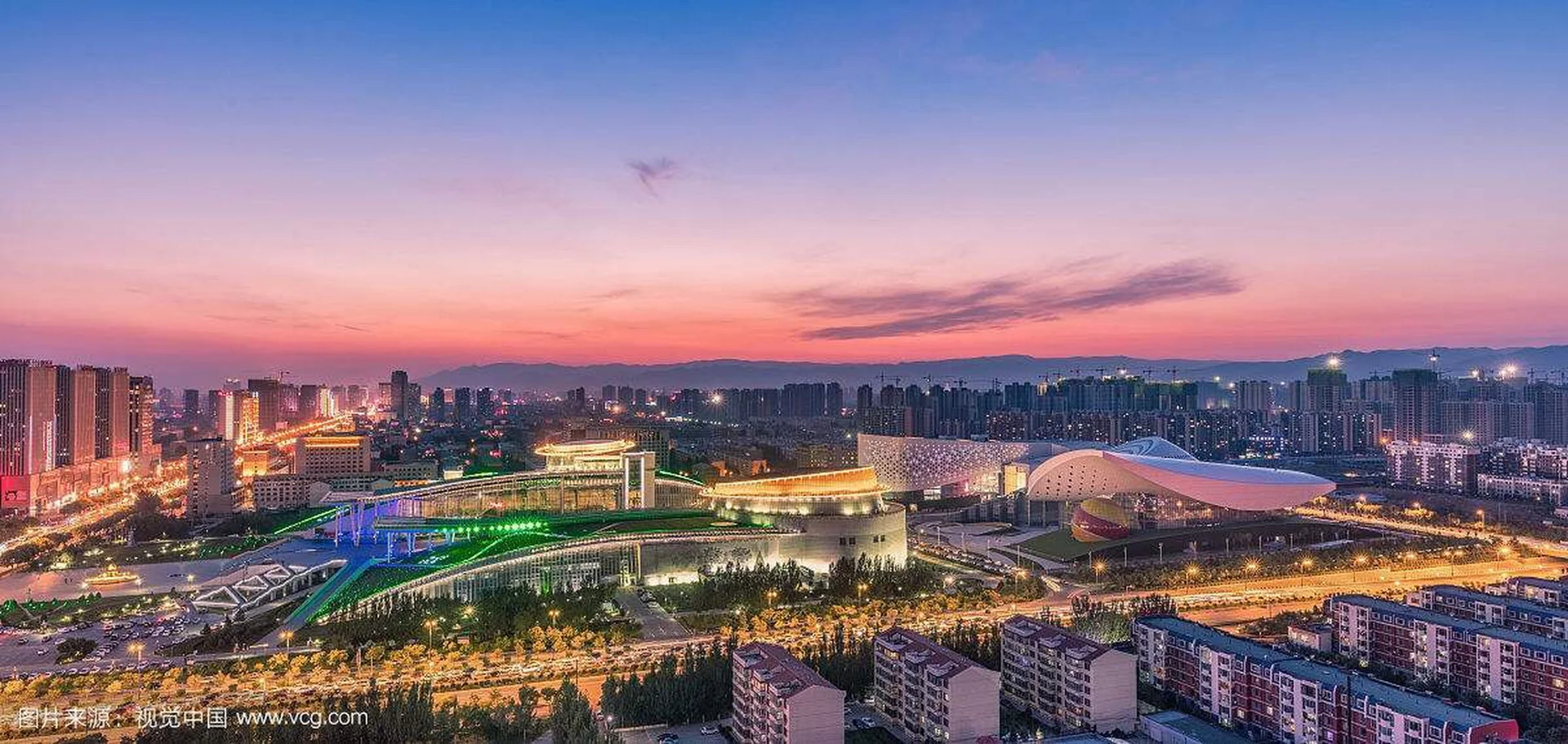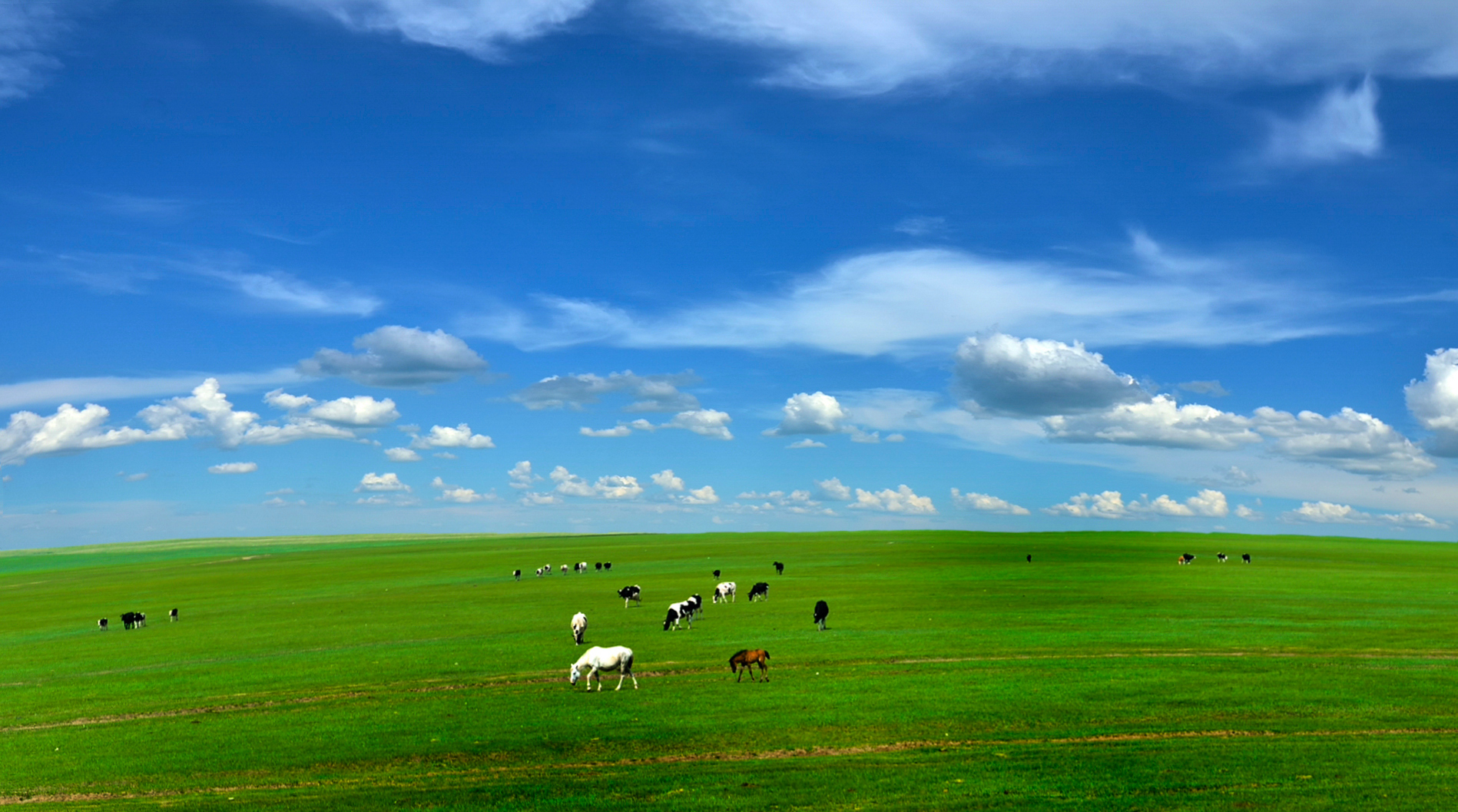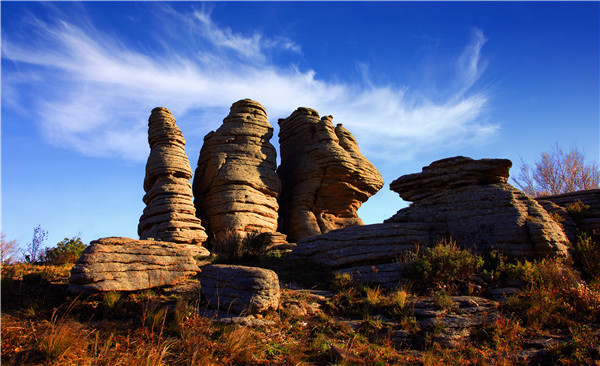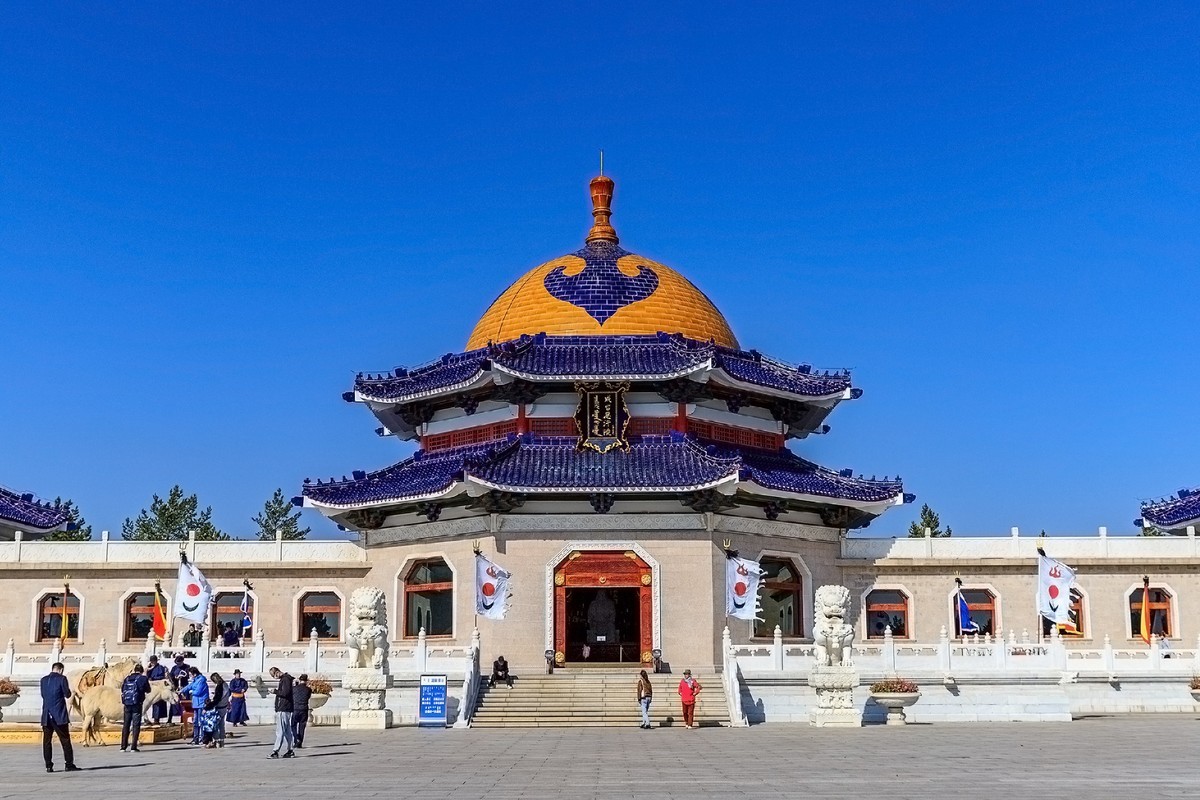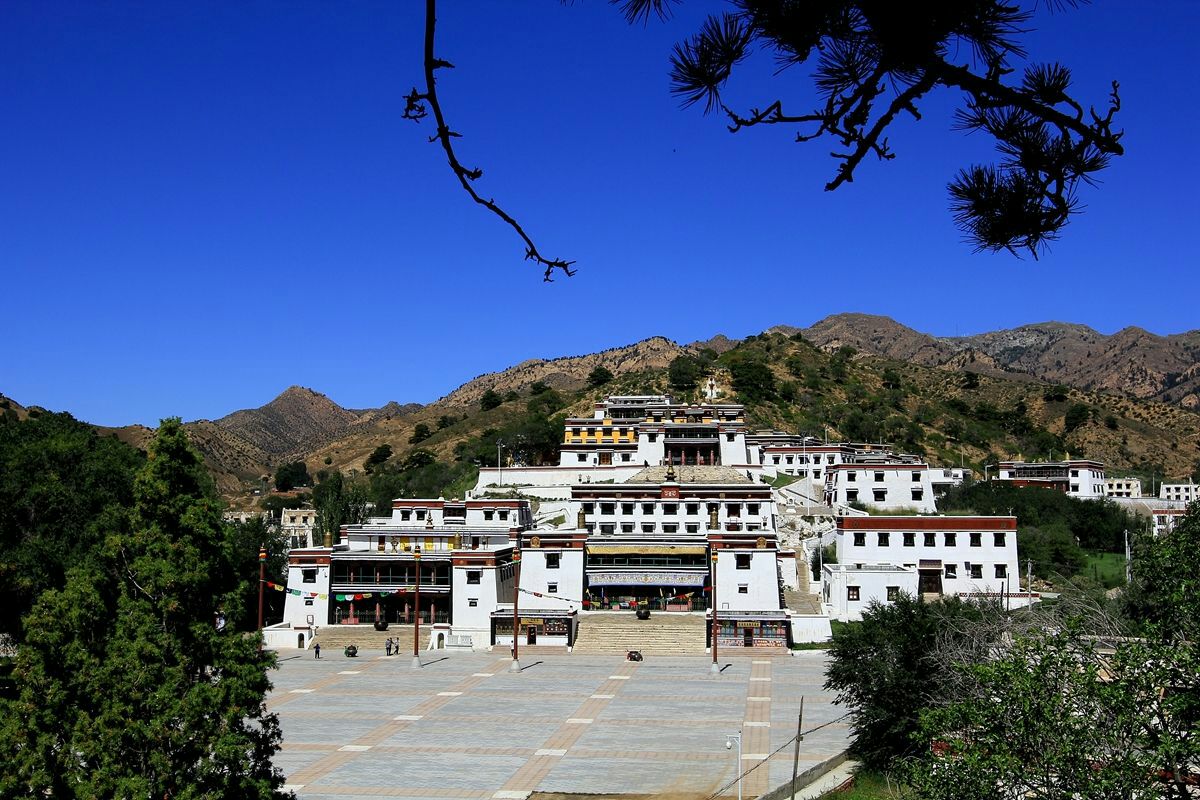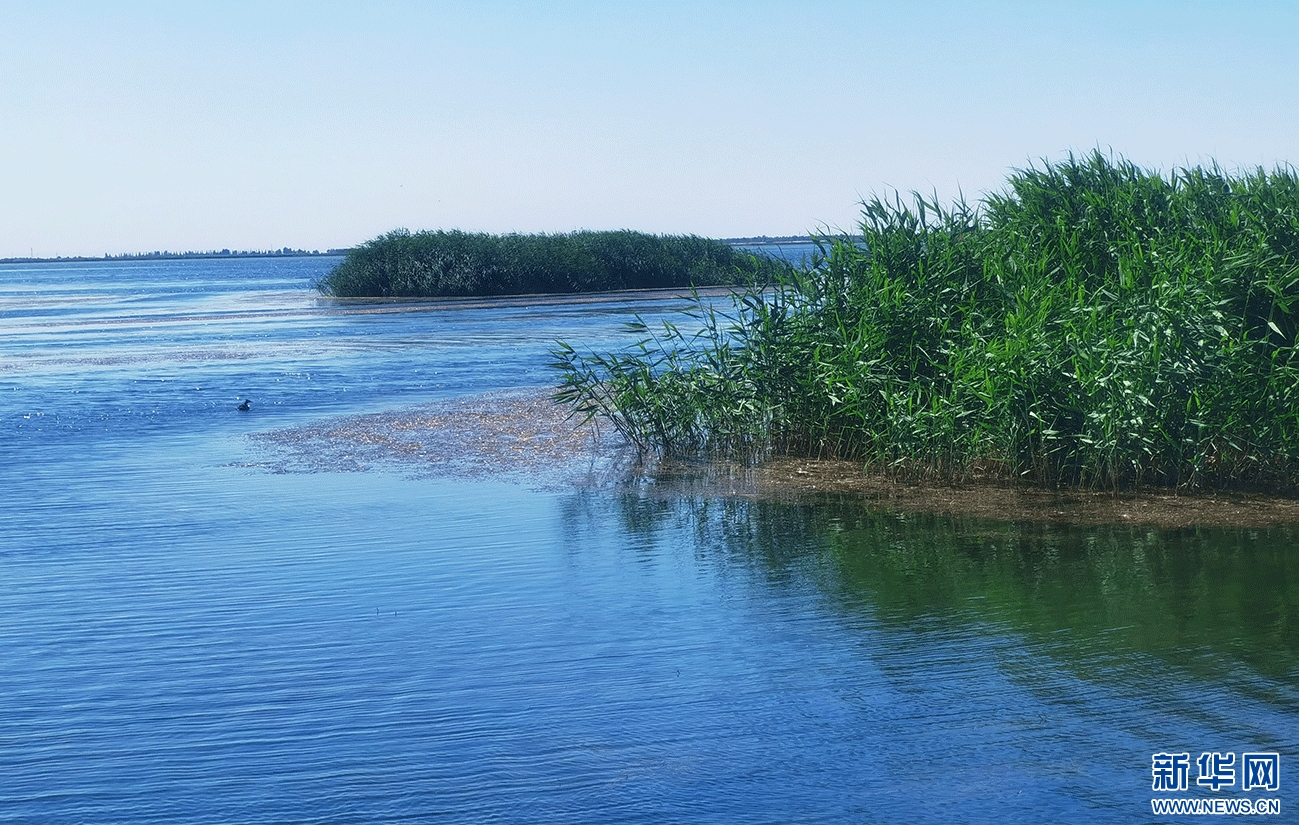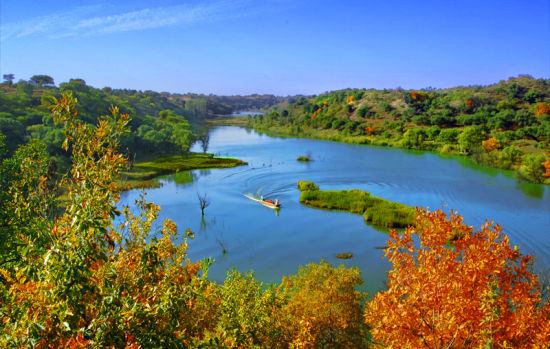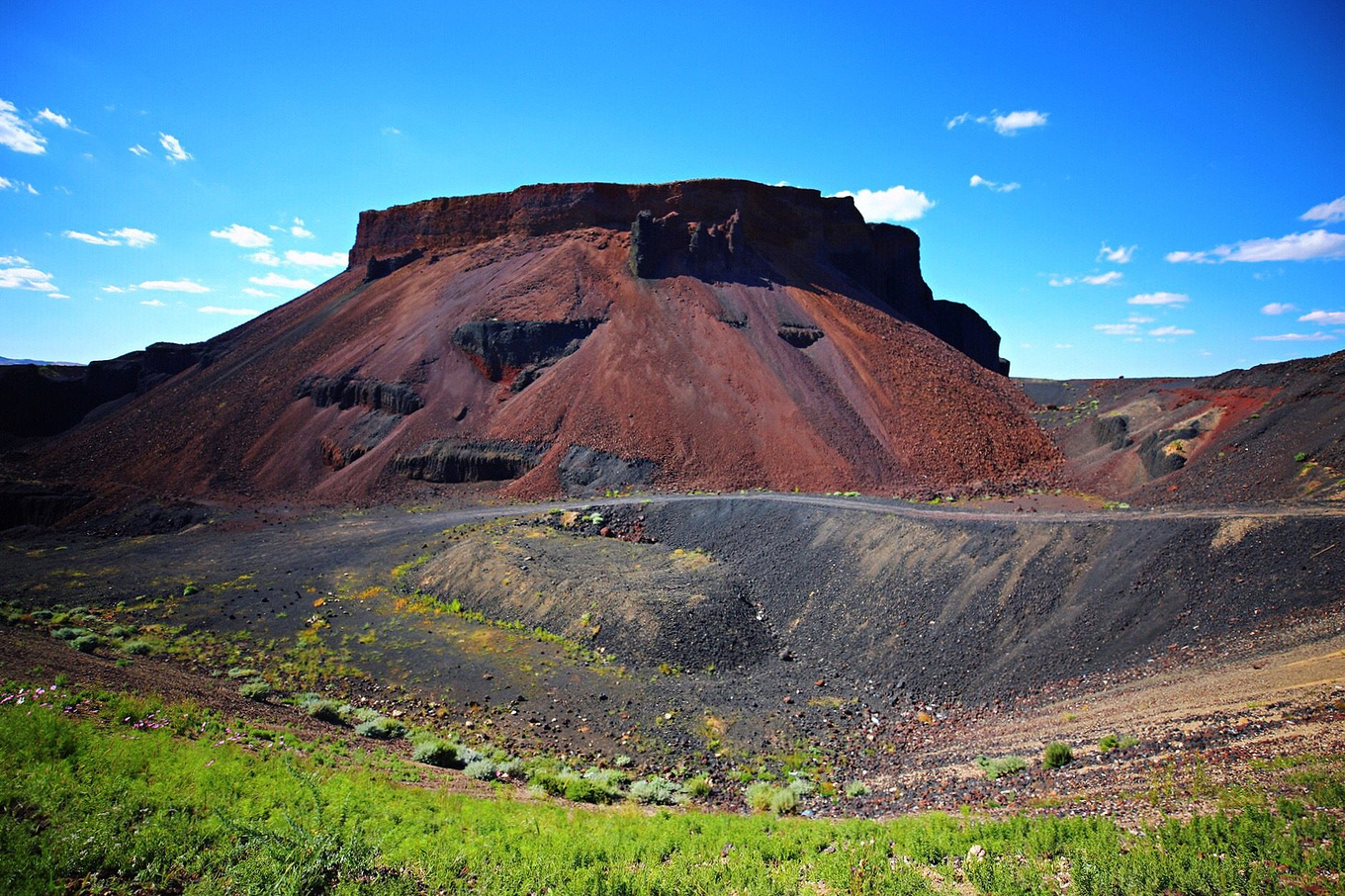
Alxa city skyline and landmarks (阿拉善盟) - Travel China Guide

Alxa Travel Guide

A land of extremes where the vast Badain Jaran Desert with its singing sand dunes meets ancient monasteries, camel caravans, and some of the most otherworldly landscapes on Earth.

About

Alxa (also spelled Alashan) is a league (prefecture-level division) in western Inner Mongolia, covering an enormous area of 270,000 square kilometers — roughly the size of New Zealand — with a population of only 250,000, making it one of the most sparsely populated regions in China.

The league's territory is dominated by three great deserts: the Badain Jaran in the west, the Tengger in the east, and the Ulan Buh in the southeast. Between these deserts lie the Helan Mountains, which provide a dramatic contrast of forested peaks rising from the desert plains.

The Badain Jaran Desert is the crown jewel of Alxa. It contains the world's tallest stationary sand dunes, with some reaching 500 meters in height. Between these massive dunes lie over 100 lakes, ranging from freshwater to hypersaline, some with striking colors caused by algae and minerals. The desert's "singing sand" phenomenon — a low, resonant hum produced by sliding sand — is one of the world's great natural sound phenomena.

Alxa is also a land of profound history. The Heicheng (Khara-Khoto) ruins are the remains of a thriving Silk Road city that was abandoned and buried by the desert. The Ejina Poplar Forest, along the Heihe River, is famous for the annual golden autumn display that draws photographers from across China.

The region's economy is deeply tied to the desert — camel herding, desert tourism, and the extraction of salt and other minerals. Alxa is also China's primary source of high-quality camel milk and meat.

History & Development

The Alxa region has been inhabited since prehistoric times, as evidenced by thousands of rock carvings found throughout the area. During the Western Xia (Tangut) Dynasty (1038-1227 AD), the region was an important frontier territory. The Tangut built Heicheng (Khara-Khoto) as a fortress and trading post on the Silk Road.

The Mongols conquered the region under Genghis Khan in the early 13th century. Heicheng continued to flourish under Mongol rule, but was eventually abandoned in the late 14th century after the Ming Dynasty took control and the Silk Road declined. The encroaching desert gradually buried the city.

During the Qing Dynasty, the Alxa region was organized under the Alxa and Ejina Mongol banners, a system that continued into the 20th century. The league was formally established in 1980.

In modern times, Alxa has become an important center for desert scientific research, particularly in desertification control and sand dune stabilization. The region's unique landscapes have also made it a filming location for several Chinese and international films.

Economy & Industries

Alxa's economy is specialized and adapted to its extreme desert environment. Camel husbandry is a signature industry — Alxa is China's largest camel-raising region, known for high-quality camel milk, meat, and wool. The Alxa Bactrian camel is a famous local breed.

Mineral extraction is significant, including salt, gypsum, and various ores. The league has China's largest high-quality dolomite deposits. Tourism has grown dramatically, with the photogenic poplar forest and the otherworldly Badain Jaran dunes attracting visitors from around the world.

Desert agriculture in irrigated areas produces melons, desert dates, and sunflowers. Wind and solar energy projects are expanding, capitalizing on the region's abundant sun and consistent winds.

Top Attractions

🏔️ Nature

Badain Jaran Desert

The Badain Jaran Desert is China's third-largest desert and one of the world's most extraordinary desert landscapes. Its most remarkable feature is the tallest stationary sand dunes on Earth, with some exceeding 500 meters in height. Between these giant dunes lie over 100 lakes, ranging from freshwater to hypersaline, creating a surreal scene of blue water surrounded by golden sand. The desert is also famous for its "singing sand" phenomenon — when sand slides down the dunes, it produces a low, resonant hum that can be heard from kilometers away.

★★★★ 4.9
🕐 All day (guided tours recommended)
🎫 220 yuan (park entrance)
🏔️ Nature

Alxa Desert Geopark

The Alxa Desert Geopark is a UNESCO Global Geopark that encompasses the unique desert, gobi, and sandstone landscapes of the Alxa region. The park is divided into several scenic areas, including the Badain Jaran Desert, Tengger Desert, and the Heishan Rock Art area. The geological diversity is extraordinary — from towering sand dunes to stark gobi plains, from colorful sandstone formations to ancient petroglyphs.

★★★★ 4.8
🕐 All day
🎫 Free (separate scenic area fees)
🏛️ Landmark

Heicheng (Khara-Khoto)

Heicheng, meaning "Black City," is the ruins of an ancient Tangut and Mongol citadel located in the desert of western Alxa. Founded in the 11th century during the Western Xia (Tangut) Dynasty, the city later fell to the Mongols and was a key stop on the Silk Road. The city was abandoned in the 14th century and gradually buried by the encroaching desert. Today, its crumbling walls, pagodas, and ancient streets rise from the sand, creating one of China's most atmospheric archaeological sites.

★★★★ 4.7
🕐 08:00-18:00
🎫 120 yuan (combined with Ejina Poplar Forest)
🏔️ Nature

Ejina Poplar Forest

The Ejina Poplar Forest is one of the most famous autumn destinations in China. Tens of thousands of poplar trees (Populus euphratica), known for their ability to survive in extreme desert conditions, line the banks of the Heihe River. In late autumn (October), the leaves turn a brilliant golden yellow, creating a breathtaking contrast against the blue sky and golden sand. The forest is at its most spectacular for only about two weeks each year.

★★★★ 4.8
🕐 06:00-19:00 (peak autumn season)
🎫 240 yuan (peak season)
🏔️ Nature

Moon Lake (Tengger Desert)

Moon Lake is a crescent-shaped lake in the Tengger Desert, one of the many beautiful desert lakes in the Alxa region. Surrounded by towering sand dunes, the lake's clear blue waters create a striking desert oasis. Visitors can ride camels across the dunes, take desert jeep safaris, and stay in eco-friendly desert resorts. The lake is particularly beautiful at sunset when the golden sand reflects in the calm waters.

★★★★ 4.6
🕐 08:00-18:00
🎫 100 yuan
🏛️ Landmark

Alxa Rock Art

The Alxa region contains thousands of ancient rock carvings, particularly concentrated in the Heishan (Black Mountain) area. These petroglyphs, created over millennia by nomadic peoples, depict camels, horses, hunting scenes, and mystical symbols. The carvings are remarkably well-preserved due to the arid climate and provide valuable insights into the spiritual life of ancient desert peoples.

★★★★ 4.4
🕐 All day
🎫 Free

Food & Culture

Discover the culinary treasures of Alxa, from traditional street food to imperial cuisine.

Things to Do

Dune Climbing in Badain Jaran

Climb the world's tallest stationary sand dunes and see the surreal desert lakes from above.

🏔️

Visit Gurinai Poplar Forest

Walk through the golden poplar forest in autumn, one of China's most spectacular seasonal displays.

🏛️

Explore Heicheng Ruins

Walk through the ancient Silk Road citadel rising from the desert sands.

Camel Caravan Experience

Ride a camel across the desert dunes like the ancient Silk Road caravans.

See Alxa Rock Art

Discover thousands-year-old petroglyphs carved into desert cliffs.

Stay in a Desert Resort

Spend a night in an eco-friendly resort under the brilliant desert stars.

Suggested Itineraries

Alxa Desert Wonders Tour

A two-day journey into the heart of Alxa's desert landscapes.

  • Day 1: Badain Jaran Desert — dune climbing and desert lake viewing
  • Day 2: Tengger Desert Moon Lake + camel riding
  • Overnight: Desert resort under the stars

Autumn Poplar & Ancient Ruins Tour

Three days combining autumn golden poplar with historical Silk Road ruins.

  • Day 1: Travel to Ejina Banner
  • Day 2: Ejina Poplar Forest sunrise + Heicheng ruins
  • Day 3: Alxa Rock Art + return

Getting Around

✈️

Airport

Alxa Left Banner (Bayanhot) Airport and Alxa Right Banner Airport have flights to Hohhot and other regional cities. Ejina Banner is served by a separate airport during peak tourism season.

🚄

High-Speed Rail

Alxa is not connected to the high-speed rail network. Long-distance trains serve the main towns from Hohhot and Lanzhou.

🚌

Bus Network

Long-distance buses connect the main towns. Within the desert regions, 4WD vehicles and guided tours are essential.

🚕

Taxi & Rideshare

Available throughout the city

Best Time to Visit

🌸

Spring

Apr - May

★★★☆☆

Mild temperatures but occasional sandstorms. Desert begins to warm up. Wildflowers in the Helan Mountains.

  • Mild weather
  • Wildflowers
  • Fewer tourists
☀️

Summer

Jun - Aug

★★★☆☆

Very hot (35-42°C) with intense sun. Best for early morning and evening activities. Desert lake visits are popular.

  • Desert lakes
  • Long daylight
  • Unique experience
🍂

Autumn

Sep - Oct

★★★★★

Perfect weather for desert exploration — warm days (20-28°C), cool nights. The Ejina poplar forest turns golden in October. Peak tourist season.

  • Golden poplars
  • Best weather
  • Peak season
❄️

Winter

Nov - Mar

★☆☆☆☆

Cold (-15 to 5°C) with occasional snow. Desert is stark and quiet. Most tourist facilities close. Only for the most adventurous.

  • Total solitude
  • Unique winter desert

Continue Exploring China

Discover more cities, food guides, and travel inspiration.