The Ordos region has a human history stretching back over 100,000 years, with the discovery of "Ordos Man" fossils from the Paleolithic era. The Bronze Age Ordos culture (6th-2nd centuries BC) produced distinctive animal-style bronzes that reveal connections to the Scythian world.
The area was the northern frontier of the Qin and Han dynasties, guarded by sections of the Great Wall. During the Yuan Dynasty, the Ordos Plateau became an important Mongol territory. The ceremonial worship of Genghis Khan began here, with his personal relics and tent shrine moving with Mongol tribes before being permanently housed in the current mausoleum complex.
In the 20th century, Ordos was primarily a pastoral region until the discovery of vast coal deposits transformed its economy. The city established the Ordos Cashmere Group, which became China's largest cashmere producer. The 2000s saw a construction boom fueled by coal wealth, leading to the creation of Kangbashi New District.
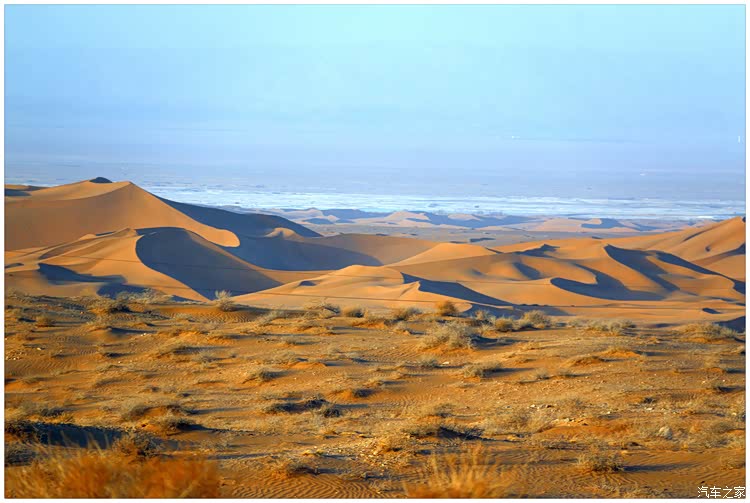
The coal boom brought extraordinary wealth but also challenges including environmental degradation and overcapacity. In response, Ordos has diversified into renewable energy, desert greening, and tourism, positioning itself as a leader in ecological restoration and sustainable urban development in arid regions.