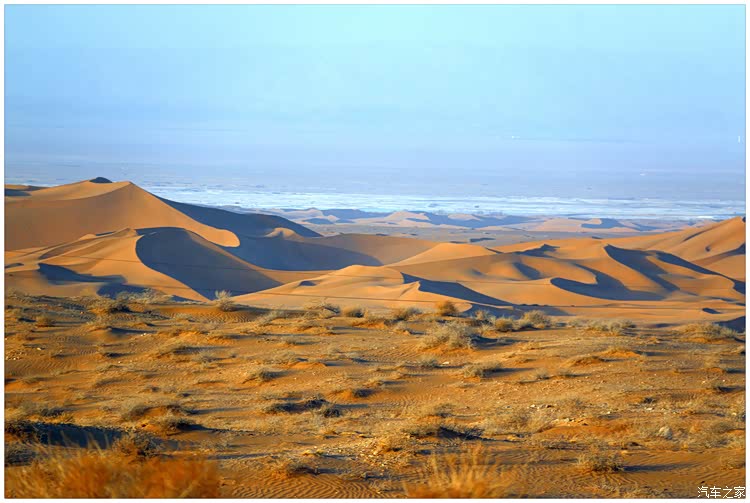
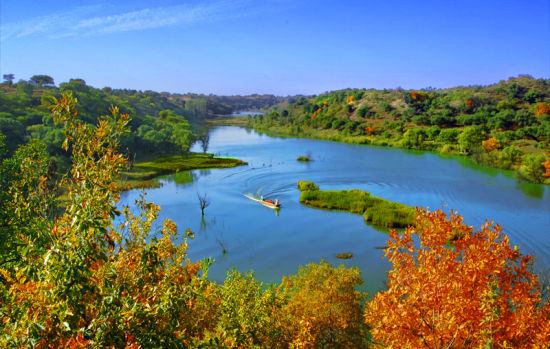
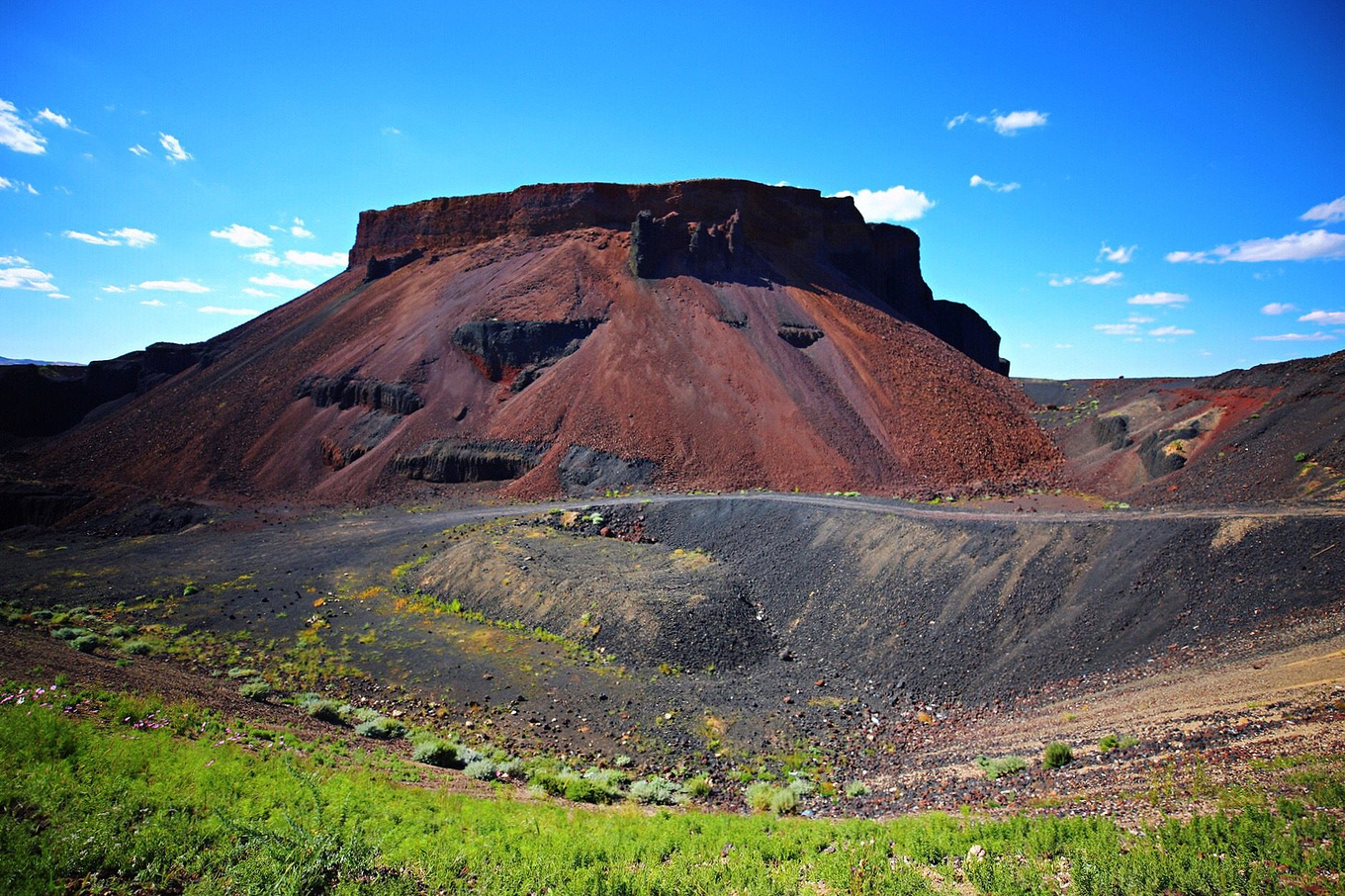
Bayannur city skyline and landmarks (巴彦淖尔) - Travel China Guide

Bayannur Travel Guide

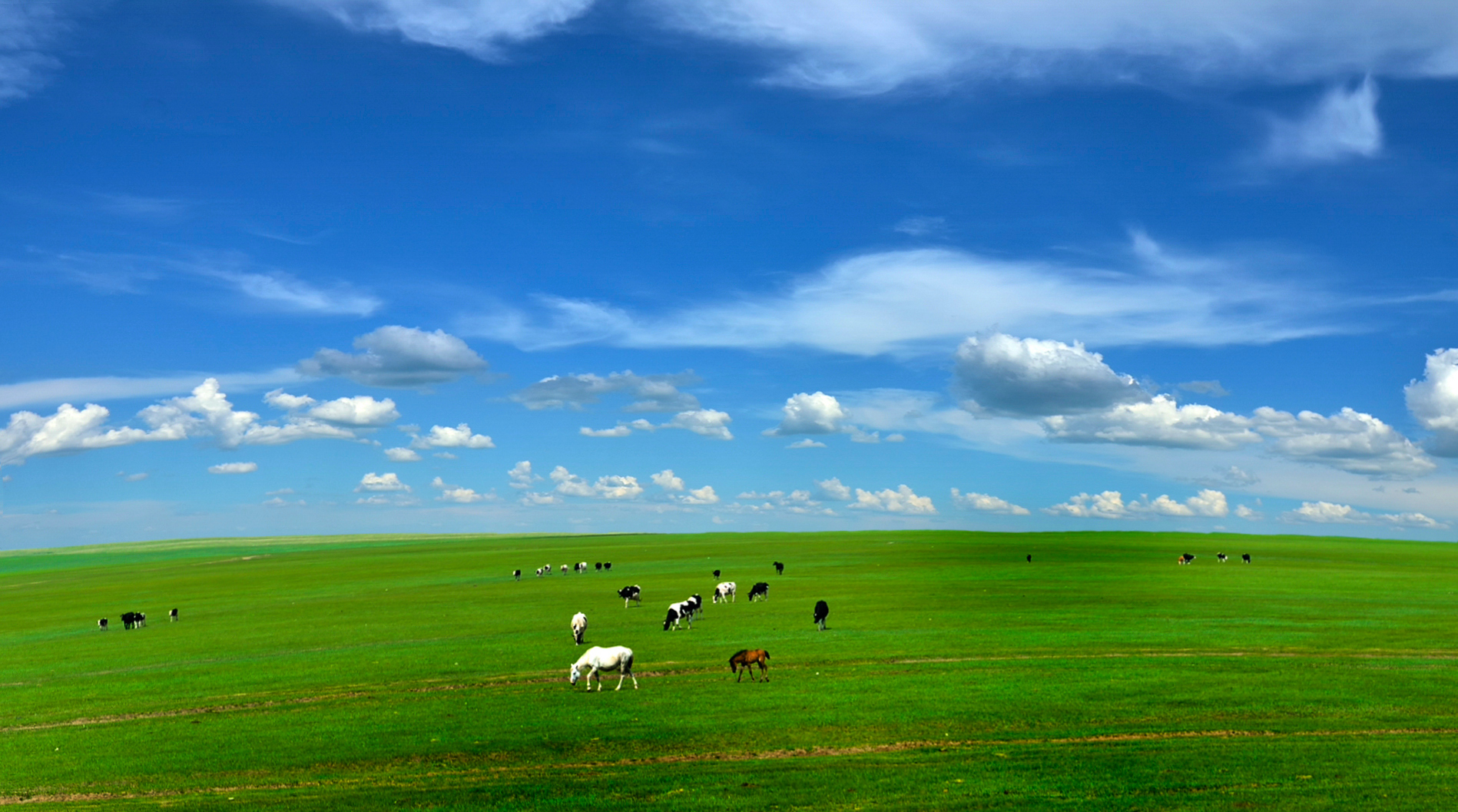
The "Pearl of the Yellow River," Bayannur is a lush agricultural oasis on the great river's northern bend, famous for its sunflower fields, Hetao irrigation system, and primeval Yinshan rock art.

About

Bayannur, meaning "rich lake" in Mongolian, is a prefecture-level city in western Inner Mongolia, situated on the northern bank of the Yellow River's great bend — the Hetao region. This location has given it the nickname "Pearl of the Yellow River."

The Hetao plain is one of China's most important agricultural regions, made fertile by the Hetao Irrigation System — a network of canals that has been operating for over 2,000 years. The system diverts water from the Yellow River to irrigate the otherwise arid plain, enabling the cultivation of sunflowers, wheat, corn, melons, and other crops. Bayannur produces one-third of China's sunflower seeds and is famous for its sweet Hetao melons.

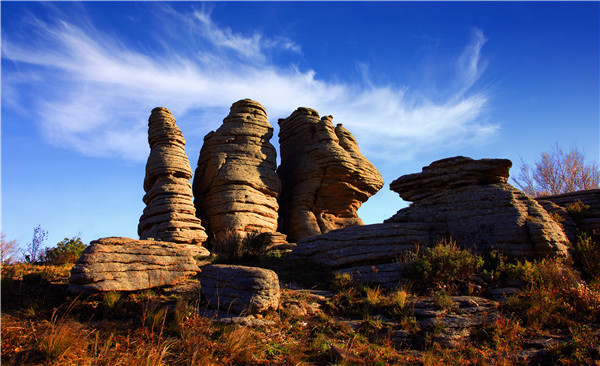
The Yinshan Mountains, running through the northern part of the city, contain an extraordinary gallery of ancient rock art. Over 15,000 petroglyphs carved into the dark volcanic cliffs depict the lives, beliefs, and environment of the nomadic peoples who have inhabited this region for millennia. These carvings represent one of the most significant rock art collections in China.

Ulan Suhai Lake, in the eastern part of Bayannur, is the largest wetland in the Yellow River basin. This vast lake and its surrounding marshes support an extraordinary diversity of birdlife and serve as a critical stopover point for migratory birds on the East Asian-Australasian Flyway.

History & Development

The Hetao region has been inhabited for thousands of years. The Yinshan rock art, created over 10,000 years, documents the continuous presence of nomadic peoples. During the Qin and Han dynasties, Chinese empires expanded into the region, building defensive walls and the first irrigation canals.

The Hetao Irrigation System was first developed during the Western Han Dynasty (206 BC - 24 AD). General Zhao Chongguo initiated military agricultural colonies in the region, digging canals to water crops. This system was expanded and maintained by successive dynasties.

During the Mongol Empire, the region was part of the vast Mongol domains. In the Qing Dynasty, the area was organized under Mongol banner administration. Han Chinese farmers migrated to the Hetao plain during the late Qing and Republican periods, expanding agricultural settlement.

The modern city of Bayannur was established in 2004, upgrading from Bayannur League to prefecture-level city status. Today, it balances its agricultural heritage with ecological conservation, particularly the protection of Ulan Suhai Lake and the Yinshan rock art sites.

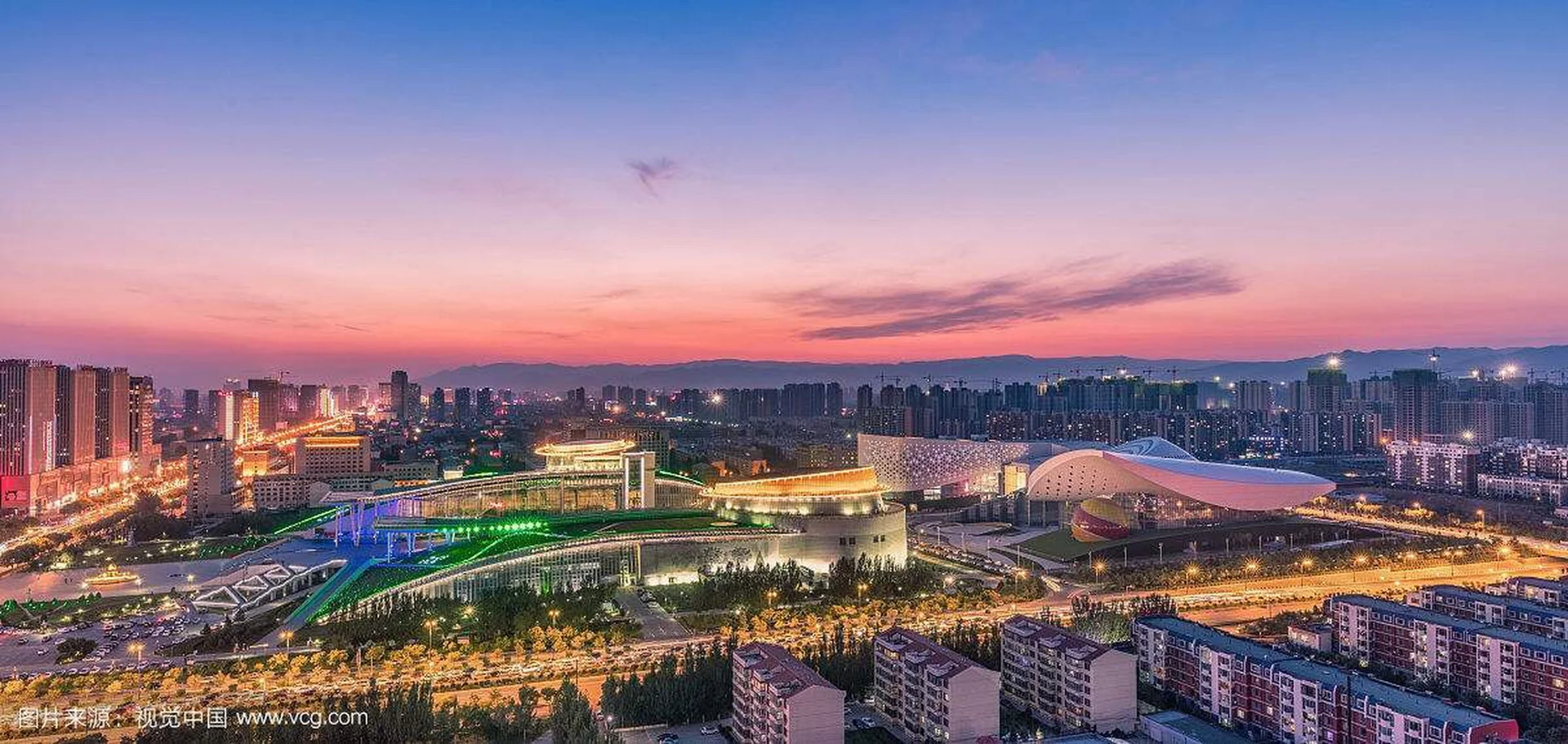
Economy & Industries

Bayannur's economy is dominated by agriculture and food processing. The Hetao irrigation system supports cultivation of sunflowers, wheat, corn, melons, and tomatoes. The city is China's largest sunflower seed producer, accounting for one-third of national output. Hetao melons are famous nationwide, and the region also produces high-quality wheat for noodles and bread.

Livestock farming, particularly sheep and cattle, is significant. The Yellow River fishery provides fish to local and regional markets. Food processing industries include oil pressing (sunflower oil), flour milling, and fruit and vegetable canning.

Tourism is a growing sector, focused on the Yinshan rock art, Ulan Suhai Lake wetland, and agricultural tourism such as sunflower field visits.

Top Attractions

🏛️ Landmark

Yinshan Rock Art

The Yinshan Mountains in Bayannur contain one of the world's most extensive collections of ancient rock art, with over 15,000 individual petroglyphs spanning from the Paleolithic era to the Mongol Empire. The carvings depict hunting scenes, animals, ritual dances, and celestial symbols, providing a remarkable window into the spiritual and daily life of ancient nomadic peoples. The most famous site is the Damao Rock Art cluster.

★★★★ 4.8
🕐 All day
🎫 Free
🏔️ Nature

Ulan Suhai Lake

Ulan Suhai is the largest freshwater lake in Inner Mongolia and the largest wetland in the Yellow River basin, covering over 300 square kilometers. This vast lake and its surrounding marshes are a paradise for birdwatchers, hosting over 200 bird species including swans, pelicans, and rare black storks. The name "Ulan Suhai" means "red lake" in Mongolian, referring to the reddish color of the reeds in autumn.

★★★★ 4.7
🕐 08:00-18:00
🎫 40 yuan
🎭 Museum

Hetao Irrigation Museum

This museum documents the history and engineering of the Hetao Irrigation System, a canal network dating back over 2,000 years. The system, first built during the Qin-Han period and expanded continuously since, transformed the arid Hetao plain into a fertile agricultural region. Exhibits include historical maps, irrigation models, and tools used in canal construction.

★★★★ 4.3
🕐 09:00-17:00 (Closed Mondays)
🎫 Free
📍 Other

Mongolian Golf Course

An unusual combination of a world-class golf course set in the Hetao desert landscape. The course utilizes drought-resistant grasses and sophisticated irrigation to create a green oasis in the arid environment. Open to visitors, it offers a unique golfing experience surrounded by desert mountains.

★★★★ 4.1
🕐 06:00-19:00
🎫 Varies
🏔️ Nature

Shanxing Hot Spring

Natural hot springs in the Yinshan foothills, known for their mineral-rich waters believed to have therapeutic properties. The spring complex includes indoor and outdoor pools, spa services, and accommodation. It is a popular weekend getaway for locals seeking relaxation and wellness.

★★★★ 4.2
🕐 08:00-22:00
🎫 80 yuan

Food & Culture

Discover the culinary treasures of Bayannur, from traditional street food to imperial cuisine.

Things to Do

🏛️

Explore Yinshan Rock Art

See ancient petroglyphs carved by nomadic peoples over 10,000 years across the Yinshan cliffs.

Birdwatch at Ulan Suhai

Observe swans, pelicans, and hundreds of other bird species at this vast wetland paradise.

🏔️

Visit Sunflower Fields

Walk through endless sunflower fields in full golden bloom during July and August.

Learn About Hetao Irrigation

Visit the irrigation museum and see the ancient canal system still in use today.

Photograph Ulan Suhai Sunset

Capture the stunning sunset over the reeds and waters of this vast lake.

Suggested Itineraries

Bayannur Nature & Heritage Day

A day exploring Bayannur's ancient rock art and rich wetland ecosystem.

  • Morning: Yinshan Rock Art exploration
  • Midday: Hetao melon tasting and local lunch
  • Afternoon: Ulan Suhai Lake birdwatching
  • Evening: Sunset photography at the lake

Getting Around

✈️

Airport

Bayannur Tianjitai Airport has flights to Beijing, Hohhot, and Xi'an.

🚄

High-Speed Rail

Bayannur Railway Station is on the Beijing-Lanzhou railway line with connections to Hohhot, Baotou, and Lanzhou.

🚌

Bus Network

Local buses serve the urban area. Long-distance buses connect to all counties and major cities in the region.

🚕

Taxi & Rideshare

Available throughout the city

Best Time to Visit

🌸

Spring

Apr - May

★★★☆☆

Cool and windy. Irrigation canals are opened, fields are prepared for planting.

  • Irrigation season
  • Fewer tourists
☀️

Summer

Jun - Aug

★★★★★

Warm to hot (25-35°C). Sunflowers bloom in July creating stunning landscapes. Best time for wetland exploration.

  • Sunflower bloom
  • Bird migration
  • Warm weather
🍂

Autumn

Sep - Oct

★★★★★

Pleasant temperatures and clear skies. Harvest season for melons and grains. Golden wetland reeds.

  • Harvest season
  • Melon tasting
  • Golden reeds
❄️

Winter

Nov - Mar

★★☆☆☆

Cold and dry (-15 to 0°C). The landscape is stark. Ulan Suhai Lake freezes. Very few tourists.

  • Winter scenery
  • Ice fishing

Continue Exploring China

Discover more cities, food guides, and travel inspiration.