Ulanqab city skyline and landmarks (乌兰察布) - Travel China Guide

Ulanqab Travel Guide

The "Summer Capital of China," Ulanqab offers a refreshing escape from the heat with its cool climate, vast volcanic landscapes, and the unique charm of the Mongolian Ulanqab Grassland.

About

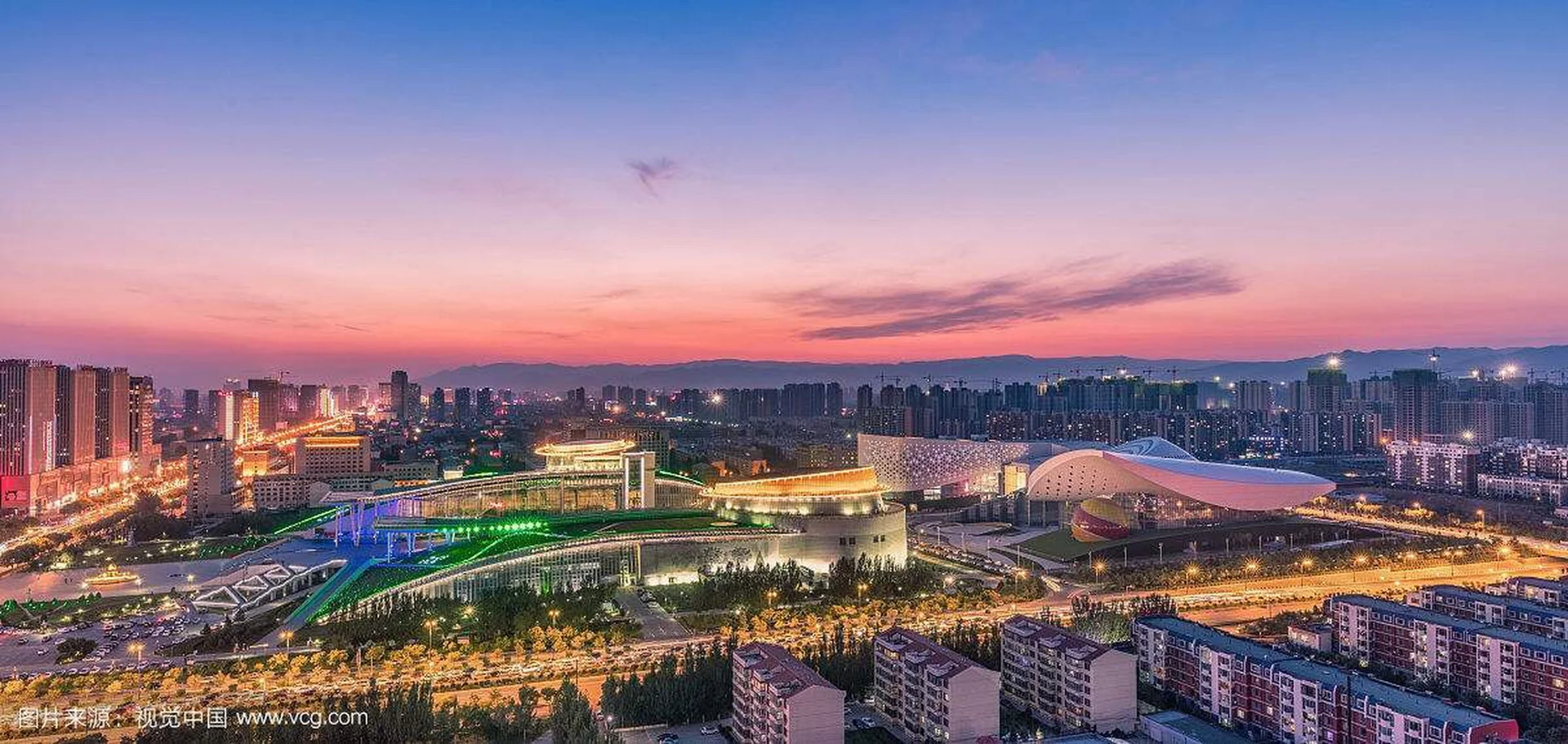
Ulanqab, meaning "red cliff pass" in Mongolian, is a prefecture-level city in central Inner Mongolia, strategically located between Hohhot and the border with Hebei Province. It has earned the nickname "Summer Capital of China" for its remarkably cool summer climate, with average temperatures of 18-24°C even during the hottest months.

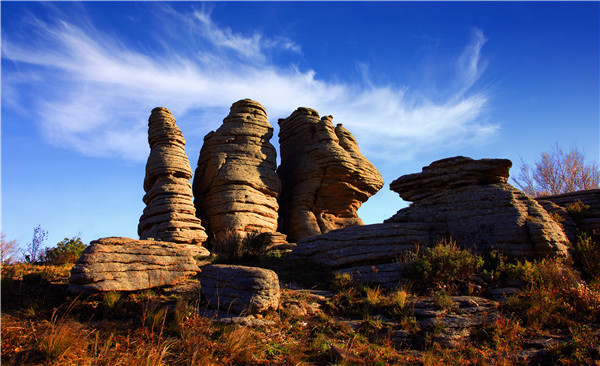
The city's most extraordinary natural feature is the Ulanqab Volcanic Field, a cluster of over 30 Quaternary volcanoes that rise dramatically from the surrounding grassland. These volcanoes, dormant for tens of thousands of years, create a landscape that feels prehistoric and otherworldly. The volcanic soil has also created unique ecosystems and contributed to the fertility of the surrounding grasslands.

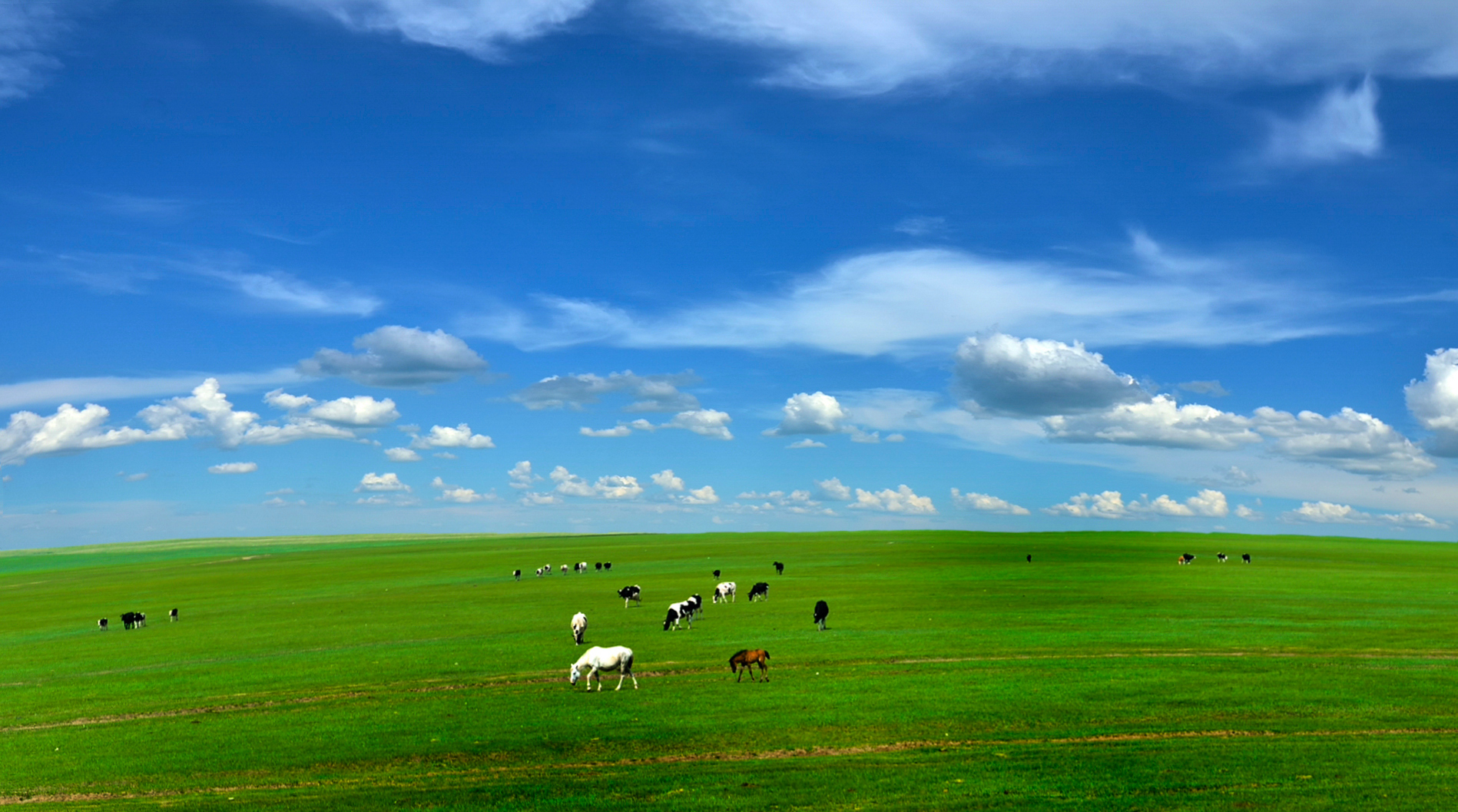
The Huitengxile Grassland (also known as "Huanyuan Liang") sits at an elevation of over 2,100 meters, making it one of the highest grasslands in China. Its alpine character creates a unique ecosystem of wildflowers and grasses. The grassland is also home to one of Asia's largest wind farms, with hundreds of turbines creating a striking fusion of nature and renewable energy technology.

Beyond its volcanic and grassland attractions, Ulanqab is an important agricultural region, particularly known for potato production — the city is one of China's major potato-growing areas. The combination of volcanic soil, cool climate, and abundant sunshine creates ideal growing conditions.

History & Development

The Ulanqab region has a long history of human habitation, with archaeological sites dating back to the Neolithic period. During the Warring States period, the area was part of the Zhao State's territory, and sections of the Zhao Great Wall can still be found in the region.

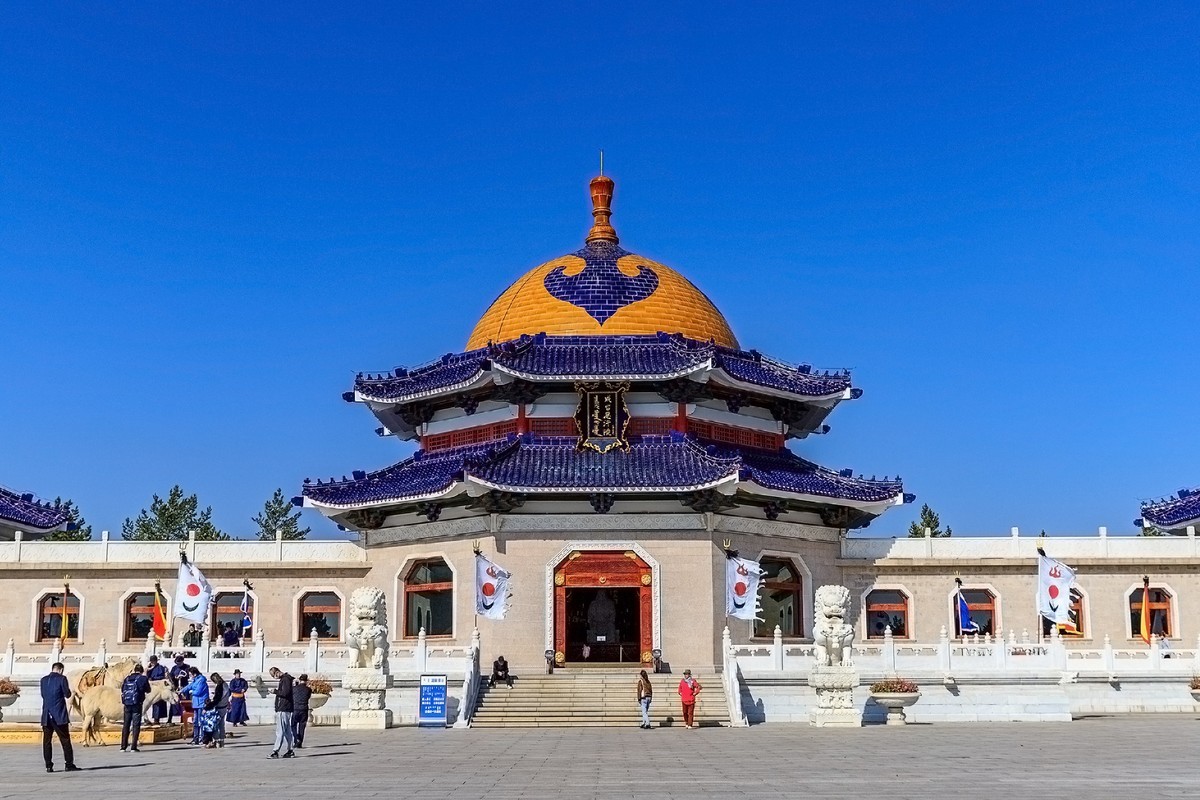
The Mongol Empire incorporated the area in the 13th century, and it became part of the Chahar Mongol banners during the Qing Dynasty. The name Ulanqab dates from the Qing period administrative divisions.

In the modern era, Ulanqab developed as an agricultural and transportation hub. The railway connecting Beijing to Hohhot passes through the city, making it an important stopping point. The city was formally established as Ulanqab League in 1958 and upgraded to prefecture-level city status in 2003.

In recent years, Ulanqab has become increasingly known for tourism, particularly the volcanic field, which has attracted growing attention from photographers, geologists, and travelers seeking unique landscapes.

Economy & Industries

Ulanqab's economy is based on agriculture, animal husbandry, and increasingly, tourism and renewable energy. The city is one of China's top potato producers — the cool climate and volcanic soil produce high-quality potatoes that are shipped across the country.

Animal husbandry, particularly sheep and cattle grazing on the Huitengxile and surrounding grasslands, supports meat processing and dairy industries. The region is also known for buckwheat and oat production.

Wind energy has become a major economic sector. The Huitengxile wind farm, one of Asia's largest, generates substantial electricity. The region's consistent winds and high altitude make it ideal for wind power generation.

Tourism is growing rapidly, driven by the volcanic field, Huitengxile Grassland, and the city's reputation as a summer escape. The annual Ulanqab Summer Culture Festival attracts visitors from across China.

Top Attractions

🏔️ Nature

Ulanqab Volcanic Field

The Ulanqab Volcanic Field is one of China's most impressive Quaternary volcanic landscapes, featuring over 30 well-preserved volcanic cones. The most famous is the "Red Mountain" volcano, with its striking red and black cinder cone rising dramatically from the grassland. Several volcanoes are accessible for hiking — visitors can walk up to the crater rims and see the volcanic bombs and lava flows up close. The landscape is so otherworldly that it has been compared to the surface of Mars.

★★★★ 4.8
🕐 All day
🎫 Free
🏔️ Nature

Huitengxile Grassland

Huitengxile (meaning "cold plateau" in Mongolian) is a high-altitude grassland at 2,100 meters above sea level. Unlike the flat grasslands typical of Inner Mongolia, Huitengxile features rolling hills covered in wildflowers during summer. The grassland is dotted with hundreds of wind turbines — this is Asia's largest wind farm. Visitors can ride horses, explore the flower meadows, and stay in traditional Mongolian yurts.

★★★★ 4.7
🕐 All day
🎫 Free
🏔️ Nature

Sumu Mountain Grand Canyon

Sumu Mountain is a deep, rugged canyon system formed by volcanic activity and water erosion. The canyon walls reveal colorful geological strata, and the mountain is covered in lush forest — a rare sight in the region. Hiking trails lead through the canyon, past waterfalls, and up to viewpoints overlooking the vast grassland. The area is also a habitat for deer, wild boar, and diverse bird species.

★★★★ 4.5
🕐 08:00-17:30
🎫 50 yuan
🏔️ Nature

Daihai Lake

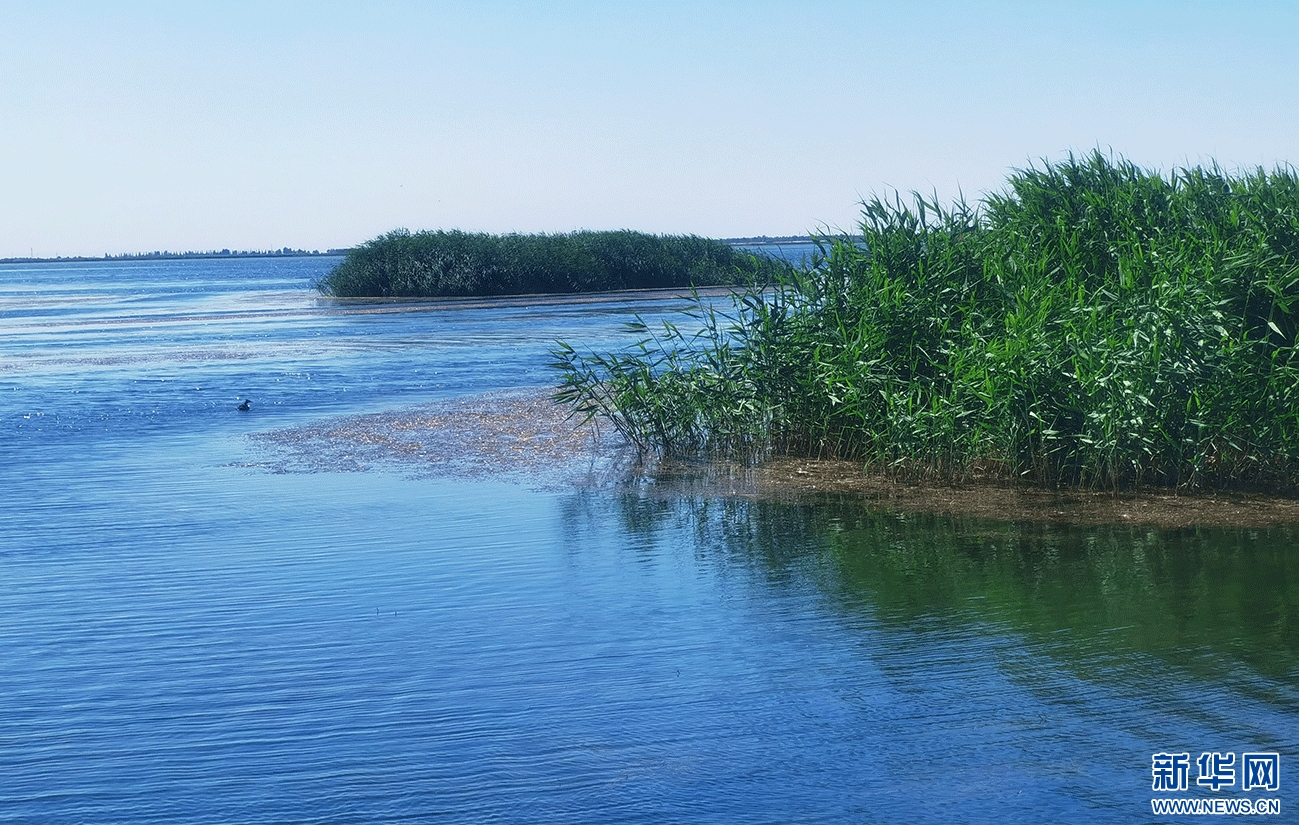
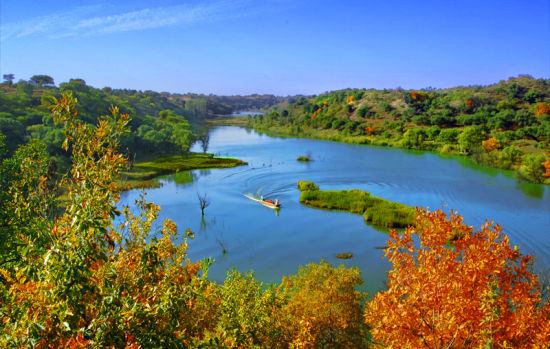
Daihai Lake is a beautiful highland lake in the southern part of Ulanqab, surrounded by rolling green hills and grassland. The lake's clear, blue waters are home to a variety of fish species, and the surrounding area is an important wetland for migratory birds. Visitors can take boat rides, try fishing, and enjoy fresh lake fish at lakeside restaurants. The lake's name means "sea of precious stones" in Mongolian.

★★★★ 4.5
🕐 08:00-18:00
🎫 Free
🎭 Museum

Ulanqab Museum

The Ulanqab Museum offers comprehensive exhibits on the region's geological history, including the volcanic formation, and its cultural heritage from Neolithic settlements through Mongol rule to modern times. Highlights include Bronze Age artifacts from the region, traditional Mongolian costumes, and exhibits on the unique volcanic ecosystem.

★★★★ 4.2
🕐 09:00-17:00 (Closed Mondays)
🎫 Free

Food & Culture

Discover the culinary treasures of Ulanqab, from traditional street food to imperial cuisine.

Things to Do

Hike the Volcanoes

Walk up to the crater rims of ancient volcanoes and see the surreal volcanic landscape up close.

🏔️

Explore Huitengxile Grassland

Ride horses through flower-filled meadows and see Asia's largest wind farm.

Photograph the Volcanoes at Sunset

Capture the dramatic silhouette of volcanic cones against the golden prairie sunset.

Visit Sumu Mountain Canyon

Hike through a deep forest canyon with waterfalls and panoramic grassland views.

Relax at Daihai Lake

Enjoy a boat ride on the lake, try fishing, and taste fresh lake fish.

Suggested Itineraries

Ulanqab Volcano & Grassland Day

A day exploring Ulanqab's volcanic wonders and high-altitude grassland.

  • Morning: Ulanqab Volcanic Field hiking
  • Midday: Huitengxile Grassland lunch and horseback riding
  • Afternoon: Wind farm photography
  • Evening: Grassland sunset and roasted lamb dinner

Ulanqab Nature Explorer (2 Days)

Two days exploring Ulanqab's volcanic landscapes, canyons, and grassland.

  • Day 1: Volcanic Field + Sumu Mountain Canyon
  • Day 2: Huitengxile Grassland + Daihai Lake
  • Overnight: Mongolian yurt stay on the grassland

Getting Around

✈️

Airport

Ulanqab Jining Airport has direct flights to Beijing, Shanghai, Hohhot, and other major cities.

🚄

High-Speed Rail

Ulanqab is on the Beijing-Hohhot high-speed rail line. Trains to Beijing take about 1.5 hours, to Hohhot about 40 minutes.

🚌

Bus Network

Public buses serve Jining district and connect to surrounding banners. Taxis and ride-hailing apps are available.

🚕

Taxi & Rideshare

Available throughout the city

Best Time to Visit

🌸

Spring

Apr - May

★★★☆☆

Cool and windy. Grasslands begin to turn green. Occasional late snow in higher elevations.

  • Greening grassland
  • Fewer tourists
☀️

Summer

Jun - Aug

★★★★★

Pleasantly cool (18-24°C). Peak tourist season with lush grasslands, wildflowers in bloom, and the clearest skies for volcano viewing.

  • Cool weather
  • Wildflowers
  • Volcano hiking
🍂

Autumn

Sep - Oct

★★★★☆

Crisp and clear. Golden grasslands and striking volcanic silhouettes. Fewer tourists.

  • Golden scenery
  • Volcanic landscape
  • Photography
❄️

Winter

Nov - Mar

★★☆☆☆

Cold and snowy (-15 to -5°C). Snow-covered volcanoes create a dramatic landscape. Very few tourists. Best for solitude seekers.

  • Snowy volcanoes
  • No crowds

Continue Exploring China

Discover more cities, food guides, and travel inspiration.