Museum
Siping Battle Memorial Hall
A comprehensive museum dedicated to the Siping Campaign, a pivotal battle in the mid-20th century. Features military artifacts, dioramas, and historical documents.
8:30-16:30 (Closed Mondays)
Free
A historic transport hub in central Jilin, Siping is known for its strategic military history, agricultural economy, and the scenic Yehe River valley.
Siping is a prefecture-level city in central Jilin Province, strategically located at the intersection of major railway lines connecting Northeast China. The city's name means "four directions," reflecting its historic role as a transportation crossroads.
Siping is best known for the Siping Campaign (1946-1948), a series of four major battles in the mid-20th century. The campaign was one of the most critical engagements in the Northeast, and the city is home to memorials and museums preserving this history.
Beyond its military significance, Siping is the heart of Jilin's agricultural belt. The surrounding plains are among the most fertile in Northeast China, producing vast quantities of corn, soybeans, and rice. The city also has a significant Manchu cultural heritage, with the Yehe Ancient Town preserving traditional Manchu architecture and customs.
In recent years, Siping has been developing its economy through agricultural processing, machinery manufacturing, and logistics, leveraging its strategic location at the nexus of Jilin's transportation network.
The Siping area was historically inhabited by the Manchu people and other nomadic groups before Han Chinese settlement expanded during the Qing Dynasty. The city's strategic location at the crossroads of major transport routes made it important for trade and military control.
The railway arrived in the early 20th century, transforming Siping into a major transportation hub. The city grew rapidly as a railway town, with workshops, warehouses, and commercial districts developing around the station.
Siping's most significant historical moment came during the mid-20th century (1946-1948), when four major battles were fought for control of the city. The Siping Campaign was one of the bloodiest and most strategically important engagements of the era. The city was heavily damaged but became a symbol of resilience.
After 1949, Siping was rebuilt and developed as an agricultural processing and light industrial center. In 1958, it was formally established as a prefecture-level city. Today, the city balances its historical legacy with modern economic development.
Siping's economy is dominated by agriculture and agricultural processing. The city sits in one of China's most productive agricultural regions, with corn, soybeans, and rice as primary crops. The fertile Songliao Plain provides excellent growing conditions.
Manufacturing is also important, with food processing, agricultural machinery, and building materials as key sectors. The city's location at a major railway junction supports logistics and warehousing industries.
Siping is working to develop modern agriculture and food processing to increase value-added production. The city also promotes tourism centered on its historical heritage and Manchu cultural heritage.
Economic indicators show steady growth, though Siping faces challenges common to smaller inland cities in attracting high-tech industries and young talent.
Discover the culinary treasures of Siping, from traditional street food to imperial cuisine.
A day exploring Siping's wartime history and Manchu cultural heritage.
The nearest major airport is Changchun Longjia Airport, about 120 km northeast of Siping.
Siping Railway Station serves high-speed trains to Changchun (1 hour), Shenyang (1.5 hours), and Beijing (5 hours).
Long-distance buses connect Siping to cities across Jilin and neighboring provinces.
Available throughout the city
Apr - May
Cool and gradually warming. Trees and flowers bloom. Occasional wind.
Jun - Aug
Warm with moderate rainfall. Good for outdoor activities.
Sep - Oct
Clear and crisp with beautiful fall colors. Best season for sightseeing.
Nov - Mar
Cold with temperatures often below -10°C. Snowfall is moderate.

China's automobile capital and cradle of Chinese cinema—a no...
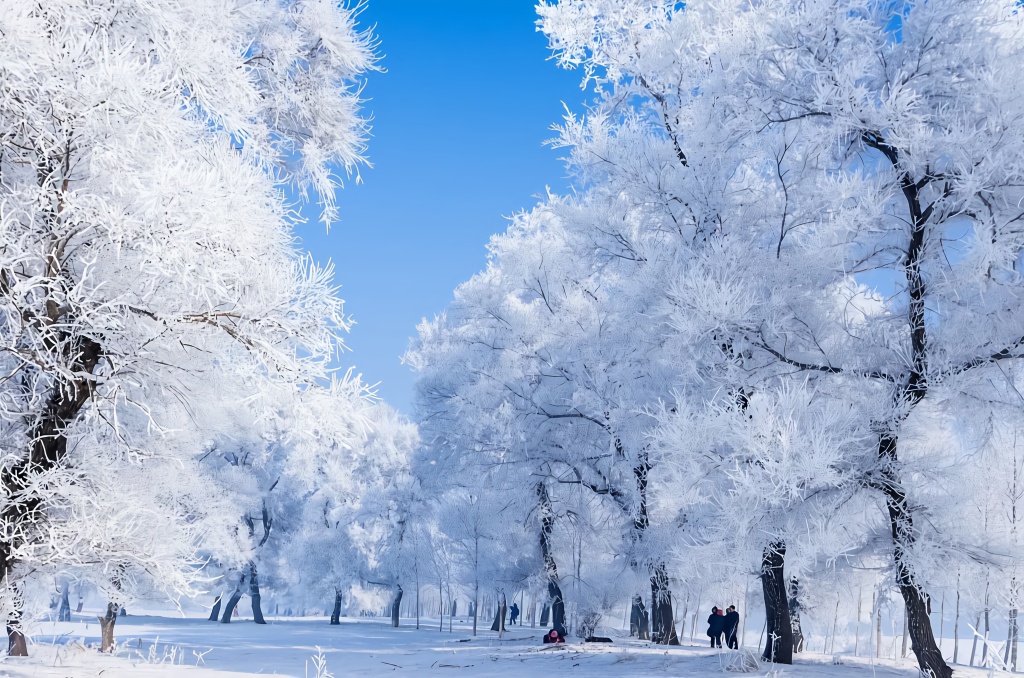
Home to one of China's "Four Great Natural Wonders" — the sp...
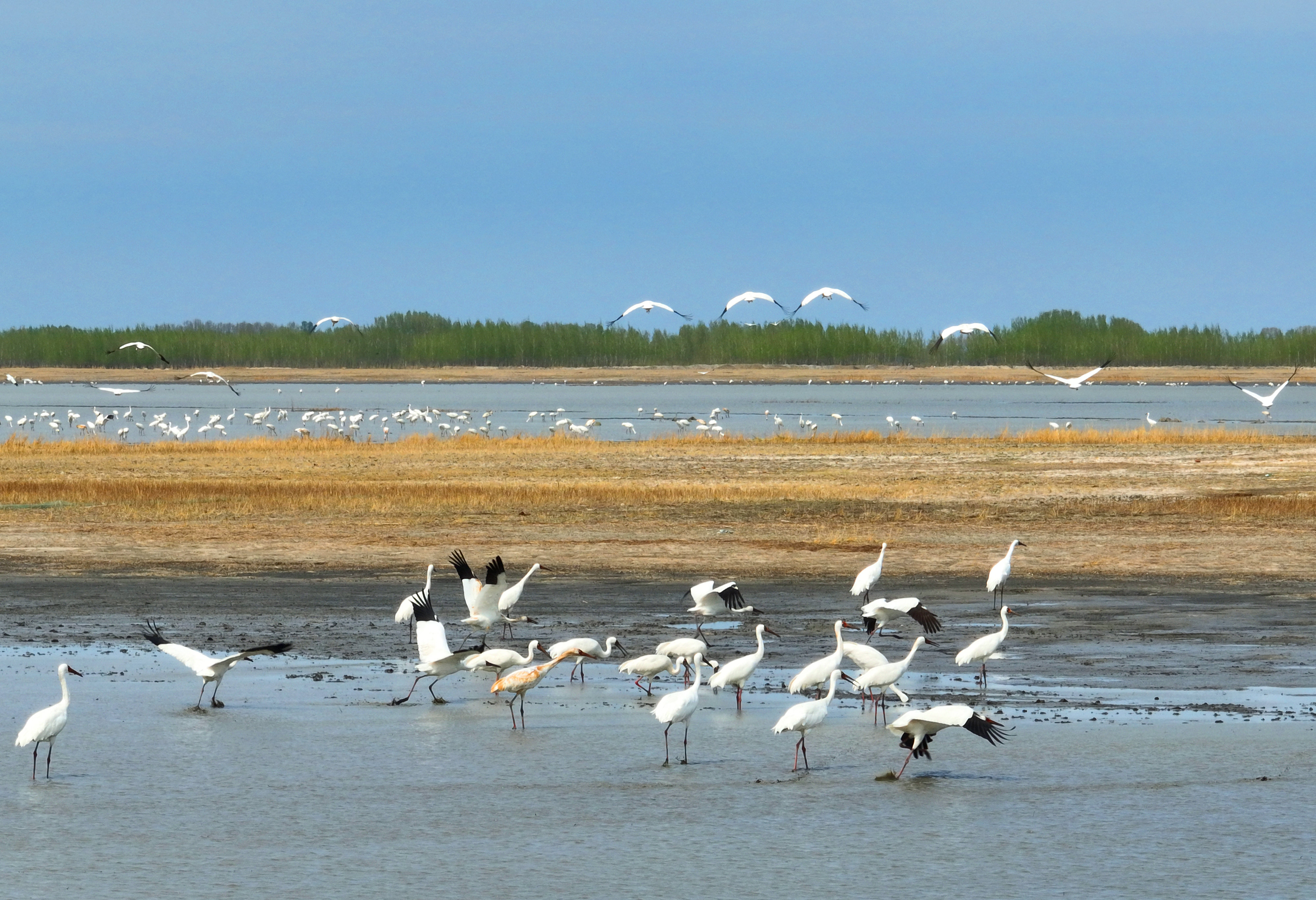
A city in western Jilin near the Inner Mongolia border, Baic...
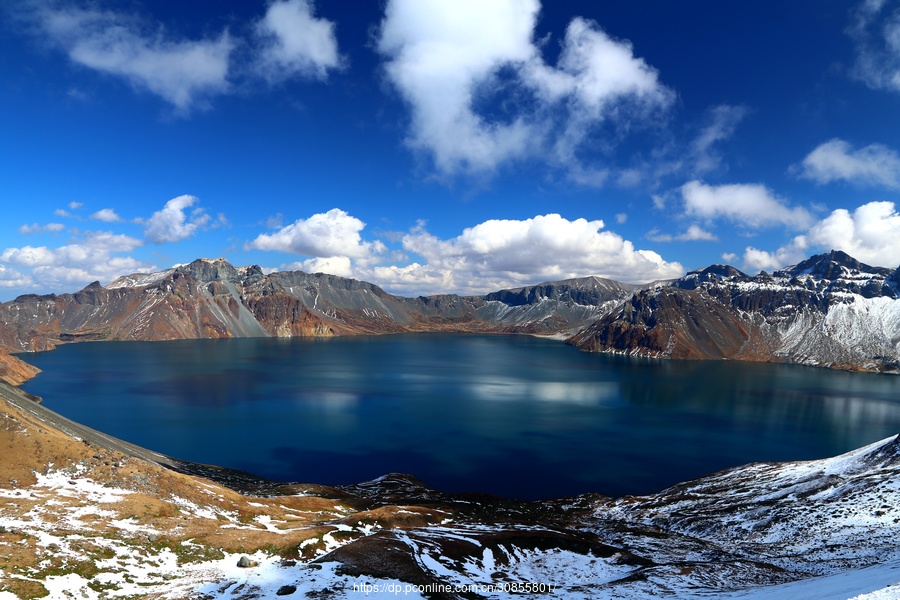
A mountain city in southern Jilin on the North Korean border...
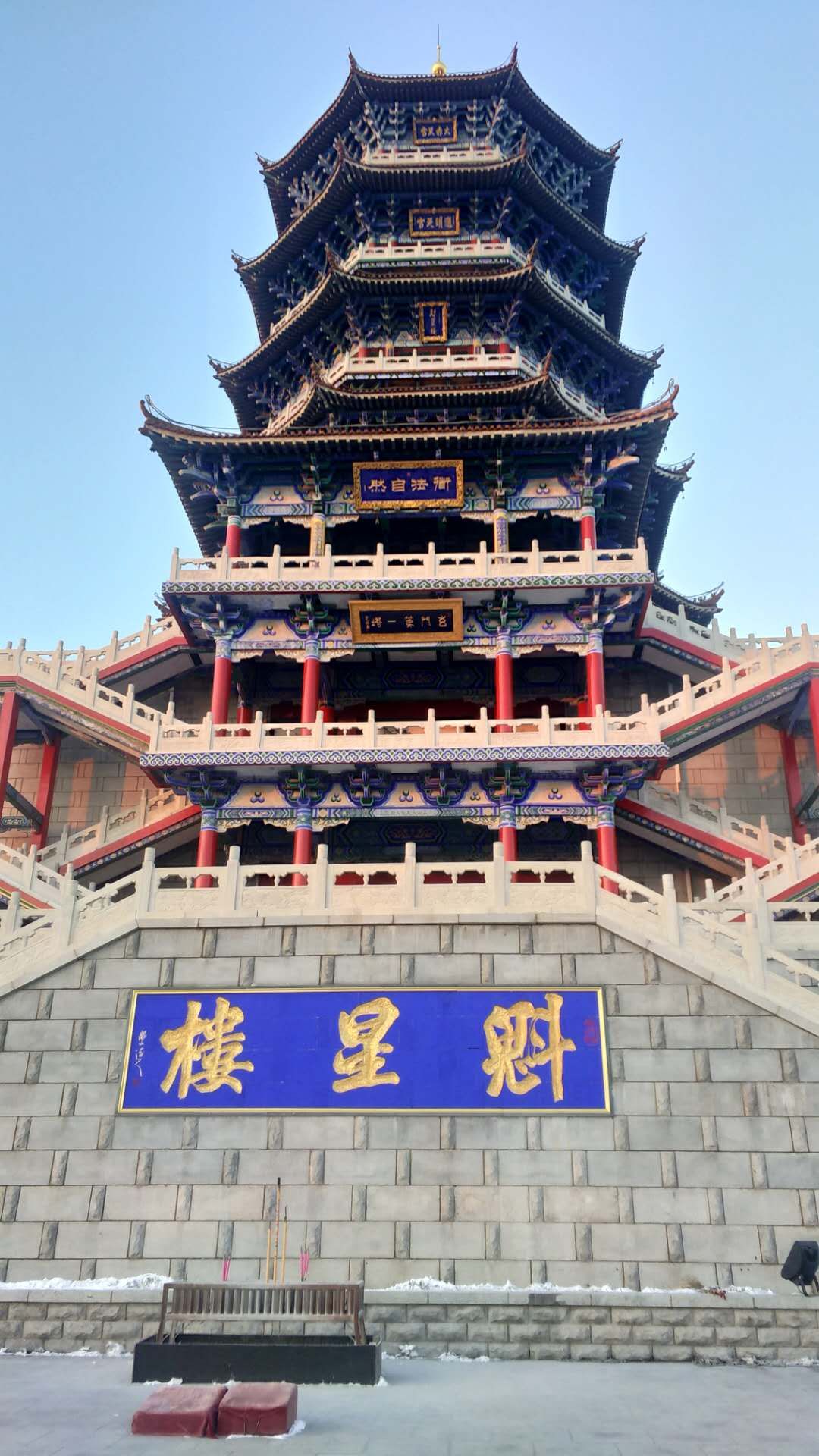
A small industrial city in southern Jilin, Liaoyuan is known...
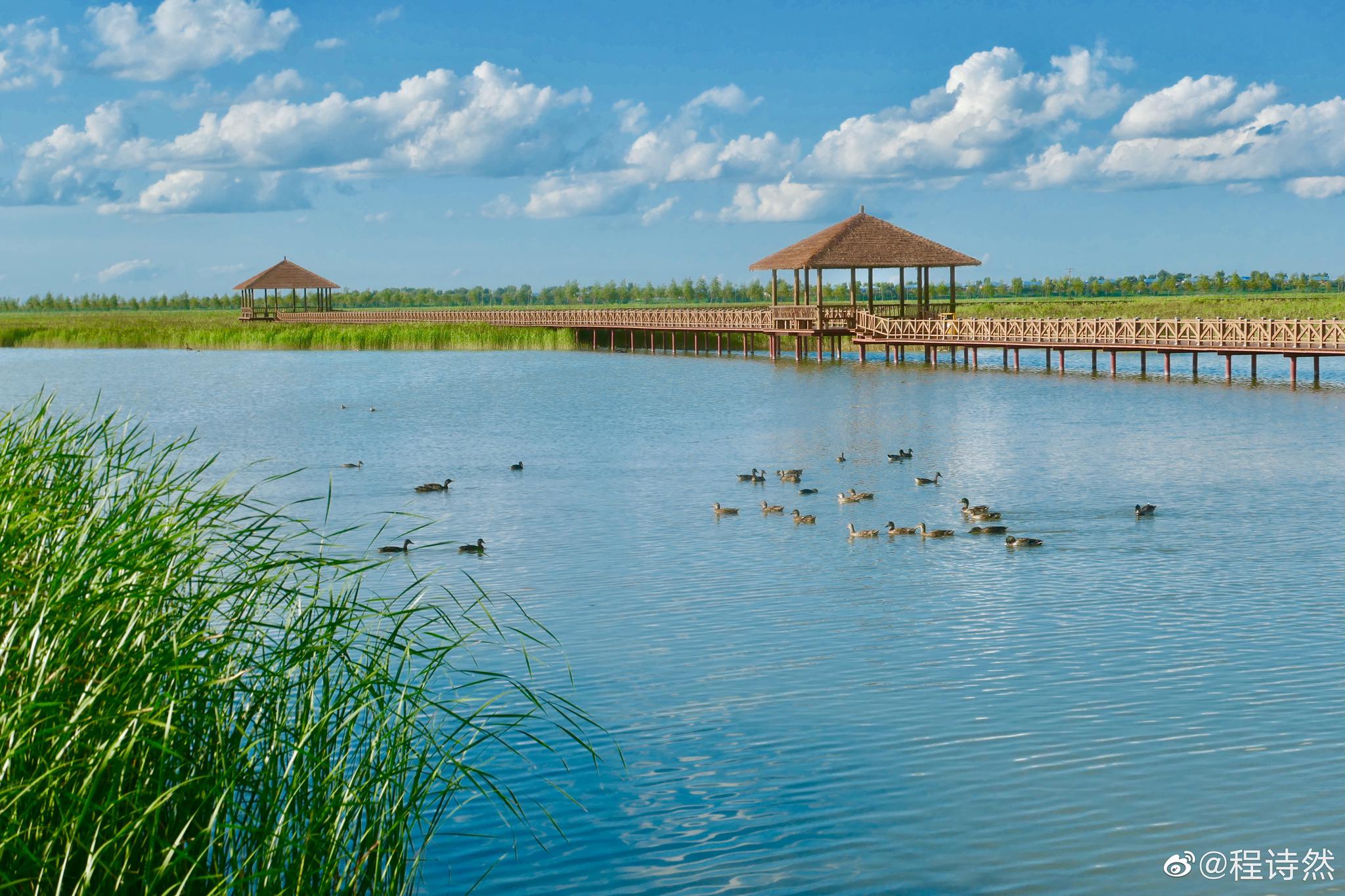
A rapidly growing city on the Songhua River plain, Songyuan ...
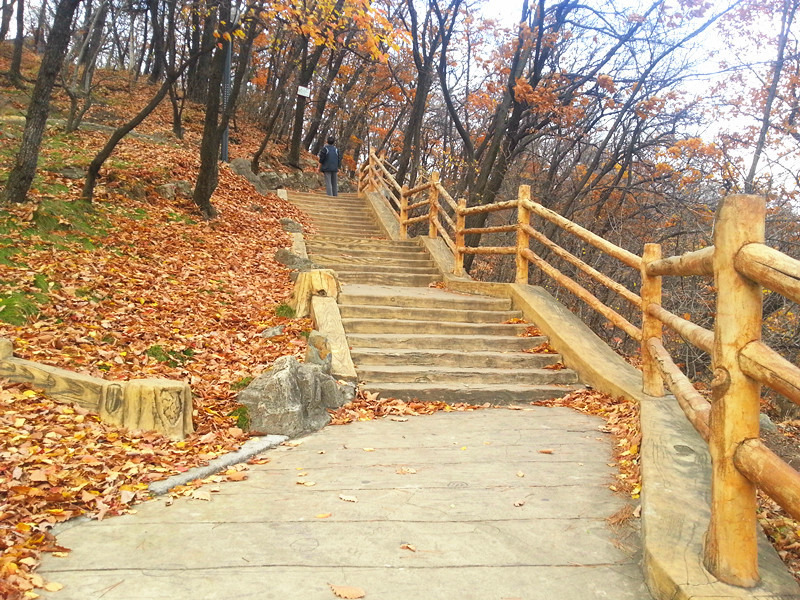
A mountain city in southern Jilin near the North Korean bord...
Discover more cities, food guides, and travel inspiration.