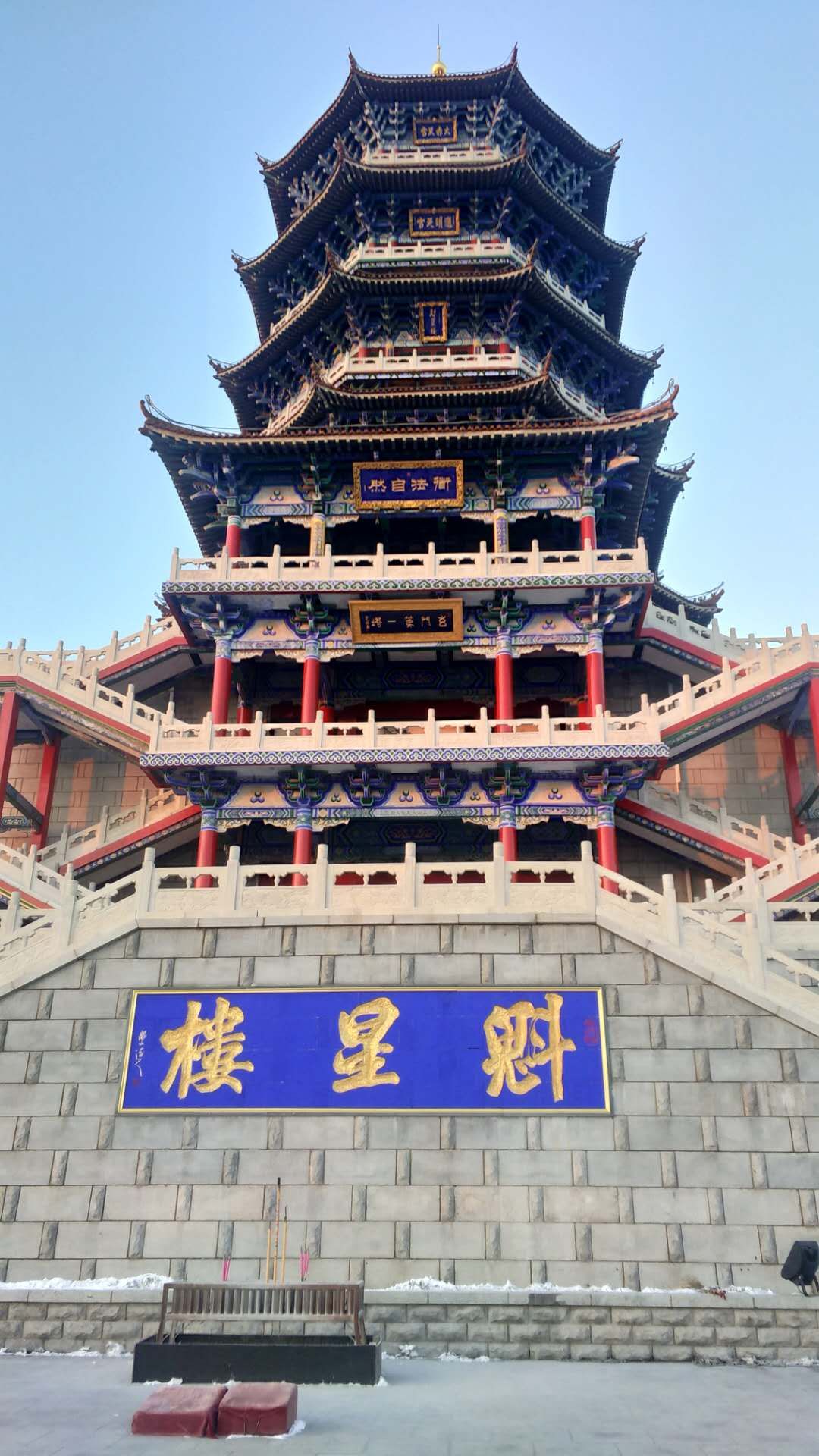
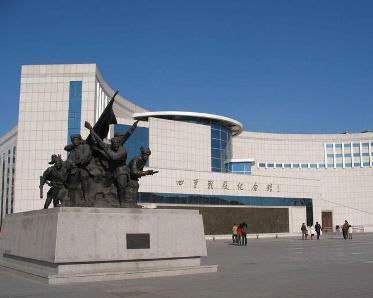
Museum of the Imperial Palace of Manchukuo
The former residence of Puyi, the last emperor of China. This well-preserved palace complex offers insights into a unique period of history through its architecture and exhibitions.
China's automobile capital and cradle of Chinese cinema—a northern city where industrial heritage meets cultural richness and surprising greenery.
Changchun, known as the "City of Automobiles" and "City of Films," is the capital of Jilin Province in northeast China. Despite its northern latitude and cold winters, it earned the nickname "Spring City of the North" for its pleasant spring and autumn seasons.
The city's modern development began with the construction of the railway in the late 19th century. Changchun became the center of China's automobile industry when FAW was established here in 1953, producing the first Chinese-made car.
Changchun also holds a special place in Chinese cultural history. The Changchun Film Studio, established in 1945, was the cradle of China's film industry. Known as the birthplace of new Chinese cinema, it produced many classic films that defined generations.
The city's architecture reflects its complex history. The Museum of the Imperial Palace preserves the former residence of Puyi, China's last emperor. This well-preserved site offers insights into a turbulent period of Chinese history.
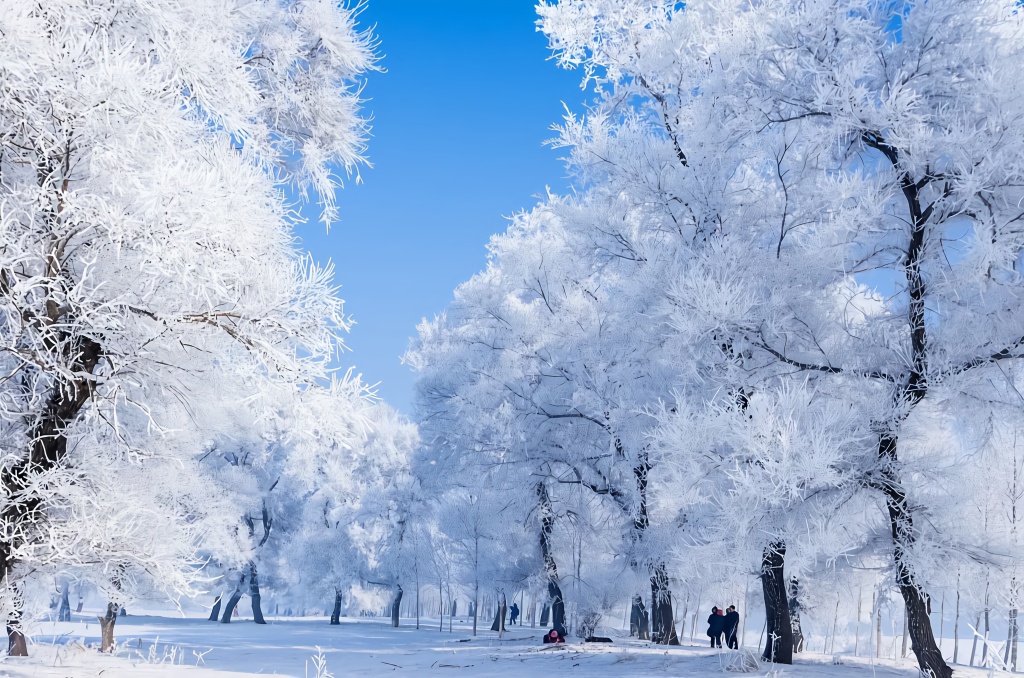
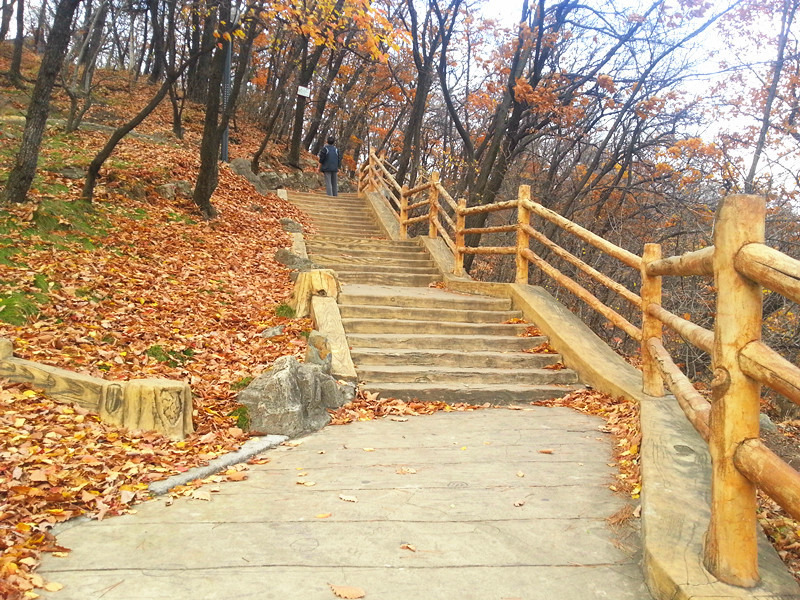
Despite its industrial heritage, Changchun is remarkably green. The city maintains over 40% forest coverage, with Jingyuetan National Forest Park providing a vast recreational area for skiing in winter and hiking in summer.
Changchun's cuisine reflects its northeastern location, featuring hearty comfort foods like dumplings, stews, and hot pot. The cold climate has cultivated a food culture centered on warming, satisfying dishes.
Today, Changchun continues to evolve as a center for automotive research and manufacturing while preserving its cultural heritage and natural beauty.
Changchun's history as a settlement dates back over 200 years. The city's modern transformation began in the late 19th century with the arrival of the railway, which turned a small trading post into a regional transportation hub.
In the early 20th century, the city experienced rapid growth. By the 1930s, it had become an important administrative and commercial center. During this period, the city underwent significant urban development.
The mid-20th century brought major changes. In 1953, the establishment of the First Automobile Works marked the beginning of China's automobile industry. The film studio, founded in 1945, became the center of Chinese cinema production, earning Changchun its reputation as the cradle of Chinese film.
From the 1980s onward, Changchun developed as an industrial and educational center. The city expanded its manufacturing base while developing strengths in research and technology. Multiple universities and research institutions were established.
In recent decades, Changchun has diversified its economy while maintaining its automotive industry leadership. The city underwent significant modernization of infrastructure and public services. Cultural preservation efforts have restored historical sites while new development projects have expanded the urban area.
Changchun's economy is anchored by the automotive industry, with FAW Group headquartered here as China's first automobile manufacturer. The company produces vehicles under various brands including Hongqi, China's prestigious domestic luxury car brand.
Beyond automotive, Changchun is a major center for railway equipment manufacturing, serving China's extensive rail network. The city also has strengths in optical instruments, agricultural processing, and pharmaceutical manufacturing.
In recent years, Changchun has developed emerging sectors including bio-pharmaceuticals, new materials, and advanced equipment manufacturing. The city's high-tech zones attract research institutions and technology companies.
The service sector has expanded significantly, with tourism growing as visitors discover the city's cultural heritage and natural attractions. Education is another pillar, with several major universities and colleges located in the city.
Changchun's GDP reached approximately 680 billion RMB in 2023. The city continues to invest in infrastructure and innovation to support sustainable economic growth.
Discover the culinary treasures of Changchun, from traditional street food to imperial cuisine.
Changchun Longjia International Airport (CGQ) - 32 km from city center
Connected to major cities
Public transportation available
Extensive bus network throughout the city
Available throughout the city
May - Jun
Mild temperatures and blooming flowers. The best season for city exploration and outdoor activities.
Jul - Aug
Warm and pleasant. Great for visiting parks and outdoor attractions.
Sep - Oct
Clear skies and crisp air. Beautiful autumn foliage at Jingyuetan. Ideal for photography.
Nov - Apr
Cold and snowy. Perfect for winter sports and experiencing northeastern winter culture.
Biennial international film festival celebrating Chinese and international cinema.
Winter celebration featuring ice sculptures, snow activities, and cultural performances.
Spring and autumn are ideal. Pack warm clothes for winter visits.
Discover more cities, food guides, and travel inspiration.