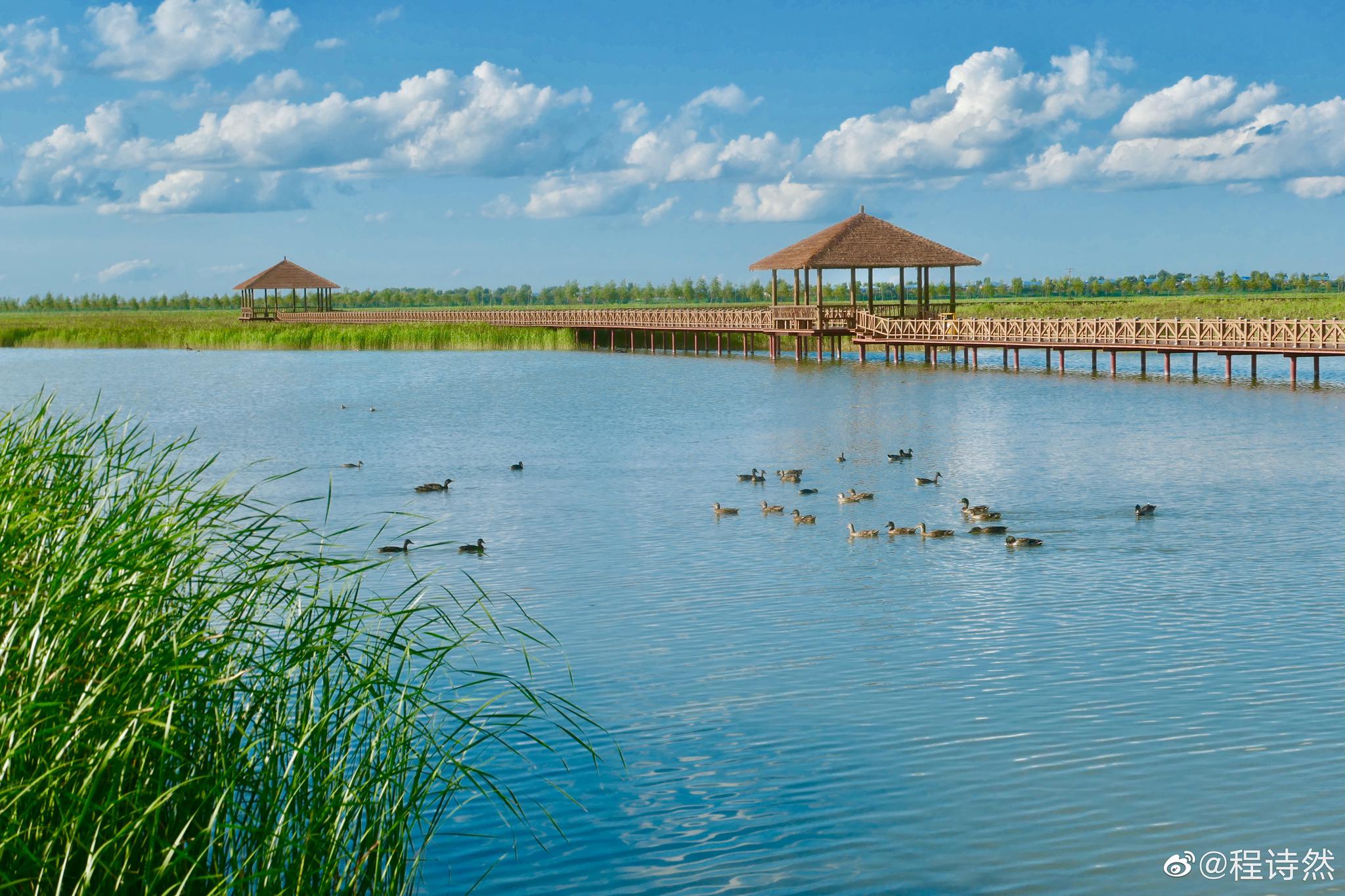
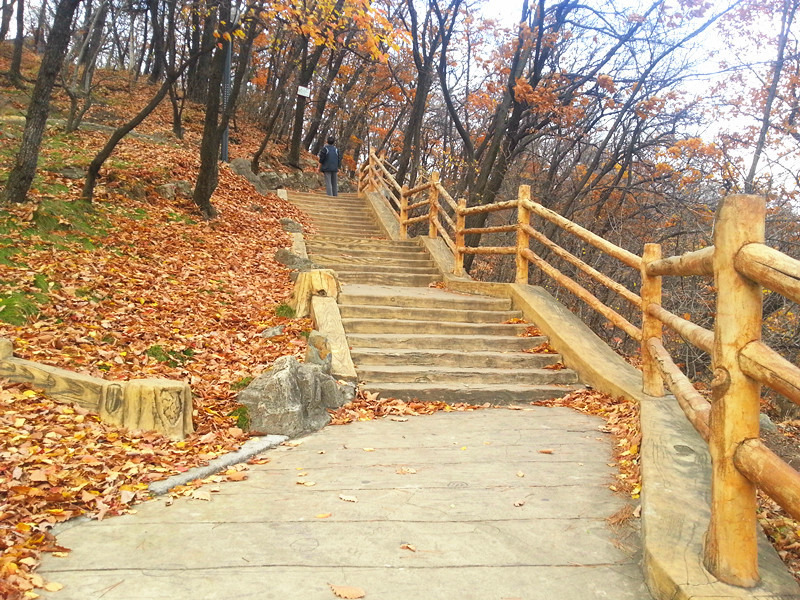
Xianghai National Nature Reserve
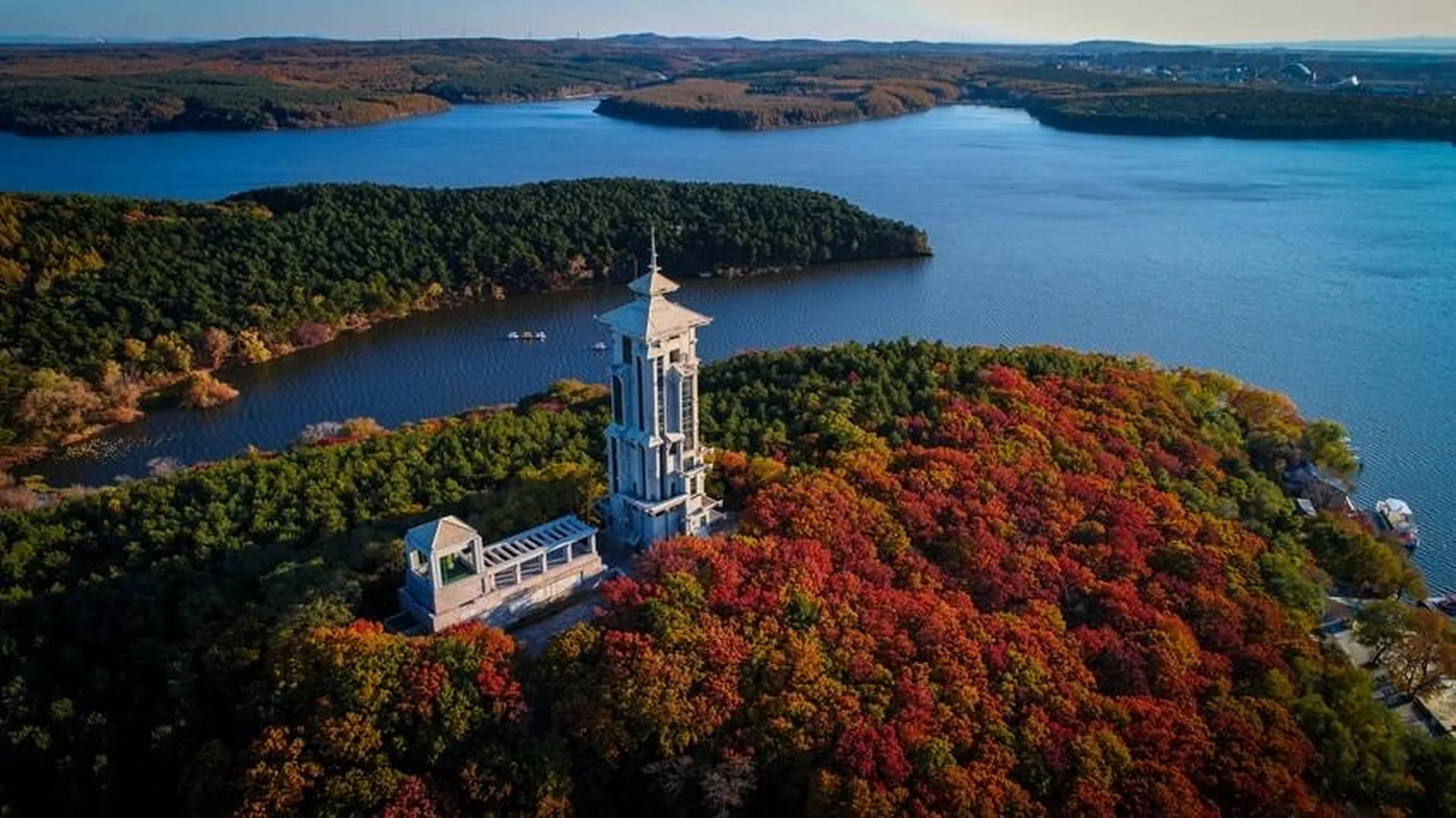
A vast wetland reserve covering over 100,000 hectares. Home to red-crowned cranes, white storks, and hundreds of other bird species. The reserve features lakes, marshes, and grasslands with viewing platforms.
A city in western Jilin near the Inner Mongolia border, Baicheng is a gateway to the Horqin Grassland known for wind energy, agriculture, and wetland scenery.
Baicheng is a prefecture-level city in western Jilin Province, located on the border with Inner Mongolia. The city's name means "white city," believed to refer to the white alkaline soil of the surrounding plains or the snow-covered winter landscape.
Baicheng sits at the transition zone between the Songnen Plain and the Horqin Grassland, giving it a unique landscape of wetlands, grasslands, and agricultural plains. The city is the western gateway of Jilin Province, connecting the province to Inner Mongolia.
The city is renowned for its wetland ecosystems. The Xianghai National Nature Reserve is one of China's most important wetland reserves and a critical habitat for endangered bird species including the red-crowned crane. The reserve is a Ramsar Wetland of International Importance.
Baicheng is also a significant energy producer. The region's strong and consistent winds have made it one of Northeast China's leading wind power generation centers. Hundreds of wind turbines dot the landscape, creating a striking contrast with the traditional grassland scenery.
Agriculture is another economic pillar, with the fertile plains producing corn, rice, sunflowers, and millet. The surrounding grasslands support livestock grazing, particularly sheep and cattle.
The Baicheng area was historically part of the Mongol frontier, with nomadic tribes roaming the grasslands. During the Qing Dynasty, it was part of the Mongol banner system under Qing administration.
Large-scale Han Chinese settlement began in the late 19th and early 20th centuries as the Qing government encouraged migration to frontier areas. The construction of the railway in the 1920s accelerated development.
During the Japanese occupation, Baicheng was an important military logistics center due to its strategic location. After 1949, the city developed as an agricultural center, with state farms established on the plains.
Baicheng was formally established as a prefecture-level city in 1993. In recent decades, the city has invested in wind energy infrastructure, becoming a model for renewable energy development in Northeast China.
The wetland conservation area at Xianghai was established in the 1980s and has become increasingly important for environmental protection and eco-tourism.
Baicheng's economy is increasingly defined by renewable energy. The city is one of the leading wind power centers in Northeast China, with hundreds of wind turbines generating electricity for the regional grid. The wind energy sector has attracted investment and created jobs in manufacturing and maintenance.
Agriculture remains the traditional economic base. The fertile Songnen Plain produces corn, rice, sunflowers, soybeans, and millet. Sunflower seed production is particularly notable, with vast fields of sunflowers blooming in summer.
The livestock sector is significant, with sheep and cattle grazing on the grasslands. Dairy farming has also developed.
Eco-tourism is growing, centered on the Xianghai Wetland Reserve and the Horqin Grassland. Birdwatching, grassland experiences, and cultural tourism attract visitors from across China.
Baicheng faces challenges including a dry climate that limits agricultural diversity and the need to balance wind energy development with environmental protection.

Discover the culinary treasures of Baicheng, from traditional street food to imperial cuisine.
Baicheng Chang'an Airport has flights to Beijing and other major Chinese cities.
Baicheng Railway Station is connected to the national rail network with services to Changchun (2.5 hours) and other cities.
Long-distance buses connect Baicheng to Inner Mongolian cities and destinations across Jilin.
Available throughout the city
Apr - May
Cool and windy. Grasslands turn green. Migratory birds arrive at wetlands.
Jun - Aug
Warm with moderate rainfall. Grasslands at their most lush. Sunflower fields in bloom.
Sep - Oct
Cool and crisp. Golden harvest on the plains. Migratory birds gather at wetlands.
Nov - Mar
Very cold and dry with temperatures often below -15°C. Snow cover creates stark beauty.
Discover more cities, food guides, and travel inspiration.