Nature
Rime Ice (Wusong)
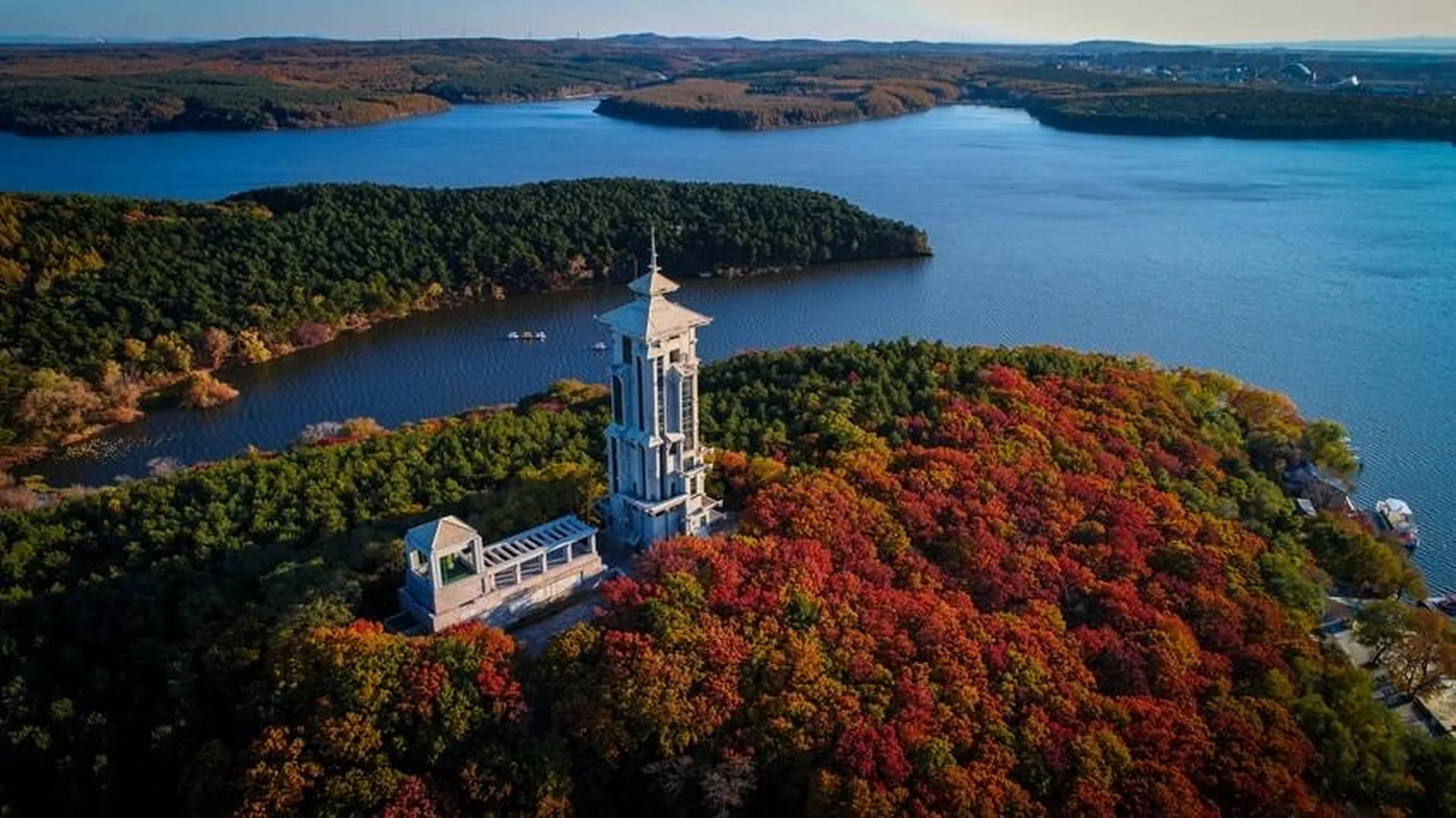
Jilin's Rime Ice is one of China's "Four Great Natural Wonders," alongside the Guilin landscape, Yunnan Stone Forest, and the Three Gorges. During winter, the warm water from the Songhua River hydroelectric plant creates thick, crystalline frost that coats every tree branch along the riverbanks. The result is a fairy-tale landscape of glittering white trees against the blue sky — most spectacular at dawn. The best viewing spots include Wusong Island and the Songhua River scenic promenade.
Best viewed at dawn (06:00-09:00)
Free (public viewing areas)