Changbai Mountain West Slope
The western approach to the legendary Changbai Mountain, featuring Tianchi (Heavenly Lake), volcanic landscapes, and pristine alpine forests. Access from Baishan offers a less crowded experience.
A mountain city in southern Jilin on the North Korean border, Baishan is named after the nearby Changbai Mountains and is known for forestry, ginseng, and pristine nature.
Baishan is a prefecture-level city in southern Jilin Province, situated along the border with North Korea on the Yalu River. The city's name means "white mountain," a direct reference to the nearby Changbai Mountains (literally "Ever-White Mountains").
Baishan is defined by its location in the heart of the Changbai Mountain range. The city has the highest forest coverage rate in Jilin Province, with over 80% of its land area covered by pristine forests. This abundant natural endowment has made forestry the traditional backbone of the local economy.
The city serves as one of the main gateway cities for visitors heading to Changbai Mountain National Nature Reserve, a UNESCO Biosphere Reserve and one of China's most spectacular natural landmarks. The reserve is home to Heavenly Lake (Tianchi), a volcanic crater lake that is both breathtakingly beautiful and deeply significant in Chinese and Korean culture.
The border location gives Baishan a distinctive character. The Yalu River forms the boundary with North Korea, and the area has a significant ethnic Korean population. This cross-border influence is visible in the local cuisine, architecture, and cultural traditions.
Baishan is also a major producer of Changbai Mountain ginseng, widely considered the highest quality ginseng in China.
The Baishan area was historically sparsely populated, inhabited primarily by indigenous peoples and later by Manchu tribes. During the Qing Dynasty, the Changbai Mountain region was considered sacred Manchu ancestral land and was closed to Han settlement.
The modern history of Baishan began with the Japanese occupation when the region's rich forest resources were exploited. Logging operations expanded, and railway lines were built to transport timber.
After 1949, Baishan became a major forestry base for the new China. State-owned logging enterprises dominated the economy, and the population grew as workers arrived. The city was officially established in 1959 as Hunjiang, renamed Baishan in 1994.
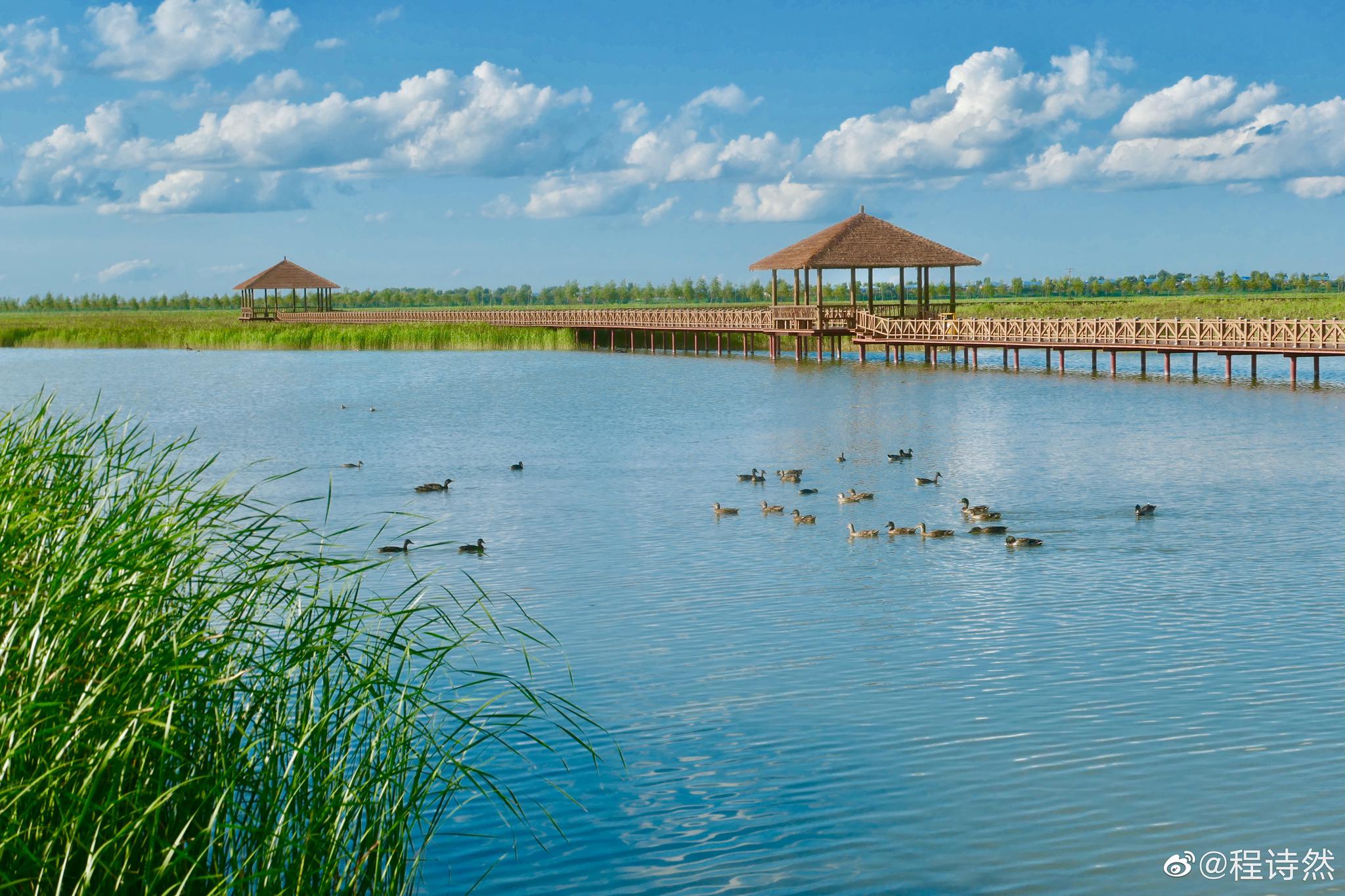
In recent decades, Baishan has transitioned from pure logging to sustainable forest management, tourism, and specialty product development. The city has also worked to protect its natural environment while developing eco-tourism around the Changbai Mountain area.
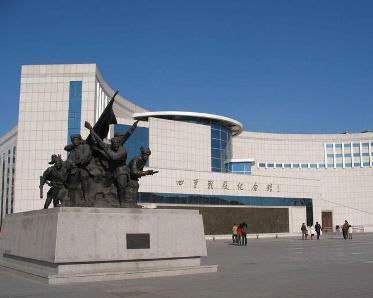
The border area along the Yalu River has seen significant historical events, including the Korean War and subsequent cross-border interactions.

Baishan's economy has traditionally been based on forestry, with timber production and processing as the dominant industries. The city has been one of China's most important sources of high-quality timber for decades.
In recent years, the economy has diversified. Ginseng cultivation and processing have grown significantly, with Baishan ginseng commanding premium prices. The pharmaceutical industry has developed around traditional medicine products.
Eco-tourism is a rapidly growing sector, driven by the proximity to Changbai Mountain. Hotels, restaurants, and tour services have expanded to serve the increasing number of visitors.
The city also has mineral resources including coal, iron, and gold, though mining is less central to the economy than forestry. Agriculture is limited by mountainous terrain but includes cold-resistant crops and livestock grazing in the valleys.
Discover the culinary treasures of Baishan, from traditional street food to imperial cuisine.
The nearest major airport is Changbaishan Airport, located about 100 km from Baishan city center.
Baishan has rail connections to Changchun, Shenyang, and other cities via the regional rail network.
Long-distance buses connect Baishan to Jilin Province cities and the Changbai Mountain scenic area.
Available throughout the city
May - Jun
Cool and gradually warming. Wildflowers bloom in the mountains.
Jul - Aug
Cool and comfortable with lush green forests. Best time for mountain hiking.
Sep - Oct
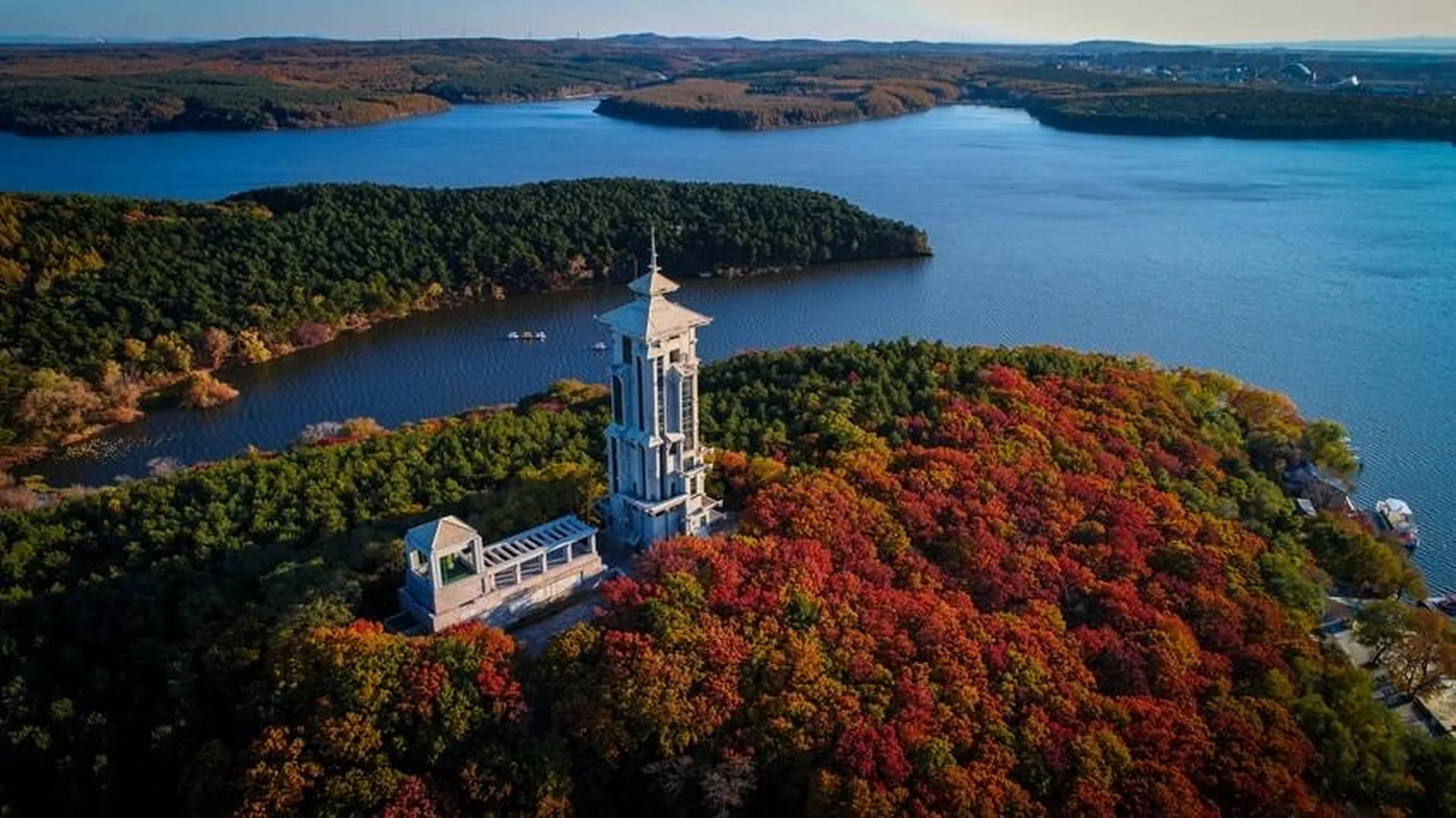
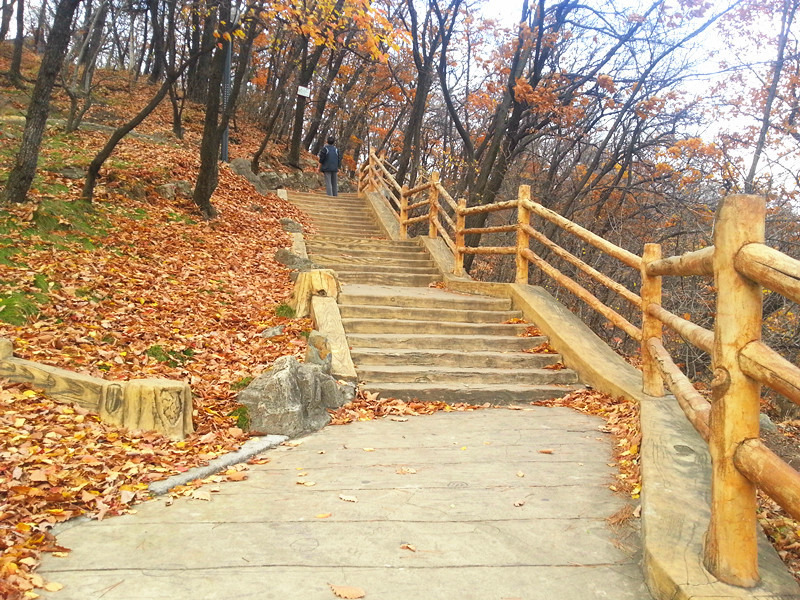
Crisp, clear days with spectacular autumn foliage in the Changbai Mountains.
Nov - Apr
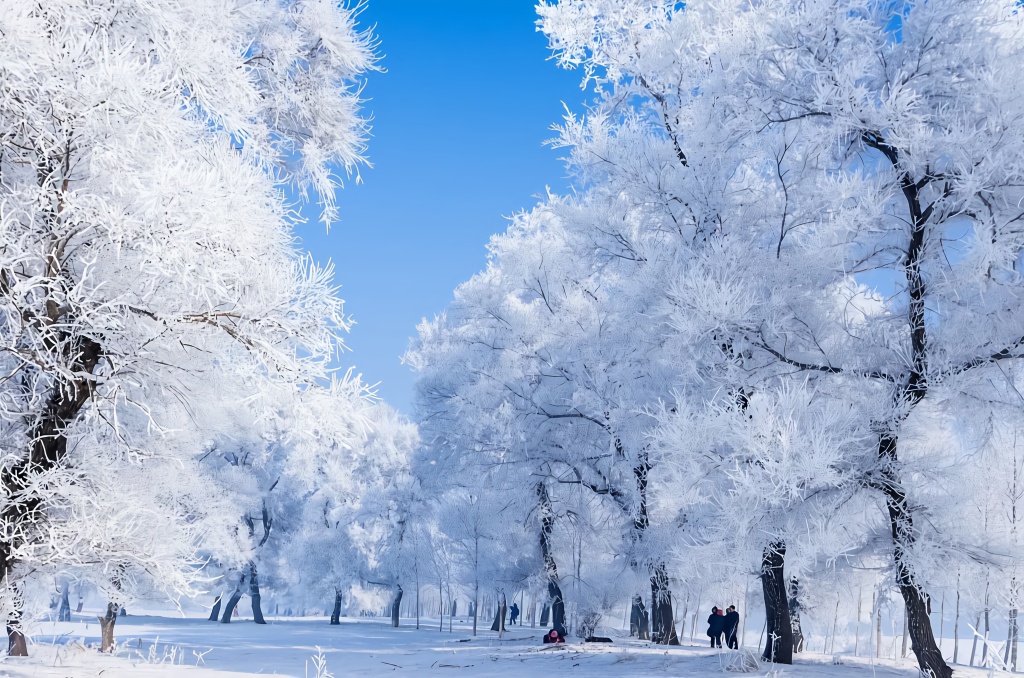
Long, cold, and snowy. Changbai Mountain is covered in snow. Skiing available.
Discover more cities, food guides, and travel inspiration.