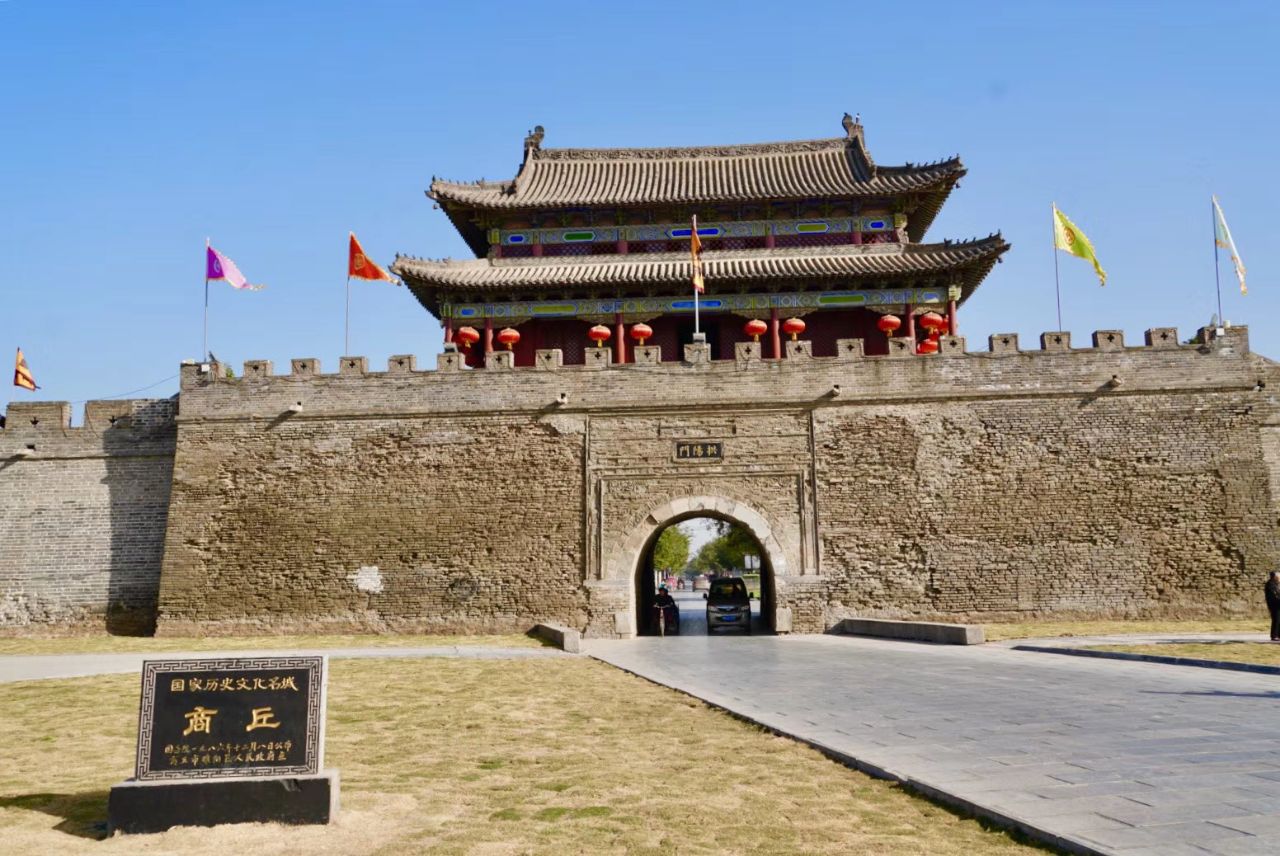
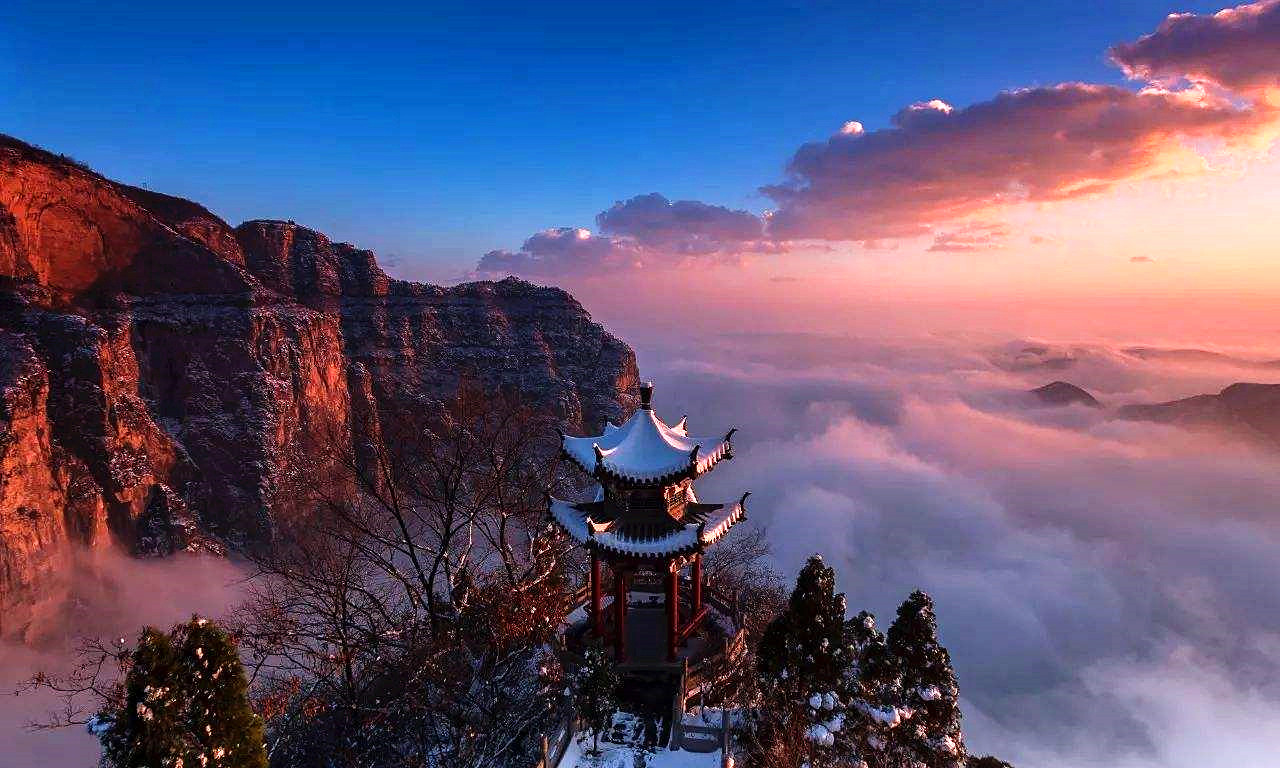
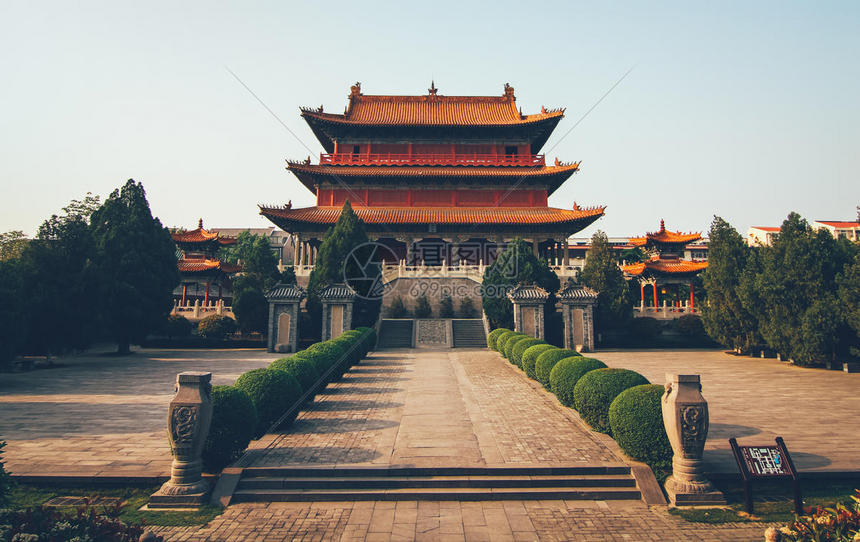
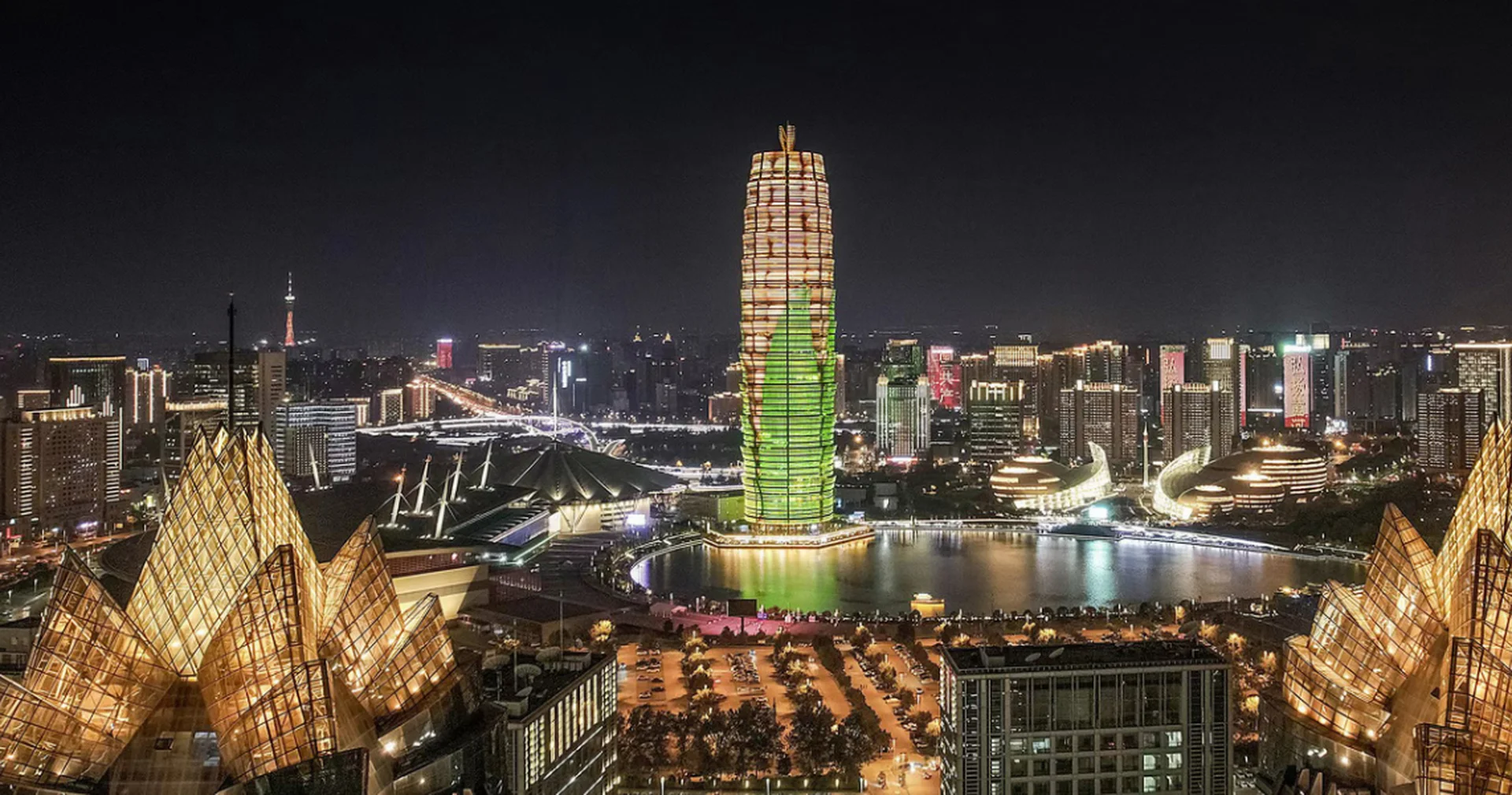
Sanmenxia city skyline and landmarks (三门峡) - Travel China Guide

Sanmenxia Travel Guide

Where the Yellow River roars through the legendary Hangu Pass, gateway to ancient China's heartland.

About

Sanmenxia, meaning "Three-Gate Gorge," sits at the crossroads of ancient China where the Yellow River exits the Loess Plateau and enters the Central Plains. The city's name comes from three rock islands that once divided the Yellow River into three channels at this point, creating a dramatic gorge known for its treacherous rapids.

This region has played an outsized role in Chinese civilization. It was here, in 1921, that the Yangshao culture — one of China's most important Neolithic civilizations — was first discovered. The painted pottery of Yangshao, with its distinctive black-on-red geometric designs, revealed that a sophisticated prehistoric society flourished along the Yellow River over 7,000 years ago.

Hangu Pass, located just west of Sanmenxia, was the most important strategic gateway in ancient China. For over 2,000 years, whoever controlled this narrow pass controlled movement between the fertile Guanzhong Plain and the rest of China. Legend holds that Laozi, the founder of Taoism, wrote the Tao Te Ching at the request of the pass guardian before departing through this gate into the unknown west.

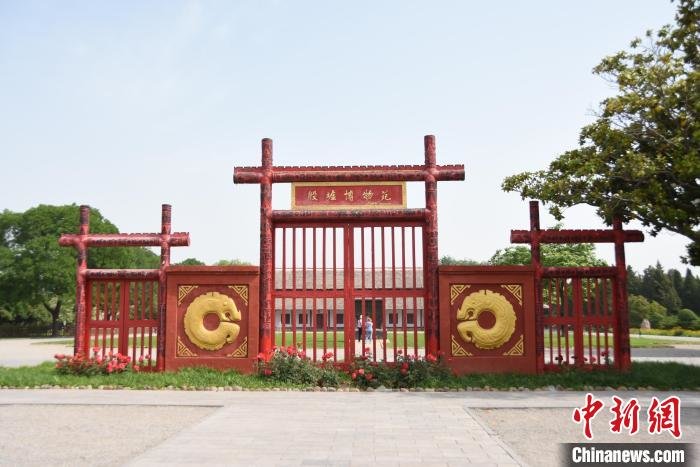
The Guoyu State Museum preserves the extraordinary bronze treasures of the ancient State of Guo, a Zhou Dynasty vassal kingdom, offering an unparalleled glimpse into the ritual and military life of early Chinese civilization.

Sanmenxia is also famous for being the site of the first dam built on the Yellow River. The Sanmenxia Dam, completed in 1960, was a massive infrastructure project symbolizing China's ambition to control its most unpredictable river. Though controversial due to siltation issues, the dam created a large reservoir that has become an important wetland habitat.

Today, Sanmenxia is known as the "City of Swans" — thousands of whooper swans migrate here each winter, turning the Yellow River wetlands into a spectacular natural wonderland.

History & Development

Sanmenxia's history begins with the Yangshao culture (5000-3000 BC), first discovered at Yangshao Village in Mianchi County in 1921. This archaeological breakthrough established the existence of a sophisticated Neolithic civilization in the Yellow River valley.

During the Western Zhou Dynasty, the area was home to the State of Guo, a significant vassal kingdom. The State of Guo Cemetery, discovered in the 1990s, yielded thousands of exquisite bronze, jade, and iron artifacts.

Hangu Pass became critically important during the Warring States period (475-221 BC) as the defensive gateway for the Qin State. The pass's strategic significance continued through the Han, Tang, and subsequent dynasties. The Taoist classic Tao Te Ching is said to have been written here.

The modern era brought the ambitious Sanmenxia Dam project (1957-1960), China's first large-scale hydroelectric project on the Yellow River. The dam and its associated infrastructure transformed the region's economy and landscape.

Sanmenxia was established as a prefecture-level city in 1986, encompassing the historical and cultural treasures of this ancient crossroads region.
Economy & Industries

Sanmenxia's economy is based on a combination of traditional industries and growing tourism. The city sits on significant mineral resources, including gold, bauxite, and coal. Gold mining is particularly important, with Sanmenxia being one of China's major gold-producing regions.

The Yellow River Dam provides hydroelectric power and supports irrigation for agriculture. The fertile valleys produce apples, particularly from Lingbao which is famous for its high-quality apples throughout China. Persimmons, kiwifruit, and other fruits are also important agricultural products.

Tourism has become a major economic driver, with Hangu Pass, the Yangshao Culture Museum, the Guoyu Museum, and the Swan Lake attracting growing numbers of visitors. The annual swan migration has put Sanmenxia on both domestic and international tourism maps.

GDP stands at approximately 160 billion yuan.

Top Attractions

🏛️ Landmark

Hangu Pass

One of the most important strategic passes in ancient China, guarding the corridor between the Guanzhong Plain (Shaanxi) and the Central Plains (Henan) for over 2,000 years. Built during the Warring States period, the pass was fiercely contested by warring kingdoms. It was here that Laozi, founder of Taoism, is said to have written the Tao Te Ching before disappearing into the west. The reconstructed pass features massive gate towers, an ancient city wall, and a museum of military history.

★★★★ 4.7
🕐 8:00 AM-6:00 PM
🎫 80 yuan
🎭 Museum

Yangshao Culture Museum

Dedicated to the Neolithic Yangshao culture (5000-3000 BC), first discovered in Sanmenxia's Yangshao Village in 1921 by Swedish geologist Johan Gunnar Andersson. This discovery revolutionized understanding of prehistoric China. The museum displays exquisite painted pottery — including iconic red clay vessels with black geometric patterns — as well as stone tools, bone implements, and burial artifacts that provide a window into Neolithic life along the Yellow River.

★★★★ 4.8
🕐 8:30 AM-5:30 PM
🎫 50 yuan
🏛️ Landmark

Sanmenxia Yellow River Dam

The first dam built on the main course of the Yellow River, constructed between 1957 and 1960 with Soviet assistance. The dam spans 713 meters across the river and stands 106 meters tall, creating a massive reservoir. The project was controversial due to severe siltation problems that required subsequent modifications. Visitors can walk across the dam, visit the turbine hall, and see the famous "Three Gates" (the three rock islands that gave Sanmenxia its name) partially submerged in the reservoir.

★★★★ 4.4
🕐 8:00 AM-6:00 PM
🎫 30 yuan
🎭 Museum

Guoyu State Museum

A museum built on the site of the ancient State of Guo, a vassal state during the Western Zhou Dynasty (1046-771 BC). The museum is constructed over the actual burial complex, allowing visitors to view the tombs exactly as they were discovered. The highlight is the stunning collection of bronze ritual vessels, jade artifacts, chariot fittings, and weapons. The "Jade Sceptre" and the bronze "Guo Ji Zi Bai Pan" are national treasures.

★★★★ 4.8
🕐 9:00 AM-5:30 PM
🎫 60 yuan
🏔️ Nature

Yellow River Swan Lake

A wetland park along the Yellow River that has become a wintering ground for thousands of whooper swans and other migratory birds. Between November and March, the lake surface is covered with elegant white swans, creating a magical scene against the backdrop of the Yellow River and distant mountains. The park has observation platforms and boardwalks for bird watching, and the sight of thousands of swans taking flight at dawn is truly spectacular.

★★★★ 4.7
🕐 Open 24 hours
🎫 Free
🏛️ Landmark

Han Valley Pass (Wen Valley Pass)

The ancient roadway passing through the Hangu Pass, a narrow valley that served as the main route between the Central Plains and the Guanzhong region for thousands of years. The ancient road, worn deep into the yellow earth by centuries of foot and cart traffic, is a powerful physical reminder of the movement of armies, merchants, and cultures that shaped Chinese civilization. Stone markers and historical signs line the path.

★★★★ 4.5
🕐 8:00 AM-6:00 PM
🎫 Included in Hangu Pass ticket

Food & Culture

Discover the culinary treasures of Sanmenxia, from traditional street food to imperial cuisine.

Things to Do

🏛️

Ancient Pass Exploration

Visit Hangu Pass and walk the ancient road that once connected East and West China.

Prehistoric Journey

Discover the 7,000-year-old Yangshao culture at its type-site museum.

Swan Watching

Visit the Yellow River Swan Lake between November and March to see thousands of swans.

Yellow River Dam Tour

Walk across the first dam on the Yellow River and learn about its history.

Suggested Itineraries

Ancient Gateway Discovery

Step back in time exploring the strategic pass and ancient states of early China.

  • Hangu Pass
  • Ancient Road
  • Guoyu Museum

Sanmenxia Complete Tour

Cover the best of Sanmenxia from prehistoric culture to Yellow River engineering.

  • Hangu Pass
  • Yangshao Museum
  • Yellow River Dam
  • Swan Lake

Getting Around

✈️

Airport

Yuncheng Zhangxiao Airport (YCU) in Shanxi — about 80 km northeast. Sanmenxia West Airport (under planning)

🚄

High-Speed Rail

Sanmenxia South Station on the Xuzhou-Lanzhou HSR line: 40 minutes to Xi'an, 1 hour to Zhengzhou

🚇

Metro

No metro

Best Time to Visit

Spring (April-May) and Autumn (September-October) offer the best weather for most destinations in China.

Continue Exploring China

Discover more cities, food guides, and travel inspiration.