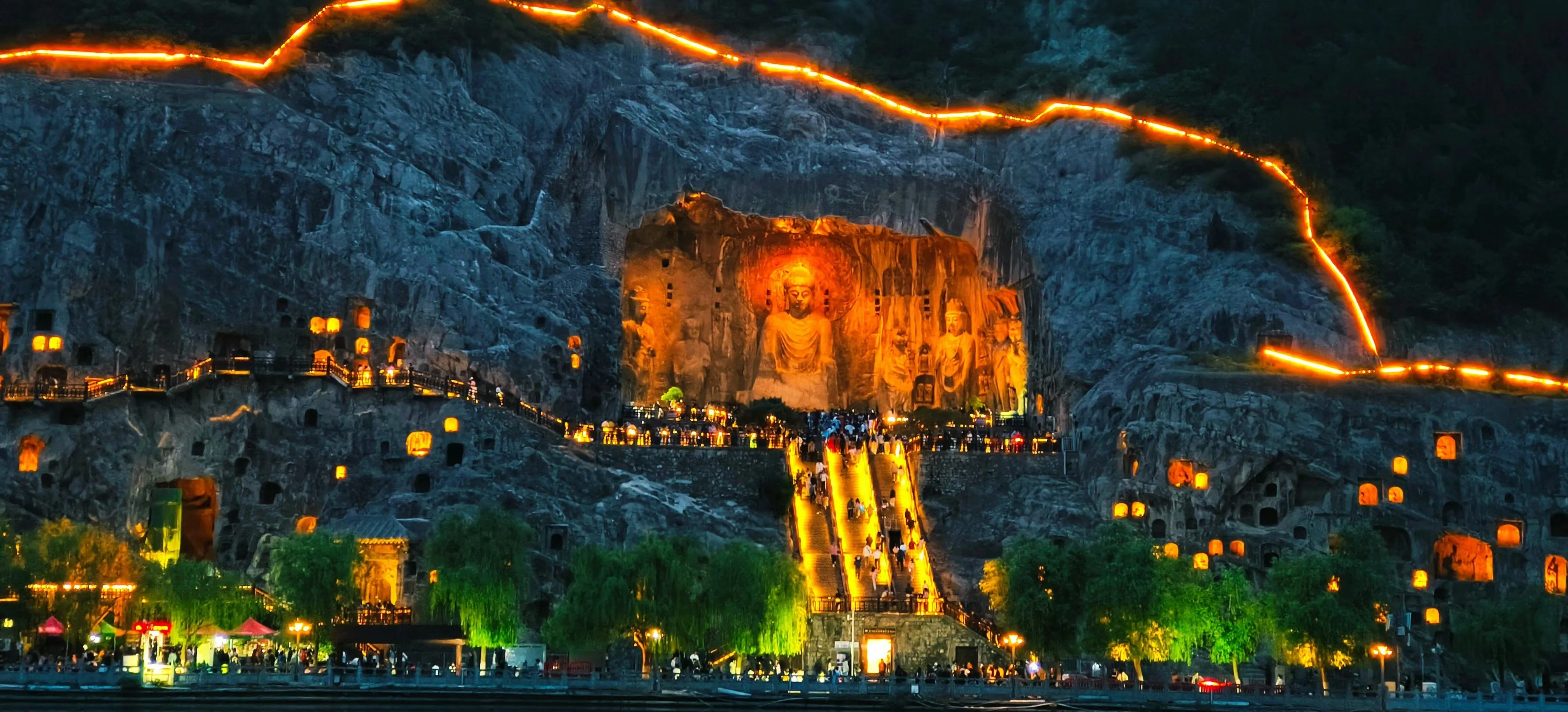
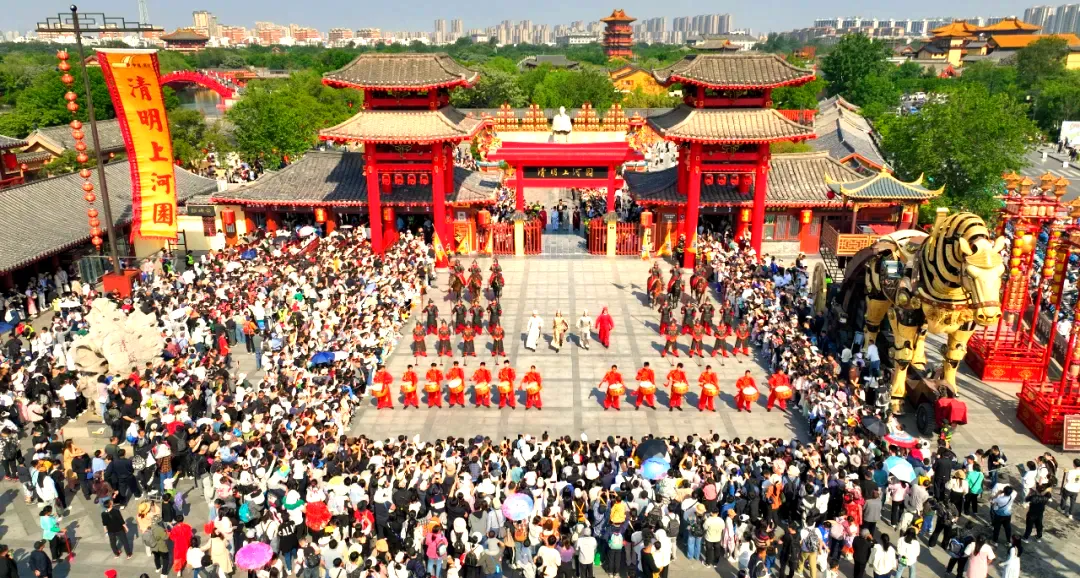
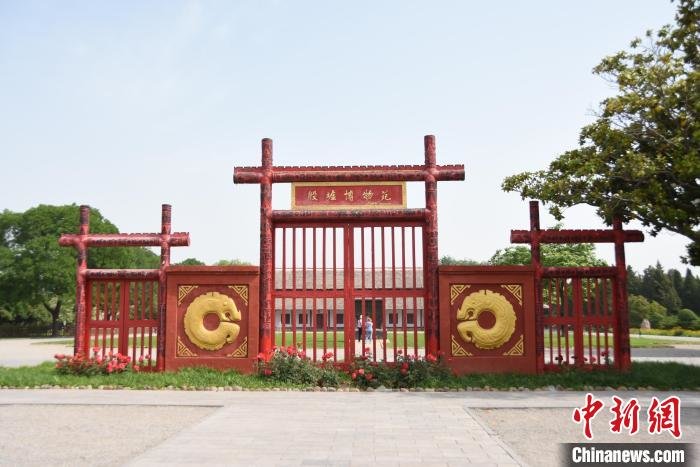
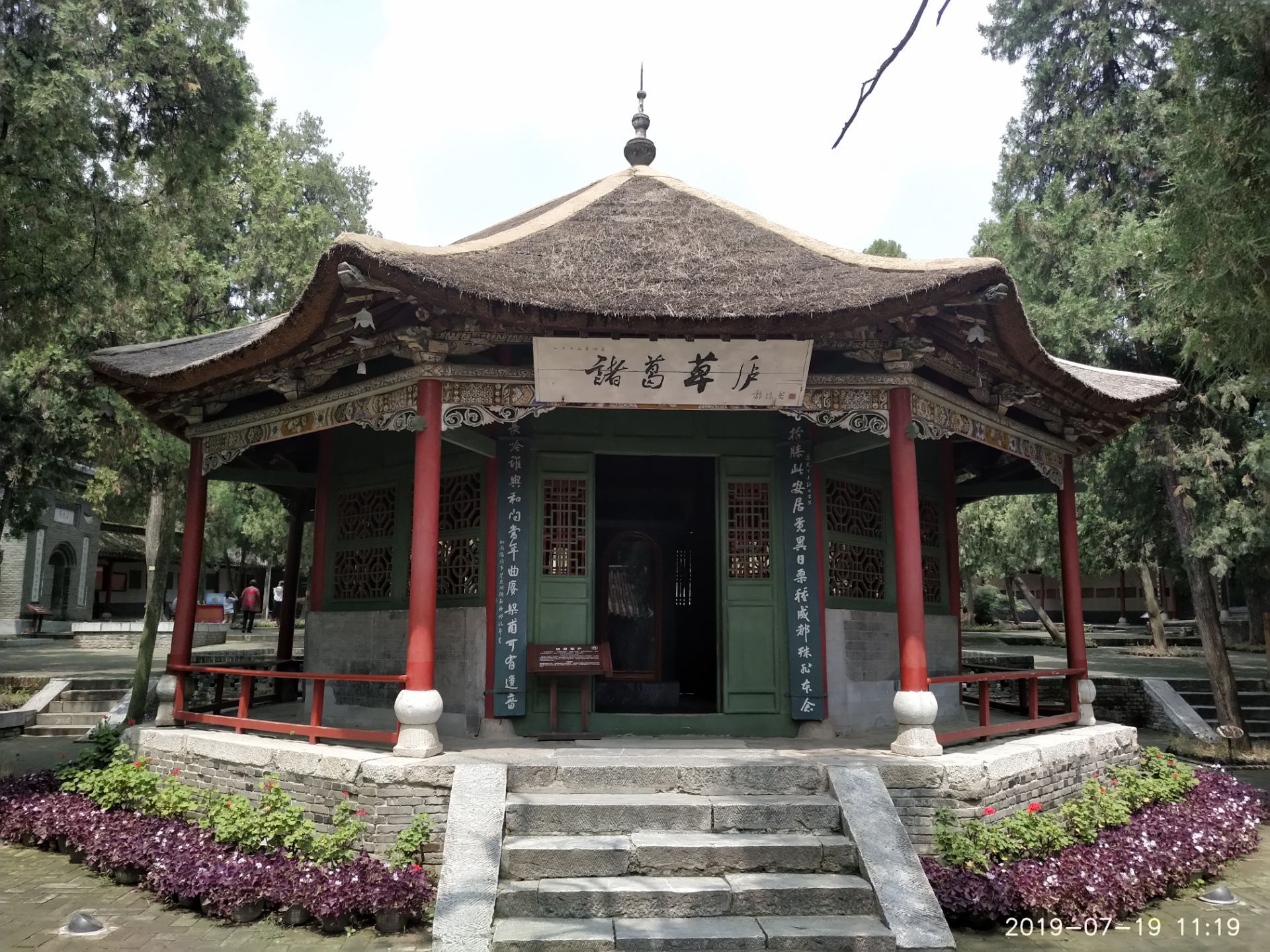
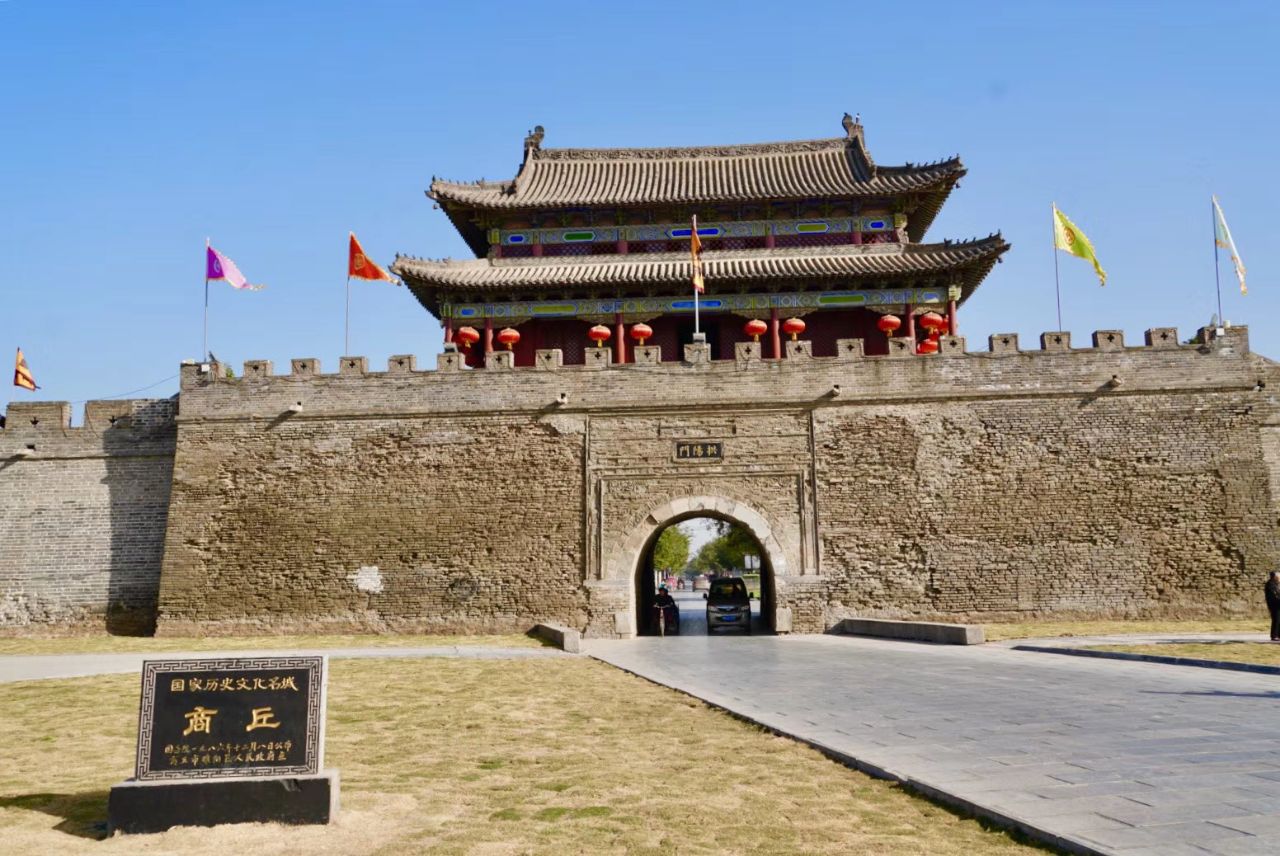
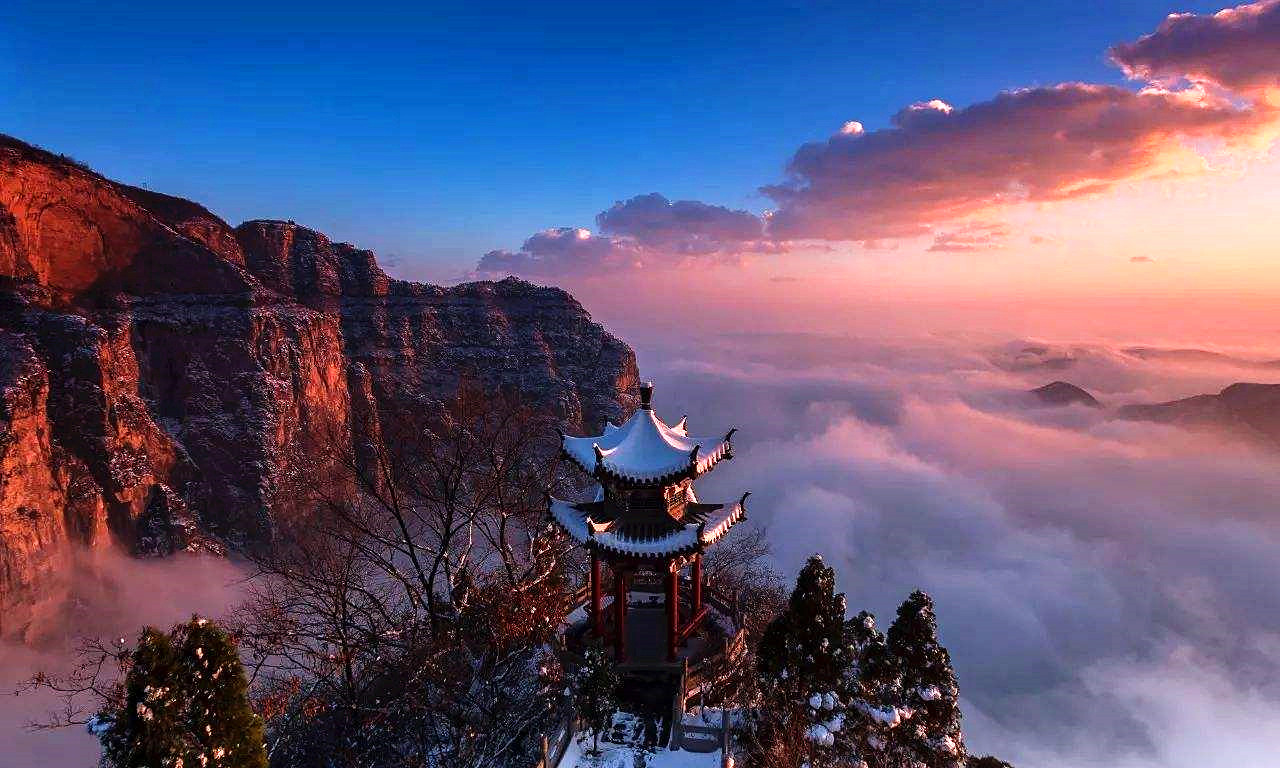
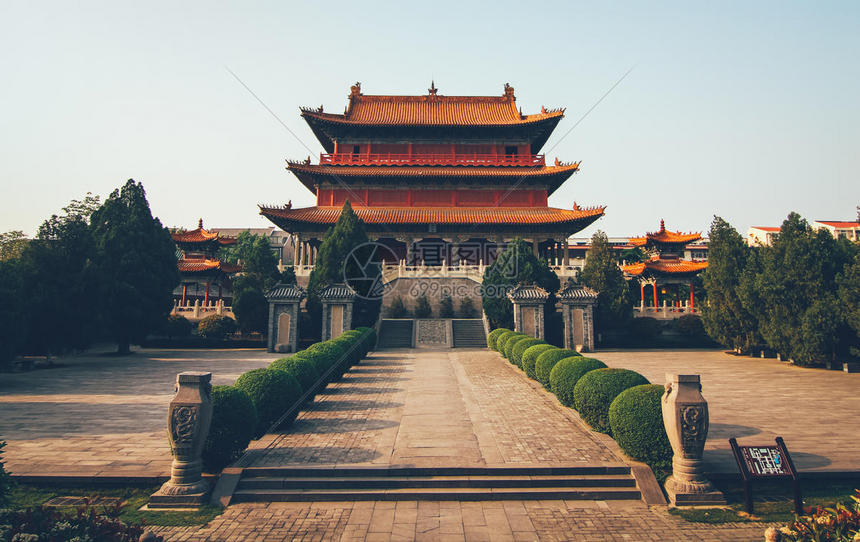
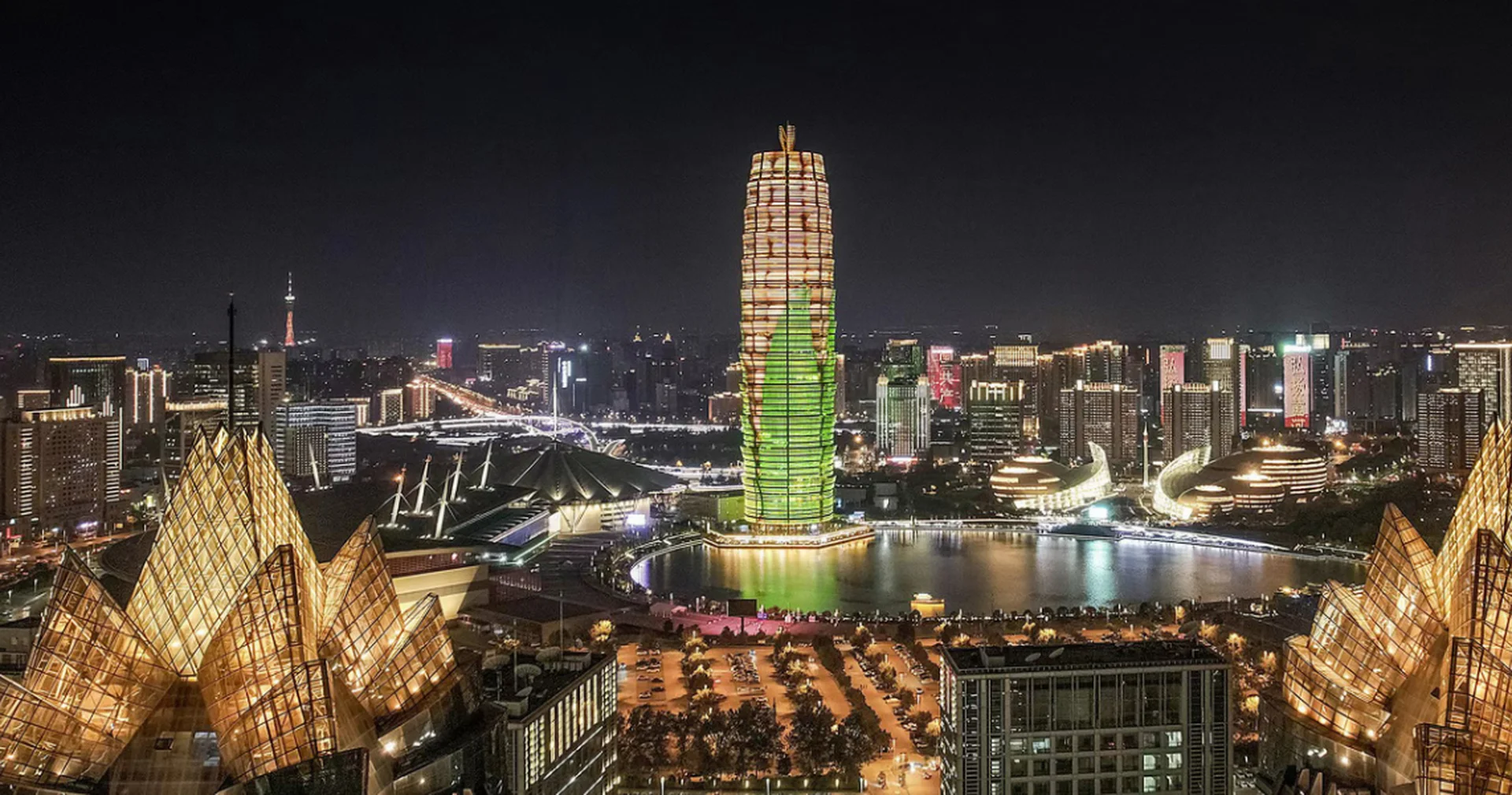
Puyang city skyline and landmarks (濮阳) - Travel China Guide

Puyang Travel Guide

The Hometown of the Chinese Dragon, where a 6,400-year-old dragon artifact marks the dawn of Chinese civilization and Yellow Emperor legends.

About

Puyang, located in northeastern Henan Province along the Yellow River, holds a special place in Chinese civilization as the "Hometown of the Chinese Dragon." In 1987, archaeologists discovered a dragon-shaped artifact made from clam shells that dates back 6,400 years — the earliest known representation of a dragon in Chinese culture. This artifact has led many scholars to consider Puyang as a cradle of Chinese civilization.

The region's legendary history runs even deeper. Ancient texts record that the Yellow Emperor (Huangdi), the mythical founder of Chinese civilization, fought his decisive battle against the warlord Chiyou near present-day Puyang. According to tradition, Emperor Shun, one of the legendary sage kings, was born here. The Qicheng archaeological site demonstrates 5,000 years of continuous human settlement, with artifacts spanning from the Neolithic period through dynastic China.

Modern Puyang was historically a center of oil production, but today the city is transforming its identity around cultural tourism. The Chinese Dragon Park and extensive archaeological museums showcase the region's extraordinary heritage. Unlike more famous historical cities, Puyang offers a chance to explore the very foundations of Chinese civilization without crowds.

The local cuisine features hearty northern dishes, with the famous "Zhuangmo" — giant stuffed flatbread — being the signature dish. Visitors can sample unique preserved foods like "zaoyu" (fermented fish) and traditional blood sausages that reflect the region's practical cooking traditions.

History & Development

Puyang's history extends to the earliest chapters of Chinese civilization. Archaeological evidence shows human habitation here over 6,400 years ago, with the discovery of the famous "First Dragon of China" clamshell artifact in 1987.

According to ancient texts, the Yellow Emperor fought the legendary Battle of Zhuolu against Chiyou in this region around 2600 BCE — a foundational myth of Chinese civilization. Emperor Shun, one of the Five Emperors of Chinese mythology, is also said to have been born here.

The Qicheng site provides archaeological evidence of continuous settlement from the Neolithic period through the Han Dynasty, spanning 5,000 years. The city walls, building foundations, and artifacts demonstrate sophisticated urban development.

During the Spring and Autumn and Warring States periods, Puyang was part of the state of Wei and later became an important strategic location. The name "Puyang" appears in classical texts including the Book of Songs.

Modern Puyang's development was driven by oil discoveries in the 1970s. The Zhongyuan Oilfield transformed the region's economy and infrastructure. Today, the city is pivoting toward heritage tourism and cultural industries.
Economy & Industries

Puyang's economy has historically been based on agriculture and petroleum. The Zhongyuan Oilfield, discovered in the 1970s, was once one of China's major oil production centers and drove the city's modern development.

Agriculture remains significant, with wheat, corn, cotton, and vegetables as primary crops. The Yellow River provides irrigation and fishing resources.

In recent years, Puyang has diversified into manufacturing, including chemical processing, textiles, and food production. The city has also invested heavily in cultural tourism infrastructure, leveraging its extraordinary archaeological heritage.

Small and medium enterprises have grown in sectors like machinery, building materials, and modern logistics. The city government actively promotes industrial upgrading and environmental remediation.

Top Attractions

🎭 Museum

Chinese Dragon Park

This park was built to showcase the 6,400-year-old dragon artifact discovered in Puyang — the earliest known dragon symbol in China. The artifact, made from clam shells arranged in a dragon shape, was unearthed in 1987 and has been called "The First Dragon of China." The park features a museum displaying archaeological finds, dragon-themed sculptures, and gardens celebrating Chinese dragon culture.

★★★★ 4.7
🕐 08:00-18:00
🎫 40 yuan
🏛️ Landmark

Qicheng Ruins

Qicheng is one of China's most important archaeological sites, with evidence of continuous human settlement spanning 5,000 years. The site contains city walls from the Western Zhou Dynasty, ancient foundations, and numerous artifacts. Most significantly, the "First Dragon" clamshell artifact was discovered here. The site museum displays discoveries from multiple archaeological periods.

★★★★ 4.6
🕐 08:30-17:30
🎫 30 yuan
🏔️ Nature

Pushang Garden

Pushang Garden is a large scenic park combining natural wetlands, lakes, and traditional architecture. Built around historical sites mentioned in ancient texts, the park features walking trails, boat rides, and pavilions. It's named after the ancient Pushang area, famous in classical Chinese literature for its beauty and leisure activities.

★★★★ 4.4
🕐 06:00-22:00
🎫 Free
⛩️ Temple

Emperor Shun Memorial

According to tradition, Emperor Shun, one of China's legendary sage kings, was born in Puyang. This memorial complex honors his legacy with shrines, historical exhibits, and traditional architecture. The site is an important pilgrimage destination for those studying ancient Chinese history and mythology.

★★★★ 4.3
🕐 08:00-17:30
🎫 Free
🏛️ Landmark

Yellow Emperor Battle Site

Ancient texts record that the Yellow Emperor (Huangdi) battled the mythical warlord Chiyou near present-day Puyang, a conflict that marked the founding of Chinese civilization. While the exact battle location is debated, this memorial site commemorates the legendary event with monuments and interpretive displays.

★★★★ 4.2
🕐 Open daily
🎫 Free
🎭 Museum

Puyang Museum

The city museum houses extensive collections from Puyang's rich archaeological heritage. Highlights include the First Dragon artifact, bronze implements from the Shang Dynasty, and artifacts spanning 6,000 years of continuous habitation. The museum provides excellent context for understanding the region's importance in Chinese civilization.

★★★★ 4.5
🕐 09:00-17:00 (Closed Mondays)
🎫 Free (ID required)

Food & Culture

Discover the culinary treasures of Puyang, from traditional street food to imperial cuisine.

Things to Do

🏛️

Dragon Culture Tour

Trace the origins of Chinese dragon symbolism at the First Dragon discovery site.

Ancient Civilization Walk

Explore 5,000 years of continuous settlement at Qicheng archaeological site.

Pushang Garden Relaxation

Enjoy boat rides and nature walks in this scenic wetland park.

⛩️

Emperor Shun Pilgrimage

Visit the legendary birthplace of the sage king Emperor Shun.

Museum Deep Dive

Study 6,000 years of artifacts at the comprehensive city museum.

🍜

Local Food Hunt

Sample giant stuffed breads, traditional sausages, and preserved fish.

Suggested Itineraries

Dragon Civilization Day

Discover the roots of Chinese civilization in one comprehensive day.

  • Morning: Chinese Dragon Park + First Dragon artifact
  • Midday: Puyang Museum
  • Afternoon: Qicheng Ruins + Pushang Garden

Legendary Kings Route (2 Days)

Follow the legendary footsteps of the Yellow Emperor and Emperor Shun.

  • Day 1: Dragon Park + Museum + Qicheng
  • Day 2: Emperor Shun Memorial + Yellow Emperor Battle Site

Getting Around

✈️

Airport

Nearest airport is Zhengzhou Xinzheng Airport (about 200km, 2.5 hours by car).

🚄

High-Speed Rail

Puyang East Station on the Zhengzhou-Jinan High-Speed Railway, reaching Zhengzhou in 1 hour.

🚌

Bus Network

City buses cover main attractions. Taxis and ride-hailing are affordable.

🚕

Taxi & Rideshare

Available throughout the city

Best Time to Visit

🌸

Spring

Apr - May

★★★★★

Comfortable temperatures and blooming gardens. Ideal for walking archaeological sites.

  • Perfect weather
  • Flower season in parks
  • Comfortable hiking
☀️

Summer

Jun - Aug

★★★☆☆

Hot and humid with occasional rain. Indoor museums recommended during midday.

  • Museums are cool
  • Water activities at Pushang
  • Lush vegetation
🍂

Autumn

Sep - Oct

★★★★★

Clear skies and comfortable temperatures. Perfect for outdoor heritage exploration.

  • Best photography light
  • Comfortable exploration
  • Fall colors in parks
❄️

Winter

Nov - Mar

★★★☆☆

Cold and occasionally snowy. Quietest season with empty archaeological sites.

  • No crowds
  • Snow on ancient sites
  • Warm local food

Continue Exploring China

Discover more cities, food guides, and travel inspiration.