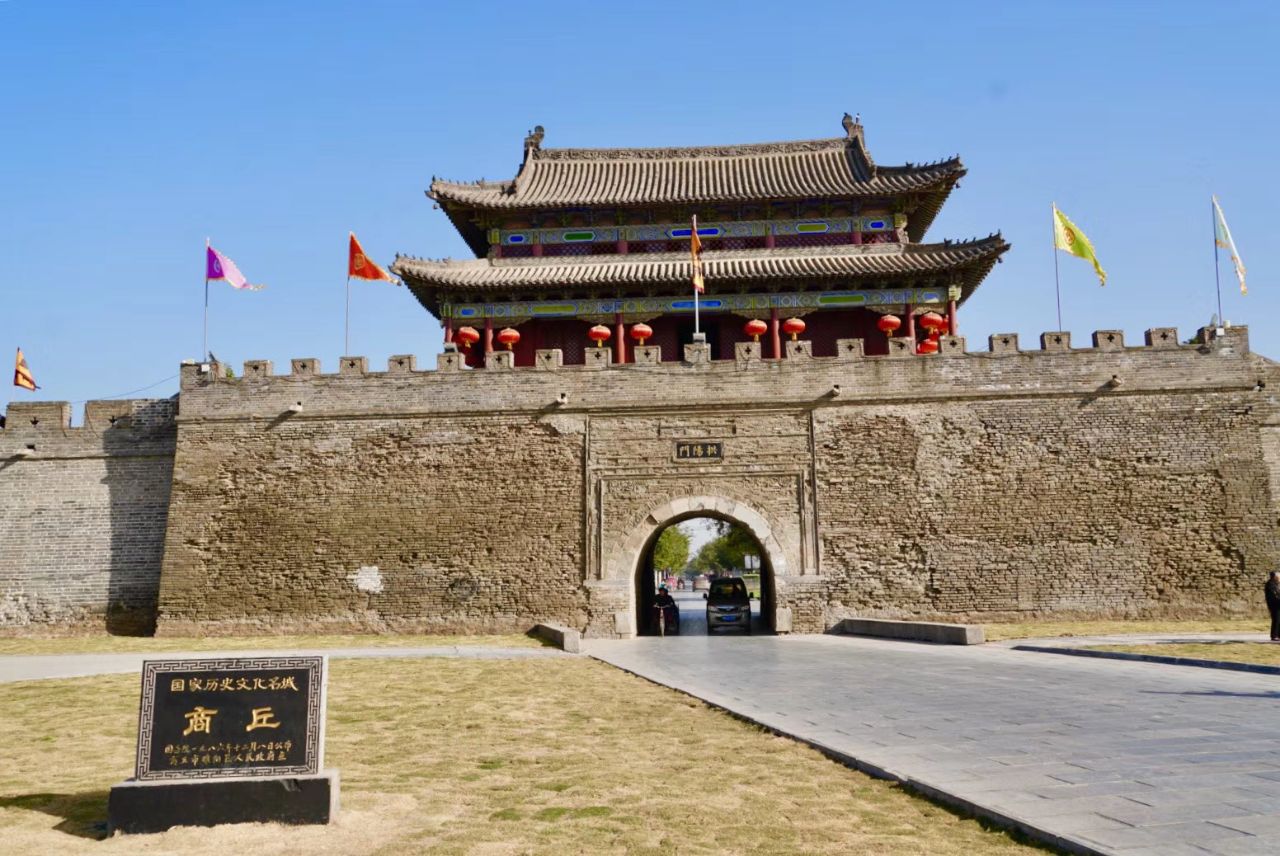
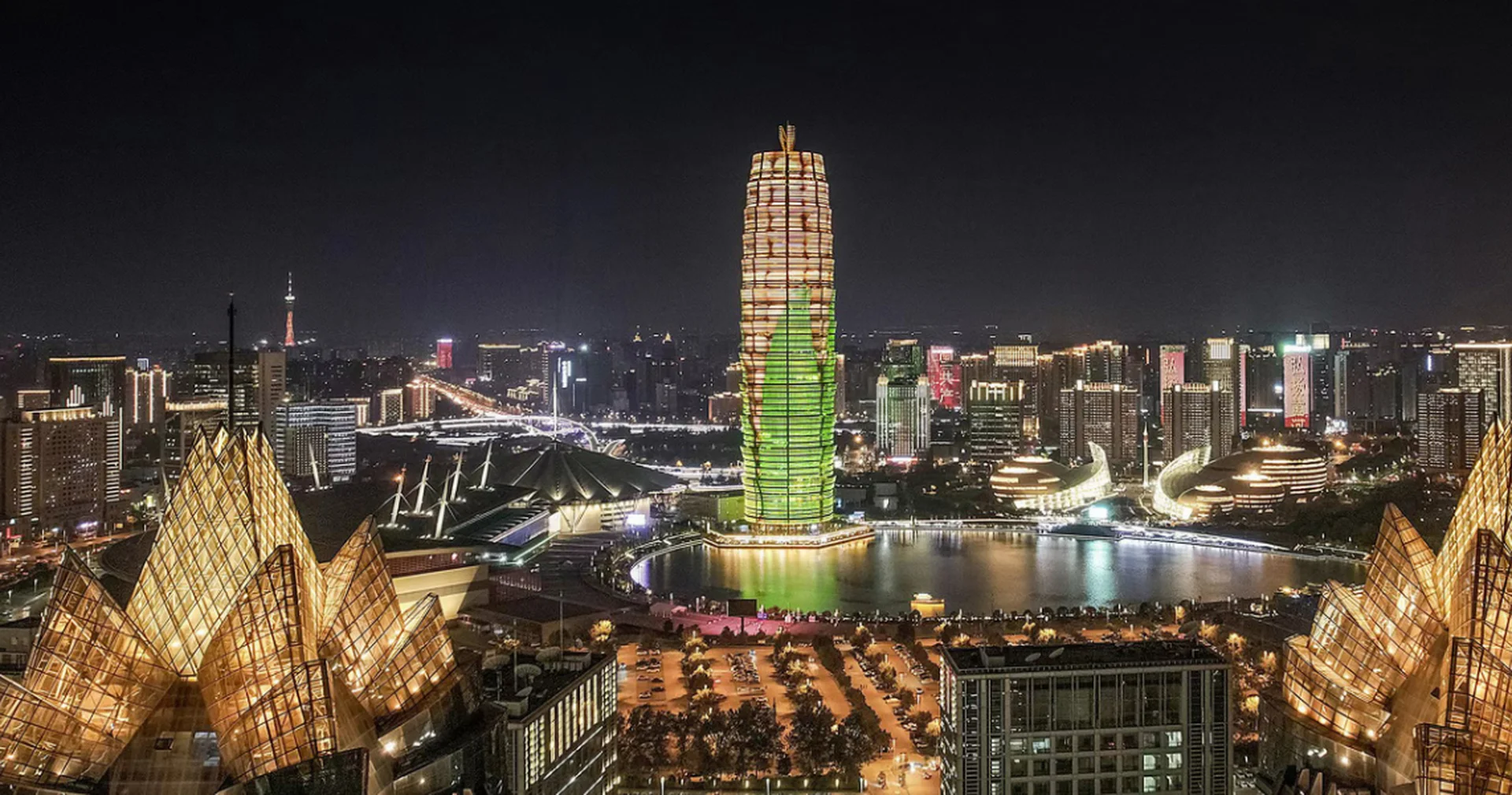
Pingdingshan city skyline and landmarks (平顶山) - Travel China Guide

Pingdingshan Travel Guide

Home of the magnificent Yaoshan scenic area and the world's tallest Spring Temple Vairochana Buddha statue.

About

Pingdingshan, meaning "Flat-Top Mountain," is a city in central Henan Province with a name derived from a nearby mountain with a unique flat summit. While historically known for its abundant coal reserves that powered much of Henan's industrialization, the city has transformed into a diverse cultural and tourism destination.

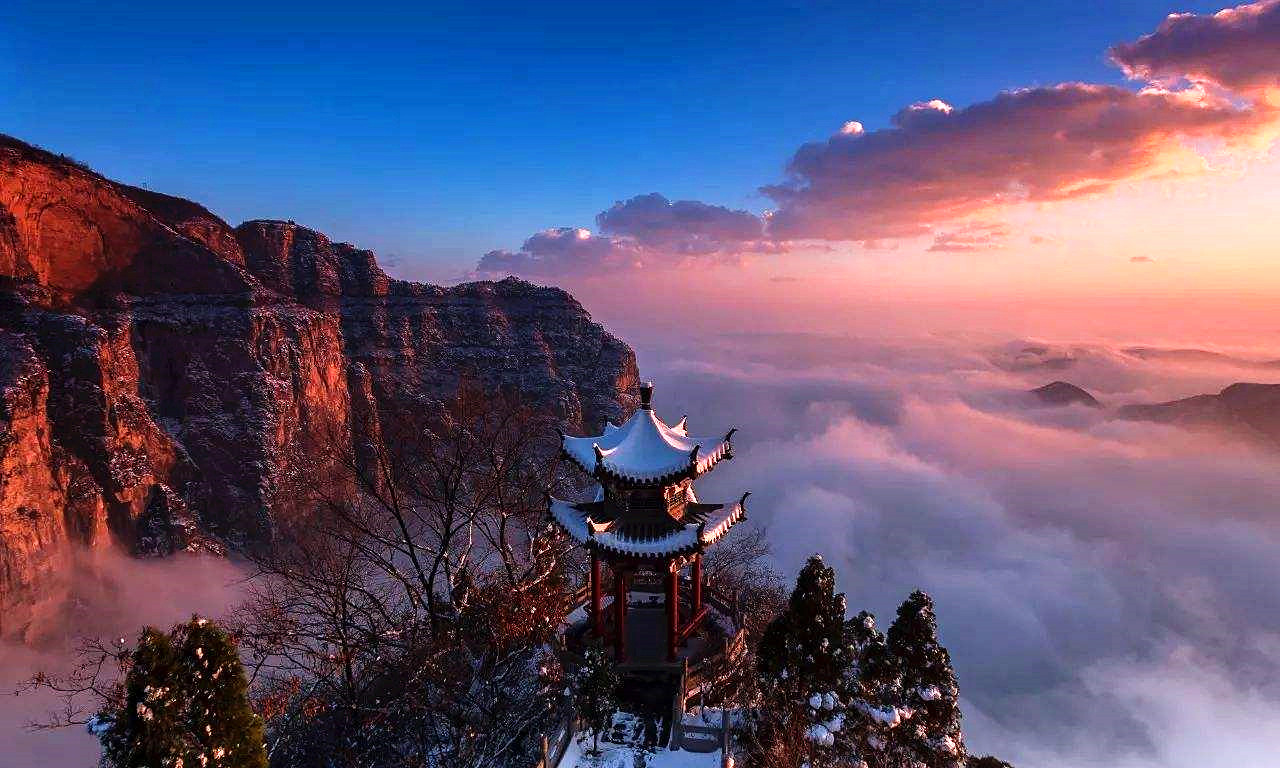
The crown jewel of Pingdingshan is the Yaoshan Scenic Area, a national park of extraordinary natural beauty. Granite peaks rise dramatically from dense forests, waterfalls cascade into crystal pools, and the entire area is crisscrossed with hiking trails offering spectacular views at every turn. In autumn, the mountainsides burst into shades of crimson and gold.

Pingdingshan is home to the Spring Temple Vairochana Buddha, the tallest Buddha statue in the world at 128 meters (208 meters including pedestal). This awe-inspiring gilded bronze statue sits serenely amidst the mountains, drawing pilgrims and tourists from across Asia. The adjacent Foquan Temple complex adds to the spiritual atmosphere.

The city also preserves rich cultural heritage. The Xiangshan Temple dates back 1,800 years to the Eastern Han Dynasty, while the tomb of Su Dongpo — one of China's greatest poets — attracts literature enthusiasts who come to pay respects. The Pingdingshan Museum houses an impressive collection of Ru Kiln ceramics, among the rarest and most valuable in Chinese ceramic history.

Today, Pingdingshan is reinventing itself as a green tourism destination while maintaining its role as an important industrial center. The coal mines that built the city are gradually being replaced by sustainable industries, and the natural beauty that surrounds the city is finally getting the attention it deserves.

History & Development

Pingdingshan's history as a settled area dates back to the Neolithic period, with archaeological evidence of human habitation spanning thousands of years. During the Spring and Autumn period, the area was part of the State of Zheng and later the State of Han.

The city's modern identity was shaped by the discovery of vast coal deposits in the 1950s. Pingdingshan was formally established as a city in 1957 specifically to develop the coal industry. For decades, the city was one of China's most important coal producers, fueling industrial growth across the region.

The 21st century brought economic transformation. Coal reserves began to deplete, and the city government pursued economic diversification. Tourism development focused on the natural assets of Yaoshan and the cultural heritage of the region's ancient temples and historical sites.

The completion of the Spring Temple Vairochana Buddha in 2008 marked a turning point. At 128 meters, it captured world attention and put Pingdingshan on the international tourism map. Subsequent investments in infrastructure, including high-speed rail connections and upgraded scenic areas, have accelerated the transition from industrial center to tourism destination.
Economy & Industries

Pingdingshan's economy has traditionally been dominated by the coal industry. The city sits on one of China's largest coal reserves and has long been a major energy supplier for Henan Province and beyond. Coal mining, power generation, and related heavy industries have employed a significant portion of the workforce.

Economic diversification has been the city's strategic focus since the early 2000s. Tourism has emerged as a major growth sector, driven by Yaoshan and the Spring Temple Buddha. The chemical industry, textile manufacturing, and equipment production have also expanded.

Agriculture in the surrounding counties produces wheat, corn, peanuts, and chestnuts — the latter being a particularly famous local product. Lushan County is known throughout China for its high-quality chestnuts.

GDP stands at approximately 250 billion yuan.

Top Attractions

🏔️ Nature

Yaoshan Scenic Area

Yaoshan is a national scenic area and AAAAA tourist attraction featuring spectacular granite peaks, deep valleys, waterfalls, and hot springs. The mountain is known for its bizarre rock formations, including the famous "General Peak" and "White Cow Peak." In autumn, the entire mountain is covered with red leaves, creating a breathtaking landscape. The area also offers cable car rides, glass-bottomed skywalks, and hiking trails of various difficulty levels.

★★★★ 4.8
🕐 8:00 AM-6:00 PM
🎫 80 yuan
🏛️ Landmark

Spring Temple Vairochana Buddha

The largest Buddha statue in the world, standing at an incredible 128 meters (208 meters including the pedestal). The statue depicts Vairochana Buddha seated on a lotus throne, with a serene expression and gilded surface that gleams in the sunlight. The site includes the Foquan Temple complex, a grand square, and a 108-meter-long blessing wall. Visitors can climb to the pedestal for panoramic views of the surrounding mountains.

★★★★ 4.7
🕐 8:00 AM-6:00 PM
🎫 120 yuan
⛩️ Temple

Xiangshan Temple

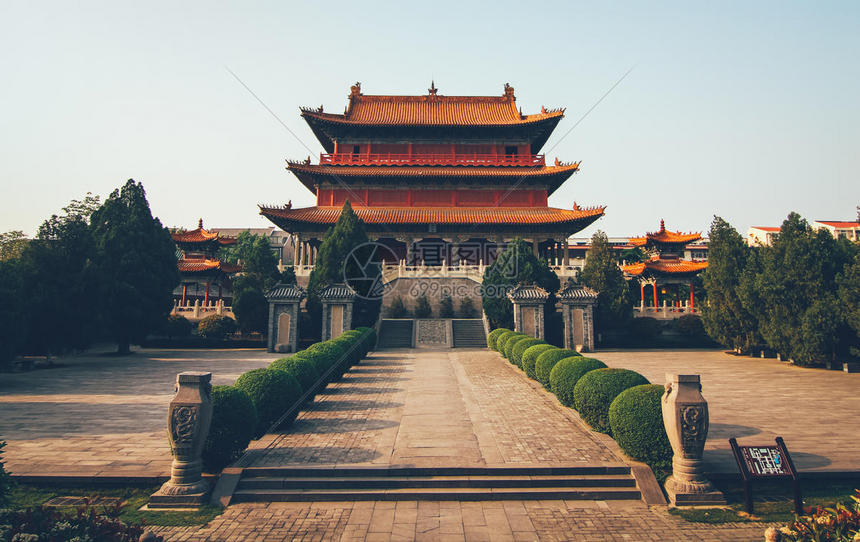
An ancient Buddhist temple with a history spanning over 1,800 years, first built during the Eastern Han Dynasty. The temple is renowned for its collection of Ming and Qing Dynasty architecture, including the magnificent Mahavira Hall, the Sutra Repository Pavilion, and a nine-story brick pagoda. The temple houses a precious collection of Buddhist scriptures and ancient artifacts. Its location on a hillside offers panoramic views of Pingdingshan city.

★★★★ 4.5
🕐 8:00 AM-5:30 PM
🎫 30 yuan
🏛️ Landmark

Su Dongpo's Tomb

The burial site of Su Dongpo (Su Shi), one of China's most celebrated poets, essayists, and calligraphers of the Song Dynasty, along with his brother Su Zhe and their father Su Xun. The site covers a tranquil hillside with ancient cypress trees, stone pathways, and traditional memorial halls. Exhibits showcase Su Dongpo's literary works, calligraphy, and his remarkable life journey from imperial official to exiled poet.

★★★★ 4.5
🕐 8:00 AM-5:30 PM
🎫 45 yuan
🎭 Museum

Pingdingshan Museum

A comprehensive museum showcasing the region's history, culture, and natural resources. Highlights include artifacts from the Han Dynasty, a collection of Ru Kiln ceramics — one of the rarest and most prized Chinese ceramic types — and exhibits on the local coal mining industry that shaped the city's modern development. The museum's architecture blends traditional Chinese elements with modern design.

★★★★ 4.4
🕐 9:00 AM-5:00 PM (Closed Mondays)
🎫 Free
🏔️ Nature

Longtan Waterfall Cluster

A scenic canyon area featuring a series of spectacular waterfalls, natural pools, and dramatic rock formations. The trail follows a crystal-clear mountain stream past numerous cascades, the most impressive being the Double Dragon Waterfall which plunges 50 meters into a jade-green pool. The area is lush with vegetation and offers excellent hiking amidst the sounds of rushing water and birdsong.

★★★★ 4.6
🕐 8:00 AM-5:30 PM
🎫 60 yuan

Food & Culture

Discover the culinary treasures of Pingdingshan, from traditional street food to imperial cuisine.

Things to Do

Yaoshan Mountain Hike

Take the cable car up and hike down through the granite peaks and waterfalls.

Grand Buddha Visit

Visit the world's tallest Buddha and explore the temple complex.

🏛️

Cultural Museum Tour

Explore the Pingdingshan Museum for Ru Kiln ceramics and local history.

Hot Springs Relaxation

Soak in the natural hot springs at the base of Yaoshan.

Suggested Itineraries

Yaoshan Nature Escape

A full day immersed in the natural beauty of Yaoshan's granite peaks, waterfalls, and forests.

  • Yaoshan Scenic Area
  • Cable Car Ride
  • Mountain Hiking
  • Hot Springs

Pingdingshan Culture & Faith

Explore Pingdingshan's Buddhist heritage, Song Dynasty literary history, and cultural treasures.

  • Spring Temple Buddha
  • Xiangshan Temple
  • Su Dongpo Tomb
  • Museum

Getting Around

✈️

Airport

Zhengzhou Xinzheng International Airport (CGO) — about 150 km north

🚄

High-Speed Rail

Pingdingshan West Station on the Zhengzhou-Wanzhou HSR line: 40 minutes to Zhengzhou

🚇

Metro

No metro

Best Time to Visit

Spring (April-May) and Autumn (September-October) offer the best weather for most destinations in China.

Continue Exploring China

Discover more cities, food guides, and travel inspiration.