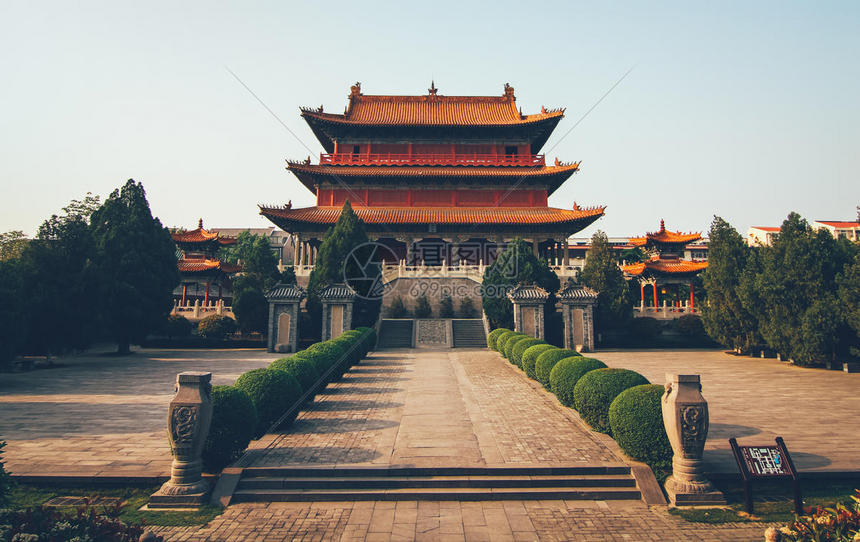
Hebi's history spans over 3,000 years. The Qi River valley was home to early Chinese civilization, and the area features in the Book of Songs as a center of refined culture during the Zhou Dynasty.
During the Warring States period (475-221 BCE), Yunmeng Mountain became famous as the teaching site of Gui Guzi, whose students Sun Bin and Pang Juan went on to write influential military treatises. Sun Bin's Art of War remains studied worldwide today.
In the Northern Wei Dynasty (386-534 CE), the massive Buddha of Dapi Mountain was carved, reflecting the region's importance as a Buddhist center. The sculpture survived numerous wars and natural disasters.
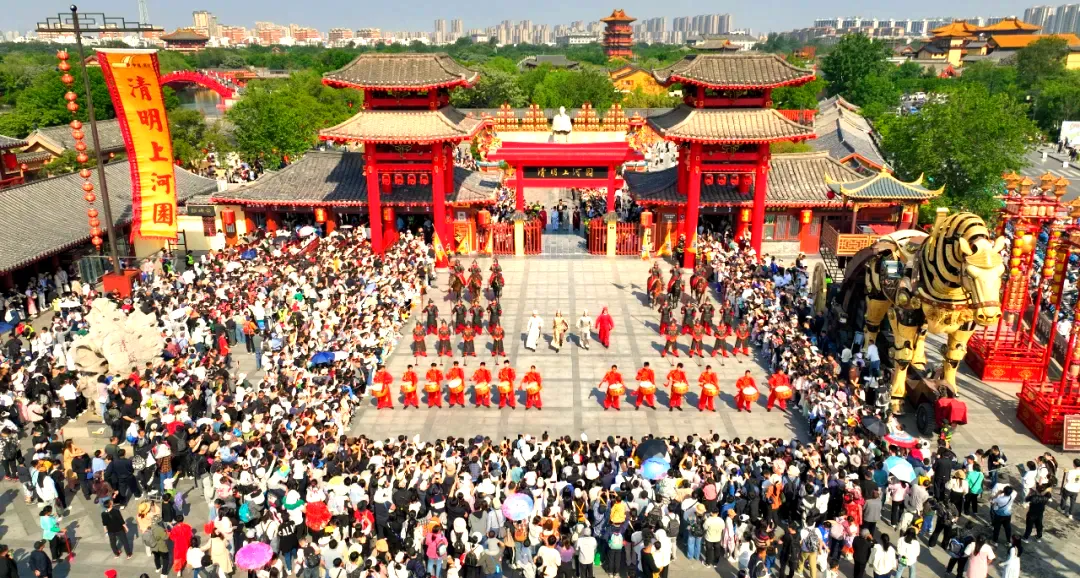
Xun County, administratively part of Hebi, was established over 2,000 years ago. Its annual temple fair began during the Ming Dynasty and grew into one of North China's largest folk festivals.
Modern Hebi was established as a coal mining city in 1957, and the industry shaped the city's development for decades. Today, the city is transitioning toward tourism and clean industries while preserving its unique cultural heritage.