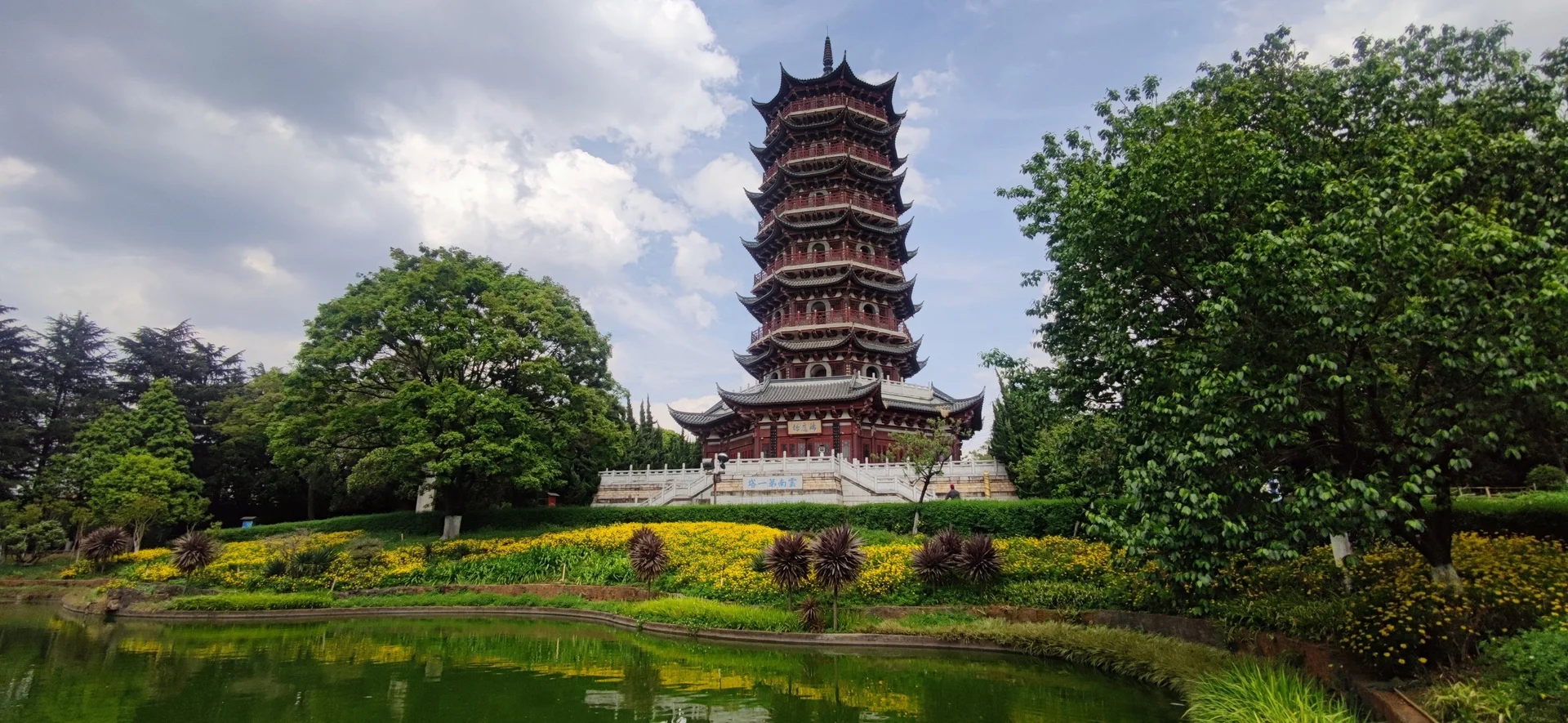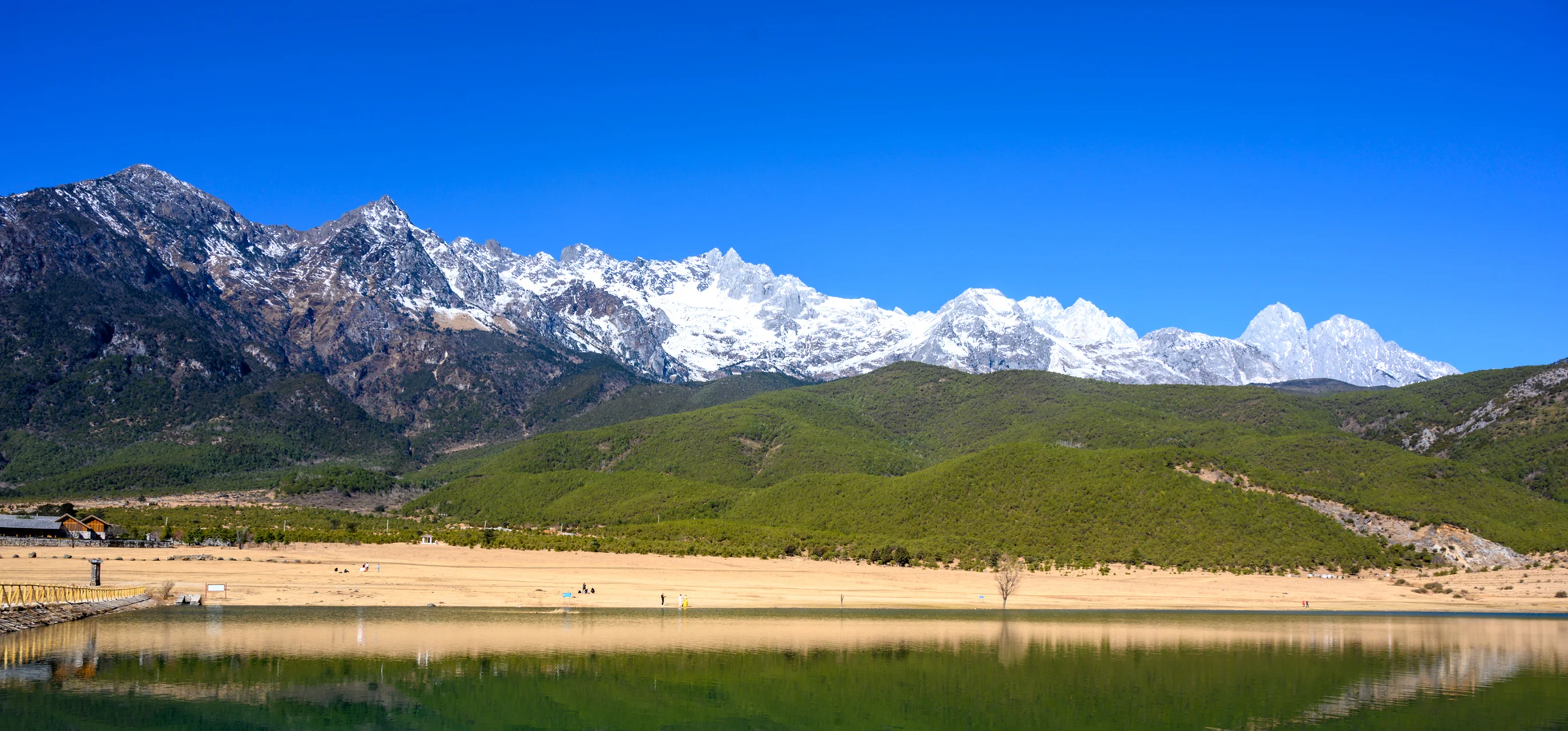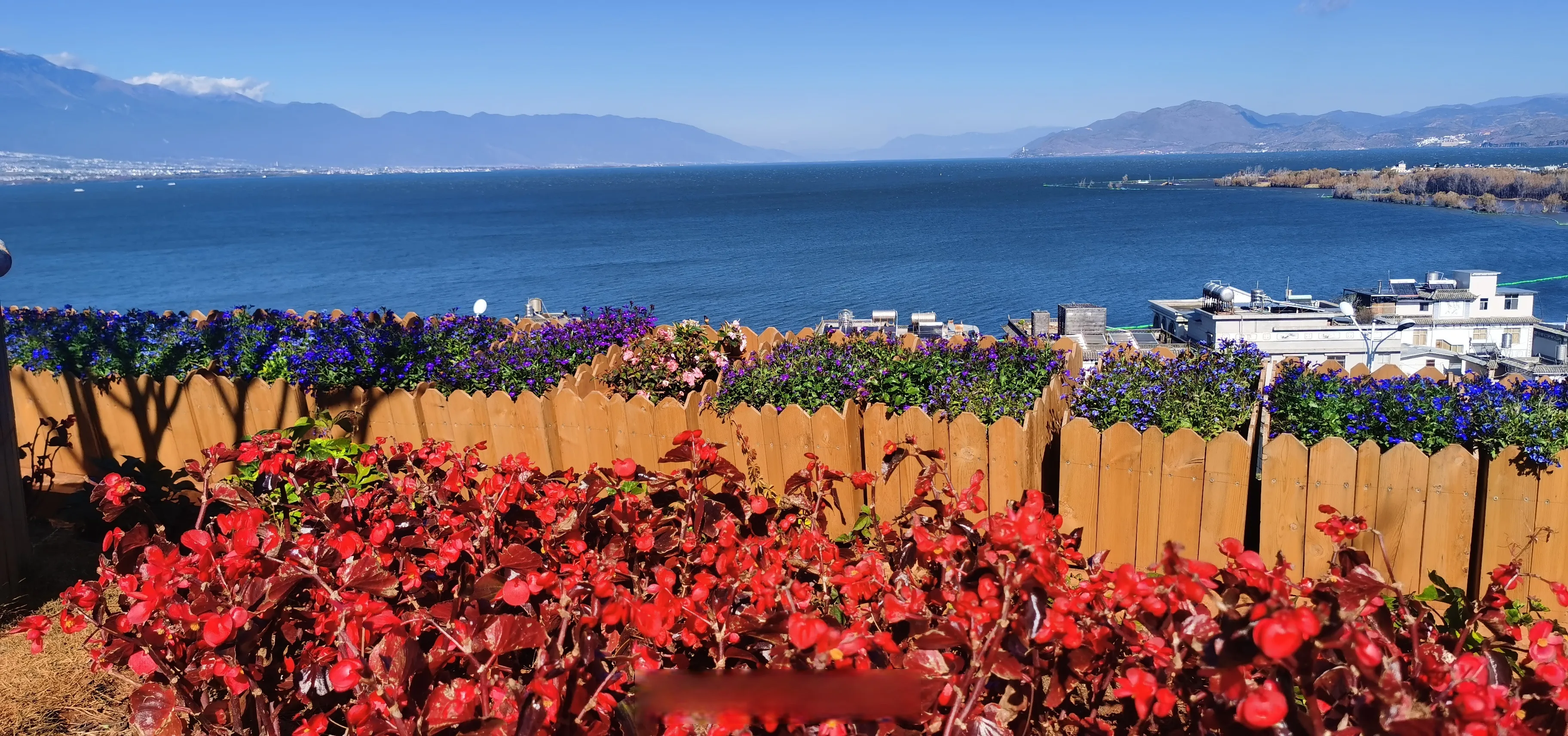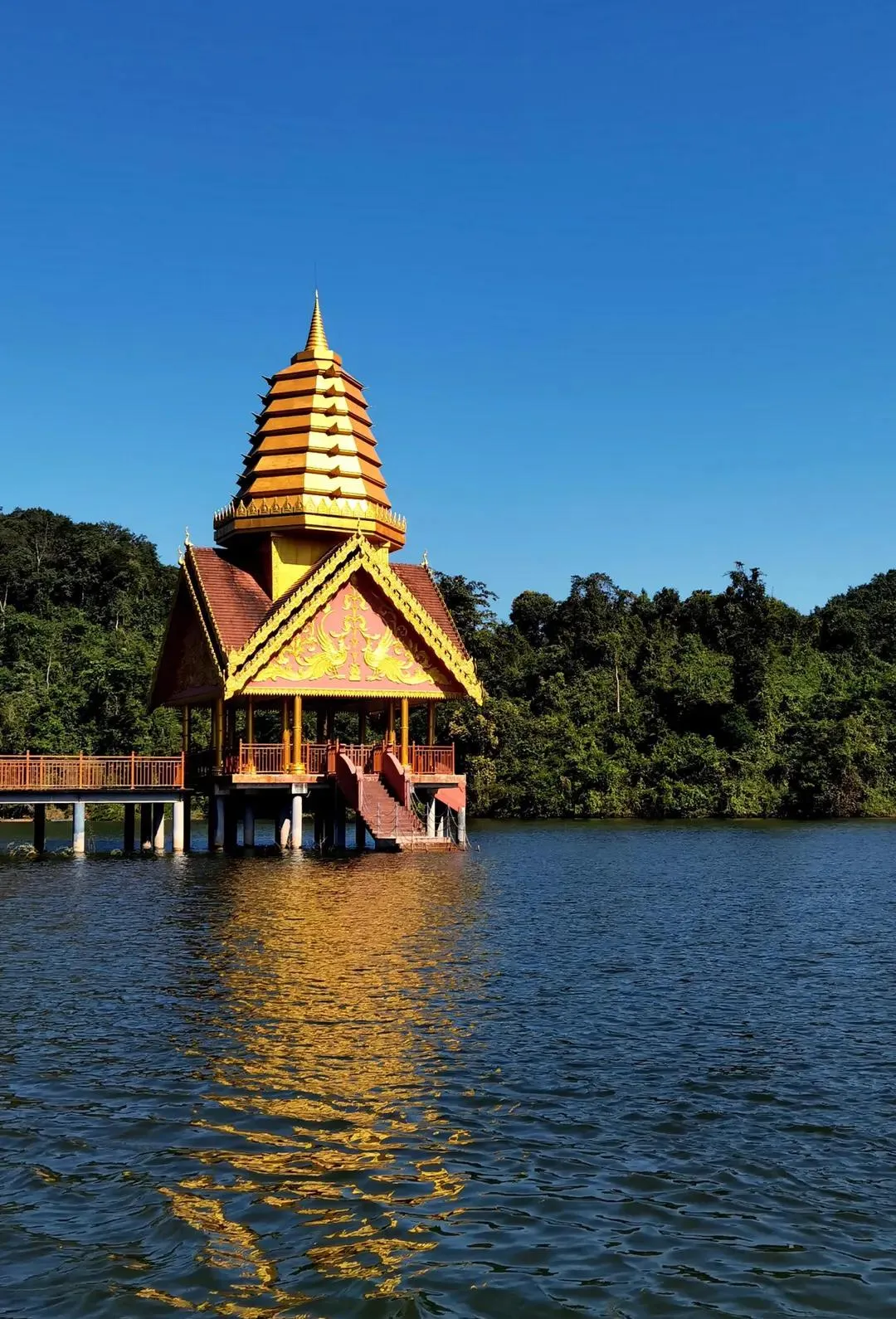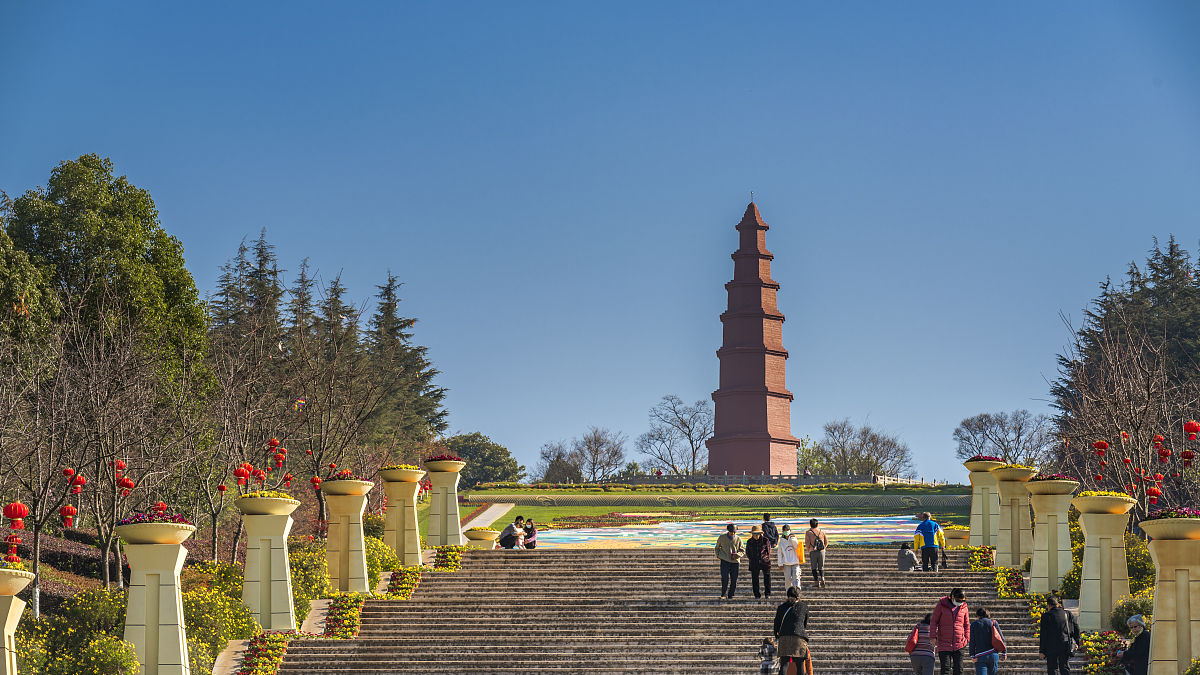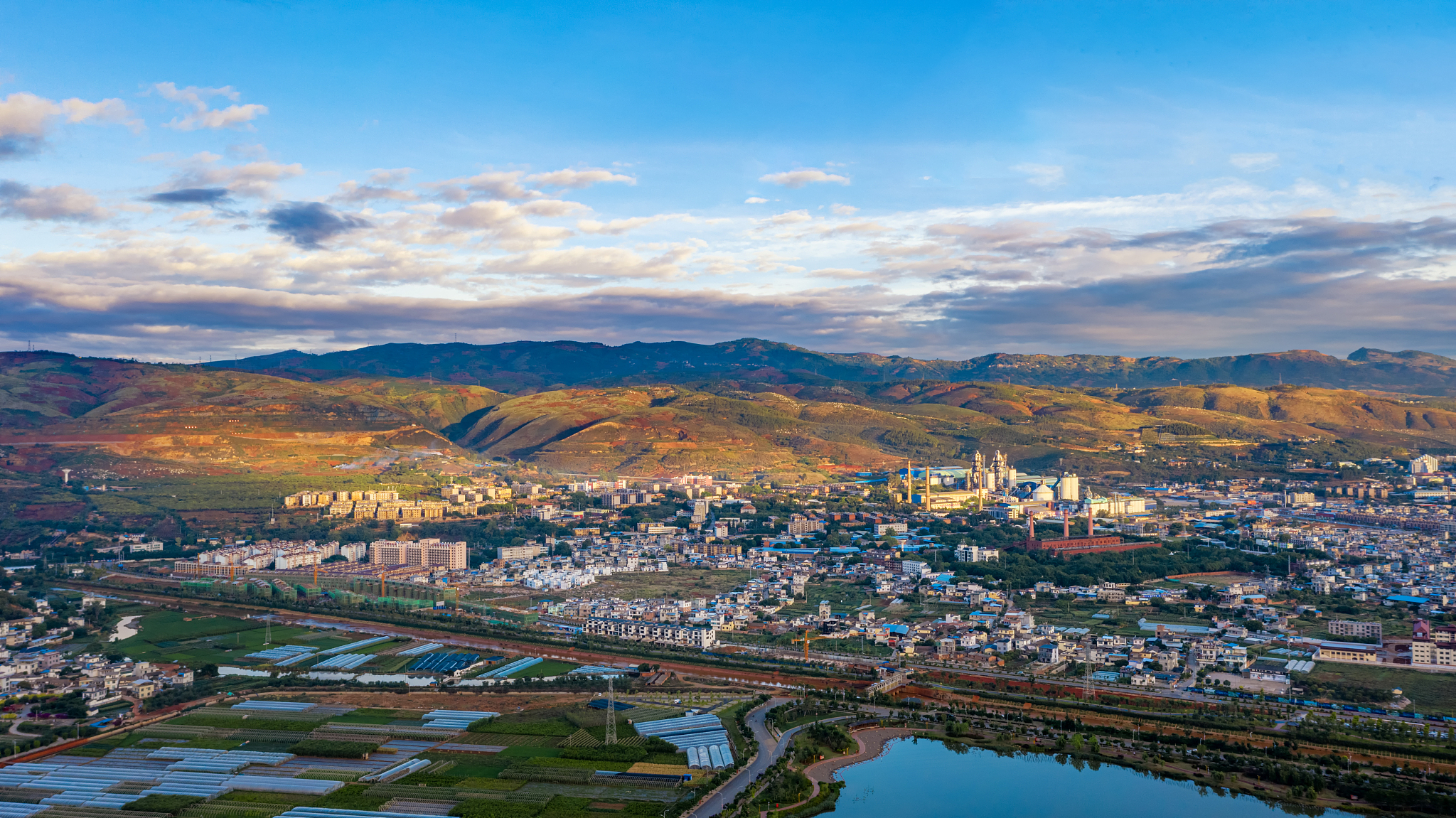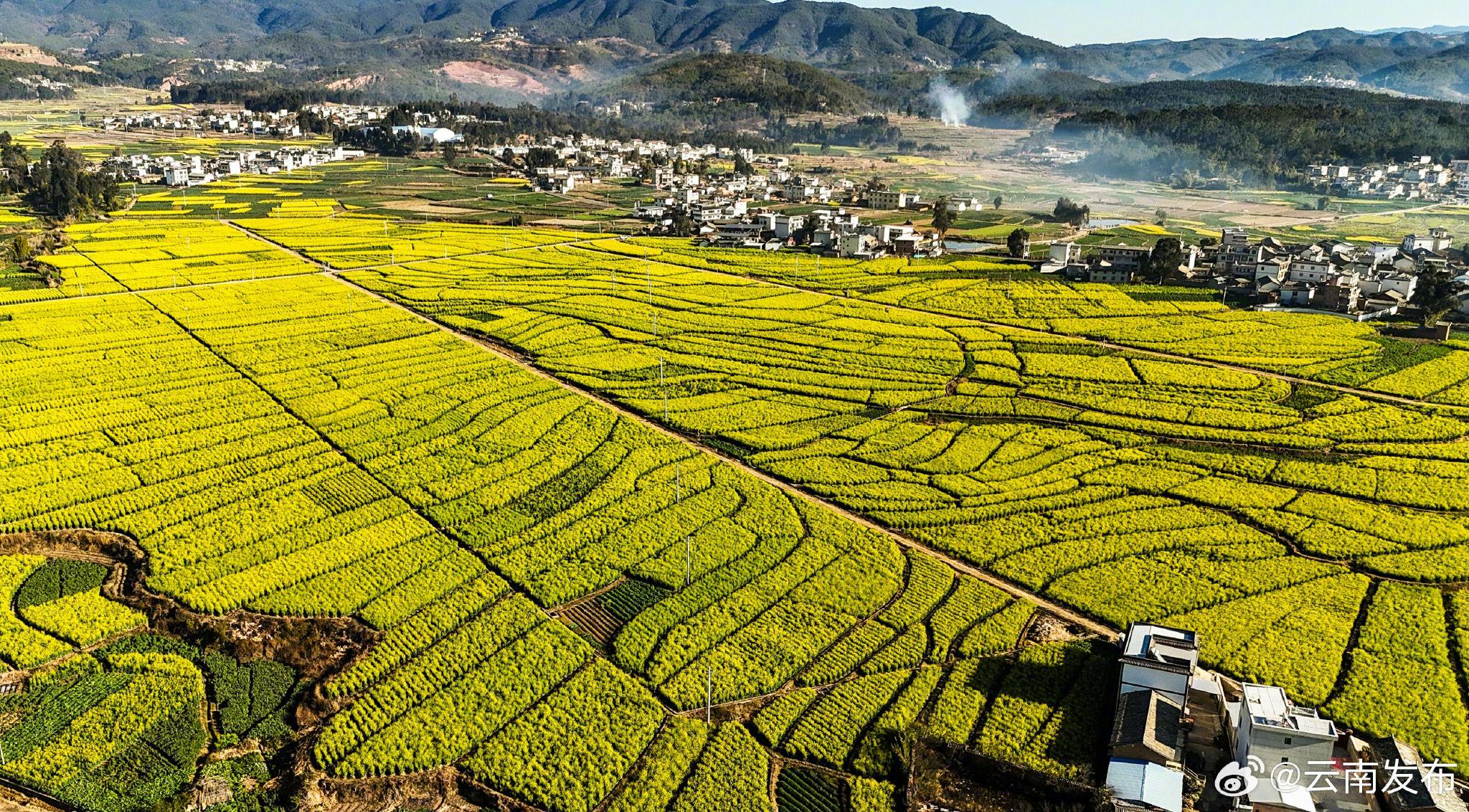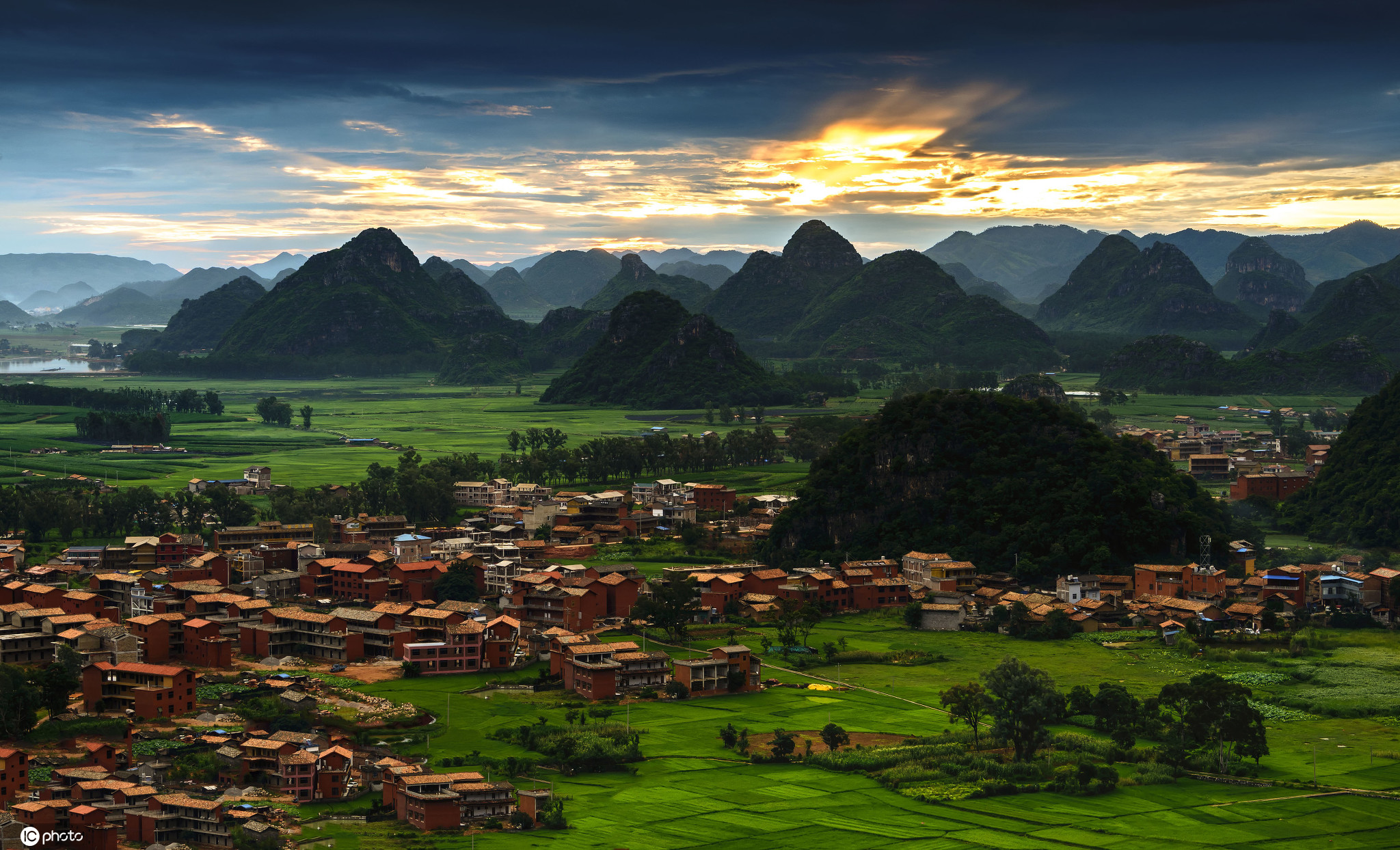
Zhaotong city skyline and landmarks (昭通) - Travel China Guide

Zhaotong Travel Guide

A gateway between Yunnan and Sichuan, Zhaotong is renowned for the Dashanbao black-necked crane reserve and its crisp apples grown in the highland sun.

About

Zhaotong is a prefecture-level city in the northeastern corner of Yunnan Province, bordering Sichuan to the north and Guizhou to the east. Situated on the Yunnan-Guizhou Plateau at an average elevation of 1,900 meters, the city serves as the traditional gateway between Yunnan and the rest of Southwest China.

The region is defined by its dramatic topography — high plateaus dissected by deep river valleys, with the mighty Jinsha River (the upper reaches of the Yangtze) carving through its western edge. Zhaotong's climate is mild year-round, earning it the nickname "Spring City of Northeast Yunnan."

Zhaotong is best known internationally for the Dashanbao Nature Reserve, a critical wintering habitat for the endangered black-necked crane. The reserve's high-altitude wetlands, perched at 3,100 meters, create a landscape of haunting beauty that draws nature lovers and photographers from around the world.

The city has a rich history as a trading post on the ancient Southern Silk Road (the Tea Horse Road) that connected Yunnan to Sichuan and Tibet. This heritage is visible in its old town architecture and diverse culinary traditions that blend Yunnan, Sichuan, and Guizhou influences.

In recent decades, Zhaotong has developed a reputation for its agricultural products, particularly its highland apples, which benefit from the intense sunlight and cool temperatures at high elevation. The Zhaotong apple is now a protected geographical indication product.

History & Development

Zhaotong has been inhabited since ancient times, with archaeological evidence of human settlement dating back to the Neolithic period. During the Han Dynasty (206 BC-220 AD), the region was incorporated into the Chinese empire as part of the Yizhou Commandery.

The city's strategic location at the crossroads of Yunnan, Sichuan, and Guizhou made it an important trading post on the Southern Silk Road (the Tea Horse Road) during the Tang and Song dynasties. Merchants carrying Yunnan tea to Tibet and Sichuan silk to Southeast Asia passed through Zhaotong, bringing wealth and cultural diversity.

During the Ming and Qing dynasties, Zhaotong was formally established as a prefecture and saw significant Han Chinese migration, which transformed the region's demographics and agriculture. The city walls and many temples date from this period.

In the early 20th century, the construction of the Yunnan-Mongolia Railway brought new economic opportunities and connected Zhaotong more closely to Kunming and the outside world. The city played a role in the revolutionary period, with several important battles fought in the surrounding mountains.

Since the reform and opening-up era, Zhaotong has focused on agricultural development, infrastructure improvement, and eco-tourism centered on its remarkable natural landscapes.

Economy & Industries

Zhaotong's economy is primarily agricultural, with the city being one of Yunnan's major producers of apples, tobacco, potatoes, and medicinal herbs. The "Zhaotong Apple" has gained national recognition as a high-quality agricultural brand, benefiting from the region's unique high-altitude climate with strong sunlight and large temperature differences between day and night.

The city is also rich in mineral resources, including lead, zinc, coal, and limestone. Mining and mineral processing contribute significantly to the local economy, particularly in Ludian and Zhenxiong counties.

Tourism is a growing sector, driven by the international reputation of Dashanbao Nature Reserve, Xiaocaoba, and the Jinsha River Grand Canyon. The local government has invested in tourism infrastructure including roads, visitor centers, and eco-lodges.

Zhaotong's location at the junction of Yunnan, Sichuan, and Guizhou makes it an important logistics and transportation hub for northeast Yunnan. The completion of the Zhaotong-Kunming expressway and ongoing railway upgrades are improving connectivity and opening new economic opportunities.

Top Attractions

🏔️ Nature

Dashanbao Black-necked Crane Nature Reserve

Dashanbao is a high-altitude wetland reserve (3,100m elevation) that serves as the primary wintering ground for the endangered black-necked crane. Every year from October to April, over 1,000 of these graceful birds migrate here from Tibet. The reserve features vast alpine meadows, pristine lakes, and dramatic cliff faces overlooking the Jinsha River valley. Visitors can observe the cranes through telescopes at designated viewing platforms without disturbing their habitat. The sunrise and sea of clouds at Dashanbao are legendary among photographers.

★★★★ 4.8
🕐 08:00-18:00
🎫 100 yuan
🏔️ Nature

Yiliang Xiaocaoba Scenic Area

Xiaocaoba is a pristine alpine forest and wetland area at an elevation of 2,000-2,600m, covering 163 square kilometers. Known as the "Yellowstone of Yunnan," it features stunning waterfalls, peculiar karst formations, emerald lakes, and dense virgin forests. The area is especially beautiful in autumn when the foliage turns brilliant shades of red, orange, and gold. More than 1,200 plant species and 96 animal species have been recorded here, making it a biodiversity hotspot in the northeast Yunnan region.

★★★★ 4.6
🕐 08:00-17:30
🎫 80 yuan
🏛️ Landmark

Zhaotong Ancient City

Zhaotong Ancient City preserves the architectural heritage of the late Qing Dynasty and early Republic of China period. Walking through its streets, visitors can see traditional Yunnan courtyard houses, old merchant guildhalls, and stone-paved lanes that recall the city's importance as a trading hub on the ancient Southern Silk Road (the "Tea Horse Road"). Key sites include the Guangxiao Temple, the old Zhaotong City Wall remnants, and the Dragon King Temple.

★★★★ 4.3
🕐 Open all day
🎫 Free
🏔️ Nature

Longyun Mountain Geopark

Longyun Mountain is a geopark showcasing the unique Danxia landform of northeastern Yunnan. The red sandstone cliffs have been shaped by wind and water erosion over millions of years into spectacular peaks, pillars, and caves. The mountain is covered in lush subtropical vegetation, and several viewing platforms offer panoramic vistas of the surrounding countryside. A glass-bottomed suspension bridge adds an adrenaline-pumping element to the visit.

★★★★ 4.3
🕐 08:00-17:00
🎫 60 yuan
🎭 Museum

Yunnan-Mongolia Railway Historic Station

The historic Yunnan-Mongolia Railway (built 1905-1910) connected Kunming to the Vietnamese border, and Zhaotong was one of its key stations. The old station building, constructed in French colonial style, still stands as a testament to the region's modern history. A small museum inside displays old photographs, railway artifacts, and stories of the engineers and workers who built this remarkable engineering feat through Yunnan's challenging terrain.

★★★★ 4.1
🕐 09:00-17:00
🎫 20 yuan
🏔️ Nature

Jinsha River Grand Canyon Viewpoint

Located at the edge of Dashanbao reserve, this viewpoint offers a vertigo-inducing panorama of the Jinsha River cutting through the Hengduan Mountains thousands of meters below. On clear days, the river gleams like a golden ribbon threading through the deep green gorges. The sheer scale of the canyon — rivaling the Grand Canyon in depth — leaves every visitor in awe. It is especially spectacular at sunset when the cliffs glow in warm hues.

★★★★ 4.5
🕐 08:00-18:00
🎫 Free (included with Dashanbao ticket)

Food & Culture

Discover the culinary treasures of Zhaotong, from traditional street food to imperial cuisine.

Things to Do

Observe Black-necked Cranes

Visit Dashanbao between November and March to witness hundreds of endangered black-necked cranes in their winter habitat.

Hike Xiaocaoba

Explore waterfalls, karst formations, and virgin forests on well-marked trails through this alpine paradise.

Apple Orchard Tour

Visit local orchards around Zhaotong to pick and taste the famous highland apples at their peak freshness.

Sunrise at Dashanbao

Wake early to watch the sunrise over the sea of clouds from Dashanbao's observation deck — an unforgettable sight.

🏛️

Explore Ancient City Streets

Wander through Zhaotong's old town to see Qing Dynasty architecture and experience local market life.

Jinsha River Photography

Capture the dramatic scale of the Jinsha River Grand Canyon from multiple viewpoints along the canyon rim.

Suggested Itineraries

Zhaotong Nature Highlights (2 Days)

A two-day immersion in Zhaotong's spectacular natural landscapes, from alpine wetlands to deep river canyons.

  • Day 1: Dashanbao Nature Reserve — crane watching, sea of clouds, Jinsha River viewpoint
  • Day 2: Yiliang Xiaocaoba — waterfall hiking, alpine forest exploration
  • Optional: Evening apple orchard visit and local food tasting

Cultural and Culinary Explorer (1 Day)

Discover Zhaotong's cultural heritage and sample its most beloved local dishes in a single day.

  • Morning: Zhaotong Ancient City walking tour
  • Midday: Local food crawl — roasted potatoes, oil cake, pickled vegetables
  • Afternoon: Yunnan-Mongolia Railway museum and Longyun Mountain Geopark
  • Evening: Zhaotong barbecue dinner

Getting Around

✈️

Airport

Zhaotong Airport (about 5km from city center) has direct flights to Kunming, Chengdu, and Chongqing.

🚄

High-Speed Rail

Zhaotong Station serves regular and high-speed trains on the Neijiang-Kunming Railway, reaching Kunming in about 2 hours.

🚌

Bus Network

Public buses and minibuses connect the city center with all major attractions and county towns.

🚕

Taxi & Rideshare

Available throughout the city

Best Time to Visit

🌸

Spring

Mar - May

★★★★☆

Mild temperatures (10-22°C) with blooming flowers across the highlands. Excellent for hiking and outdoor activities. Moderate rainfall begins in May.

  • Flower blooms
  • Pleasant hiking weather
  • Fewer tourists
☀️

Summer

Jun - Aug

★★★★☆

Warm and rainy (15-26°C). The landscape is lush and green. Good time to escape summer heat of lower elevations. Apple orchards begin ripening in August.

  • Lush green scenery
  • Cool summer escape
  • Apple season begins
🍂

Autumn

Sep - Nov

★★★★★

Clear skies, crisp air, and comfortable temperatures (8-20°C). The best season for crane watching as birds begin arriving. Xiaocaoba's autumn foliage is spectacular.

  • Best weather
  • Crane watching season
  • Autumn foliage
❄️

Winter

Dec - Feb

★★★★☆

Cold and dry (0-12°C). Dashanbao may receive snowfall, creating a magical winter landscape. Peak crane watching season with the highest concentration of birds.

  • Peak crane season
  • Snow scenery
  • Dramatic winter landscapes

Continue Exploring China

Discover more cities, food guides, and travel inspiration.