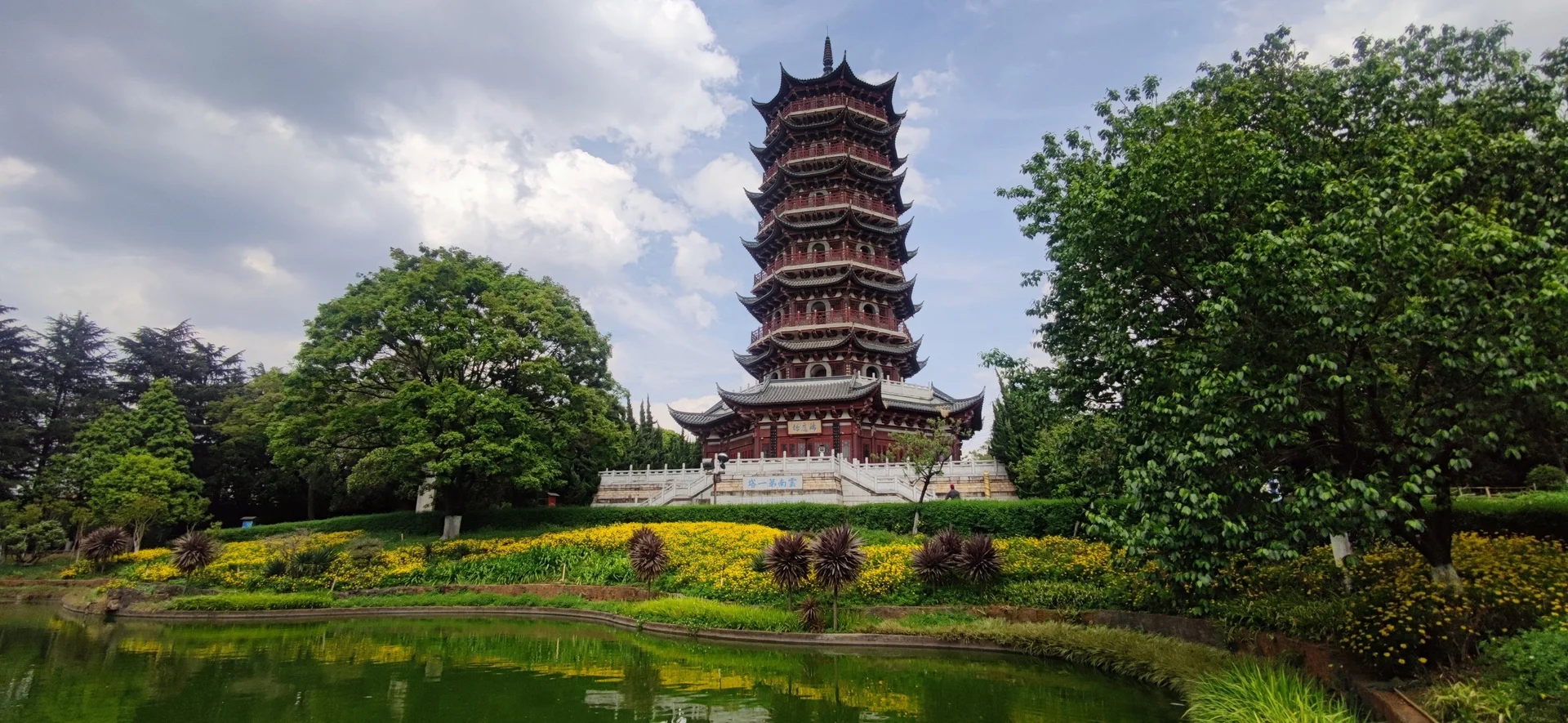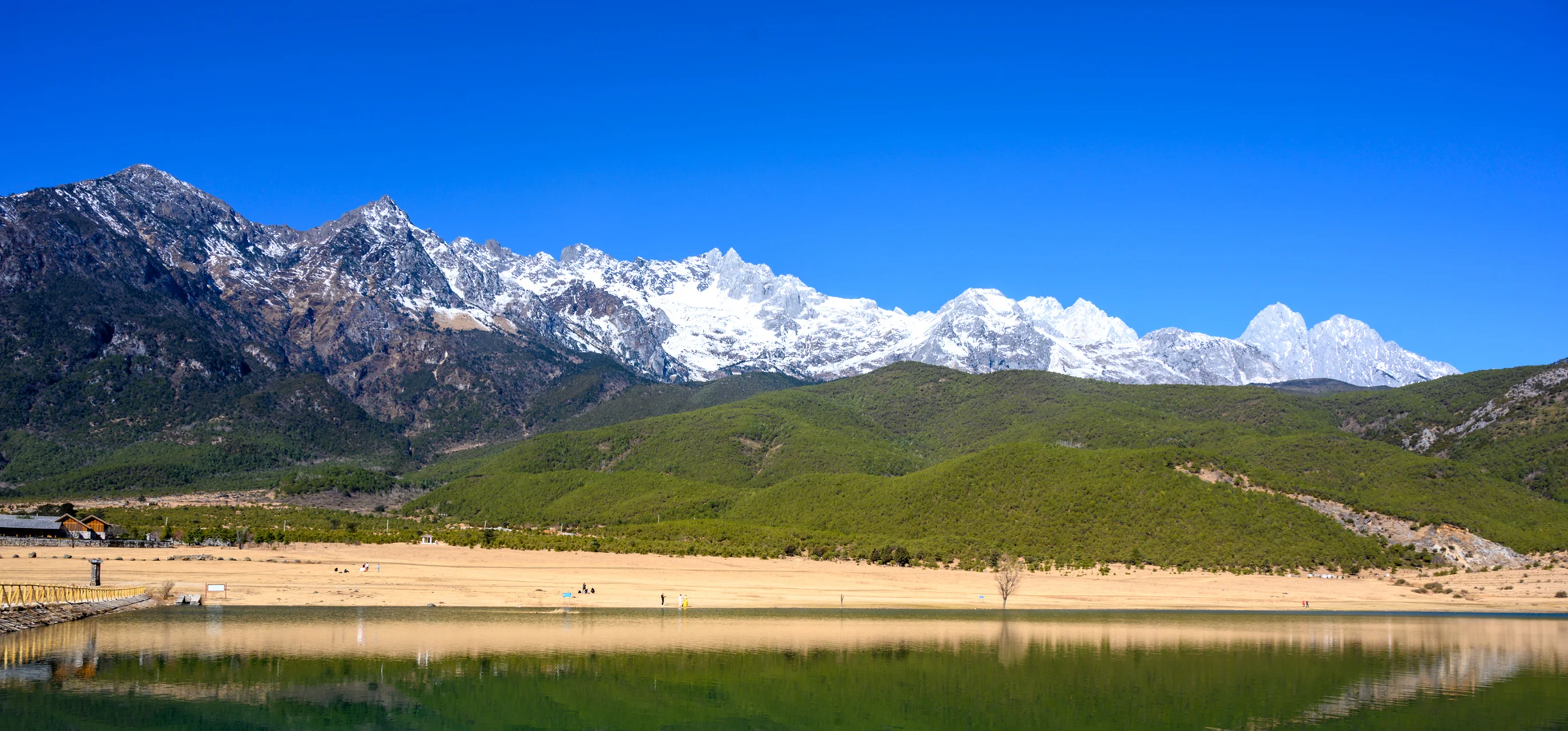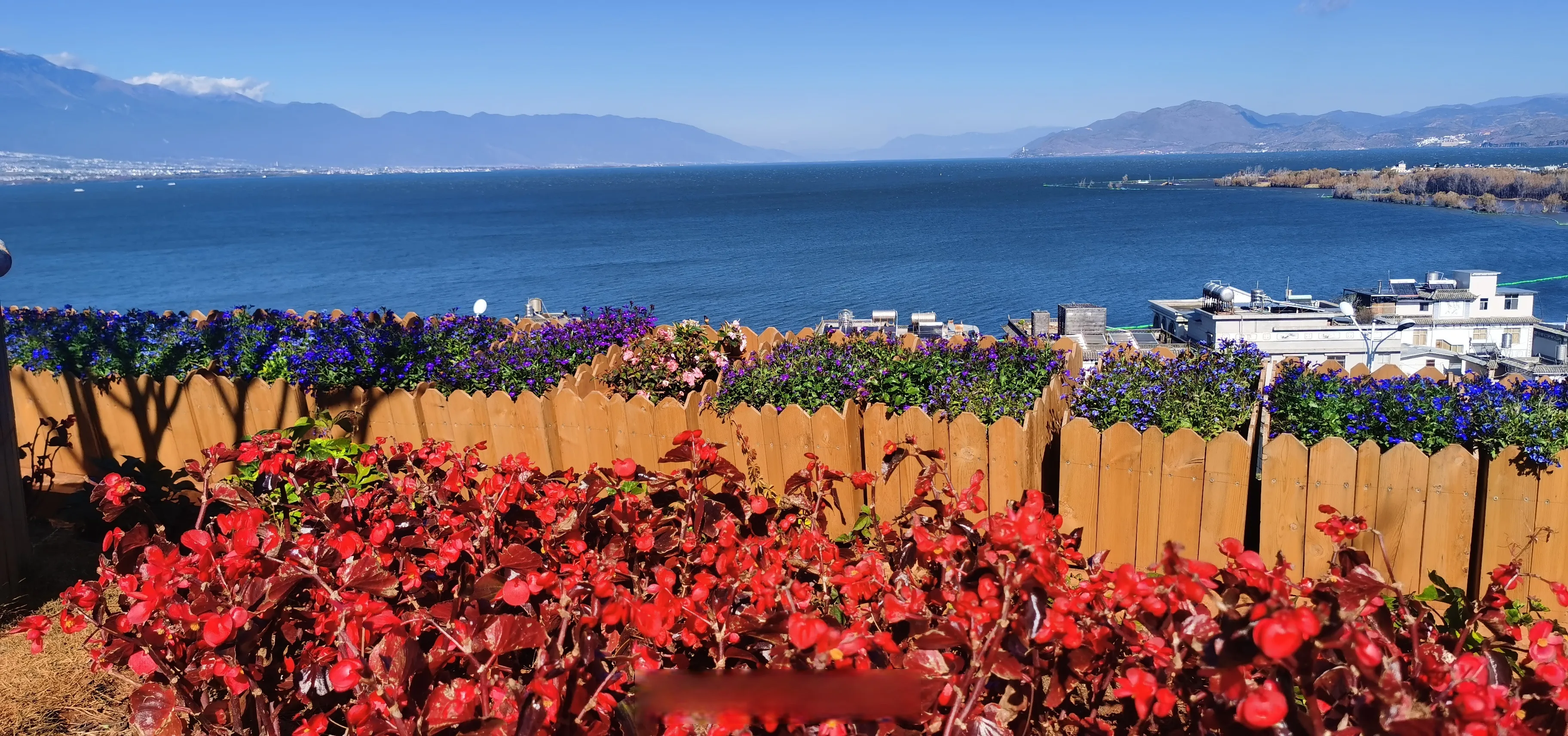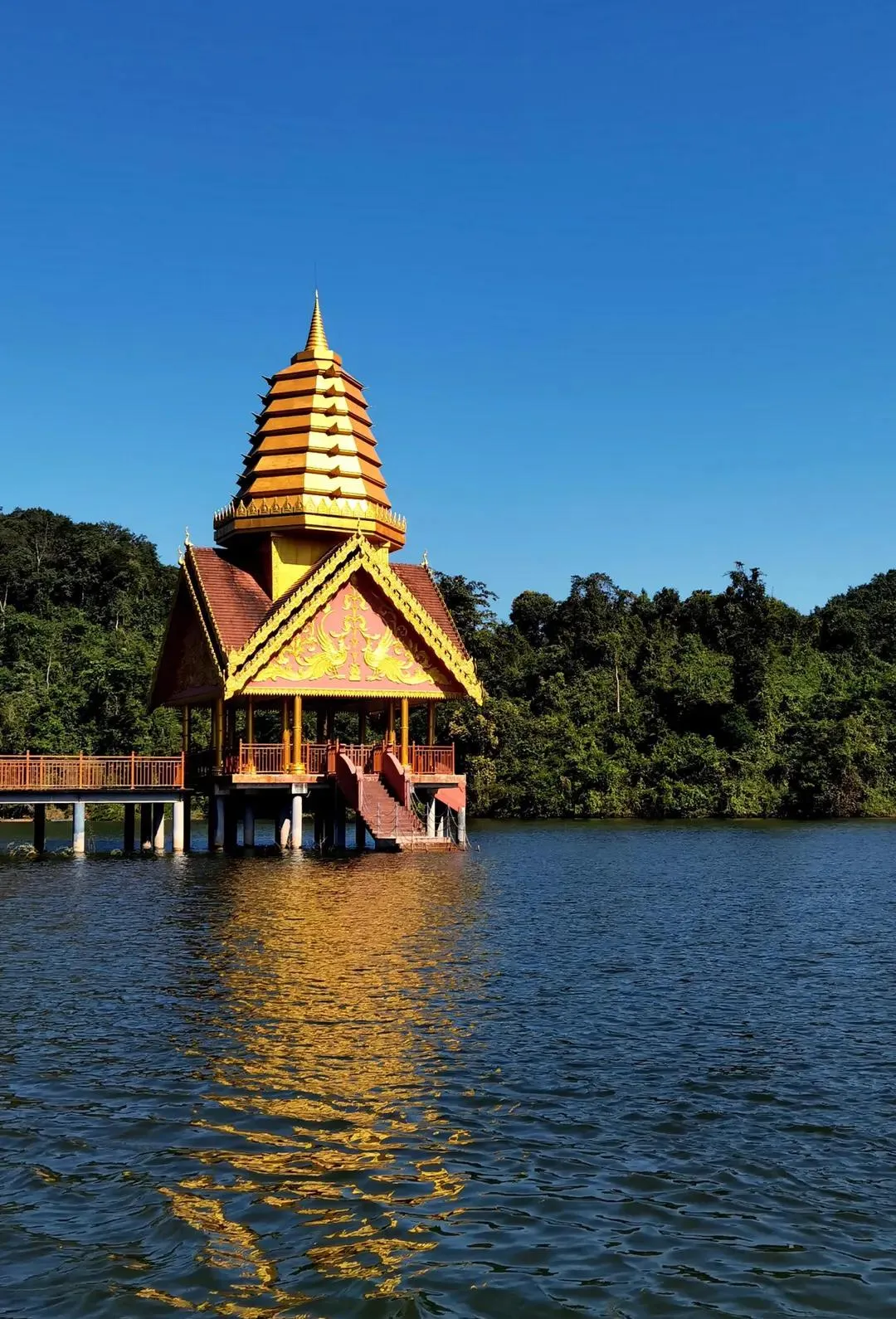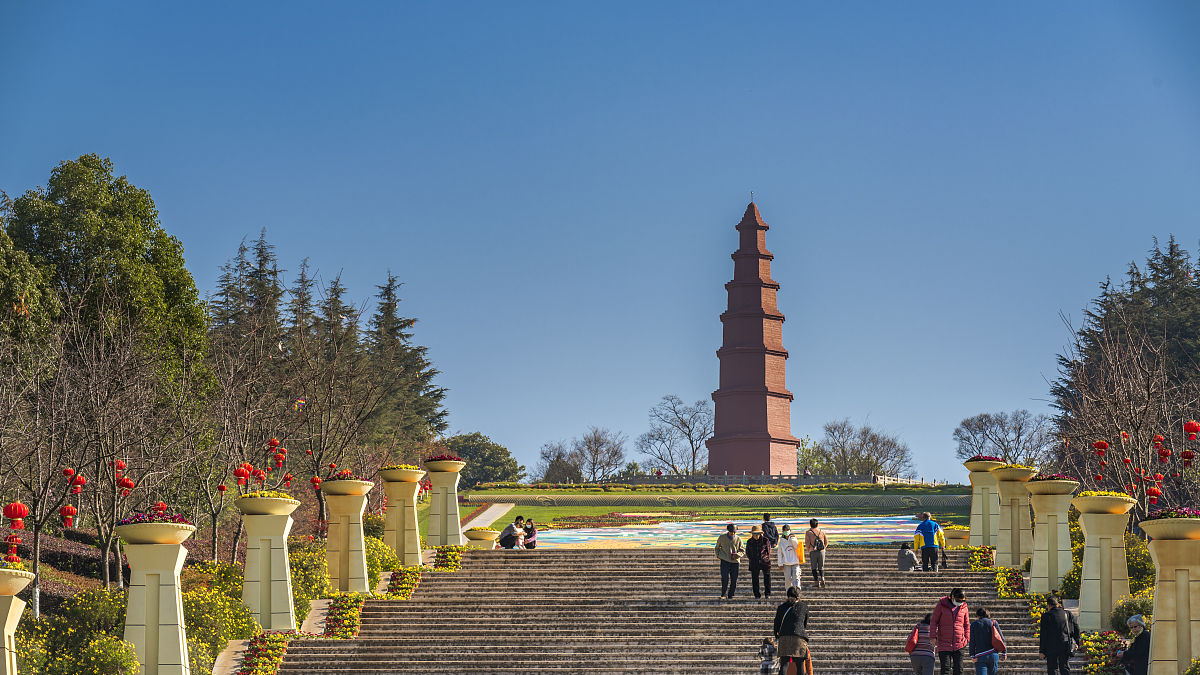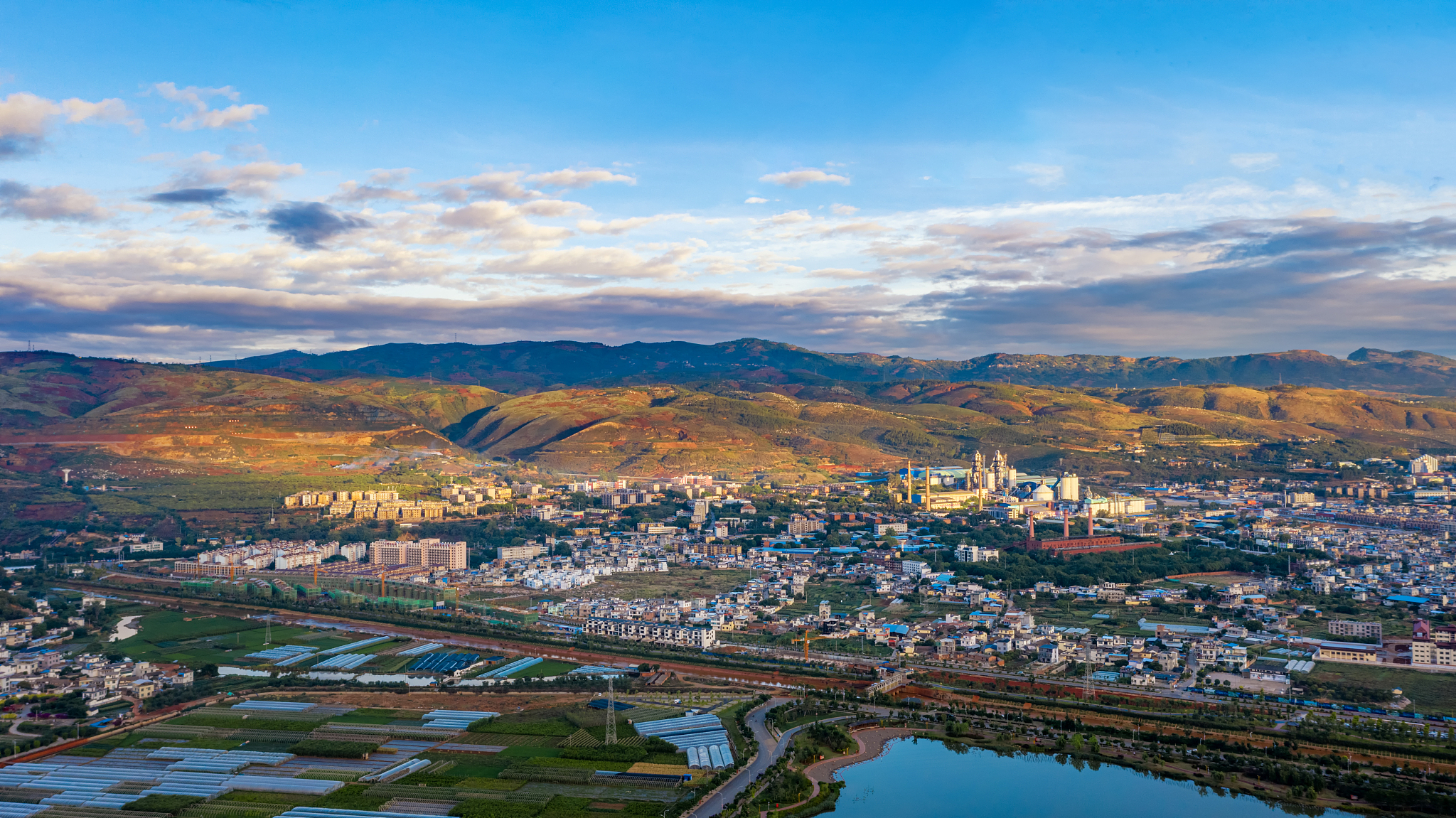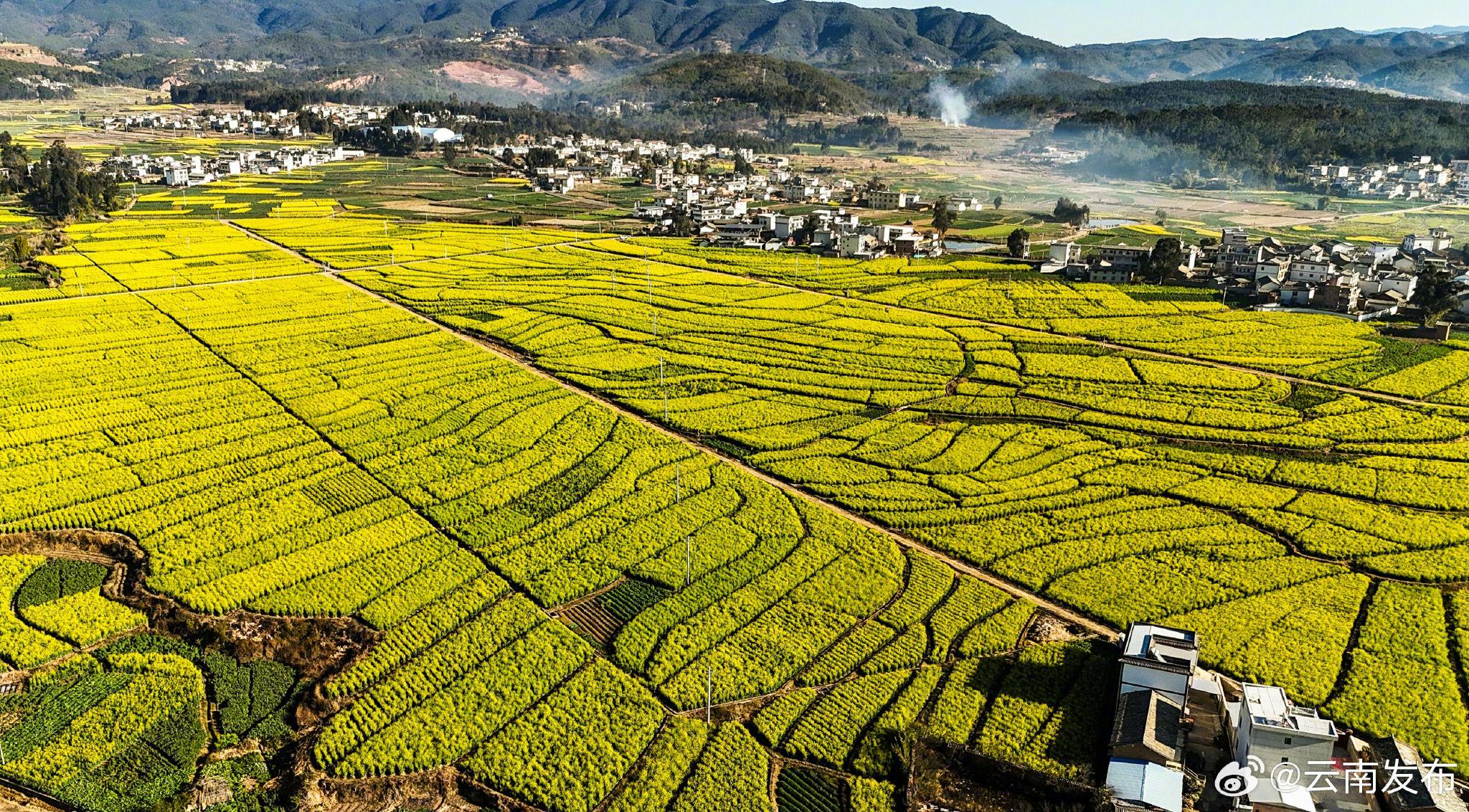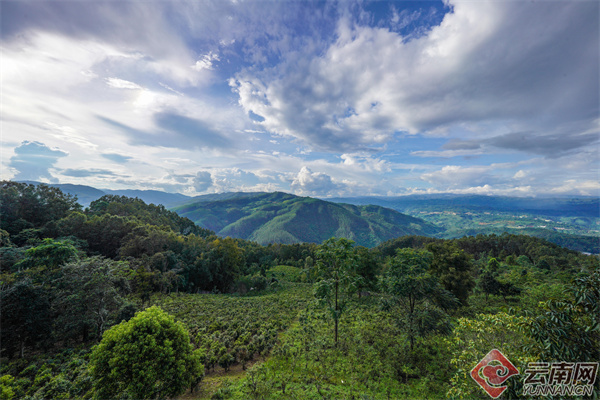
Wenshan city skyline and landmarks (文山) - Travel China Guide

Wenshan Travel Guide

Home to the stunning Puzhehei karst landscapes and the hidden paradise of Bamei, Wenshan is a hidden gem of natural beauty in southeast Yunnan.

About

Wenshan Zhuang and Miao Autonomous Prefecture sits in the southeastern corner of Yunnan Province, sharing a border with Vietnam. The name "Wenshan" means "literary mountain," reflecting the region's cultural heritage. Wenshan is famous nationwide for two things: the breathtaking Puzhehei karst landscape and sanqi (pseudo-ginseng), a prized medicinal herb.

Puzhehei, covering 388 square kilometers of interconnected lakes and limestone peaks, is often compared to Guilin but without the crowds. It gained international fame as the filming location for the hit Chinese fantasy drama "Three Lives Three Worlds, Ten Miles of Peach Blossoms." The nearby Bamei village, accessible only through a cave river, perfectly embodies the Chinese literary ideal of a hidden paradise.

Wenshan is also home to thriving Zhuang, Miao, and Yi ethnic communities, each contributing vibrant festivals, colorful costumes, and distinctive cuisines. The region's mild climate and abundant rainfall make it exceptionally green year-round, with terraced rice fields and tea plantations dotting the landscape.

History & Development

Wenshan has been inhabited for thousands of years, with ancient cliff carvings and bronze drums attesting to early civilizations along the Red River system. During the Han Dynasty, the region was incorporated into the Chinese empire as part of Yizhou Commandery.

The area's modern identity was shaped by border dynamics. During the Ming and Qing dynasties, Wenshan was a frontier settlement along the southwestern border. The most significant modern historical event was the 1979-1989 border period, which left deep marks on the region, particularly at Laoshan Mountain, a historically significant site.

In 1958, Wenshan Zhuang and Miao Autonomous Prefecture was formally established, recognizing the region's ethnic diversity. Since the 1990s, improved relations with Vietnam and the opening of border trade have transformed Wenshan's economy. Tourism has emerged as a key industry, especially after Puzhehei's national fame through the hit drama.

Economy & Industries

Wenshan's economy has traditionally been agricultural, with the region being China's largest producer of sanqi (pseudo-ginseng), accounting for over 90% of national output. Other important crops include tobacco, tea, sugarcane, and various tropical fruits.

Border trade with Vietnam has become increasingly important, with the Malipo and Tianbao border crossings facilitating cross-border commerce. Wenshan also has significant mineral resources, including manganese, antimony, and tin.

Tourism has grown rapidly in recent years, driven by the popularity of Puzhehei and Bamei. The prefecture government has invested heavily in tourism infrastructure — hotels, roads, and visitor centers — to support the growing number of domestic tourists.

Top Attractions

🏔️ Nature

Puzhehei Scenic Area

Puzhehei is a breathtaking karst landscape of over 300 limestone peaks rising from interconnected lakes and rivers. Covering 388 square kilometers, this scenic area offers boat rides through lotus-filled waters, hiking trails up karst peaks for panoramic views, and visits to ethnic Zhuang and Yi villages. It gained nationwide fame as the filming location for the hit Chinese drama "Three Lives Three Worlds, Ten Miles of Peach Blossoms."

★★★★ 4.8
🕐 08:00-17:30
🎫 200 yuan (through ticket)
📍 Other

Bamei Peach Blossom Paradise

Bamei is a remote Zhuang ethnic village hidden in a basin surrounded by karst mountains, accessible only by boating through a dark limestone cave. This isolation has preserved its traditional way of life — waterwheels, wooden houses, and rice paddies. Inspired by Tao Yuanming's classic "Peach Blossom Spring," Bamei feels like stepping into a Chinese painting from centuries past.

★★★★ 4.6
🕐 08:00-17:00
🎫 85 yuan
🏛️ Landmark

Laoshan Mountain

Laoshan is a historically significant mountain in Wenshan, known for its role in historical events along the border region during 1979-1989. Today it has become a historical education site and a scenic area with dense forests, waterfalls, and panoramic views of the border region. The Laoshan site preserves historical remnants, offering a sobering glimpse into the region's modern history.

★★★★ 4.3
🕐 08:00-17:00
🎫 50 yuan
🏔️ Nature

Xianrendong Cave

Xianrendong (Immortal's Cave) is a massive karst cave within the Puzhehei area, featuring dramatic stalactites, stalagmites, and underground rivers. Local legend says immortals once danced here. The cave extends over a kilometer deep and is illuminated with colorful lights to highlight its surreal rock formations.

★★★★ 4.2
🕐 08:00-17:00
🎫 60 yuan
🌳 Park

Wenshan Baodao Park

A peaceful city park in central Wenshan featuring a large lake with willow-lined banks, traditional pavilions, and walking paths. It's a popular spot for morning tai chi, evening strolls, and weekend family outings. The park offers a pleasant escape from the city bustle.

★★★★ 4
🕐 Open all day
🎫 Free
📍 Other

Qiubei Qiangui Market

A bustling local market where you can experience the daily life of Wenshan. Fresh produce, local herbs, handmade crafts, and the famous Wenshan sanqi (pseudo-ginseng) are sold here. It's the perfect place to sample local snacks and buy authentic ethnic minority handicrafts.

★★★★ 4.1
🕐 07:00-18:00
🎫 Free

Food & Culture

Discover the culinary treasures of Wenshan, from traditional street food to imperial cuisine.

Things to Do

🏛️

Boat Through Puzhehei

Glide through crystal-clear lakes surrounded by karst peaks and lotus flowers. The quintessential Wenshan experience.

Discover Bamei Village

Enter by cave boat and discover a hidden valley where time seems to stand still, just like the ancient Chinese fable.

Photograph Karst Sunrises

The karst peaks of Puzhehei at sunrise, with mist rising from the lakes, create some of the most beautiful landscapes in China.

🛍️

Explore Local Markets

Browse the lively markets for sanqi herbs, Zhuang embroidery, and local snacks. A vibrant cultural experience.

Visit Yi and Zhuang Villages

Experience the traditional architecture, costumes, and hospitality of Wenshan's ethnic minority communities.

Hike the Laoshan Battlefield

A historical hike through significant border region sites, offering both historical insight and panoramic views.

Suggested Itineraries

Wenshan Nature Escape (2 Days)

Experience the best of Wenshan's natural wonders — karst lakes and hidden paradise villages.

  • Day 1: Puzhehei scenic area — boat ride, hike karst peaks, visit Yi villages
  • Day 2: Bamei village entrance via cave boat, explore the hidden valley, return to Wenshan

Complete Wenshan Explorer (3 Days)

An in-depth journey through Wenshan's natural, cultural, and historical highlights.

  • Day 1: Puzhehei full-day tour including Xianrendong Cave
  • Day 2: Bamei village full-day exploration
  • Day 3: Laoshan Mountain and Wenshan city market tour

Getting Around

✈️

Airport

Wenshan Puzhehei Airport connects to Kunming, Chengdu, and Guiyang. About 30km from city center.

🚄

High-Speed Rail

Wenshan is served by the Nanning-Kunming High-Speed Railway via Puzhehei Station, about 1 hour from Kunming.

🚌

Bus Network

Long-distance buses connect Wenshan to Kunming, Nanning, and nearby cities. Local buses serve the main attractions.

🚕

Taxi & Rideshare

Available throughout the city

Best Time to Visit

🌸

Spring

Mar - May

★★★★★

Mild temperatures (15-25°C), blooming flowers, and clear skies. Perfect for outdoor activities and photography.

  • Blooming flowers
  • Comfortable weather
  • Fewer tourists
☀️

Summer

Jun - Aug

★★★★☆

Warm and humid (20-30°C), peak rainy season. Puzhehei's lotus flowers are in full bloom. The peak tourist season.

  • Lotus flowers in bloom
  • Lush green landscapes
  • All activities available
🍂

Autumn

Sep - Nov

★★★★★

Cool and dry (15-25°C), clear skies. Rice terraces turn golden. Second-best season after spring.

  • Golden rice terraces
  • Clear skies
  • Harvest season experience
❄️

Winter

Dec - Feb

★★★☆☆

Mild and dry (5-15°C). Cool but still pleasant compared to northern China. Fewer tourists, lower prices.

  • Mild winter
  • No crowds
  • Lower prices

Continue Exploring China

Discover more cities, food guides, and travel inspiration.