Lijiang Old Town
UNESCO World Heritage Site featuring traditional Naxi architecture, cobblestone streets, canals, and bridges. The best-preserved ancient town in China with over 800 years of history.
A UNESCO World Heritage wonder where ancient Naxi culture meets the majestic Jade Dragon Snow Mountain—Lijiang is China's most romantic highland city.
Lijiang is a magical destination where ancient traditions meet breathtaking natural beauty. Nestled in the mountains of Yunnan Province at 2,400 meters elevation, this UNESCO World Heritage city captivates visitors with its perfectly preserved Old Town, unique Naxi culture, and the stunning Jade Dragon Snow Mountain.
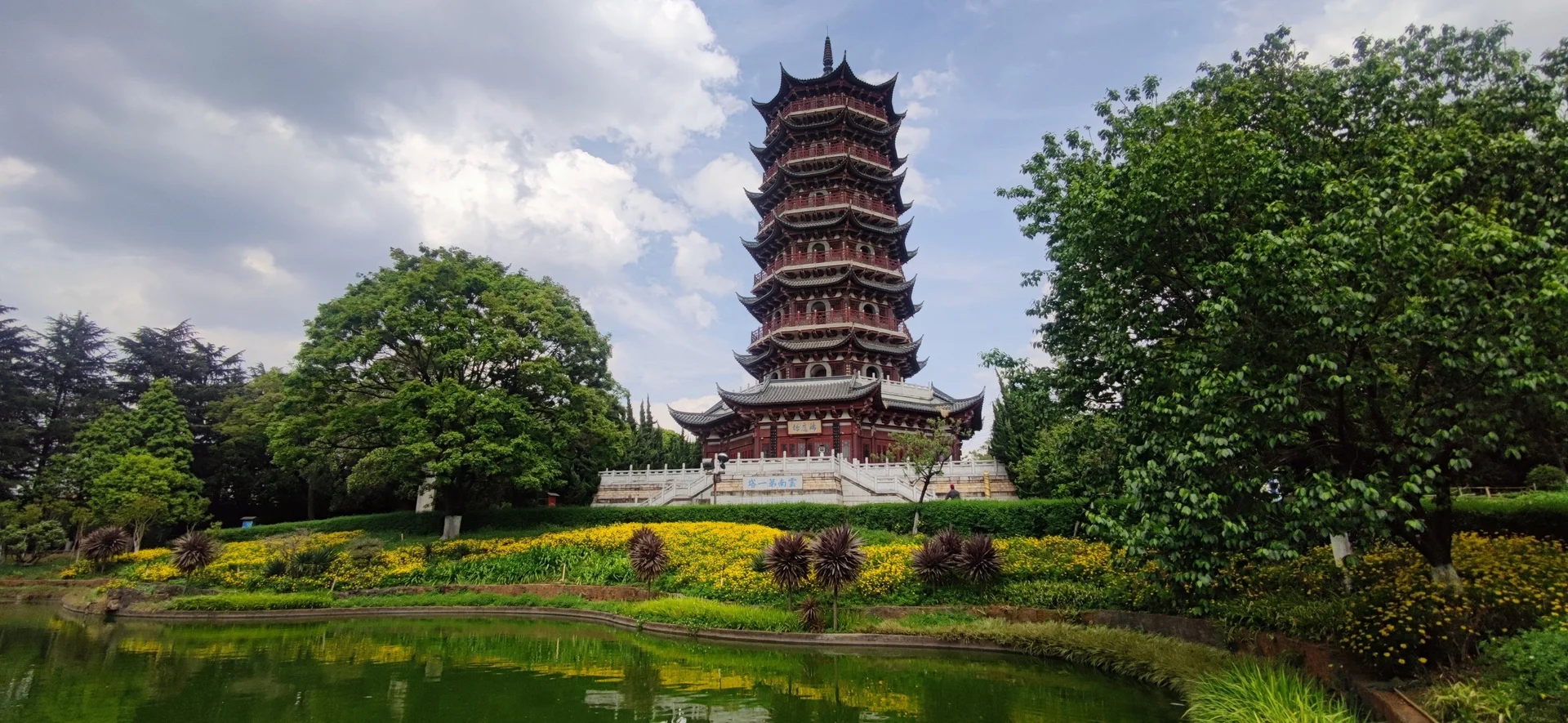
The Old Town is a labyrinth of cobblestone streets, traditional wooden buildings, and crystal-clear canals that have flowed for over 800 years. Unlike other Chinese cities, Lijiang's architecture reflects Naxi traditions, with intricate carvings, sloping roofs, and peaceful courtyards. At sunset, the town transforms into a romantic wonderland of lantern lights and soft music.
The Naxi people, one of China's most fascinating ethnic minorities, call Lijiang home. Their Dongba script—one of the world's few remaining pictographic writing systems—adds a mystical dimension to the city. Traditional Naxi music, performed on ancient instruments, echoes through the old streets each evening.
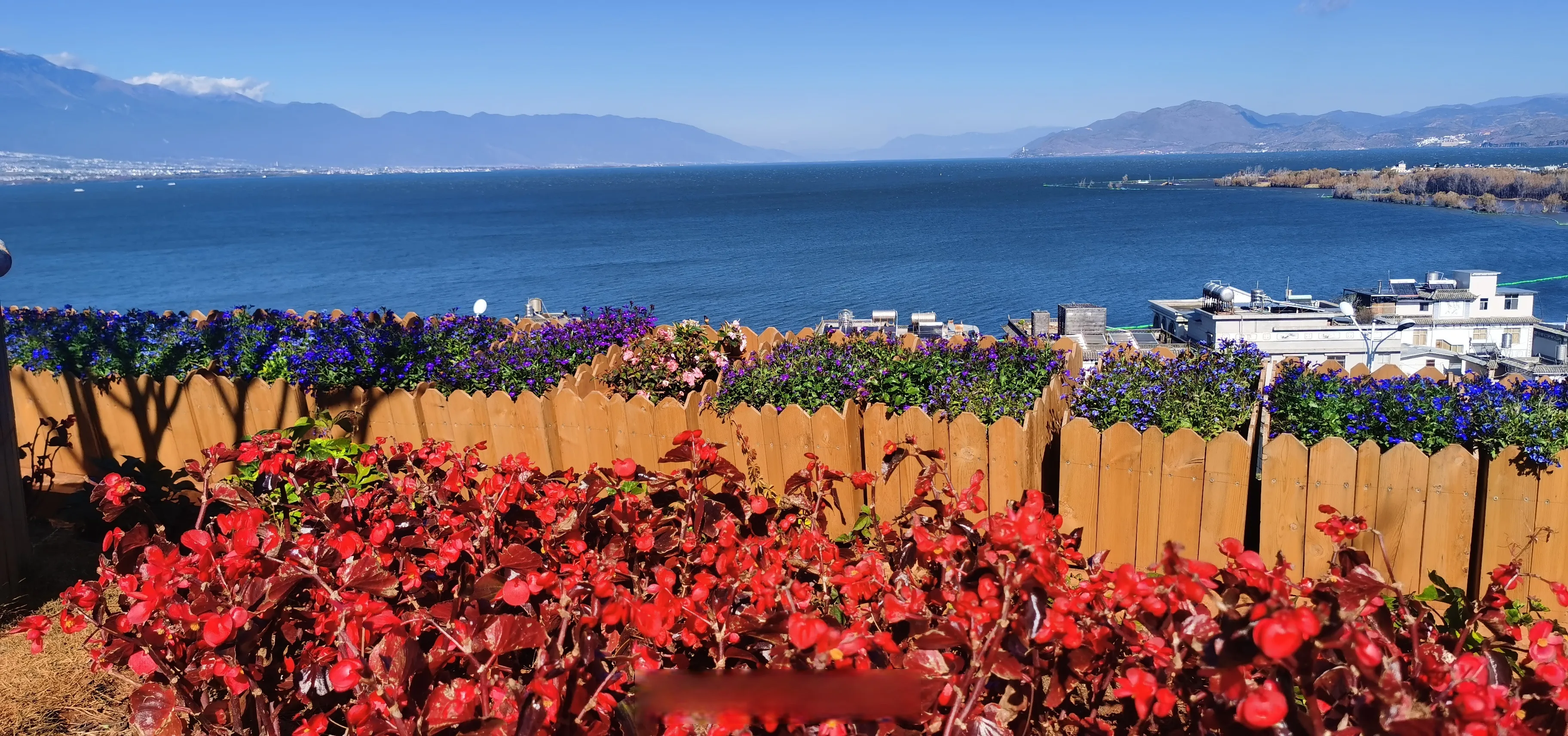
Beyond the Old Town, Jade Dragon Snow Mountain dominates the skyline with its 13 snow-capped peaks. Visitors can ride cable cars to Glacier Park for close encounters with eternal ice, or hike through meadows dotted with yaks and wildflowers. Blue Moon Valley, with its impossibly turquoise waters, offers picture-perfect views.
Lijiang is also a food lover's paradise. Local specialties range from hearty hot pots with preserved pork ribs to delicate chicken bean jelly and traditional Naxi grilled fish. The city's relaxed pace, stunning scenery, and rich culture make it one of China's most beloved destinations.
Lijiang's history spans over 800 years, beginning as a trading post on the Ancient Tea Horse Road between Yunnan, Tibet, and India.
During the Yuan Dynasty in the 13th century, the Mu family became hereditary rulers, governing the region for centuries. They built the Old Town with its distinctive water system and architecture.
The Naxi people developed a unique culture here. Their Dongba religion and pictographic writing system emerged as distinctive features of the region. Traditional Naxi music, passed down through generations, preserves ancient melodies.
After 1949, Lijiang developed as a regional center. Tourism began in the 1980s, leading to UNESCO World Heritage designation in 1997. The city has since become one of China's top tourist destinations, balancing preservation with development.
Lijiang's economy is driven by tourism, which accounts for over 70% of GDP. The city receives over 30 million visitors annually, attracted by its UNESCO World Heritage sites and natural beauty.
Agriculture remains important, with highland crops including potatoes, corn, and medicinal herbs. The region is known for its high-quality mushrooms and wild vegetables.
Handicrafts, including Naxi tie-dye, silver jewelry, and wood carvings, support local artisans. Traditional crafts have experienced revival through tourism demand.
The service sector continues to expand with hotels, restaurants, and tour operations. Modern infrastructure including the airport and high-speed rail has improved accessibility.
Discover the culinary treasures of Lijiang, from traditional street food to imperial cuisine.
Lijiang Sanyi International Airport (LJG) - 28 km from city center
Connected to major cities
Local buses connect Old Town with major attractions
Available throughout the city
Mar - May
Mild temperatures, blooming flowers, and clear mountain views. Perfect for hiking and sightseeing.
Jun - Aug
Rainy season with lush green landscapes. Indoor attractions and hot pot are popular.
Sep - Nov
Cool, dry, and clear—the best season for photography and outdoor activities.
Dec - Feb
Cold but sunny with the clearest mountain views. Fewest tourists and best hotel rates.
Traditional Naxi and Yi celebration with bonfires, dancing, and singing.
Naxi people's most important festival honoring their patron god Sanduo.
Spring and autumn are ideal. Pack layers for temperature changes between day and night.
Discover more cities, food guides, and travel inspiration.