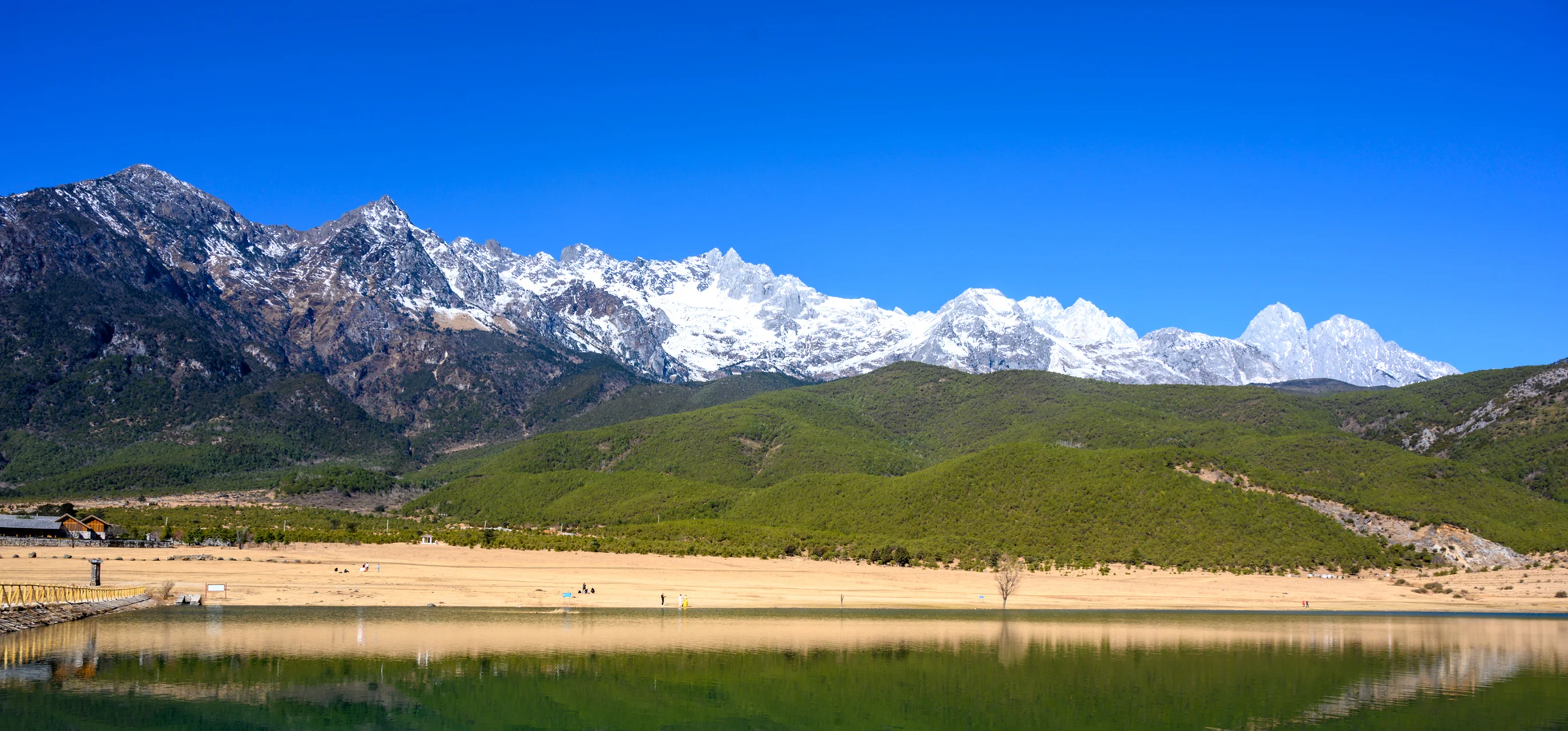
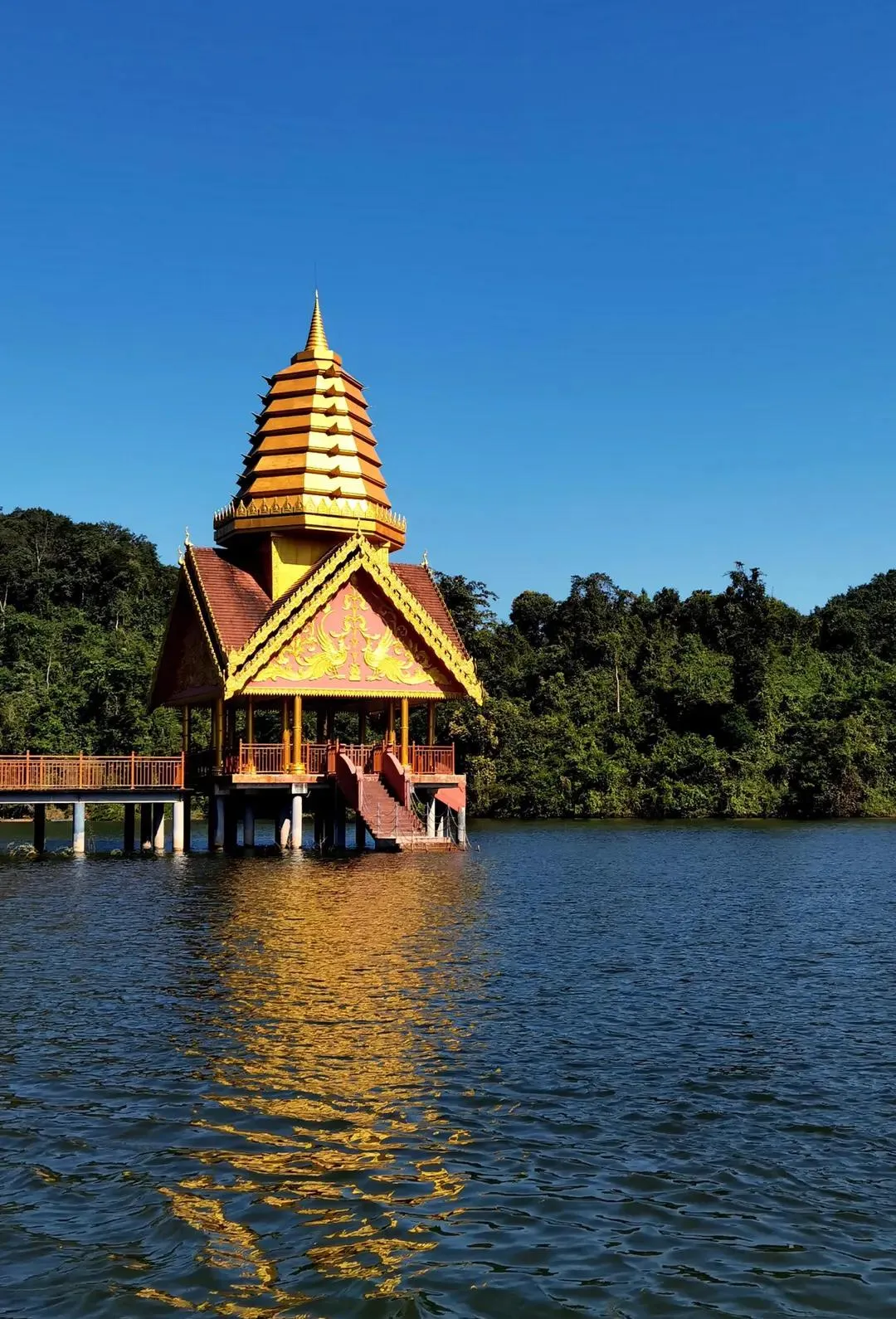
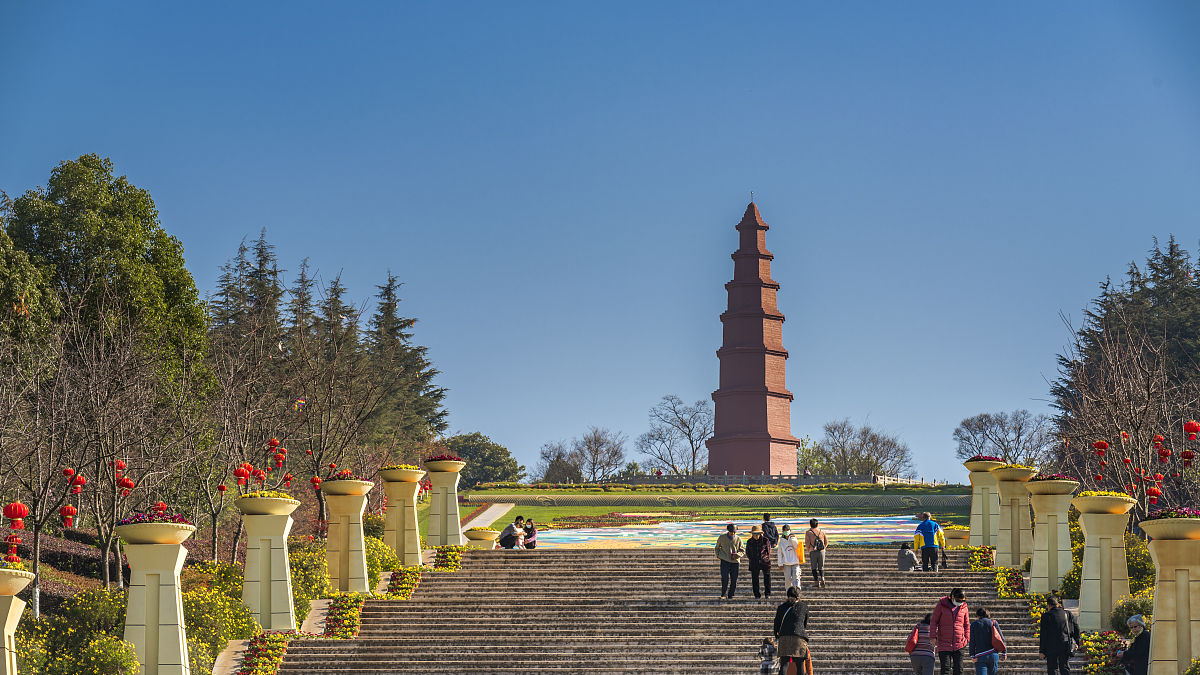
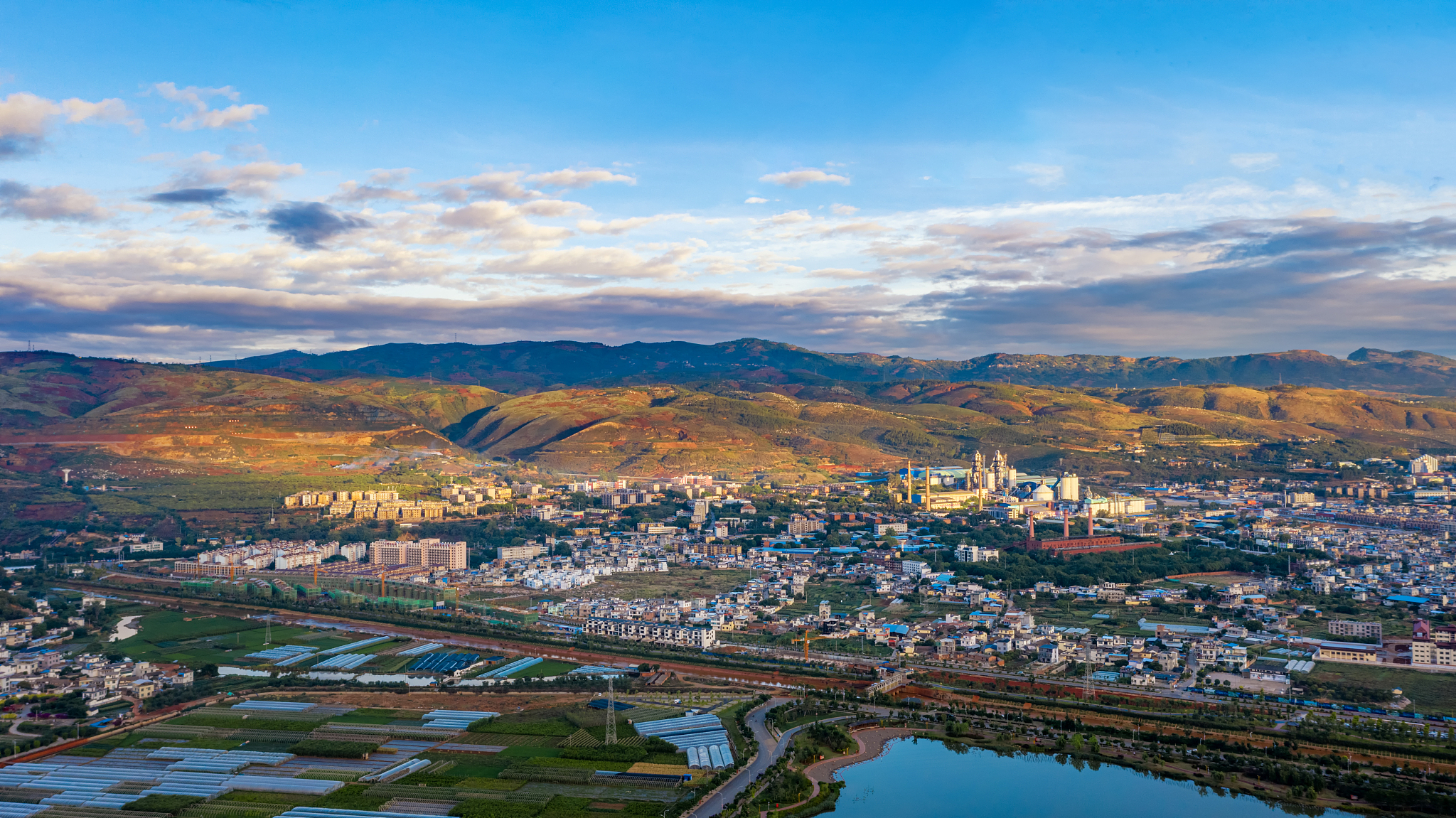
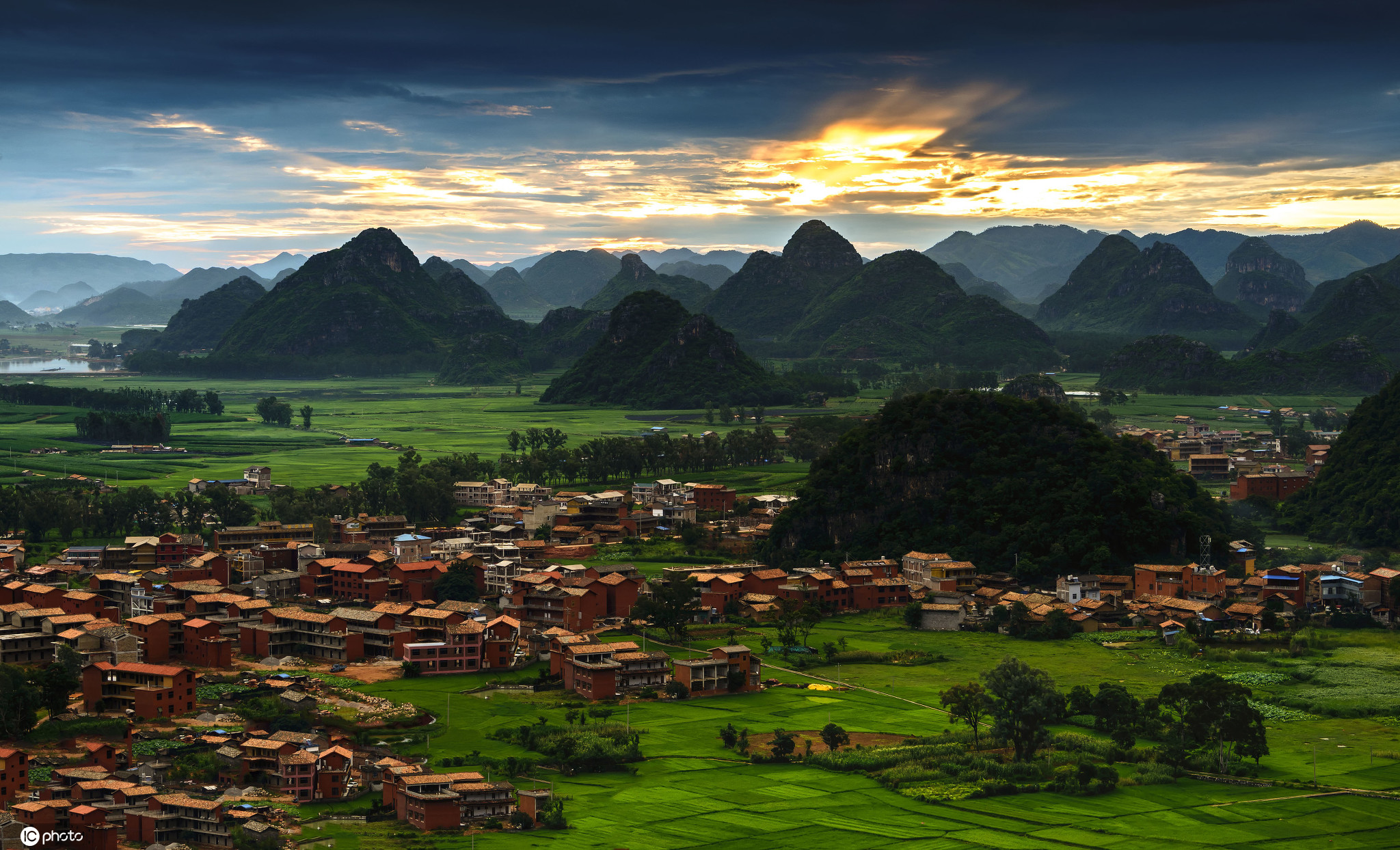
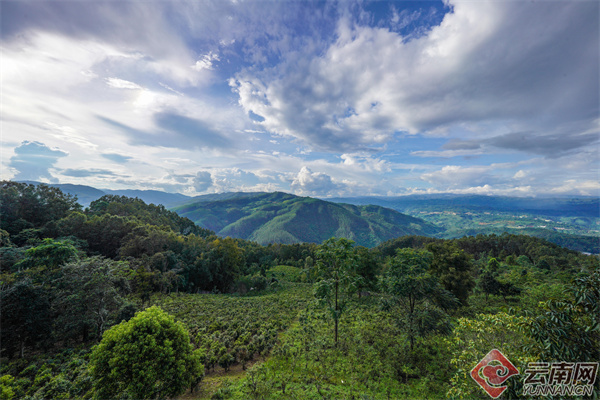
Chuxiong city skyline and landmarks (楚雄) - Travel China Guide

Chuxiong Travel Guide

The cradle of Yi ethnic culture, home to the stunning Yuanmou Earth Forest and one of the earliest human fossil discoveries in Asia—Yuanmou Man.

About

Chuxiong Yi Autonomous Prefecture in central Yunnan is a land of extraordinary contrasts—home to some of the oldest human fossils in Asia and some of the most surreal geological formations on Earth. This region of 2.7 million people is the heartland of the Yi ethnic group, one of China's 56 officially recognized ethnic minorities, with a culture dating back over 2,000 years.

The Yuanmou Earth Forest is Chuxiong's most spectacular natural attraction. Wind and water erosion over millions of years have carved the soft sedimentary earth into a fantastical landscape of towering pillars, castle-like formations, and labyrinthine gullies. The ever-changing colors—from deep reds to golden yellows—make it a photographer's dream.

Chuxiong is also one of the world's most important paleontological sites. The Yuanmou Man fossils, discovered in 1965, push back the evidence of human habitation in Asia to 1.7 million years ago. Nearby Lufeng County has yielded thousands of dinosaur fossils, earning it the nickname "Dinosaur Valley."

The Yi people are the soul of Chuxiong. Their ancient written script—one of only a few original writing systems among China's ethnic minorities—their distinctive calendar, and their vibrant festivals, especially the Torch Festival, make Chuxiong a fascinating destination for cultural travelers.

The prefecture's cuisine is a celebration of Yunnan's bounty. Wild mushrooms from the mountain forests, including prized matsutake, are a local treasure. Yi-style roasted meat, tamarind from the hot Yuanmou valleys, and fermented specialties like Mouding tofu showcase the region's diverse culinary heritage.

Modern Chuxiong has developed into an important transportation hub on the route between Kunming and Dali, and its economy blends tourism, mining, and agriculture in a landscape that has been continuously inhabited for millions of years.

History & Development

Chuxiong's human history is measured in millions, not thousands, of years. The Yuanmou Man fossils, discovered in 1965 by geologists, date to approximately 1.7 million years ago, making them among the earliest evidence of human ancestors in Asia. The fossils include two front teeth and a stone tool, suggesting early tool use.

The region's dinosaur fossils are equally remarkable. Lufeng County has yielded over 120 complete dinosaur skeletons since the first discoveries in 1938. Species found here include the Lufengosaurus, a 6-meter-long early sauropodomorph that lived 200 million years ago.

The Yi people have inhabited the Chuxiong region for over 2,000 years. According to Yi legends, they are descended from the ancient Qiang people who migrated southward. The Yi developed a unique hierarchical society with slave-owning traditions that persisted until the 1950s. Their written script, with over 1,000 characters, is one of China's few original ethnic writing systems.

During the Han Dynasty (202 BC-220 AD), the region was incorporated into Chinese administration. The Nanzhao Kingdom (738-902 AD) and Dali Kingdom (937-1253 AD) exercised control over the area, and the influence of Buddhism spread. The Ming Dynasty established military garrisons and encouraged Han Chinese settlement.

The salt mines of Heijing made the town one of Yunnan's wealthiest during the Ming and Qing dynasties. Salt was a strategic commodity, and the taxes from Heijing's salt wells funded regional administration.

In 1958, Chuxiong Yi Autonomous Prefecture was formally established, granting the Yi people self-governance within the People's Republic of China. The region has since developed its economy while preserving Yi cultural heritage. The annual Torch Festival has become a major tourism attraction, drawing visitors from across China and abroad.
Economy & Industries

Chuxiong's economy is diverse, with tourism, mining, and agriculture as the primary sectors. Tourism has grown rapidly, driven by the Yuanmou Earth Forest, Dinosaur Valley, and Yi cultural experiences. The annual Torch Festival draws significant domestic and international visitors.

Mining has historical importance. Copper mining dates back centuries, and the region still produces copper and other minerals. The salt industry, centered on Heijing, was historically vital but has declined in modern times.

Agriculture is the largest employer. Chuxiong is a major producer of tobacco, tea, walnuts, and wild mushrooms. Nanhua County is famous throughout China for matsutake mushrooms, which are exported to Japan and other countries. The hot, dry climate of Yuanmou is ideal for tamarind and early-season vegetables.

The prefecture has developed as a transportation and logistics hub on the Kunming-Dali corridor. The Chuxiong Economic Development Zone promotes manufacturing and processing industries.

Chuxiong's GDP is approximately 180 billion yuan. The prefecture continues to invest in tourism infrastructure, Yi cultural preservation, and sustainable agricultural development.

Top Attractions

🏔️ Nature

Yuanmou Earth Forest

A surreal geological wonderland where wind and water have sculpted the earth into towering pillars, castles, and spires across a vast area. The eroded formations glow in shades of gold, red, and brown, creating an otherworldly landscape that has been used as a filming location for Chinese movies. Best viewed at sunrise or sunset.

★★★★ 4.7
🕐 8:00 AM-6:00 PM
🎫 100 yuan
🏛️ Landmark

Chuxiong Yi Ancient Town

A purpose-built cultural tourism town that showcases Yi ethnic architecture, traditions, and arts. The town features traditional Yi-style buildings with distinctive rooflines and decorative motifs, craft workshops, restaurants serving Yi cuisine, and nightly performances of Yi music and dance.

★★★★ 4.3
🕐 Open all day
🎫 Free
🎭 Museum

Dinosaur Valley

A unique theme park and museum complex built around one of the world's richest dinosaur fossil sites. Lufeng County, within Chuxiong prefecture, has yielded thousands of dinosaur fossils, including complete skeletons of species found nowhere else. The park combines education with entertainment, featuring life-size animatronic dinosaurs.

★★★★ 4.5
🕐 9:00 AM-6:00 PM
🎫 120 yuan
🏔️ Nature

Zixi Mountain

A scenic mountain nature reserve known for its dense forests of Yunnan pine, azalea flowers that bloom spectacularly in spring, and a pristine alpine lake. The mountain offers hiking trails, picnic spots, and a peaceful escape from the city. Home to diverse wildlife and over 1,000 species of plants.

★★★★ 4.2
🕐 8:00 AM-6:00 PM
🎫 30 yuan
🏔️ Nature

Wuding Lion Mountain

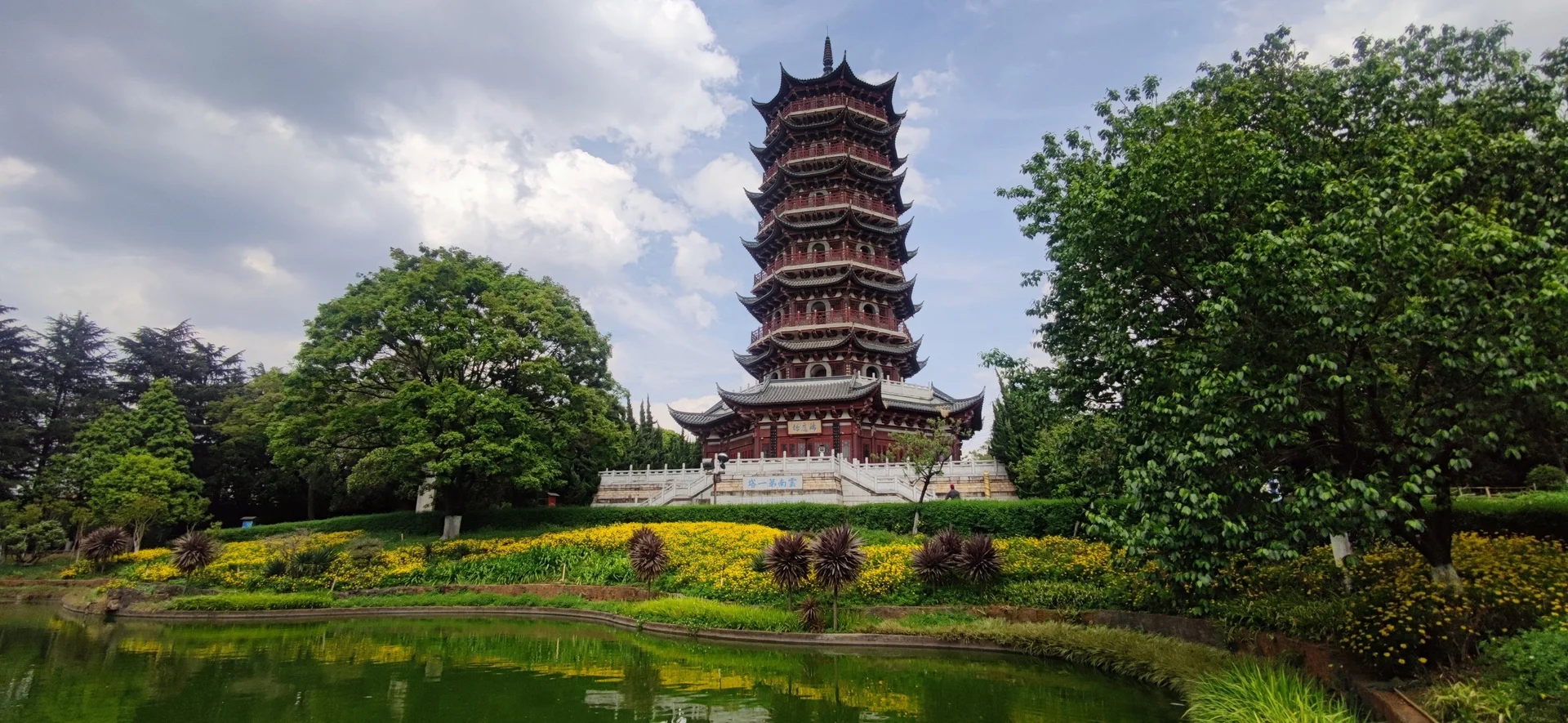
A scenic mountain shaped like a crouching lion, famous for its ancient Buddhist temples, dramatic rock formations, and panoramic views. The mountain's main temple dates back to the Yuan Dynasty and features exquisite murals and a towering pagoda. Hiking trails lead through pine forests to cliffside viewpoints.

★★★★ 4.3
🕐 8:00 AM-6:00 PM
🎫 60 yuan
🏛️ Landmark

Heijing Ancient Town

A historic salt-mining town that flourished during the Ming and Qing dynasties. Heijing (Black Well) was one of Yunnan's most important salt production centers, and its wealth is reflected in the ornate temples, elaborate residences, and stone-paved streets. The town's salt wells still operate and visitors can see traditional salt-making techniques.

★★★★ 4.4
🕐 8:00 AM-6:00 PM
🎫 25 yuan

Food & Culture

Discover the culinary treasures of Chuxiong, from traditional street food to imperial cuisine.

Things to Do

Earth Forest Photography

Capture the surreal landscapes of Yuanmou Earth Forest at sunrise or sunset.

Yi Culture Immersion

Explore Yi traditions, cuisine, and festivals at the Yi Ancient Town.

Dinosaur Discovery

Visit Dinosaur Valley for fossils and life-size animatronic dinosaurs.

🏛️

Ancient Town Walk

Explore Heijing Ancient Town's salt wells and Ming-Qing architecture.

Suggested Itineraries

Yi Culture & Earth Forest

Explore Chuxiong's unique geological wonders and Yi ethnic culture.

  • Yuanmou Earth Forest
  • Yi Ancient Town
  • Yi cultural performances

Prehistoric Journey

Trace 1.7 million years of history from dinosaurs to ancient humans.

  • Dinosaur Valley
  • Yuanmou Man site
  • Heijing Ancient Town

Getting Around

✈️

Airport

Kunming Changshui International Airport (KMG) - 160 km, about 2 hours by car

🚄

High-Speed Rail

1 hour from Kunming by high-speed rail to Dali

🚇

Metro

No metro

Best Time to Visit

Spring (April-May) and Autumn (September-October) offer the best weather for most destinations in China.

Continue Exploring China

Discover more cities, food guides, and travel inspiration.