Nan'ao Island
A large scenic island connected to the mainland by the 11-kilometer Nan'ao Bridge, the longest cross-sea bridge in Guangdong. Features pristine beaches, seafood villages, and the historic Song Dynasty well.
The culinary capital of Chaoshan region, famous for its unique Chaoshan cuisine, historic old town with arcade architecture, and the beautiful Nan'ao Island.
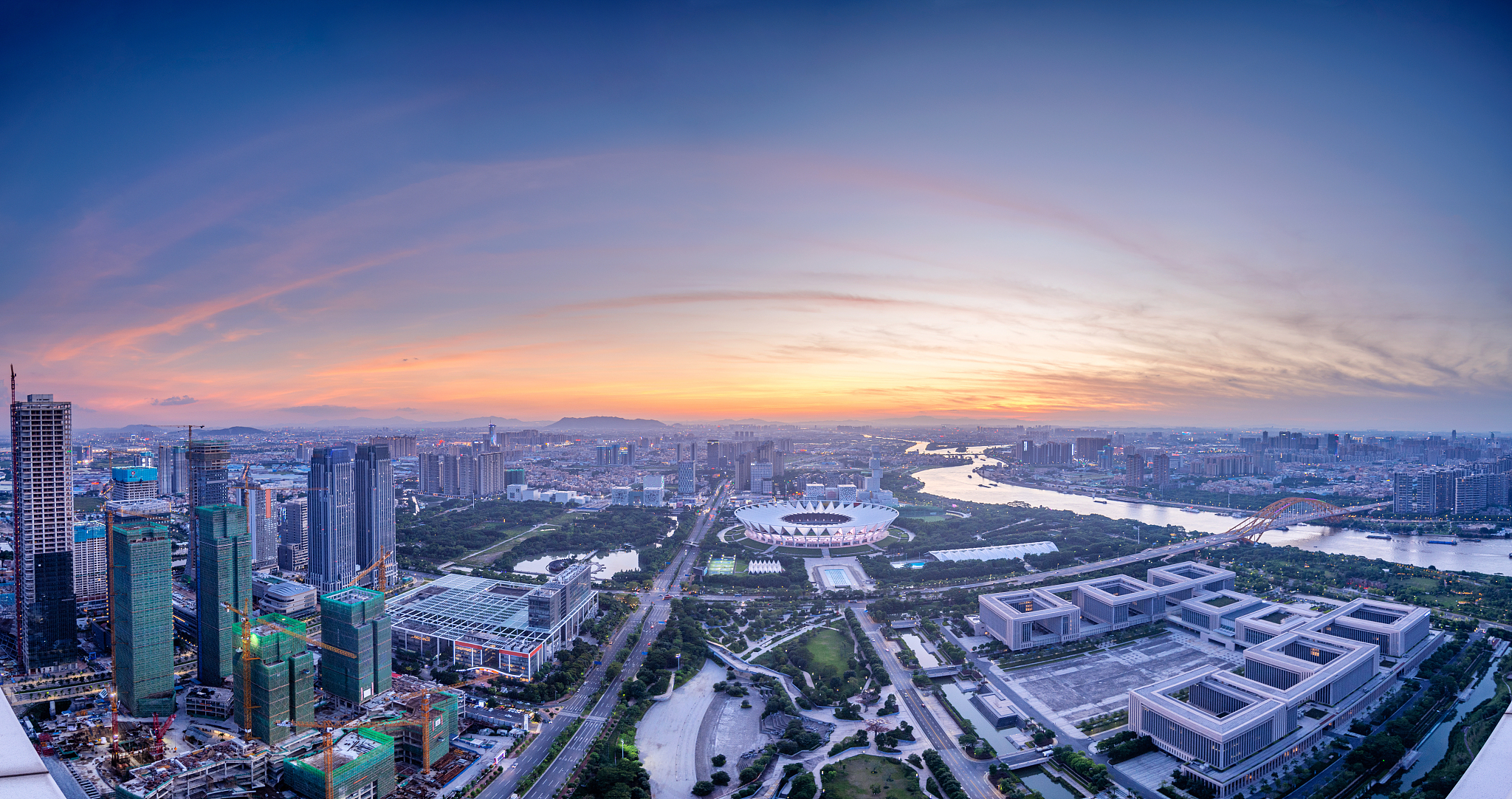
Shantou is a prefecture-level city in eastern Guangdong Province, located at the mouth of the Han River delta. As one of China's first Special Economic Zones established in 1981, Shantou has developed into a significant economic and cultural center for the Chaoshan region.
The city is renowned worldwide for its distinctive Chaoshan cuisine, considered one of the finest culinary traditions in China. From beef hotpot to oyster omelettes, Shantou's food scene attracts visitors from across the country and beyond. The historic old town, centered around the iconic Xiaogongyuan roundabout, preserves a remarkable collection of early 20th-century arcade buildings that reflect the city's prosperous past as a treaty port.
Beyond the urban core, Nan'ao Island offers pristine beaches, seafood villages, and scenic coastal drives connected by an impressive cross-sea bridge. Chenghai district, part of Shantou's administrative area, is globally recognized as the world's largest toy production base.
Shantou was established as a treaty port in 1860 following the Second Opium War, opening to foreign trade under the Treaty of Tientsin. It quickly grew into a major commercial port and emigration center, with large numbers of Chaoshan people departing for Southeast Asia through Shantou port.
In 1981, Shantou was designated as one of China's four original Special Economic Zones, giving it preferential policies for economic development. While it grew more slowly than Shenzhen and Zhuhai, Shantou leveraged its strong overseas Chinese connections to attract investment. The city has preserved its unique Chaoshan cultural identity — including the distinct Teochew language, opera, music, and tea ceremony — making it a living museum of one of China's most distinctive regional cultures.
Shantou's economy is diversified across manufacturing, trade, and services. As a Special Economic Zone, it benefits from preferential policies and strong connections with the overseas Chinese diaspora, particularly in Southeast Asia.
The city is best known globally for Chenghai district, which produces over 70% of the world's toys, making it the undisputed toy capital of the world. Other key industries include textile and garment manufacturing, electronics, food processing, and plastic products. The Chaoshan food culture has also become a significant economic driver through culinary tourism and food exports. Shantou port remains an important regional shipping hub for eastern Guangdong.
Discover the culinary treasures of Shantou, from traditional street food to imperial cuisine.
Shantou Waisha Airport (SWA) serves domestic routes to major Chinese cities including Beijing, Shanghai, Guangzhou, and Chengdu. Jieyang Chaoshan International Airport is the main regional airport shared by Shantou, Jieyang, and Chaozhou.
Shantou Railway Station on the Xiamen-Shenzhen high-speed railway. Direct trains to Guangzhou South in about 2 hours and Shenzhen in about 1.5 hours.
No metro system. Public buses, taxis, and ride-hailing services cover the urban area. Ferries connect the mainland to Nan'ao Island.
Mar - May
Mild and pleasant with moderate rainfall. Cherry blossoms bloom in parks. Good for exploring the old town and outdoor attractions.
Jun - Aug
Hot and humid with frequent rain and occasional typhoons. Peak season for Nan'ao Island beaches and seafood.
Sep - Nov
Comfortable temperatures with clear skies and low rainfall. The best season for sightseeing, food tours, and coastal activities.
Dec - Feb
Mild and dry with cool evenings. Perfect for enjoying Chaoshan hotpot and exploring the city without crowds.
Discover more cities, food guides, and travel inspiration.