Nature
Yan Nan Fei Tea Plantation
A stunning terraced tea plantation resort set in the Meizhou mountains, offering guided tea tours, tastings, and panoramic views of lush green hills.
8:00 AM - 6:00 PM
80 yuan
The cultural capital of the Hakka people, known for traditional round tulou buildings, Hakka cuisine, and the scenic Meijiang River.
Meizhou is the cultural heart of the Hakka people, located in the mountainous northeastern part of Guangdong Province. With a population of approximately 3.9 million, the city is known worldwide as the "World Hakka Capital" -- the ancestral homeland from which millions of Hakka people migrated to Southeast Asia and beyond.
The city is characterized by rolling green hills, terraced tea plantations, and traditional Hakka weiwu (enclosed houses), a unique architectural style designed for clan living and defense. Meizhou's remote mountainous location has helped preserve Hakka language, customs, and culinary traditions better than anywhere else in China.
Beyond its cultural significance, Meizhou offers beautiful natural scenery: misty mountains, the meandering Meijiang River, forest parks, and serene Buddhist temples. The city is also the birthplace of Marshal Ye Jianying, a key figure in modern Chinese history.
Meizhou's history is inseparable from the story of the Hakka people. During the Southern Song dynasty (1127-1279), waves of Han Chinese migrants fleeing warfare in central China settled in the mountainous regions of what is now Meizhou. Over generations, they developed a distinct culture, language, and architectural style that set them apart from the surrounding Cantonese population.
The name "Hakka" means "guest families," reflecting their migrant origins. Meizhou became the cultural and spiritual center of Hakka identity. From the Ming dynasty onward, Hakka people from Meizhou began migrating overseas, first to Southeast Asia, and later to the Americas, Europe, and Australia. Today, an estimated 3 million Hakka in over 80 countries trace their ancestry to Meizhou.
The city also played a notable role in modern Chinese history. Ye Jianying (1897-1986), born in Meizhou, was a respected military leader and later served as Chairman of the National People's Congress. His former residence in Meizhou is now a popular historical site.
In the 20th century, Meizhou remained relatively isolated until improved transportation links connected it more closely with the rest of Guangdong. This isolation paradoxically helped preserve Hakka culture while the rest of the region modernized rapidly.
Meizhou economy is smaller than most Pearl River Delta cities, with a GDP of approximately 140 billion yuan. However, the city has been developing steadily with a focus on culture, tourism, and green industries.
Tourism is a growing sector, centered on Hakka cultural experiences and eco-tourism. Visitors come to see traditional weiwu architecture, explore tea plantations, and experience Hakka cuisine. The Yan Nan Fei Tea Plantation and Hakka Park are major attractions that combine tourism with cultural preservation.
Agriculture remains important, particularly tea cultivation. Meizhou is one of Guangdong's major tea-producing regions, known for high-mountain oolong and green teas. Golden pomelo (youzi) is another signature agricultural product, with Meizhou being one of China's largest producers.
Electronics manufacturing has been growing, with several industrial parks attracting investment in components manufacturing and assembly. The city also promotes cultural industries related to Hakka heritage, including crafts, publishing, and culinary tourism.
Overseas Chinese remittances and investment continue to contribute to the local economy, with many Hakka diaspora maintaining strong ties to their ancestral homeland.
Discover the culinary treasures of Meizhou, from traditional street food to imperial cuisine.
Spring (April-May) and Autumn (September-October) offer the best weather for most destinations in China.
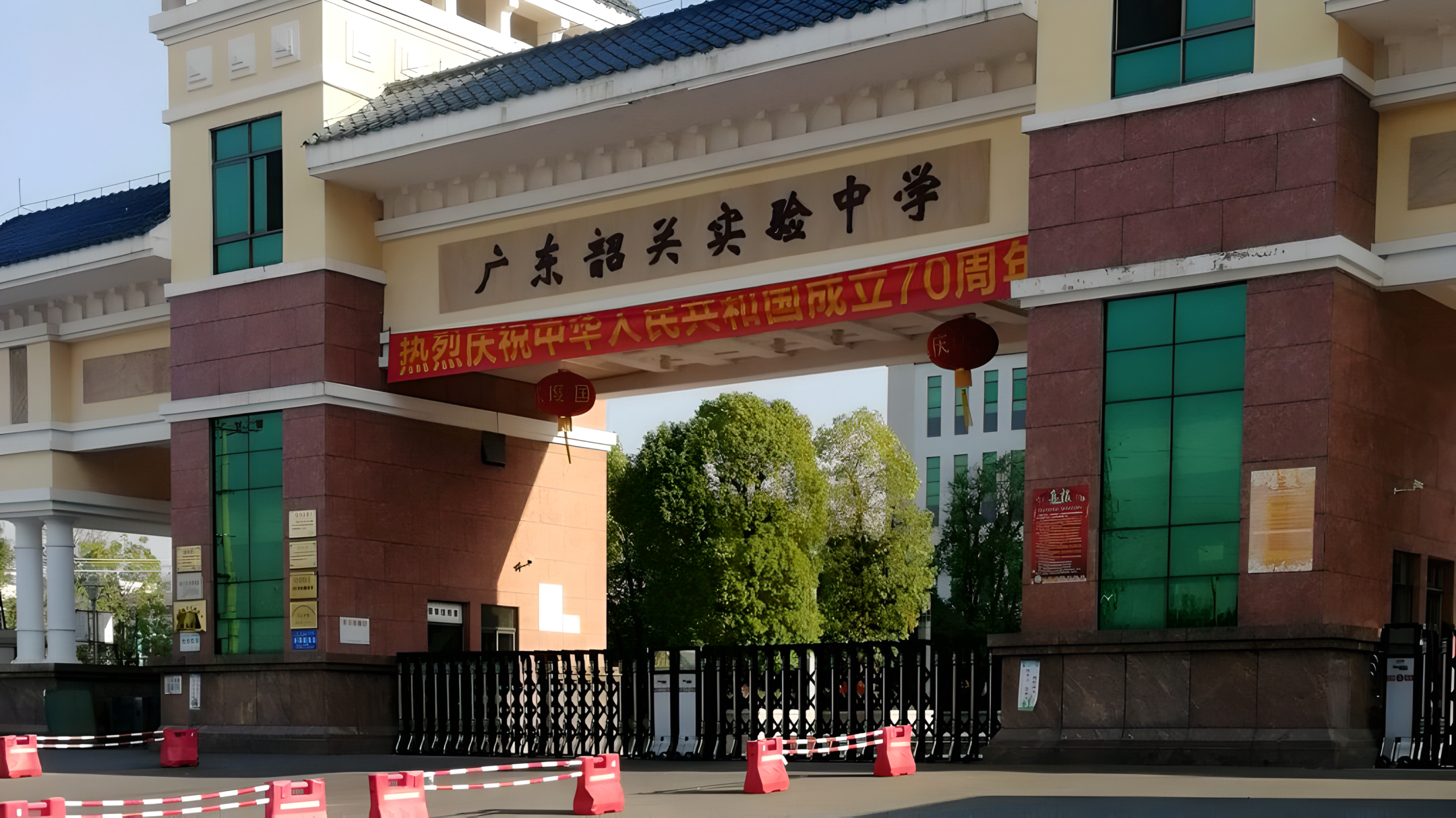
The northern gateway of Guangdong, famous for the stunning D...
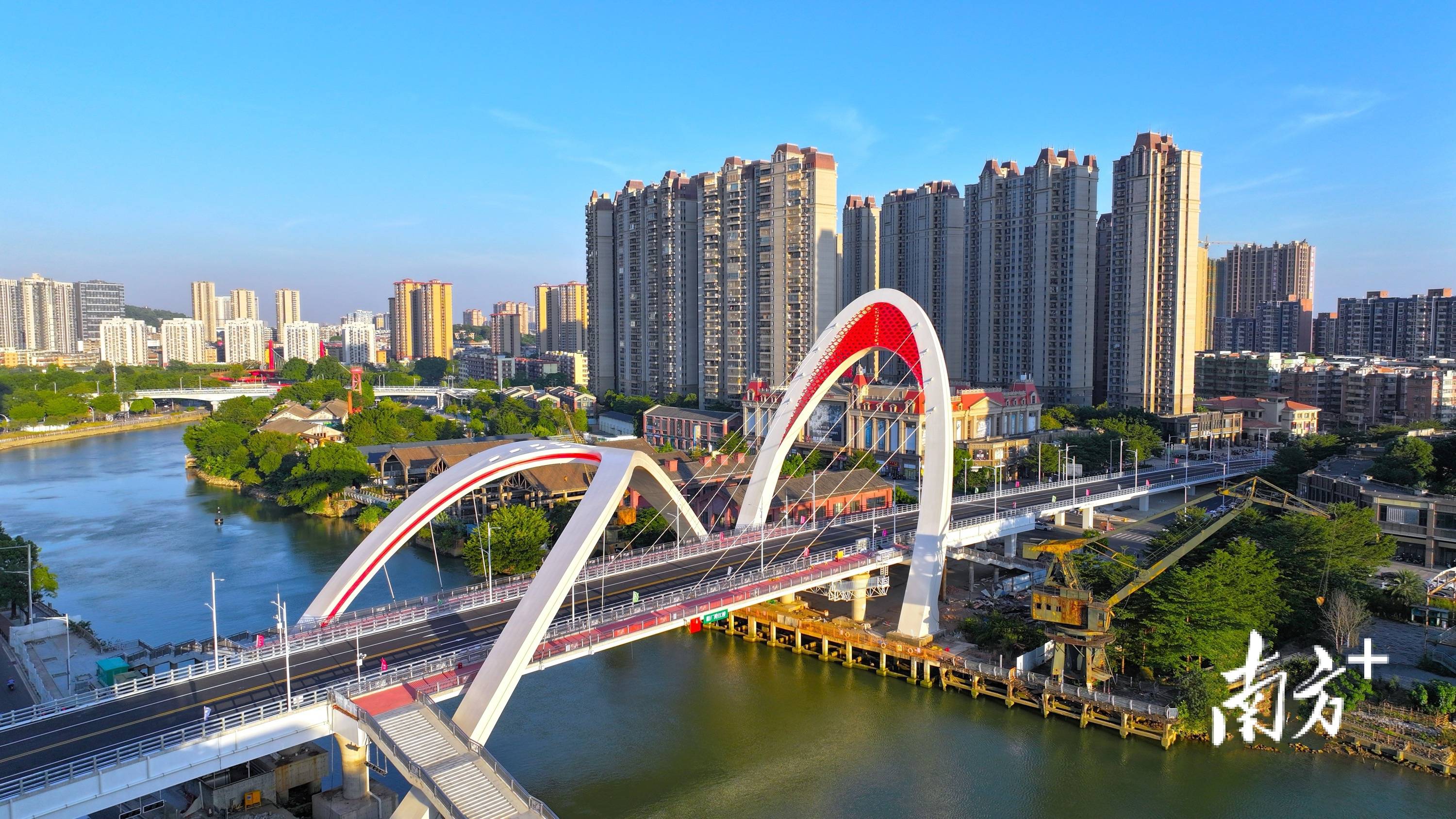
The ancestral hometown of many overseas Chinese, known for t...
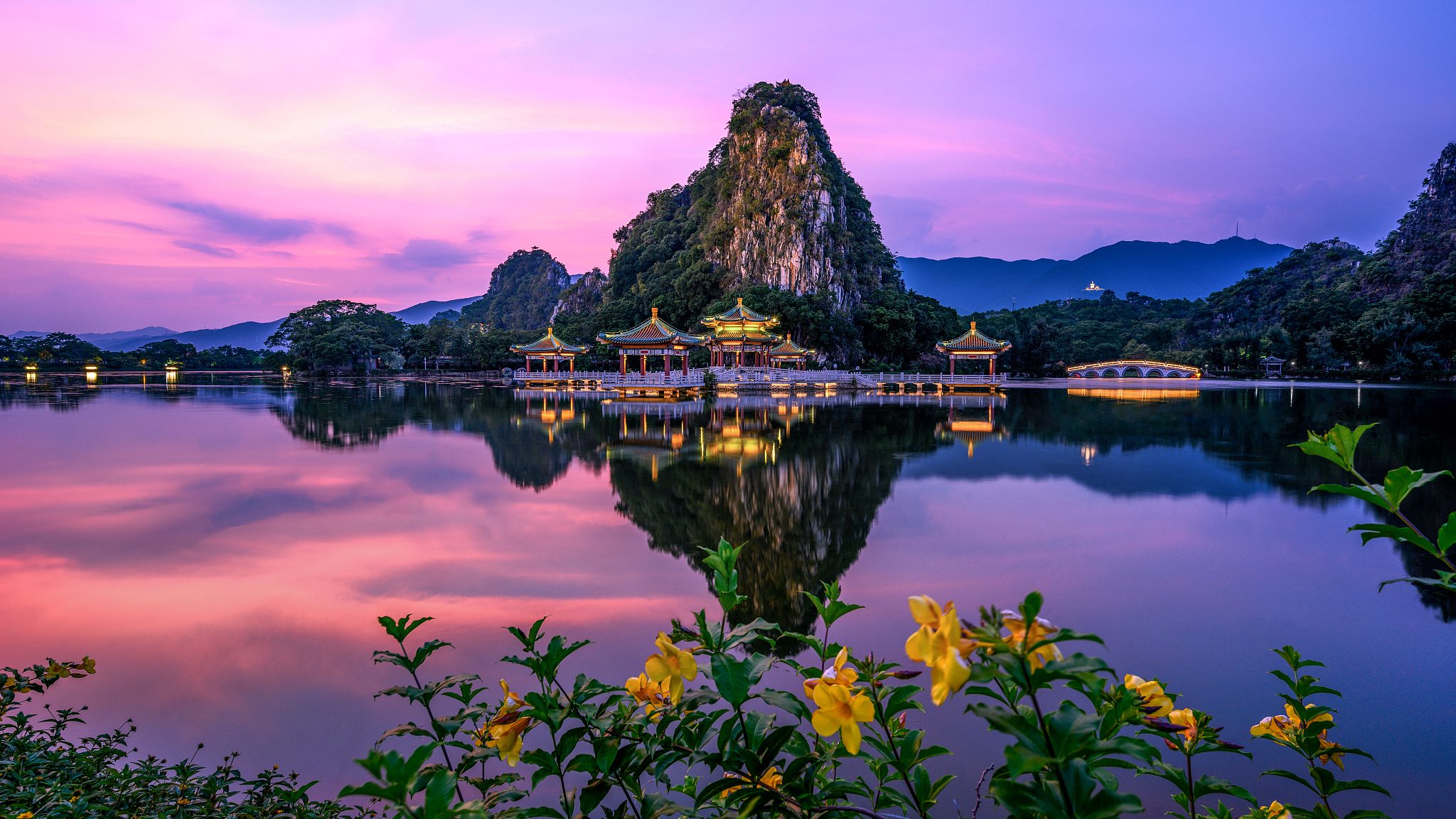
A historic city in western Guangdong, famous for the scenic ...
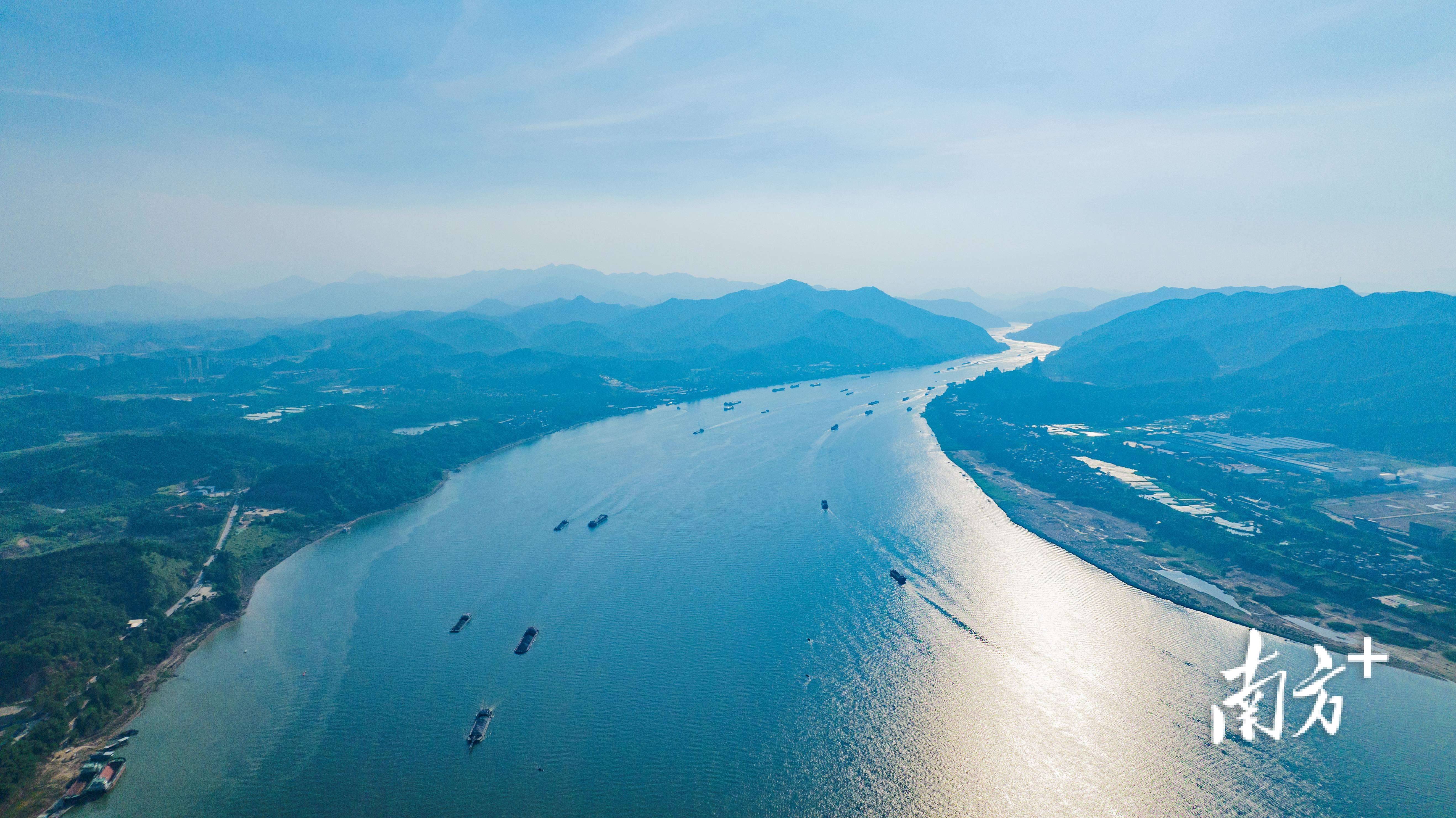
The stone carving capital of China, a city in western Guangd...
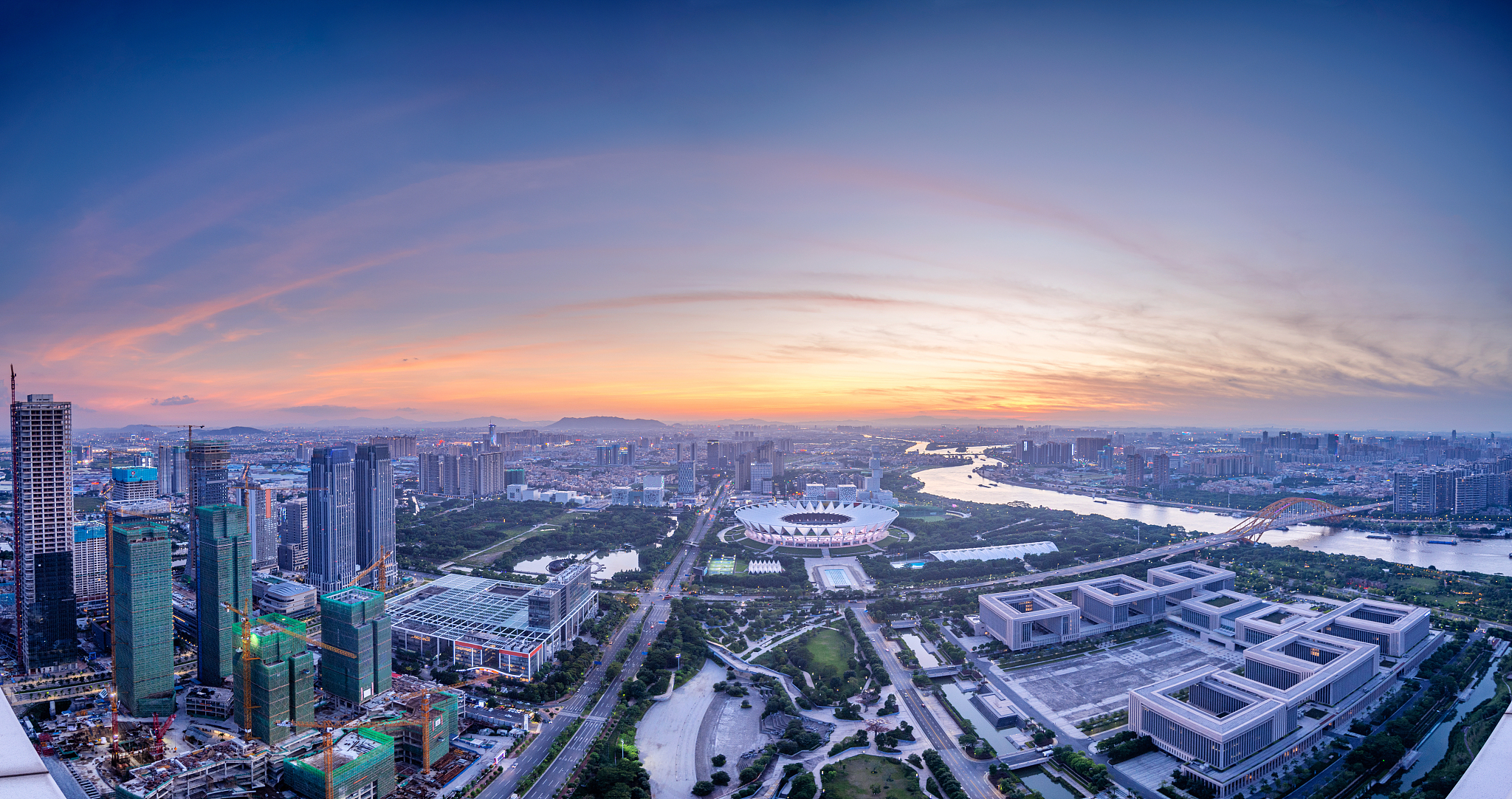
The UNESCO Creative City of Gastronomy, a district in Foshan...
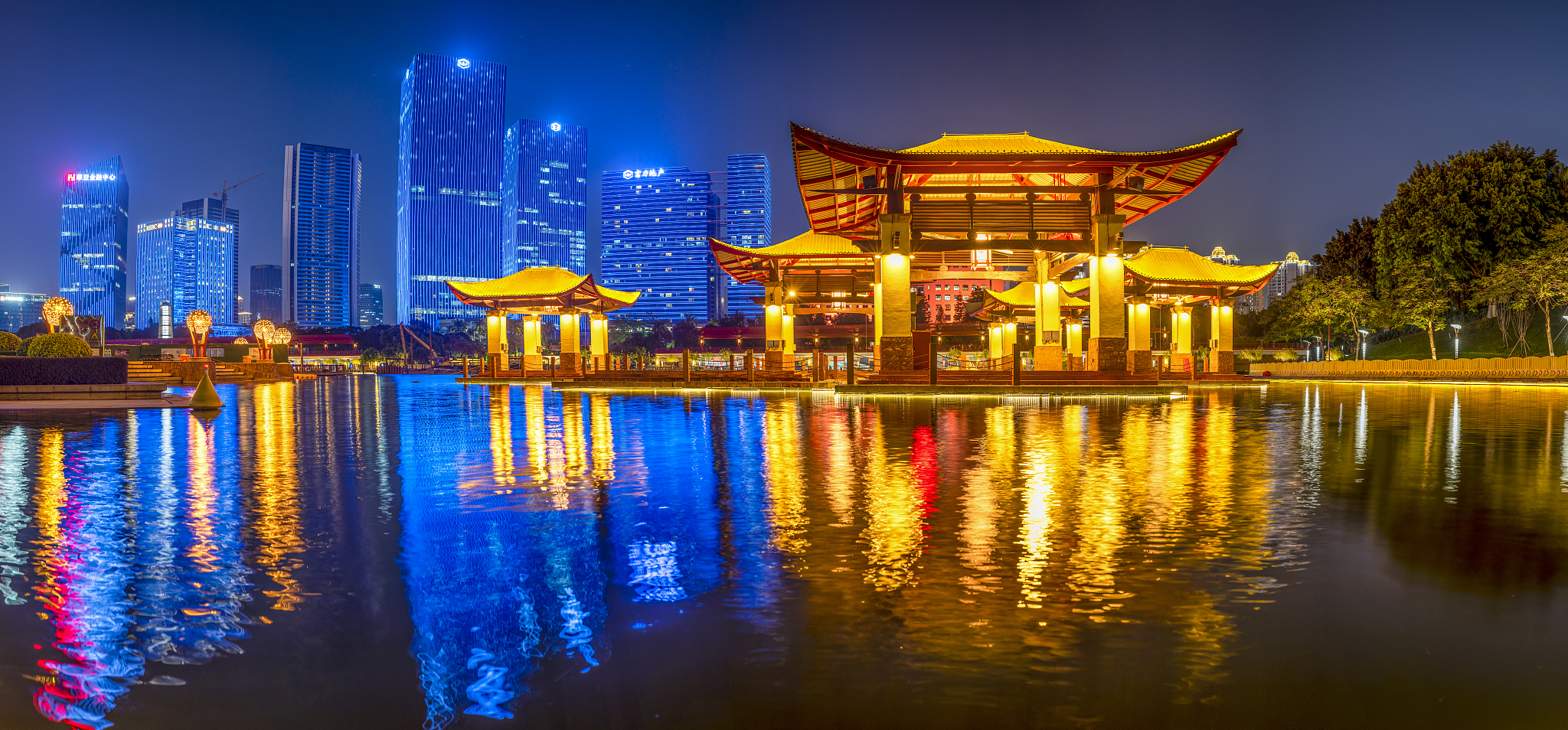
A city of living heritage where ancient ceramic kilns, marti...
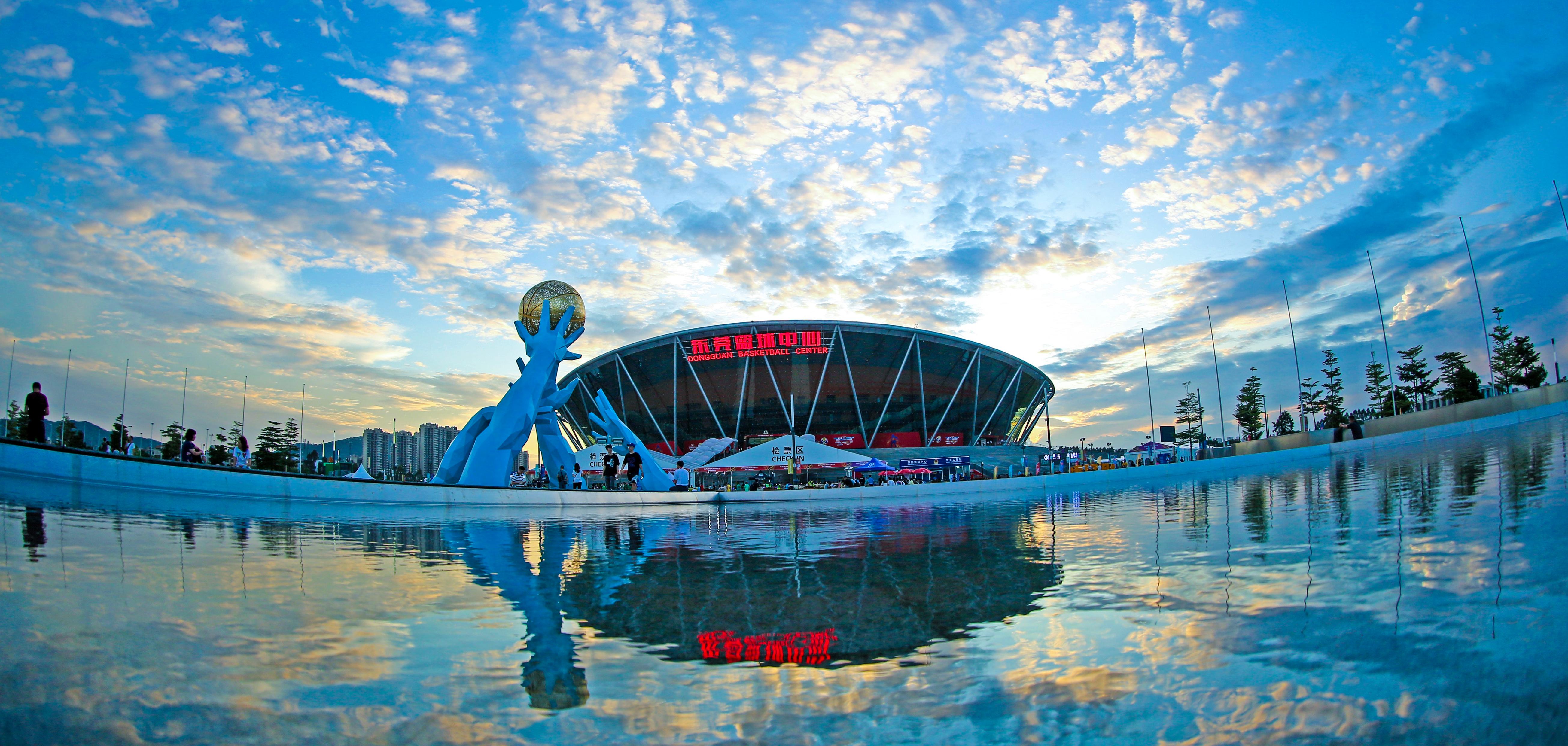
A manufacturing powerhouse where global tech brands OPPO and...
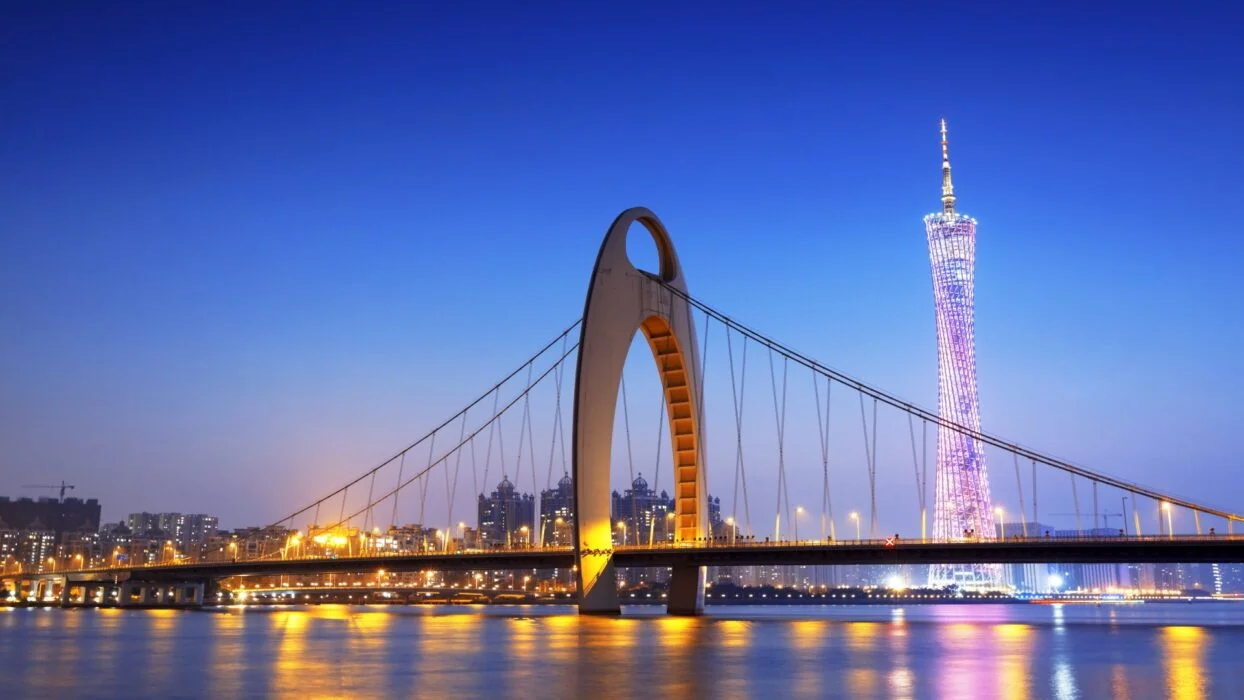
China's southern gateway and Cantonese cultural heart, Guang...
Discover more cities, food guides, and travel inspiration.