Lhoka city skyline and landmarks (山南) - Travel China Guide

Lhoka Travel Guide

Known as the cradle of Tibetan civilization, Lhoka is home to the first Tibetan Buddhist monastery, the first palace, and the first cultivated fields in Tibetan history.

About

Lhoka is a prefecture-level city in southern Tibet, widely recognized as the cradle of Tibetan civilization. The Yarlung Valley, the fertile river valley at the heart of Lhoka, is where Tibetan history begins — the site of the first Tibetan king, the first palace, the first Buddhist monastery, and the first cultivated fields. This historical depth gives the region a unique cultural and spiritual significance.

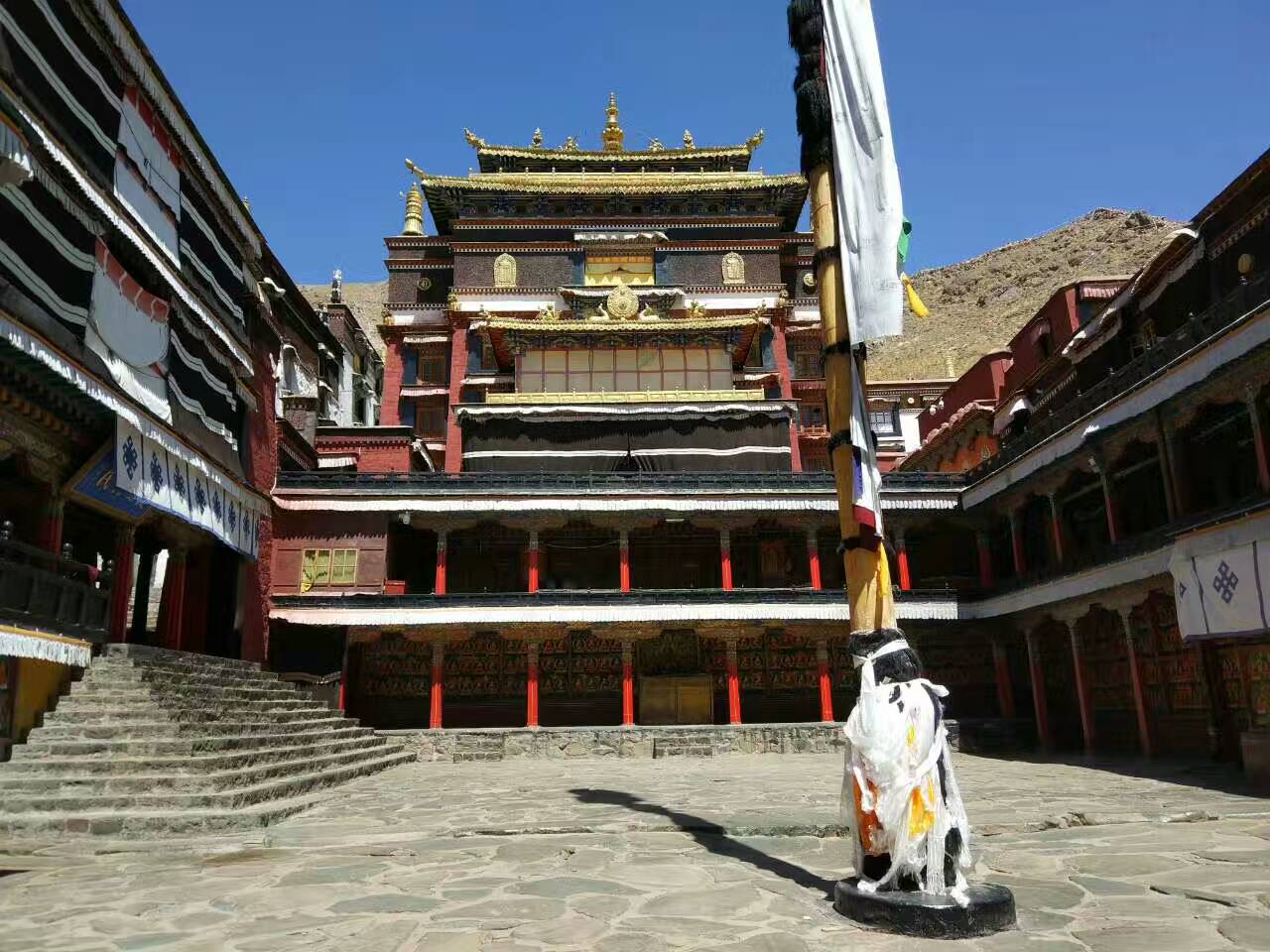
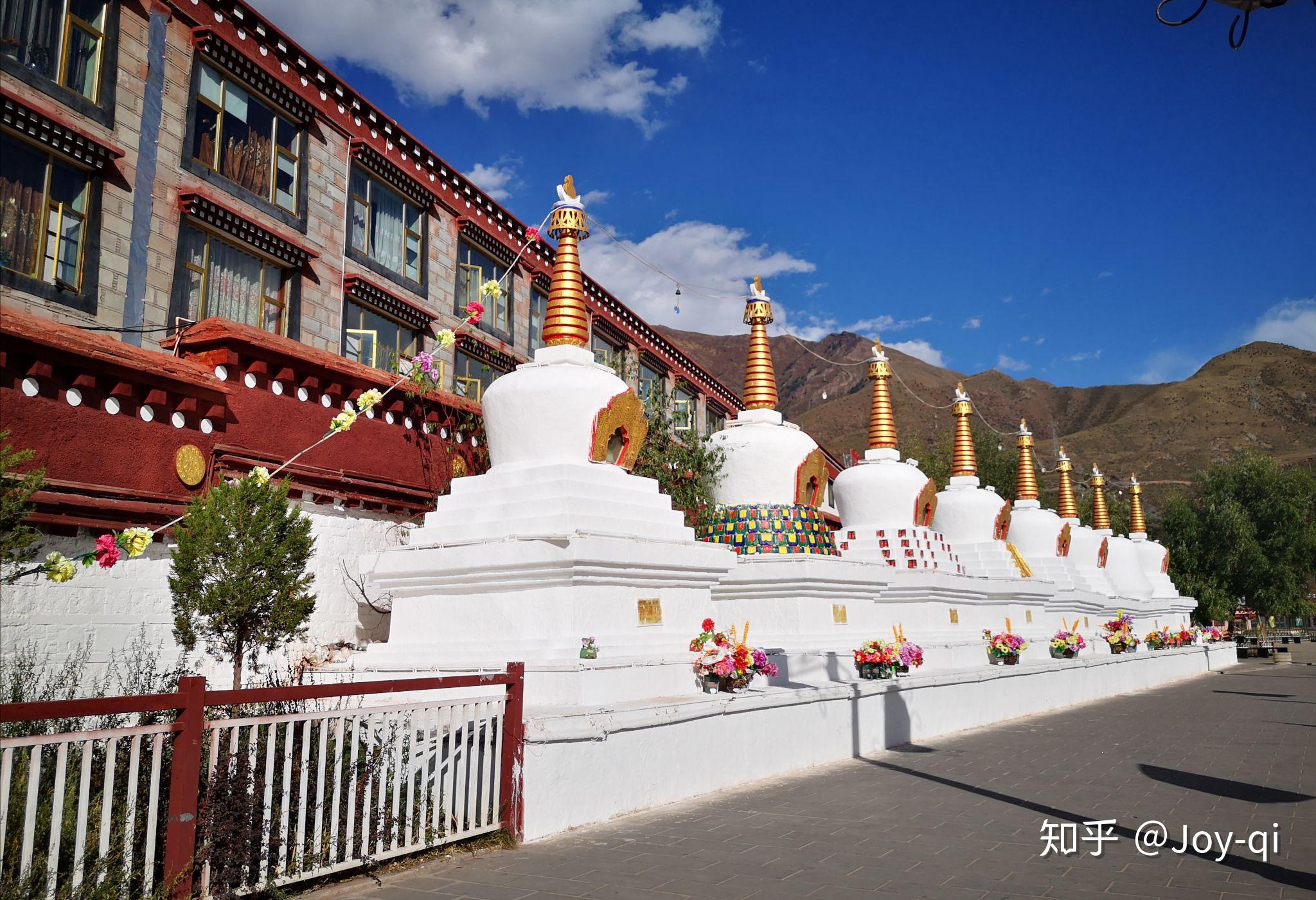
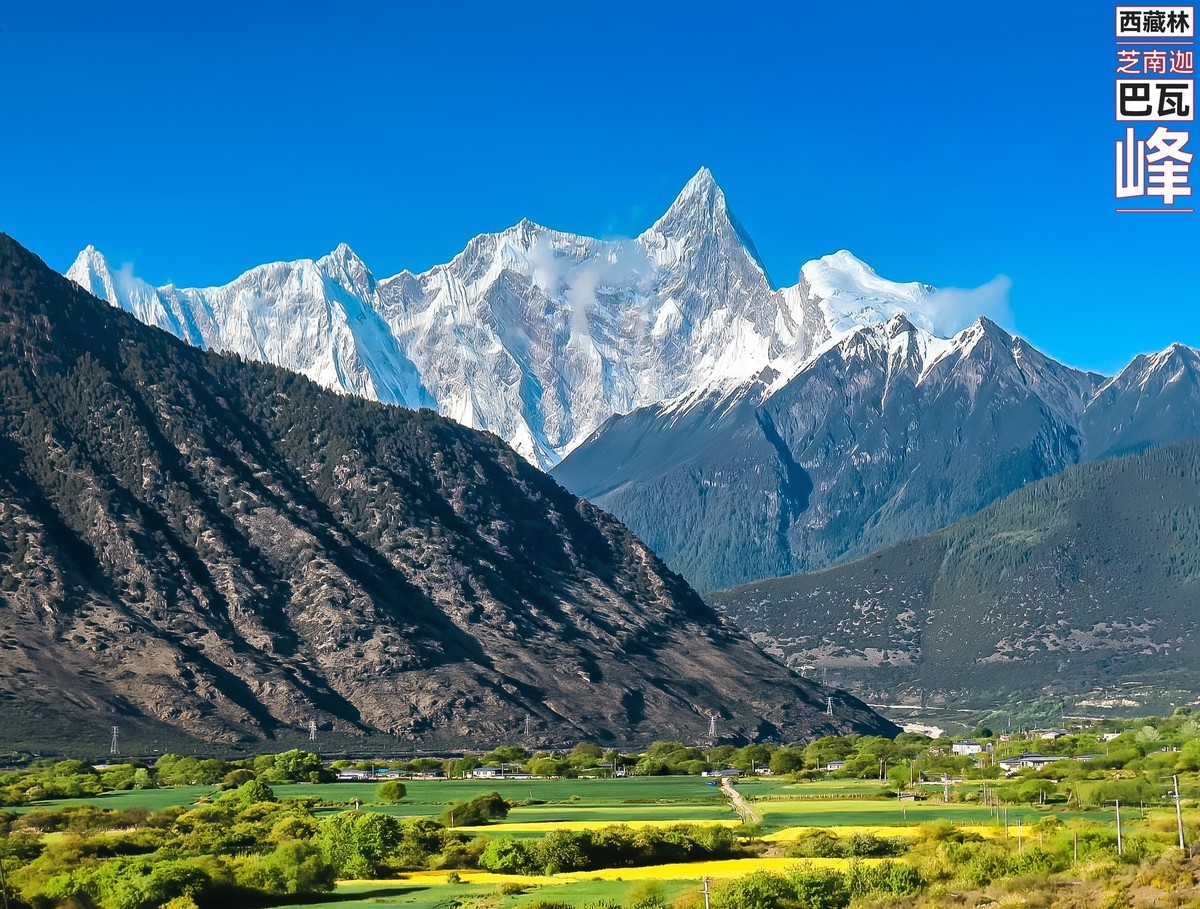
The Yarlung River flows through the region, carving out a broad valley surrounded by snow-capped mountains. The landscape is dotted with ancient fortresses, monasteries perched on rocky outcrops, and traditional Tibetan villages with whitewashed homes and prayer flags fluttering in the wind. The area's moderate altitude of around 3,500 meters makes it more accessible than higher Tibetan destinations.

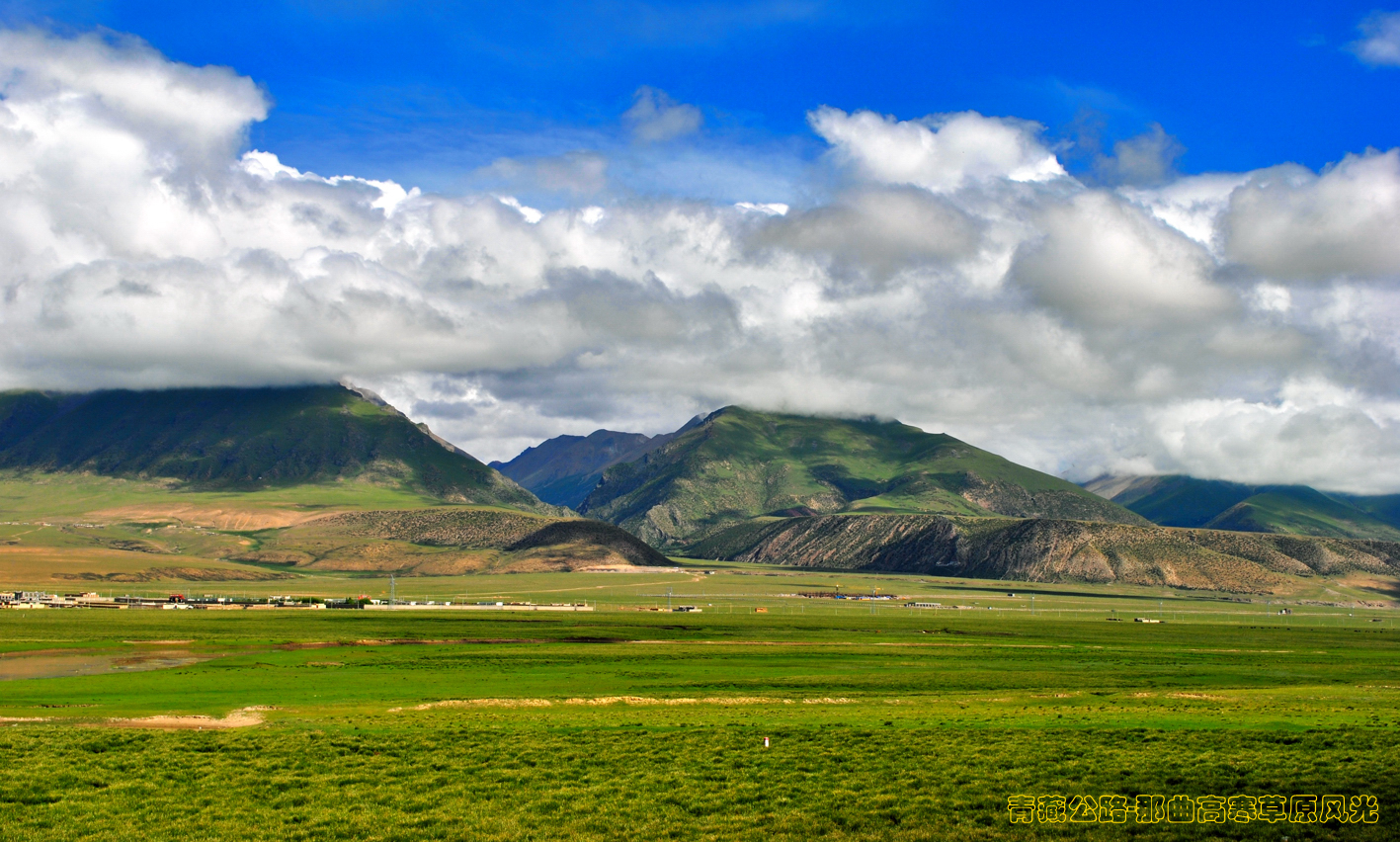
Lhoka is also home to stunning natural wonders, most notably Lake Yamdrok, one of Tibet's three sacred lakes. The lake's brilliant turquoise waters against the backdrop of snow-covered peaks create one of the most photographed landscapes in Tibet. The region's vast grasslands and highland pastures support traditional nomadic culture.

The city of Lhoka (formerly called Zetang) has developed into a modern Tibetan city while maintaining strong connections to its ancient heritage. The streets are lined with modern buildings, but traditional culture remains vibrant, particularly in the surrounding villages where ancient customs and festivals are preserved.

History & Development

Lhoka's history is the history of Tibetan civilization itself. According to Tibetan tradition, the first Tibetan king, Nyatri Tsenpo, descended from heaven onto the sacred mountain Yarlha Shampo in the Yarlung Valley around 127 BC. His descendants established the Yarlung dynasty, which would eventually unify Tibet under Songtsen Gampo in the 7th century AD.

The 7th and 8th centuries were transformative for Lhoka. King Songtsen Gampo built the Yumbulagang Palace and Tradruk Temple. In 779 AD, King Trisong Detsen founded Samye Monastery, marking the formal establishment of Buddhism in Tibet. The great Indian master Padmasambhava (Guru Rinpoche) was invited to consecrate the monastery and tame the local spirits according to legend.

During the later imperial period, Lhoka remained an important religious and cultural center. Many of Tibet's most revered Buddhist masters studied and taught at Samye Monastery. In modern times, Lhoka has seen significant development while preserving its archaeological treasures. The region has become a major center for Tibetan studies and cultural preservation.
Economy & Industries

Lhoka's economy is primarily based on agriculture, animal husbandry, and tourism. The fertile Yarlung Valley is one of Tibet's most productive agricultural regions, growing barley, wheat, rapeseed, and vegetables. The area is particularly famous for its high-quality barley, which is used in traditional Tibetan foods and increasingly in modern food processing.

Tourism is the fastest-growing economic sector, centered on historical sites like Samye Monastery, Yumbulagang, and the sacred Lake Yamdrok. The local economy has benefited from steady investment in transportation infrastructure, including improved highways connecting Lhoka to Lhasa and the Lhasa-Nyingchi Railway corridor. Traditional crafts, especially Tibetan carpet weaving and thangka painting, provide supplementary income for many families in rural areas.

Top Attractions

⛩️ Temple

Samye Monastery

Samye Monastery is the first Buddhist monastery ever built in Tibet, constructed in 779 AD under the reign of King Trisong Detsen. The monastery's design represents Mount Meru, the center of the Buddhist universe, with a central temple symbolizing the cosmic mountain surrounded by four temples and a circular wall. It houses priceless murals, statues, and scriptures.

★★★★ 4.8
🕐 08:00-18:00
🎫 60 yuan
⛩️ Temple

Yumbulagang Palace

Yumbulagang is Tibet's oldest known building, traditionally said to have been built for the first Tibetan king, Nyatri Tsenpo, in the 2nd century BC. The palace perches dramatically on a small hilltop, with its white and red walls visible from far across the Yarlung Valley. Inside are statues of Tibetan kings and Buddhist deities.

★★★★ 4.6
🕐 09:00-17:00
🎫 30 yuan
🏔️ Nature

Yamdrok Lake

Yamdrok Lake is one of the three largest sacred lakes in Tibet, famed for its vivid turquoise waters. At 4,441 meters above sea level, the lake stretches over 72 kilometers with countless inlets and islands. According to Tibetan Buddhism, the lake is the transformation of a goddess. The panoramic view from the Kamba La pass is unforgettable.

★★★★ 4.8
🕐 All day
🎫 60 yuan
⛩️ Temple

Tradruk Temple

Tradruk Temple is one of the earliest Buddhist temples in Tibet, built during the reign of King Songtsen Gampo in the 7th century. It is famous for its exquisite thangka collection and a magnificent statue of Avalokiteshvara. The temple's pearl thangka, made of thousands of pearls, is a unique treasure.

★★★★ 4.4
🕐 09:00-17:00
🎫 40 yuan

Food & Culture

Discover the culinary treasures of Lhoka, from traditional street food to imperial cuisine.

Things to Do

⛩️

Visit Samye Monastery

Explore Tibet's first Buddhist monastery with its unique mandala architecture.

Climb Yumbulagang

Ascend to the ancient palace for panoramic views of the Yarlung Valley.

Sacred Lake Drive

Take a scenic drive to the stunning turquoise Yamdrok Lake.

Yarlung Valley Walk

Walk through the birthplace of Tibetan civilization, visiting ancient villages and farmland.

Suggested Itineraries

Cradle of Tibetan Civilization

A journey through the ancient heartland of Tibetan civilization.

  • Morning: Yumbulagang Palace at sunrise
  • Midday: Samye Monastery exploration
  • Afternoon: Tradruk Temple
  • Evening: Yarlung Valley sunset

Getting Around

✈️

Airport

Lhasa Gonggar Airport, one of Tibet's busiest airports, is actually located in Lhoka Prefecture, with flights to all major Chinese cities.

🚄

High-Speed Rail

The Lhasa-Nyingchi Railway has a station in Lhoka, providing rail access to Lhasa and eastern Tibet.

🚌

Bus Network

Regular buses connect Lhoka city to Lhasa (about 1.5 hours), Samye Monastery, and surrounding areas.

🚕

Taxi & Rideshare

Available throughout the city

Best Time to Visit

🌸

Spring

Apr - May

★★★★☆

Cool and dry, 5-18°C. The valley begins to green. Clear skies for photography. Good time for visiting monasteries without crowds.

  • Clear skies
  • Few tourists
  • Greening valley
☀️

Summer

Jun - Aug

★★★★☆

Mild and the warmest season, 10-25°C. Peak tourist season. Occasional rain but generally good weather. Best time for Lake Yamdrok visits.

  • Warmest weather
  • Lake Yamdrok at best
  • Festivals
🍂

Autumn

Sep - Oct

★★★★★

Crisp, clear, and comfortable, 5-20°C. Harvest season with golden barley fields. The best season for overall travel with stable weather.

  • Harvest scenery
  • Comfortable weather
  • Stable conditions
❄️

Winter

Nov - Mar

★★☆☆☆

Cold and dry, -5 to 10°C. Very few tourists. Clear skies but cold temperatures. Some monastery guesthouses may close.

  • No crowds
  • Clear winter skies

Continue Exploring China

Discover more cities, food guides, and travel inspiration.