Lhasa's history spans over 1,300 years. The city was founded in the 7th century by King Songtsen Gampo of the Tibetan Empire. He built the first structures on the site of what would become the Potala Palace and constructed the Jokhang Temple to house Buddhist statues brought by his Nepalese and Chinese queens.
During the 8th to 9th centuries, Tibetan Buddhism flourished under the patronage of the imperial court. Monasteries were established, and Lhasa became the spiritual heart of Tibet.
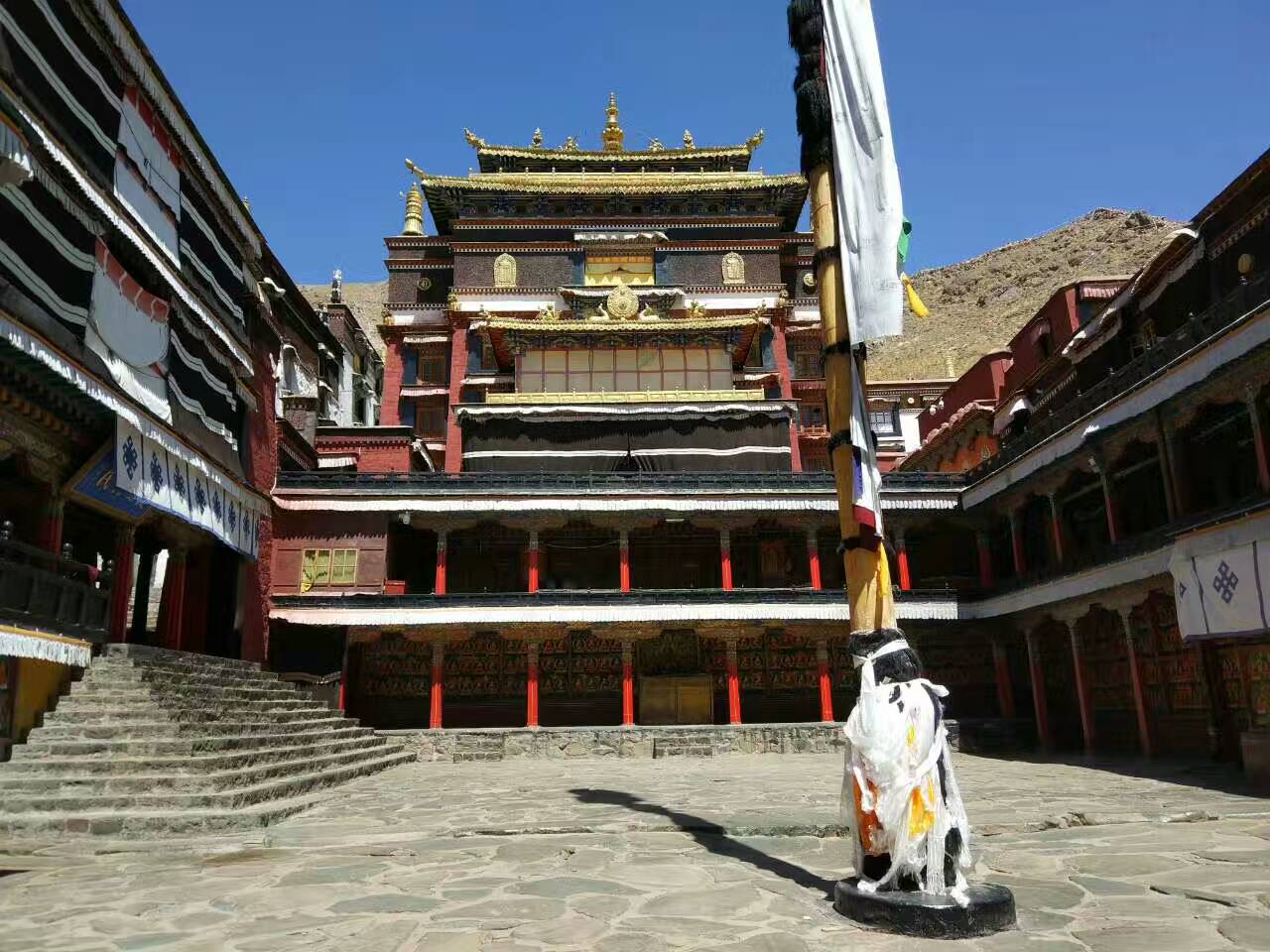
After a period of fragmentation, the city was revitalized in the 15th century when Tsongkhapa, founder of the Gelug school of Tibetan Buddhism, established the Great Prayer Festival. His disciples built the three great monasteries of Lhasa - Ganden, Sera, and Drepung.
In the 17th century, Lhasa became the administrative center of the region. The Potala Palace was expanded into its current massive form. The city remained a religious and cultural center for the next 300 years.
In the 1950s, the central government reasserted control over Tibet. Lhasa has since undergone significant urban development, with new roads, buildings, and infrastructure transforming the city. The railway reached Lhasa in 2006, connecting the plateau city to China's national rail network.
Today, Lhasa is a modern city that preserves its religious heritage while adapting to contemporary life. The Potala and Jokhang remain major pilgrimage destinations, drawing visitors and pilgrims from around the world.