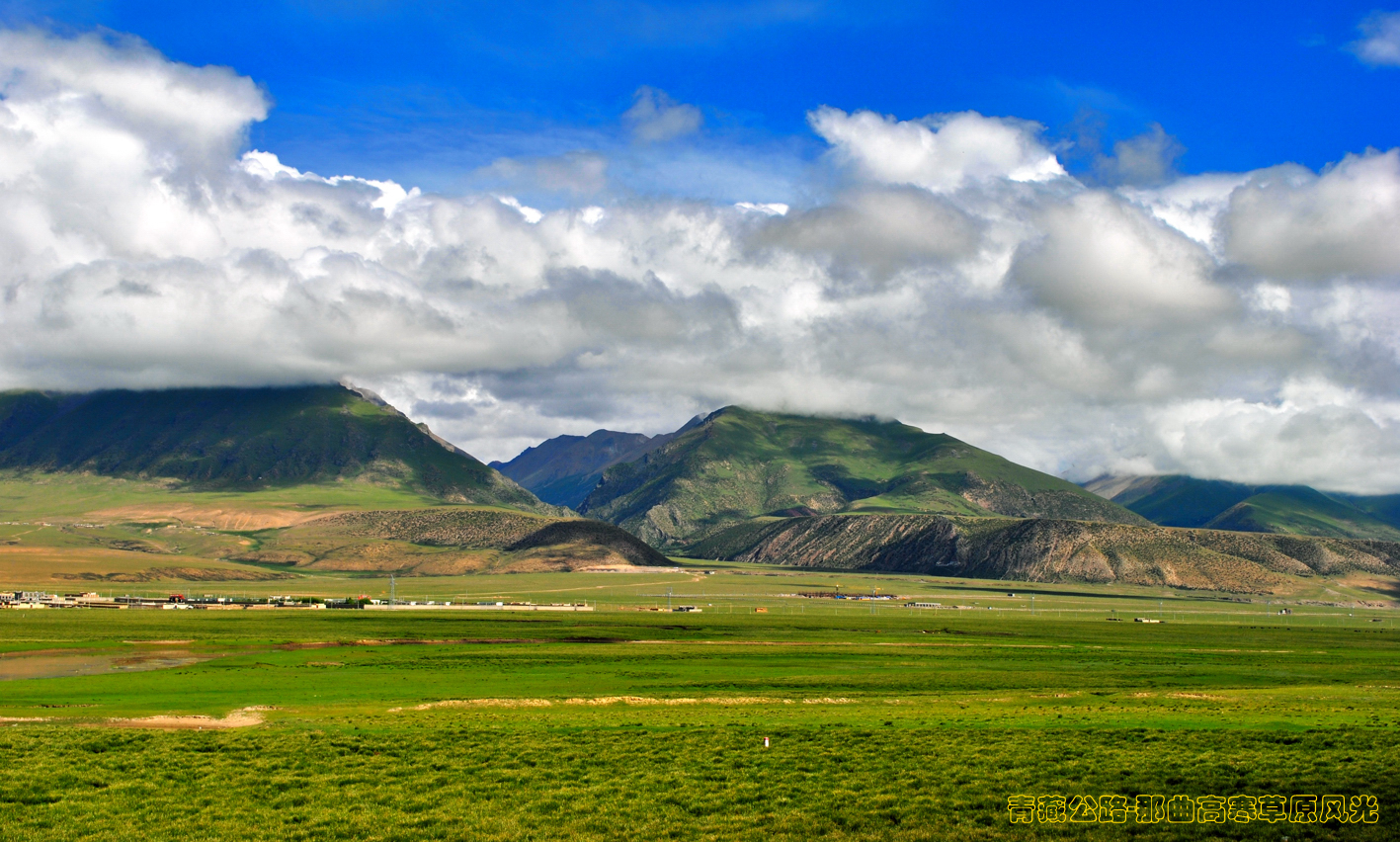
Qamdo has been an important settlement along the ancient Tea Horse Road for over a thousand years. This historic trade route connected Tibet with Yunnan, Sichuan, and ultimately Central China, with caravans carrying tea, salt, horses, and religious texts through the treacherous mountain passes. The city grew as a trading post where merchants from different regions met.
The founding of Qamdo Monastery in 1444 marked a turning point in the city's development, establishing it as a major religious center. The monastery became the seat of the Gelug school's influence in eastern Tibet and attracted monks and pilgrims from across the Kham region. During the Ming and Qing dynasties, Qamdo maintained its importance as a trading and religious crossroads.
In modern times, Qamdo has developed as the political and economic hub of eastern Tibet. The construction of the Sichuan-Tibet Highway in the 1950s dramatically improved access to the region. The city has experienced steady urbanization and infrastructure development, including the expansion of Qamdo Bamda Airport, one of the highest airports in the world.