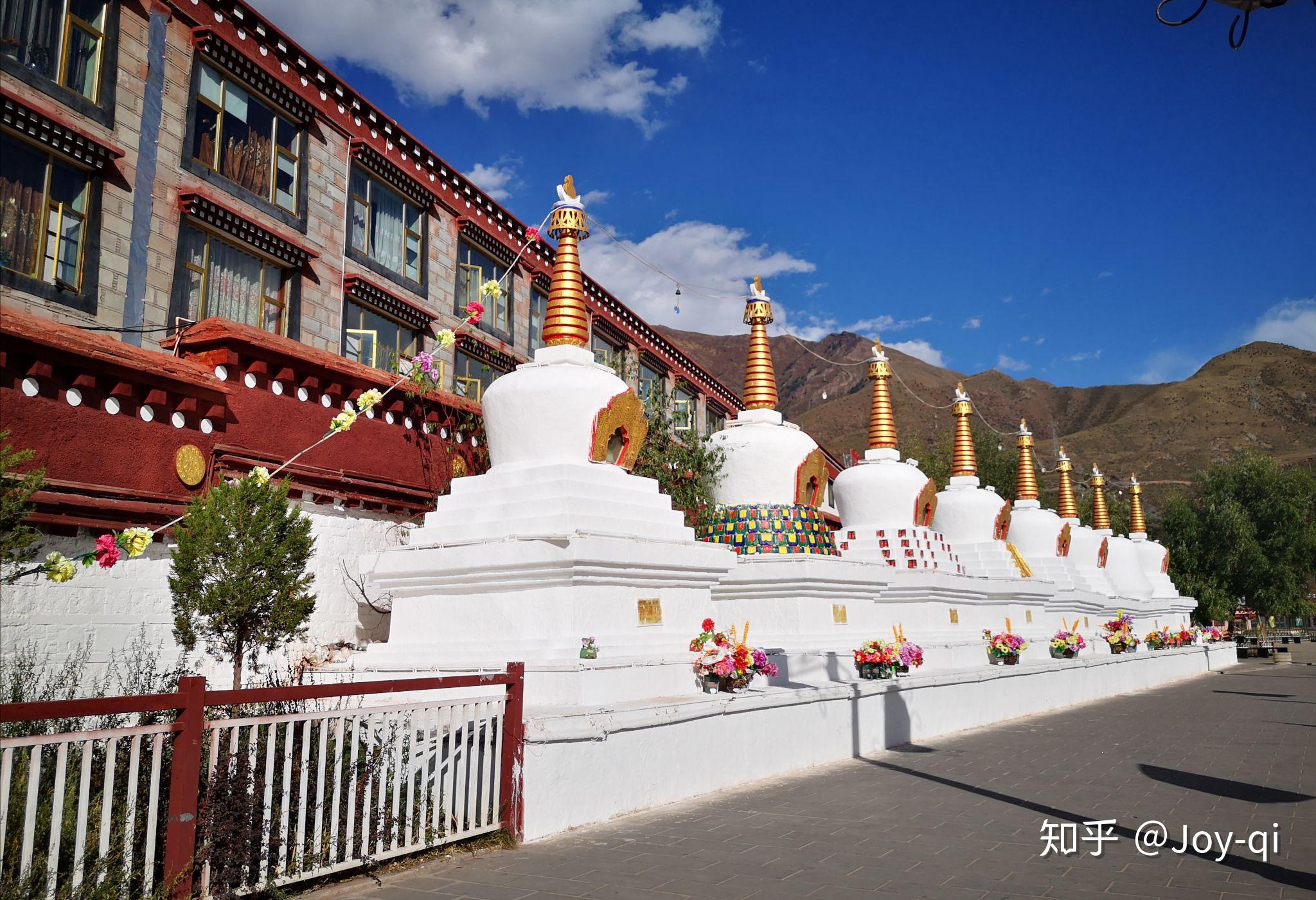
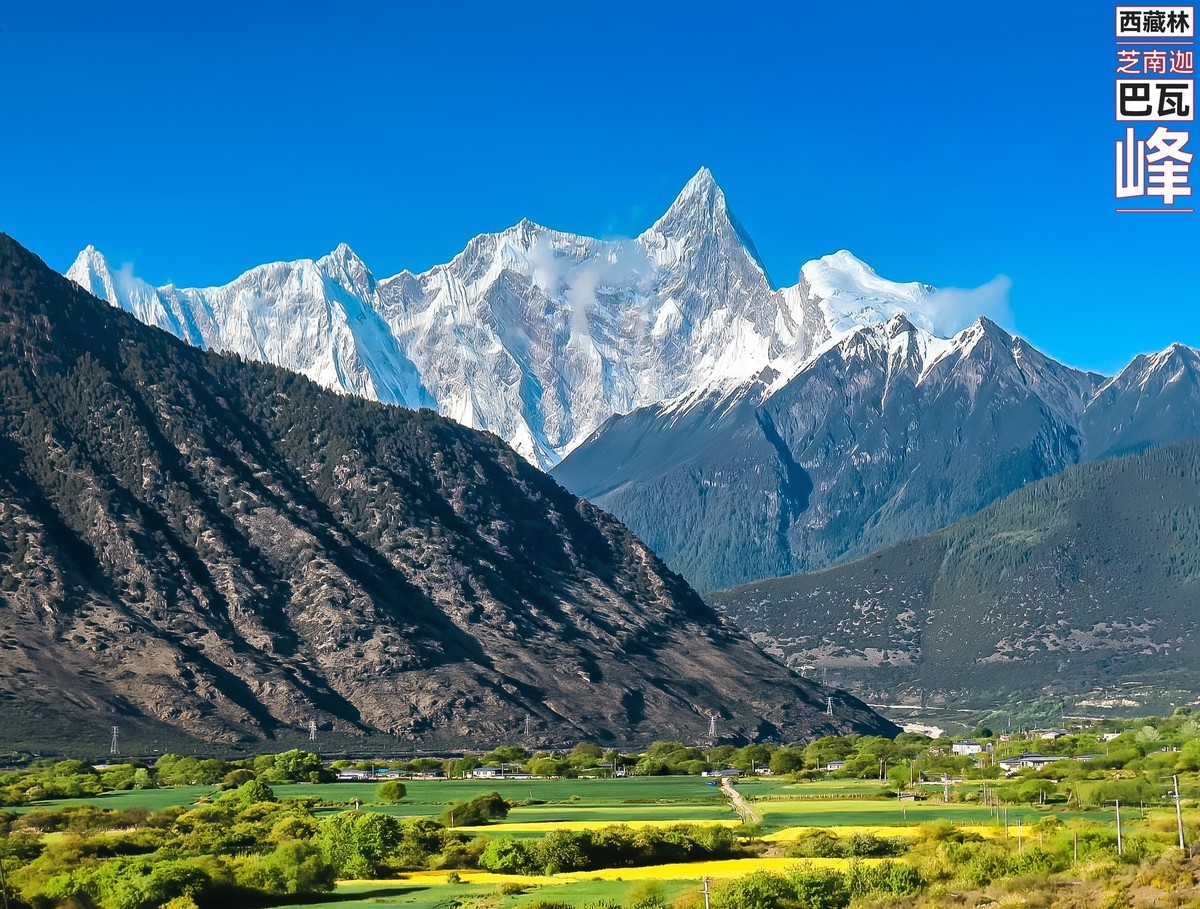
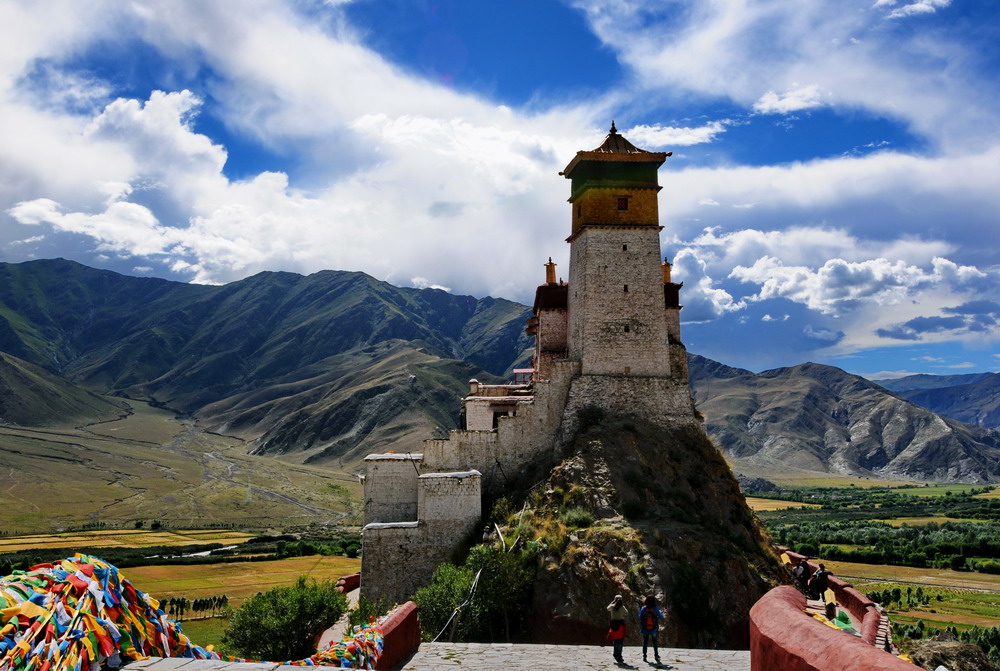
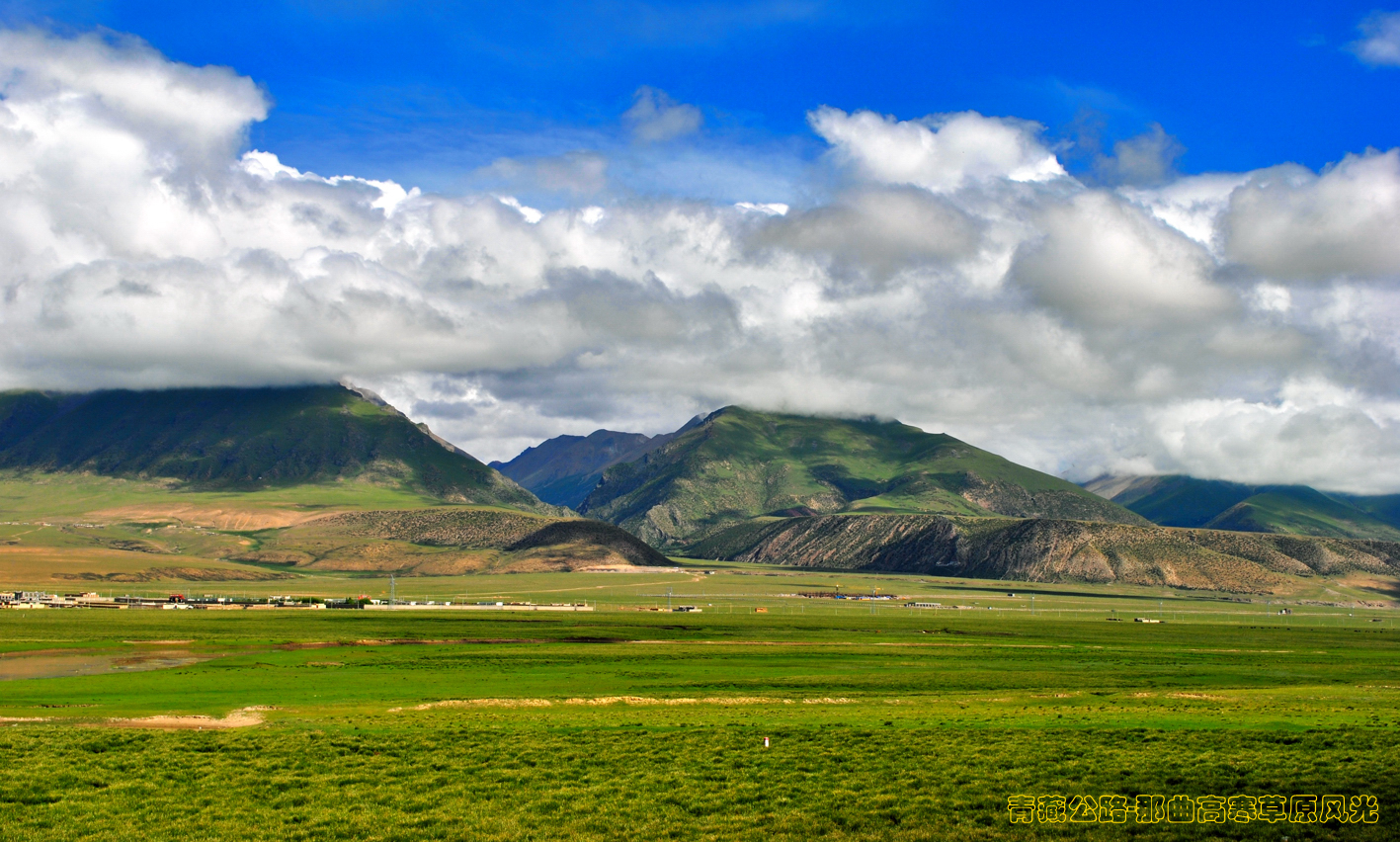
Shigatse city skyline and landmarks (日喀则) - Travel China Guide

Shigatse Travel Guide

Tibet's second-largest city, Shigatse is home to the magnificent Tashilhunpo Monastery, one of the most important centers of Tibetan Buddhism, and serves as the gateway to Mount Everest.

About

Shigatse is the second-largest city in Tibet and the traditional capital of the Tsang region. Located at an elevation of 3,840 meters in the Yarlung Tsangpo River valley, it is a city of profound religious significance and stunning natural beauty. The city's identity is inseparable from the Tashilhunpo Monastery, one of the most important centers of Tibetan Buddhism.

As the gateway to Mount Everest, Shigatse attracts adventurers and pilgrims from around the world. The dramatic drive south from the city crosses vast plains and passes through the Himalayan foothills, offering ever-changing views of snow-capped peaks. Beyond Everest, the region is dotted with ancient monasteries, fortresses, and traditional villages that have stood for centuries.

The city itself has a relaxed atmosphere compared to Lhasa, with wide streets, bustling markets selling Tibetan crafts and local produce, and a strong sense of traditional culture. The surrounding countryside is a patchwork of barley fields, yak pastures, and meandering rivers, with snow peaks visible on the horizon.

Shigatse's cultural significance as one of the most important centers of Tibetan Buddhism gives it a unique spiritual character. The annual Shoton Festival and other Buddhist celebrations bring the city to life with colorful ceremonies, cham dances, and community gatherings.

History & Development

The Shigatse region has been inhabited for thousands of years and was the heartland of the Tsang kingdom, one of the major powers in Tibet before the rise of Lhasa as the primary center. The city grew in importance after the founding of Tashilhunpo Monastery in 1447.

During the 17th century, Shigatse was briefly the capital of all Tibet under the Tsangpa dynasty before power shifted to Lhasa. The monastery has remained an important religious institution for over five centuries and served as a significant center in Tibetan history.

In modern times, Shigatse has developed into Tibet's second-largest urban center. The city has seen significant infrastructure improvements including the extension of the Lhasa-Shigatse Railway, completed in 2014, which connected the city to the national rail network for the first time. The railway has transformed access to the region, bringing increased tourism and economic development.

Economy & Industries

Shigatse's economy is primarily driven by agriculture, tourism, and increasingly by infrastructure development. The fertile Yarlung Tsangpo River valley supports agriculture, with barley, wheat, rapeseed, and vegetables as major crops. Yak and sheep herding remain important in the surrounding highland areas. The city serves as a commercial hub for southern Tibet.

Tourism is the fastest-growing sector, centered on monastery tourism, Everest expeditions, and cultural experiences. The Shigatse Peace Airport connects the city to major Chinese cities, and the railway has boosted tourist arrivals. Local handicrafts, including Tibetan carpets, thangka paintings, and religious artifacts, provide income for many families. The local economy has grown steadily with infrastructure investment and tourism development.
Top Attractions

⛩️ Temple

Tashilhunpo Monastery

Tashilhunpo Monastery is one of the most important monasteries in Tibetan Buddhism, founded in 1447. Covering an area of over 300,000 square meters, the monastery houses a 26-meter-tall statue of Maitreya Buddha covered in gold and precious gems, along with countless murals, thangkas, and Buddhist scriptures.

★★★★ 4.8
🕐 09:00-17:00
🎫 80 yuan
🏔️ Nature

Mount Everest Base Camp

The Everest Base Camp on the northern side of Mount Everest is accessible from Shigatse via a dramatic drive through the Himalayas. At 5,200 meters above sea level, it offers breathtaking views of the world's highest peak. The journey passes through Rongbuk Monastery, the highest monastery on Earth, and across the vast Tibetan plateau.

★★★★ 4.9
🕐 Access controlled by permit
🎫 180 yuan (including vehicle fee)
⛩️ Temple

Gyantse Kumbum

The Kumbum at Gyantse is a nine-tiered, 32-meter-high chorten containing 77 chapels and over 10,000 Buddhist statues. Built between 1427 and 1436, it is considered one of the most remarkable architectural achievements in Tibetan history. Each level represents a different aspect of Buddhist cosmology.

★★★★ 4.7
🕐 09:00-18:00
🎫 60 yuan
⛩️ Temple

Sakya Monastery

Sakya Monastery is the principal monastery of the Sakya school of Tibetan Buddhism, founded in 1073. Known as the "Second Dunhuang" for its vast collection of Buddhist scriptures, murals, and thangkas, it is famous for its distinctive gray-white monastery walls. The library holds over 40,000 ancient manuscripts.

★★★★ 4.6
🕐 08:00-18:00
🎫 50 yuan

Food & Culture

Discover the culinary treasures of Shigatse, from traditional street food to imperial cuisine.

Things to Do

⛩️

Visit Tashilhunpo Monastery

Explore one of Tibet's most sacred monasteries and witness monks in prayer.

Everest Base Camp Trek

Journey to the base of the world's highest peak through stunning Himalayan landscapes.

Photograph Gyantse Kumbum

Capture the extraordinary nine-tiered chorten with its thousand Buddha chapels.

Stroll the Old Street

Wander through Shigatse's traditional old town with its winding alleys and local markets.

Suggested Itineraries

Shigatse Monastery & Everest Journey

A day exploring Shigatse's magnificent monasteries and Himalayan vistas.

  • Morning: Tashilhunpo Monastery tour
  • Midday: Local Tibetan lunch with momos and tsampa
  • Afternoon: Drive towards Everest viewpoint
  • Evening: Sunset photography over the Himalayas

Getting Around

✈️

Airport

Shigatse Peace Airport has flights to Chengdu, Xi'an, and Lhasa.

🚄

High-Speed Rail

The Lhasa-Shigatse Railway connects to Lhasa in about 2 hours with regular train services.

🚌

Bus Network

Long-distance buses connect Shigatse to Lhasa, Gyantse, and other Tibetan towns. Local buses and taxis serve the city.

🚕

Taxi & Rideshare

Available throughout the city

Best Time to Visit

🌸

Spring

Apr - May

★★★★☆

Cool and dry, temperatures 5-15°C. The plateau begins to green. Everest views are excellent. Fewer tourists before the summer peak.

  • Clear skies
  • Good Everest views
☀️

Summer

Jun - Aug

★★★★☆

Mild and the warmest season, 10-22°C. Peak tourist season with the most visitors. Monsoon moisture brings occasional rain but also lush green valleys.

  • Warmest weather
  • Green valleys
  • Festival season
🍂

Autumn

Sep - Oct

★★★★★

Crisp and clear, 5-18°C. The best season for photography with crystal-clear Himalayan views. Golden barley fields and vibrant autumn colors.

  • Best photography
  • Clear skies
  • Harvest season
❄️

Winter

Nov - Mar

★★☆☆☆

Very cold, -10 to 8°C. Clear blue skies but freezing temperatures. Many guesthouses close. An authentic experience for hardy travelers. Everest views are at their clearest.

  • Clearest Everest views
  • No crowds

Continue Exploring China

Discover more cities, food guides, and travel inspiration.