Nagqu city skyline and landmarks (那曲) - Travel China Guide

Nagqu Travel Guide

Nagqu is the highest prefecture-level city in Tibet, a vast expanse of the Changtang grassland where nomadic culture thrives amid pristine high-altitude wilderness.

About

Nagqu is the highest prefecture-level city in Tibet, sitting at an average elevation of over 4,500 meters in the northern part of the region. It is the heart of the Changtang (meaning "Northern Plateau" in Tibetan), a vast high-altitude grassland that stretches for hundreds of kilometers across northern Tibet into Xinjiang and Qinghai provinces.

The city of Nagqu serves as the administrative and commercial center for the region's nomadic population. Unlike the forested landscapes of eastern Tibet or the agricultural valleys of the south, Nagqu is defined by its immense, open spaces — endless horizons of golden grassland under a dome of impossibly blue sky. This is a land of extremes: fierce winter winds, brilliant summer sunshine, and temperatures that can swing by 30°C in a single day.

The nomadic culture of Nagqu is among the most intact in Tibet. The traditional way of life revolves around yaks, which provide food, clothing, shelter, and transportation. Black yak-hair tents dot the landscape, their inhabitants moving with the seasons to find fresh pasture for their herds. The annual Nagqu Horse Racing Festival is the highlight of the nomadic calendar.

Nagqu's Changtang region is also one of the most important wildlife refuges in China. The Changtang Nature Reserve protects herds of Tibetan antelope, wild yaks, Tibetan wild ass (kiang), and the elusive snow leopard. Birdwatchers come to see black-necked cranes, bar-headed geese, and numerous other high-altitude bird species.

History & Development

The Nagqu region has been inhabited by nomadic tribes for thousands of years. The Changtang grassland was traditionally part of the Kingdom of Shangshung (Xiangxiong), an ancient Tibetan kingdom that predated the Yarlung dynasty. The region's nomadic culture has remained remarkably consistent over millennia, with the same basic patterns of seasonal migration, yak herding, and tent dwelling.

During the imperial Tibetan period, Nagqu was an important route for trade caravans traveling between Tibet and Central Asia. The region was also a source of horses for the Tibetan army. The famous "Horse Race Festival" has origins dating back to ancient military training exercises and tribal gatherings.

In modern times, Nagqu has developed as an administrative center. The Qinghai-Tibet Railway, completed in 2006, passes through Nagqu, connecting the region to the outside world as never before. The city has grown around the railway station, with modern infrastructure including a hospital, schools, and government buildings. Yet beyond the city limits, the nomadic way of life continues much as it has for centuries.
Economy & Industries

Nagqu's economy is dominated by animal husbandry, which is the traditional livelihood of the region's nomadic population. Yak and sheep herding provide meat, dairy products, wool, and hides. The Changtang yaks are particularly prized for their high-quality meat and wool. Dairy products including butter, cheese, and yogurt are produced by nomadic families and sold in Nagqu city.

The development of the Qinghai-Tibet Railway and improved highways have opened up new economic opportunities. Mineral exploration has identified significant deposits in the region, though extraction remains limited due to environmental concerns. Tourism is a growing sector, focused on the unique nomadic culture, Changtang wildlife, and the Horse Racing Festival. The local economy has increased with infrastructure investment and improved connectivity to Lhasa and beyond.

Top Attractions

🏔️ Nature

Changtang Grassland

The Changtang Grassland covers over 600,000 square kilometers of northern Tibet, one of the highest ecosystems on Earth at an average elevation of 4,500 meters. This vast, pristine wilderness is home to nomads, wild yaks, Tibetan antelope, and the elusive snow leopard. The endless horizon, crystal-clear skies, and sense of solitude make it a truly unique landscape.

★★★★ 4.7
🕐 All day
🎫 Free
🎭 Museum

Nagqu Horse Racing Festival

The Nagqu Horse Racing Festival is the largest nomadic festival in Tibet, held annually in August. It features thrilling horse races, traditional archery competitions, wrestling, and folk dance performances. Thousands of nomads gather from across the Changtang, setting up tent cities on the grassland. The festival is a spectacular display of Tibetan nomadic culture.

★★★★ 4.8
🕐 Annual event in August
🎫 Free
🏔️ Nature

Nyainqentanglha Mountains

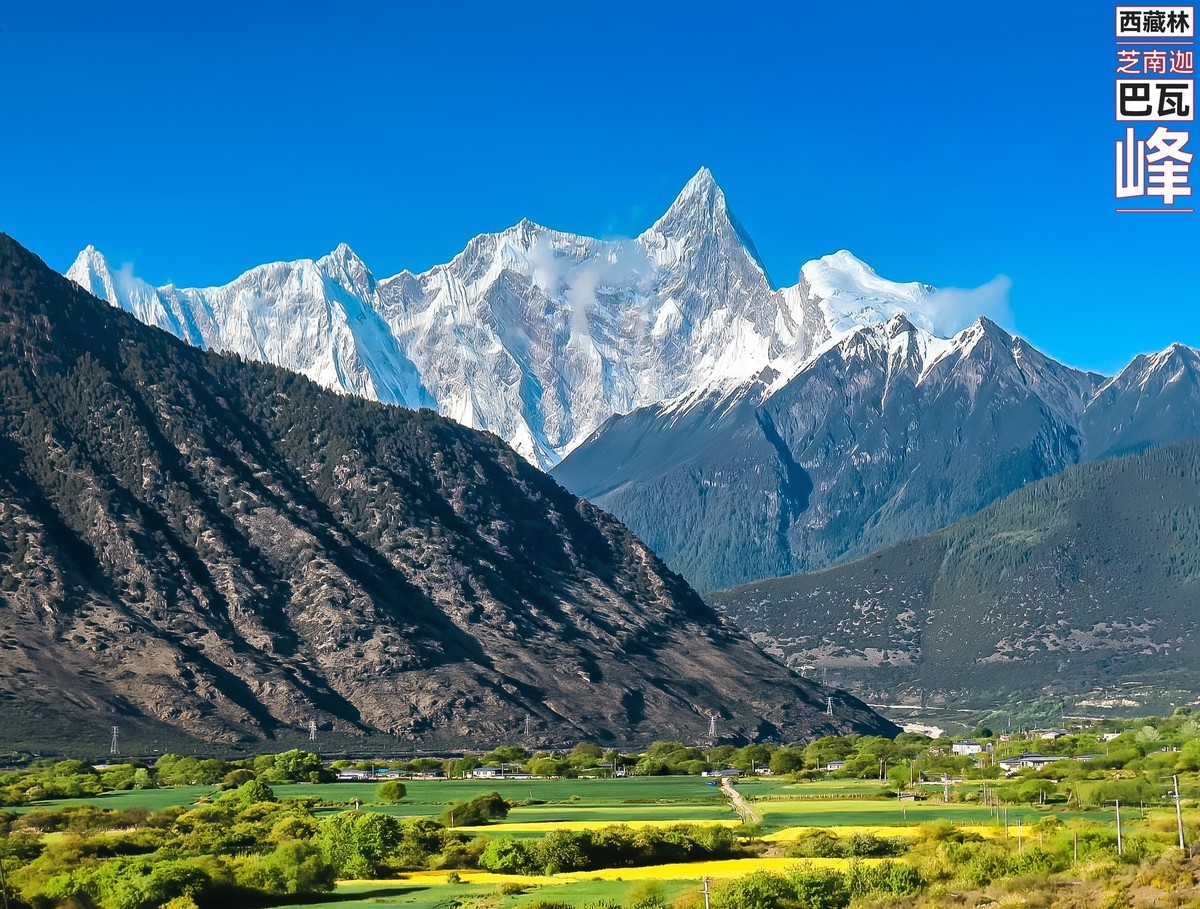
The Nyainqentanglha mountain range runs along the southern edge of Nagqu Prefecture, with peaks reaching over 7,000 meters. The range is considered sacred in Tibetan Buddhism, home to the Nyainqentanglha deity. The snow-capped peaks, glaciers, and alpine lakes create a stunning backdrop to the Changtang grasslands.

★★★★ 4.5
🕐 All day
🎫 Free
🏔️ Nature

Siling Lake

Siling Lake is one of the largest saltwater lakes in Tibet, covering over 2,400 square kilometers. The lake is a critical habitat for migratory birds, including the endangered black-necked crane. Its deep blue waters contrast dramatically with the surrounding golden grasslands and distant snow peaks.

★★★★ 4.4
🕐 All day
🎫 Free

Food & Culture

Discover the culinary treasures of Nagqu, from traditional street food to imperial cuisine.

Things to Do

Attend Horse Racing Festival

Experience Tibet's grandest nomadic festival with horse racing, archery, and traditional ceremonies.

Explore Changtang Grassland

Journey across the vast high-altitude grassland, encountering nomadic camps and wildlife.

Photograph Siling Lake

Capture the stunning deep blue saltwater lake against the golden grassland backdrop.

Nomadic Homestay

Stay with a nomadic family in a traditional black yak-hair tent and experience daily life on the grassland.

Suggested Itineraries

Changtang Grassland Adventure

A day immersed in the vastness of Tibet's northern grassland and nomadic culture.

  • Morning: Drive across Changtang Grassland
  • Midday: Visit nomadic family and try butter tea
  • Afternoon: Siling Lake visit and wildlife spotting
  • Evening: Grassland sunset photography

Getting Around

✈️

Airport

Nagqu Dagring Airport, one of the highest airports in the world at 4,436 meters, opened in 2023 with flights to Lhasa and Chengdu.

🚄

High-Speed Rail

The Qinghai-Tibet Railway passes through Nagqu, with daily trains to Lhasa, Golmud, and Xining.

🚌

Bus Network

Long-distance buses connect Nagqu to Lhasa (about 4 hours), other Tibetan cities, and towns within the prefecture.

🚕

Taxi & Rideshare

Available throughout the city

Best Time to Visit

🌸

Spring

Apr - May

★★☆☆☆

Still very cold, -5 to 8°C. Strong winds are common. The grassland begins to show faint green. Very few visitors due to the cold.

  • Beginning of green
  • Few tourists
☀️

Summer

Jun - Aug

★★★★★

The only truly comfortable season, 8-20°C. The grassland is green and dotted with wildflowers. August brings the spectacular Horse Racing Festival — the best time to visit.

  • Horse Racing Festival
  • Green grassland
  • Wildflowers
🍂

Autumn

Sep - Oct

★★★☆☆

Cool and crisp, 0-12°C. The grassland turns golden brown. Clear skies and excellent visibility. September is still pleasant, but October becomes cold.

  • Golden grassland
  • Clear skies
❄️

Winter

Nov - Mar

★☆☆☆☆

Extremely cold, -20 to 2°C. Bitter winds and occasional snow. Most roads are hazardous. Not recommended for travel — most facilities close.

  • True wilderness experience

Continue Exploring China

Discover more cities, food guides, and travel inspiration.