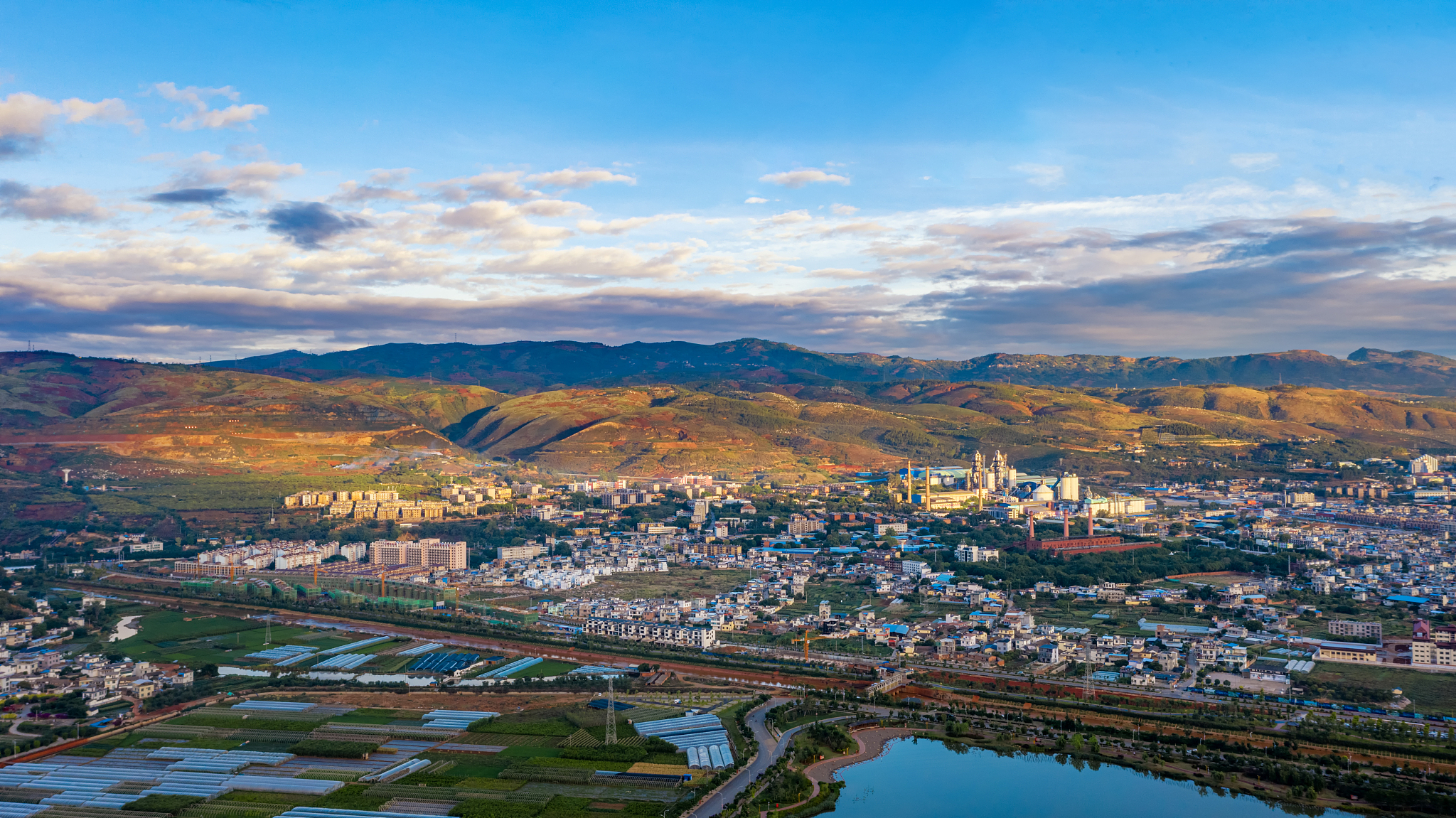
Qujing city skyline and landmarks (曲靖) - Travel China Guide

Qujing Travel Guide

The second-largest city in Yunnan, home to the spectacular Luoping canola flower fields and the geographical source of the Pearl River.

About

Qujing is the second-largest city in Yunnan Province and an important industrial and transportation hub in eastern Yunnan. Located on the Yunnan-Guizhou Plateau at an elevation of approximately 1,850 meters, the city enjoys a mild, spring-like climate year-round.

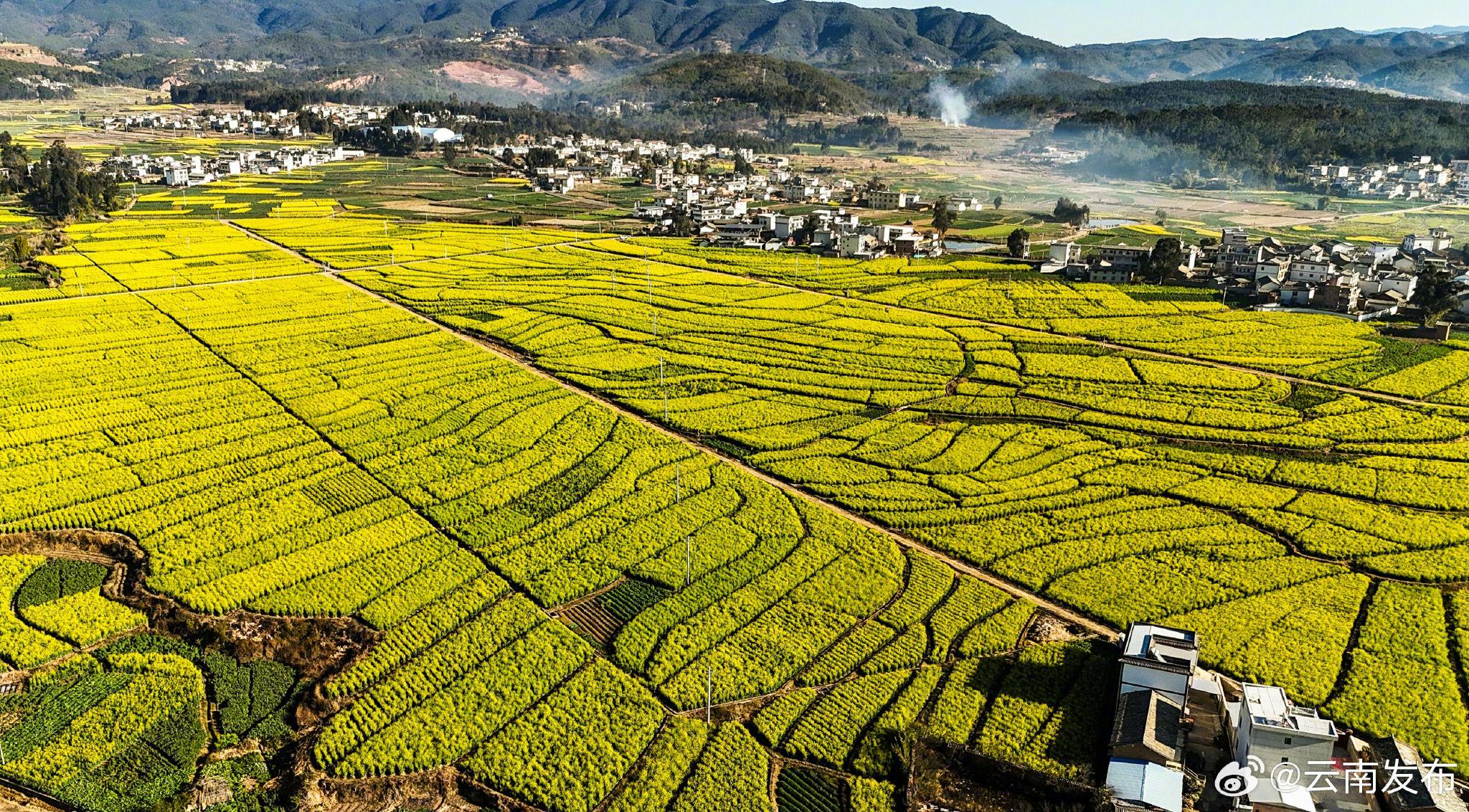
The region is perhaps best known for the Luoping Canola Flower Fields, a world-famous natural spectacle that draws photographers and travelers from across the globe. Every February and March, the plains of Luoping County are blanketed in brilliant yellow blossoms, creating a landscape so iconic it has been featured in countless travel publications and films.

Beyond the flowers, Qujing boasts remarkable geological wonders — the Luliang Colorful Sand Forest, a rainbow-hued sandstone landscape unlike anywhere else in China, and the source of the Pearl River, China's third-longest river, which emerges from a cave in the Maxiong Mountains.

Qujing is also the home of Xuanwei ham, one of China's most famous cured meats, which has been produced in the region for over 250 years. The city's cuisine is robust and flavorful, drawing on Yunnan's rich agricultural abundance and ethnic diversity.

With a well-developed economy, good transportation links, and a growing tourism industry, Qujing offers visitors a compelling blend of natural beauty, cultural heritage, and culinary excellence.

History & Development

Qujing has a long and storied history dating back over 2,000 years. During the Qin Dynasty (221-206 BC), the region was connected to the Central Plains through the construction of the "Five Foot Road," a narrow passage through the mountains.

In the Three Kingdoms period (220-280 AD), Qujing was the site of important military campaigns by Zhuge Liang's Southern Expedition. The region was known as "Yunnan's throat" due to its strategic position controlling access between Yunnan and central China.

During the Ming Dynasty (1368-1644), Qujing was formally established as a prefecture and became a major center for agriculture and trade. The construction of irrigation systems and the introduction of new crops transformed the region's economy.

The city played an important role in modern Chinese history during the War of Resistance against Japan (1937-1945), when many factories and institutions relocated to Qujing from coastal areas. This influx of industry and talent accelerated the city's modernization.

Since the reform and opening-up era, Qujing has developed into a diversified economy with strengths in energy, manufacturing, agriculture, and tourism, becoming an increasingly important city in southwestern China.

Economy & Industries

Qujing has one of the strongest economies in Yunnan Province, with a GDP exceeding 350 billion yuan. The city is a major industrial center with strengths in coal mining, power generation, chemical production, and non-ferrous metal smelting. The Qujing Economic and Technological Development Zone houses numerous enterprises and attracts substantial investment.

Agriculture remains an important sector, with Qujing being Yunnan's largest producer of tobacco, corn, and potatoes. The famous Xuanwei ham industry alone generates significant value, with the ham being exported throughout China and overseas.

Tourism has grown rapidly, driven by the international fame of the Luoping canola fields, the Luliang Colorful Sand Forest, and the Pearl River Source. The local government has invested heavily in tourism infrastructure, including the construction of scenic highways, viewing platforms, and hospitality facilities.

Transportation is a key advantage for Qujing. The city is a major railway junction on the Shanghai-Kunming and Nanjing-Kunming high-speed rail lines, and its highway network connects to all major cities in Yunnan and neighboring provinces.

Top Attractions

🏔️ Nature

Luoping Canola Flower Fields

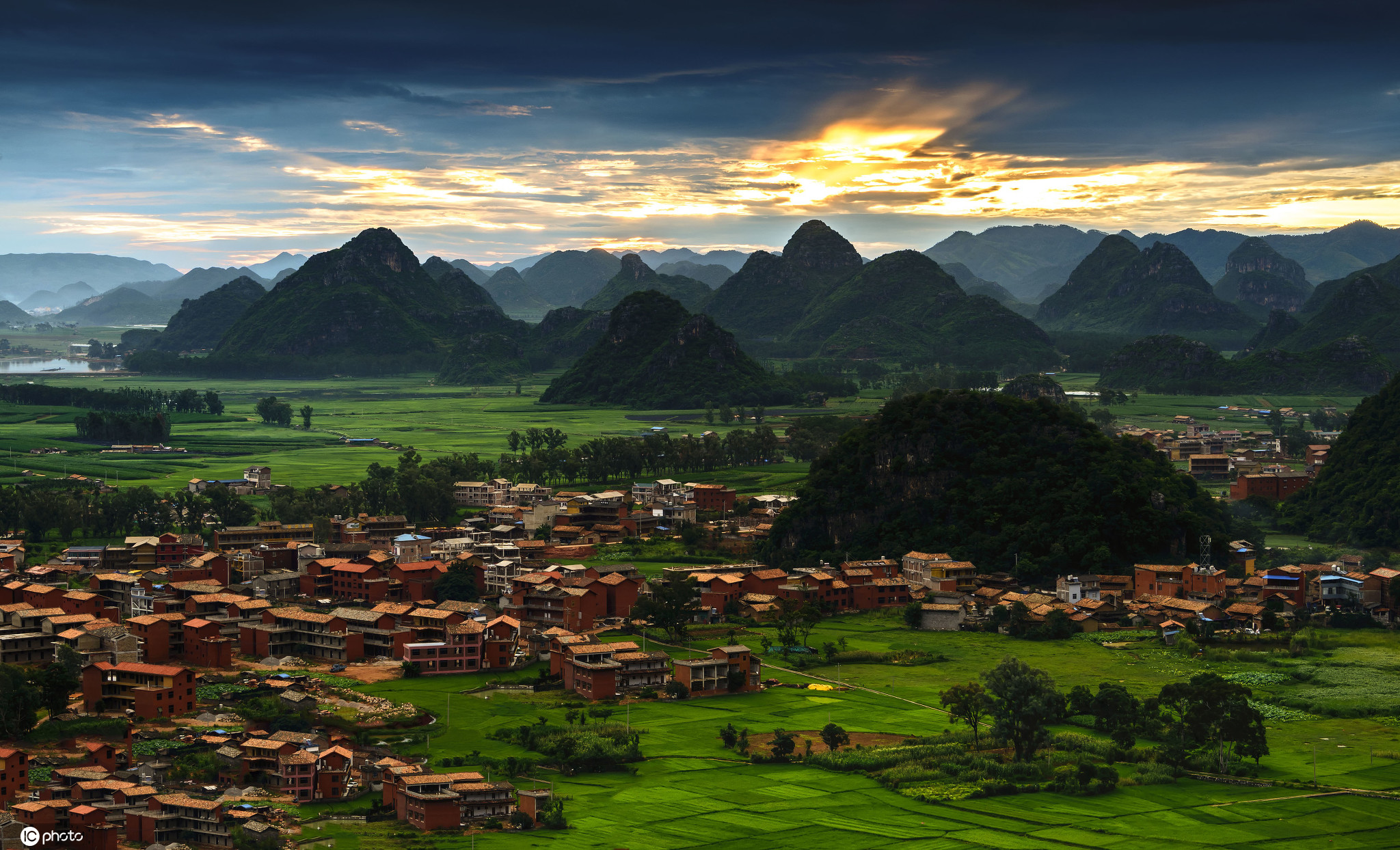
The Luoping Canola Flower Fields are one of Yunnan's most photographed landscapes. Every February and March, the karst-studded plains of Luoping County are transformed into a sea of brilliant yellow canola blossoms stretching as far as the eye can see. The fields are punctuated by dramatic limestone peaks (similar to Guilin's landscape), creating a surreal and breathtaking panorama. The best viewpoints are at Jinji Peak (Golden Chicken Peak) and the Duoyi River scenic area. A designated "Flower Highway" allows visitors to drive through the fields with multiple photo stops.

★★★★ 4.9
🕐 Open all day
🎫 Free (scenic area entry 20-100 yuan)

🏔️ Nature

Pearl River Source Scenic Area

The Pearl River (Zhujiang) is China's third-longest river, and its official source is located in the Maxiong Mountains of Zhanyi District, Qujing. The source emerges from a cave known as the "Dragon Pool" at an elevation of 2,144 meters. The scenic area encompasses 50 square kilometers of forested mountains, limestone caves, and pristine streams. Visitors can hike to the source cave, explore the Pearl River Source Temple, and enjoy boat rides on the nearby reservoir. The air here is among the cleanest in Yunnan.

★★★★ 4.6
🕐 08:00-17:30
🎫 40 yuan
🏔️ Nature

Luliang Colorful Sand Forest

The Luliang Colorful Sand Forest is a unique geological wonder covering 25 square kilometers. Unlike the stone forests of Kunming, this landscape is formed from colored sandstone that has been eroded by wind and water into pillars, peaks, and ravines in shades of red, yellow, white, blue, green, and purple. The effect is otherworldly — like walking through a rainbow canyon. The area is divided into seven scenic zones connected by walking paths, with several pavilions offering panoramic views. The sand forest also has significant cultural value, as it was featured in the classic Chinese novel "Outlaws of the Marsh."

★★★★ 4.7
🕐 08:00-18:00
🎫 80 yuan
🏔️ Nature

Jiulong Waterfall Group

Located in Luoping County, the Jiulong (Nine Dragon) Waterfall Group is a series of ten cascading waterfalls along the Jiulong River, spanning a total drop of over 100 meters. The most impressive is the "Splendor Screen" waterfall, which is 70 meters wide and 56 meters high. The waterfalls are surrounded by the canola fields and karst peaks that make Luoping famous. During the spring flower season, the combination of golden blooms and white cascading water is simply spectacular.

★★★★ 4.7
🕐 08:00-18:00
🎫 95 yuan
🏔️ Nature

Duoyi River Scenic Area

The Duoyi River winds through the karst landscape of Luoping County, creating a series of emerald-green pools, small waterfalls, and rapids. A bamboo raft ride along the river is the highlight — drifting past rice paddies, waterwheels, and limestone peaks while local villagers sing traditional songs. The area is also home to the Buyi ethnic minority, and visitors can experience their unique culture, architecture, and cuisine.

★★★★ 4.4
🕐 08:00-17:30
🎫 80 yuan
🏛️ Landmark

Cuifeng Mountain & Nanning Ancient City

Cuifeng Mountain is a scenic area in downtown Qujing with a long history as a Taoist retreat. The mountain features ancient temples, forested walking paths, and panoramic views over the city. Nearby, the Nanning Ancient City remnants preserve sections of the Ming Dynasty city wall and traditional Yunnan courtyard houses. The area offers a peaceful escape from the urban bustle and a glimpse into Qujing's historical heritage.

★★★★ 4.2
🕐 Open all day
🎫 Free

Food & Culture

Discover the culinary treasures of Qujing, from traditional street food to imperial cuisine.

Things to Do

Photograph Luoping Flower Fields

Capture the iconic sea of yellow canola flowers set against dramatic karst peaks from Jinji Peak viewpoint.

Visit the Pearl River Source

Hike through pine forests to the Dragon Pool cave where the Pearl River begins its 2,200km journey.

🏛️

Explore the Sand Forest

Wander through surreal rainbow-colored sandstone formations at Luliang, like walking on another planet.

Boat Ride on Duoyi River

Take a bamboo raft ride down the emerald Duoyi River, past water wheels and Buyi minority villages.

Taste Xuanwei Ham

Visit a Xuanwei ham aging cellar and taste China's finest cured ham in its birthplace.

Spring Flower Highway Drive

Drive the scenic Flower Highway through Luoping County during spring for an unforgettable road trip.

Suggested Itineraries

Canola Flower Season Express (2 Days)

A perfect two-day itinerary timed for the spectacular spring canola bloom.

  • Day 1: Luoping flower fields at Jinji Peak sunrise + Jiulong Waterfalls
  • Day 2: Duoyi River bamboo raft + Luliang Colorful Sand Forest
  • Best visited February-March during peak bloom

Qujing Cultural & Natural Tour (2 Days)

Explore Qujing's diverse attractions from river sources to ancient cities.

  • Day 1: Pearl River Source + Cuifeng Mountain + Nanning Ancient City
  • Day 2: Luliang Colorful Sand Forest + Xuanwei Ham tasting
  • Evening: Zhanyi spicy chicken dinner

Getting Around

✈️

Airport

Qujing is served by Kunming Changshui International Airport (about 130km via expressway). A small Qujing airport offers domestic flights.

🚄

High-Speed Rail

Qujing North Station serves the Shanghai-Kunming High-Speed Railway, reaching Kunming in 35 minutes, Guiyang in 1.5 hours.

🚌

Bus Network

Comprehensive bus network within the city and extensive long-distance bus services to all county towns and nearby cities.

🚕

Taxi & Rideshare

Available throughout the city

Best Time to Visit

🌸

Spring

Feb - Apr

★★★★★

Spring is the peak tourist season thanks to the canola bloom (Feb-Mar). Mild temperatures (12-24°C) and sunny days. April brings warmer weather and fewer crowds.

  • Canola flower peak
  • Best photography
  • Pleasant weather
☀️

Summer

May - Aug

★★★☆☆

Warm and humid with frequent rain (18-27°C). The landscape is at its greenest. Good for visiting the Pearl River Source and enjoying the lush scenery.

  • Lush greenery
  • Fewer tourists
  • Lower prices
🍂

Autumn

Sep - Nov

★★★★☆

Clear skies and comfortable temperatures (12-23°C). Harvest season with abundant fresh produce. Excellent hiking weather at the Pearl River Source.

  • Best hiking weather
  • Harvest season
  • Clear skies
❄️

Winter

Dec - Jan

★★★☆☆

Cool and dry (5-16°C) with plenty of sunshine. Cold but not severe. A good time for budget travelers and those who prefer solitude.

  • Sunny days
  • No crowds
  • Budget-friendly

Continue Exploring China

Discover more cities, food guides, and travel inspiration.