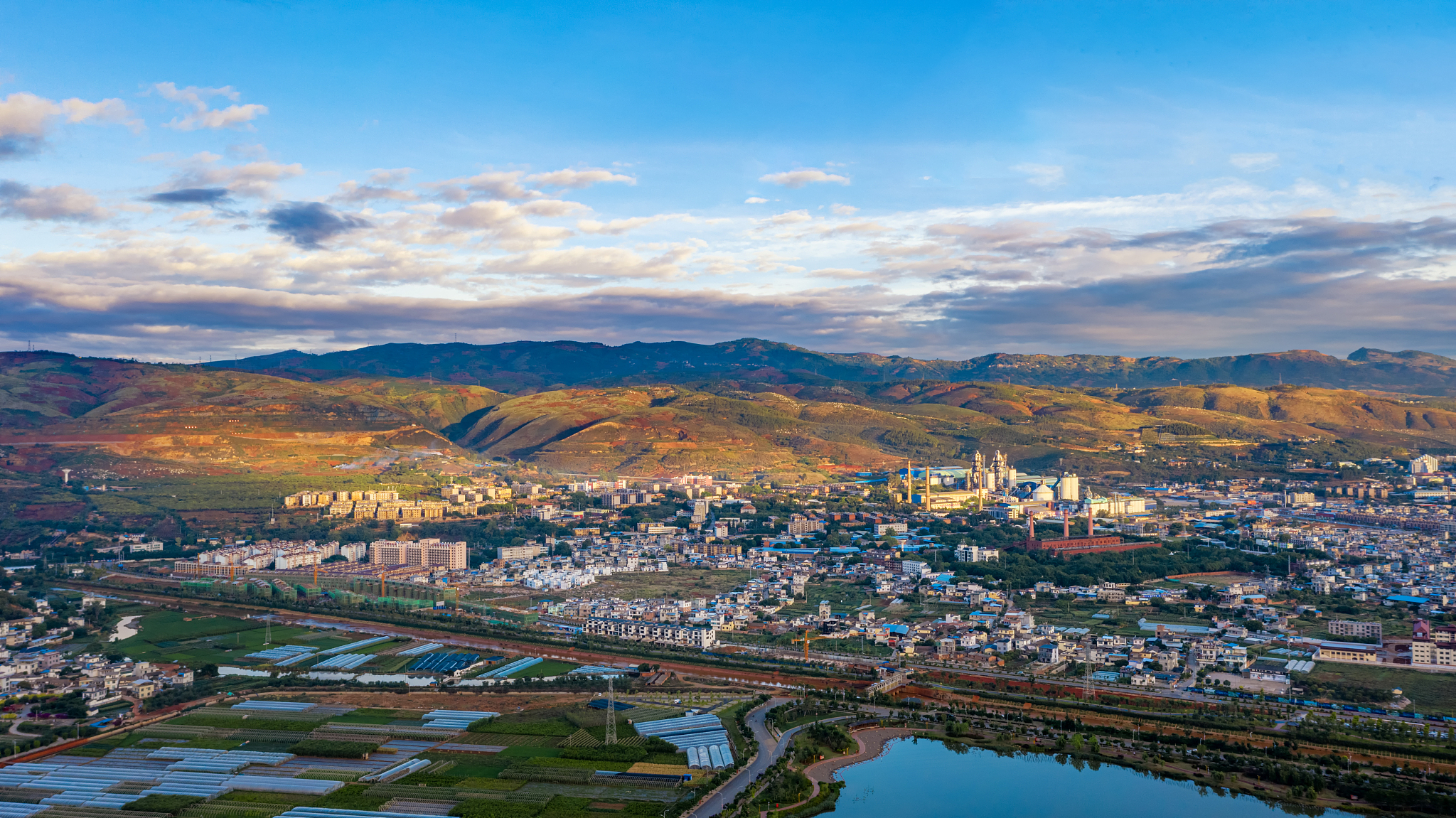
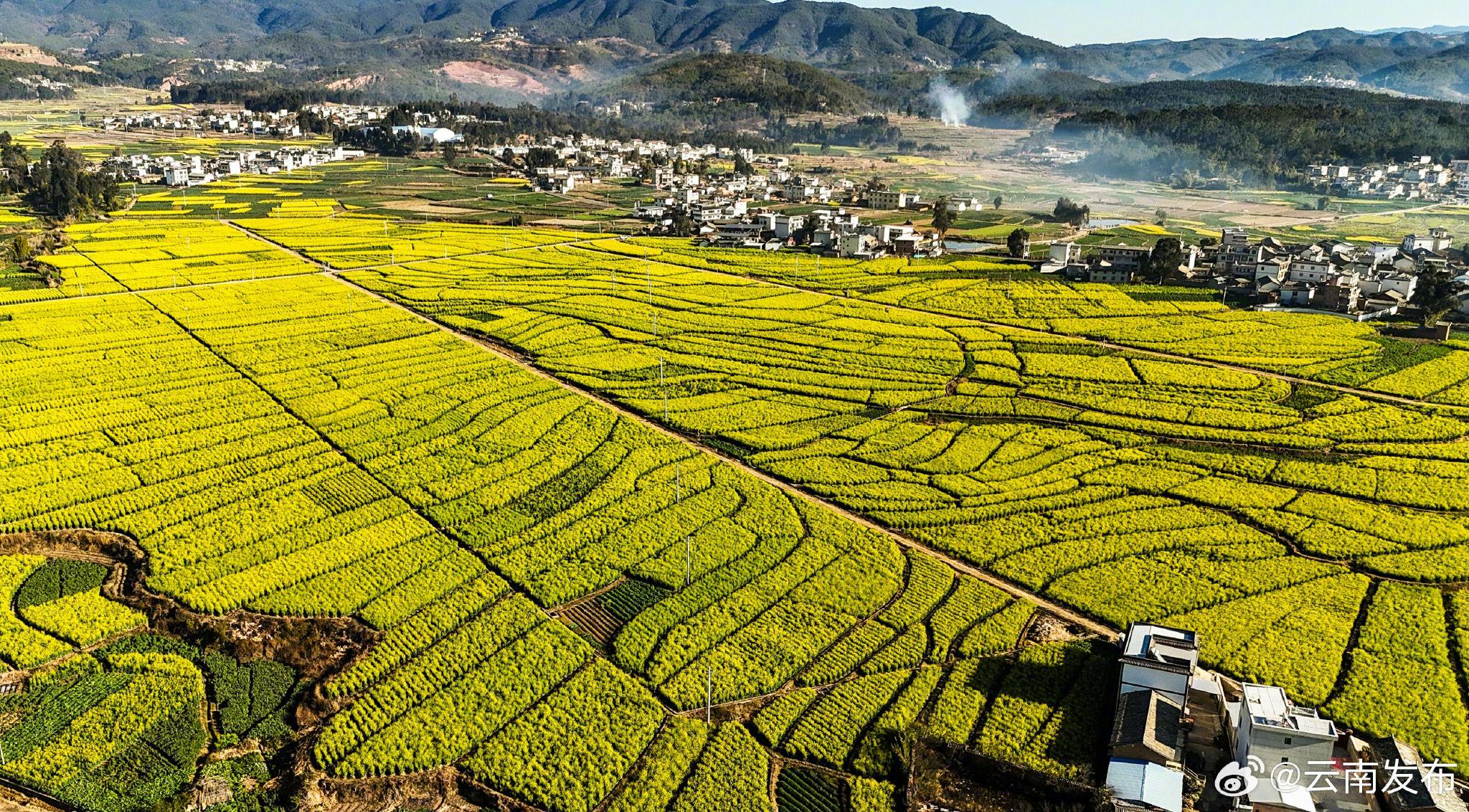
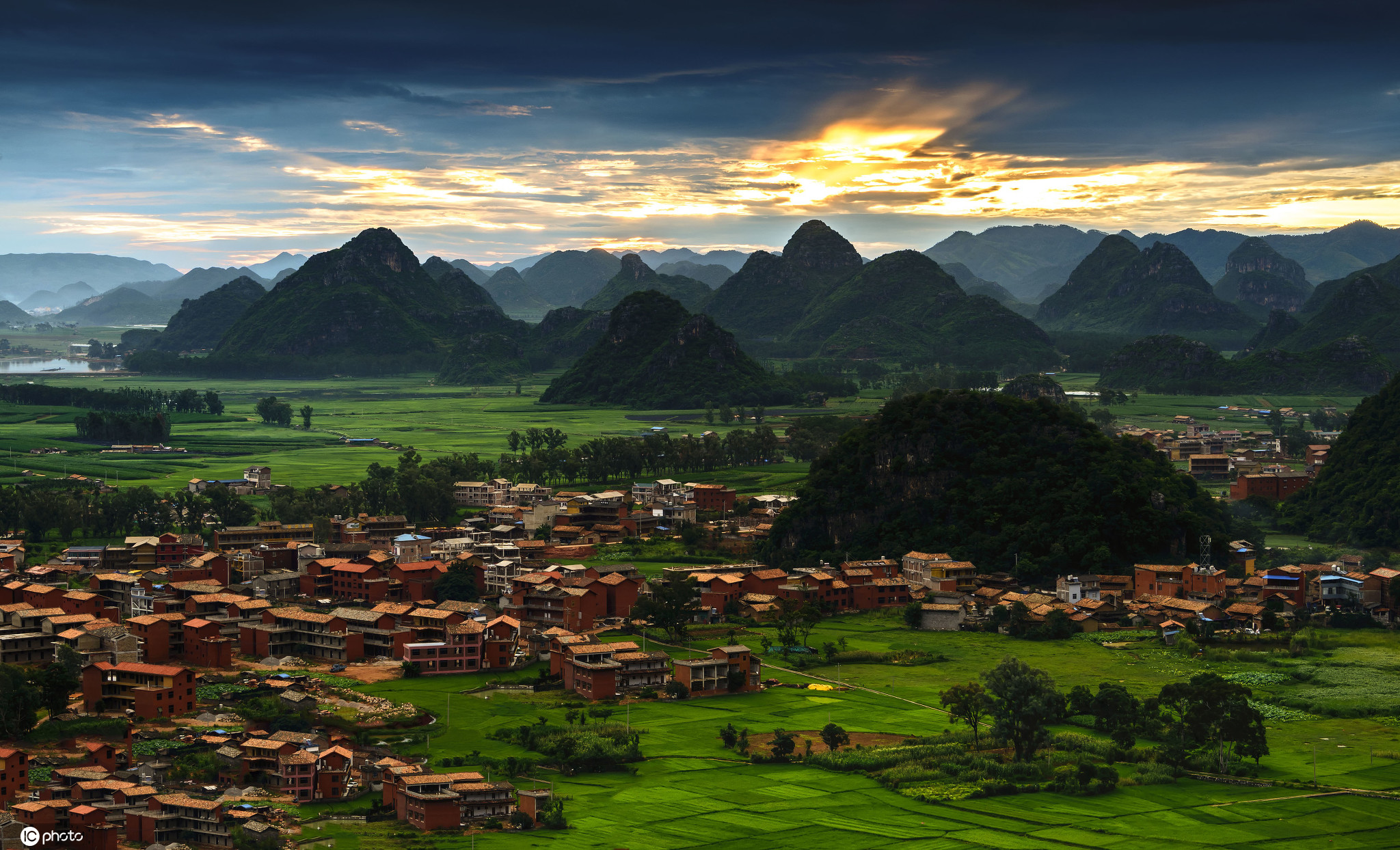
Nujiang city skyline and landmarks (怒江) - Travel China Guide

Nujiang Travel Guide

One of China's most dramatic landscapes — the Nujiang Grand Canyon cuts through the Hengduan Mountains, home to the elusive Dulong people and stunning biodiversity.

About

Nujiang Lisu Autonomous Prefecture in northwestern Yunnan is one of China's most rugged and least-developed regions — and precisely for these reasons, one of its most extraordinary travel destinations. The prefecture is named after the Nu River (known internationally as the Salween), one of the few major rivers in Southeast Asia that flows freely without dams.

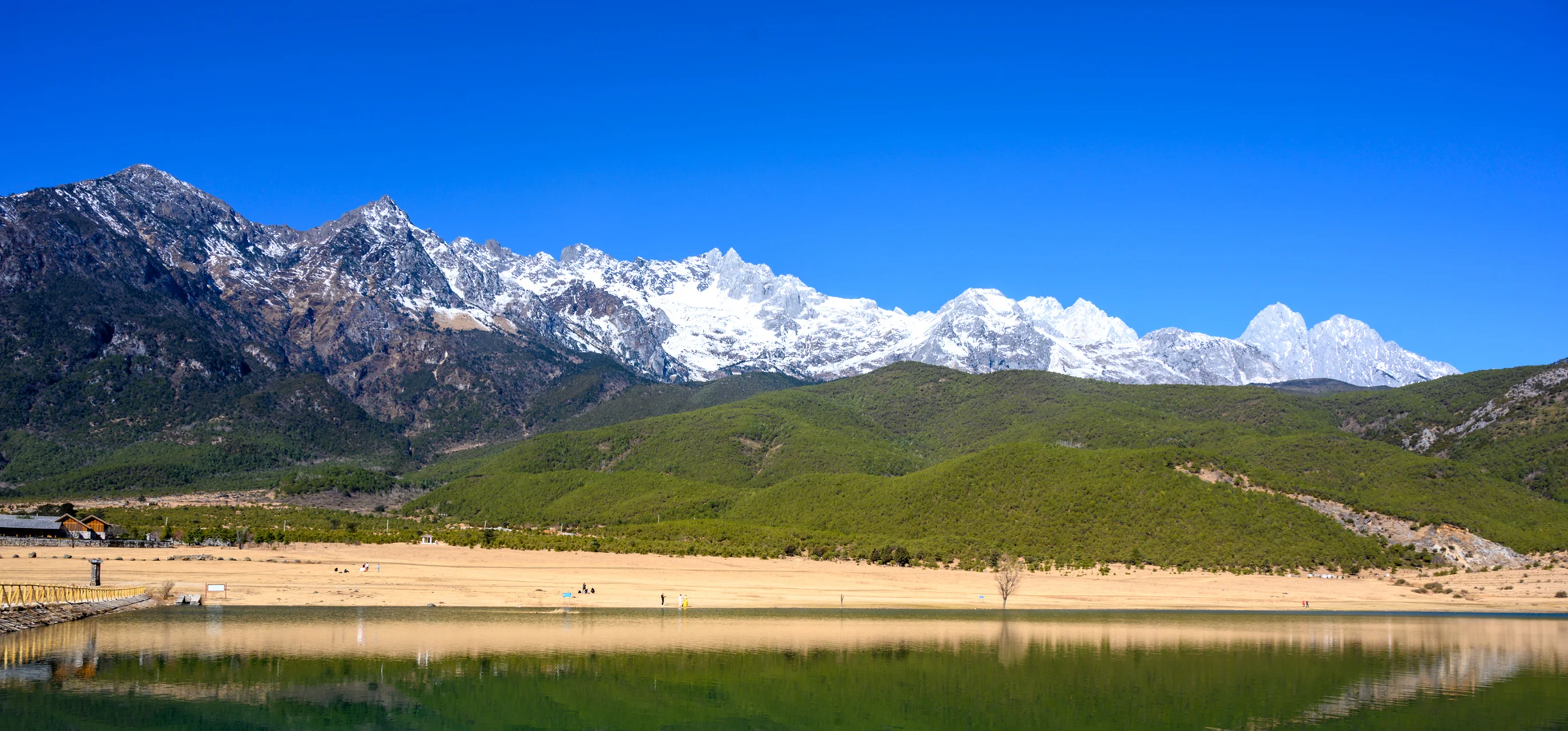
The centerpiece is the Nujiang Grand Canyon, a geological marvel that rivals the Grand Canyon in scale. The canyon cuts through the southern end of the Hengduan Mountains, part of the Three Parallel Rivers UNESCO World Heritage site, where the Nujiang, Lancang (Mekong), and Jinsha (Yangtze) rivers run parallel within 100 kilometers of each other — a phenomenon found nowhere else on Earth.

Bingzhongluo, near the Tibetan border, is a valley of extraordinary beauty often described as "Shangri-La." The Nu River makes a dramatic 180-degree bend here, encircling a fertile terrace where Tibetan Buddhist monasteries, Catholic churches, and traditional indigenous beliefs coexist peacefully. The sight of snow-capped peaks reflected in rice paddies is unforgettable.

Perhaps Nujiang's most compelling story is the Dulong people, one of China's smallest recognized ethnic groups. Living in the Dulong River Valley — until recently one of the most inaccessible places in China — they maintained a distinct culture for centuries. The traditional facial tattooing of Dulong women, originally practiced to deter slave traders and later as a mark of beauty, is now a vanishing art seen only among elderly women.

Nujiang offers adventure travelers a glimpse of a China that has largely disappeared elsewhere — remote, raw, and astonishingly beautiful.

👥
Population 550,000
📐
Area 14,703 km²
💬
Language Mandarin Chinese, Lisu language, Nu language, Dulong language.

History & Development

Nujiang has been inhabited by diverse ethnic groups for thousands of years. The Lisu people, who give the prefecture part of its name, migrated from the Tibetan Plateau into the Nujiang valley region over 400 years ago. The Nu people have lived here even longer, with their oral histories tracing back over a millennium.

The region remained largely independent of central Chinese control until the Qing Dynasty, when local chieftain systems were established. French Catholic missionaries arrived in the late 19th century, building churches that still stand today.

During the 20th century, Nujiang remained one of China's most isolated regions due to its extreme terrain. The first road into the prefecture was only completed in the 1960s. The Dulong valley remained roadless until the Dulong Tunnel opened in 2014.

In 1954, the Nujiang Lisu Autonomous Prefecture was established. In recent years, China has invested heavily in infrastructure — new roads, bridges, and tourism facilities — while also implementing poverty alleviation programs that have transformed the lives of Nujiang's ethnic communities.

Economy & Industries

Nujiang's economy is primarily agricultural, with corn, rice, and buckwheat as staple crops. The mountainous terrain limits arable land to river valley terraces. Livestock raising, particularly goats and pigs, is important for local livelihoods.

Historically, Nujiang was one of China's poorest prefectures. Poverty alleviation programs have dramatically improved living standards, with new housing, roads, and access to education and healthcare transforming previously isolated communities.

Hydropower development on the Nu River has been controversial but has brought infrastructure investment. Some sections of the river remain free-flowing due to environmental concerns.

Tourism is seen as the most sustainable economic path. The dramatic Nujiang Grand Canyon, unique ethnic cultures, and biodiversity of Gaoligong Mountain are drawing increasing numbers of domestic and international tourists. Ecotourism and community-based tourism initiatives are being developed.

Nujiang's GDP reached approximately 25 billion yuan, the lowest among Yunnan's prefectures, but growth rates have been strong in recent years driven by infrastructure investment and tourism development.
Top Attractions

🏔️ Nature

Nujiang Grand Canyon

One of the deepest and most spectacular canyons in Asia, carved by the Nu River (Salween River) through the Hengduan Mountains. The canyon walls rise 2,000-3,000 meters on each side. The roaring river, terraced fields carved into impossibly steep slopes, and suspension bridges connecting remote villages create an unforgettable landscape. Part of the UNESCO Three Parallel Rivers World Heritage site.

★★★★ 4.8
🕐 Open all day
🎫 Free
📍 Other

Bingzhongluo

A breathtaking valley often called the "Last Paradise" or the "Shangri-La of Yunnan." Nestled in a bend of the Nu River near the Tibetan border, Bingzhongluo offers views of snow-capped mountains, terraced fields, and a stunning river bend. The area is home to Tibetan, Lisu, Nu, and Dulong peoples, with Catholic, Buddhist, and indigenous beliefs coexisting peacefully.

★★★★ 4.7
🕐 Open all day
🎫 Free
📍 Other

Dulong River Valley

One of the most remote inhabited valleys in China, home to the Dulong people — one of China's smallest ethnic minorities with fewer than 7,000 members. Until 2014, the valley was accessible only by a perilous mountain road that was closed by snow 7 months of the year. The Dulong tunnel now provides year-round access. Dulong women traditionally tattoo their faces, a practice now seen only among older generations.

★★★★ 4.6
🕐 Open all day
🎫 Free
🏔️ Nature

Shiyueliang (Stone Moon) Mountain

A natural wonder — a massive stone archway carved through a mountain peak by wind and water erosion, resembling a full moon when viewed from below. Located at 3,300 meters elevation, the arch is 40 meters high and 30 meters wide. The site offers panoramic views of the Nujiang Valley and is considered sacred by local Lisu people.

★★★★ 4.5
🕐 Open all day
🎫 Free
⛩️ Temple

Laojumu Narong Catholic Church

A historic Catholic church built by French missionaries in the early 20th century, perched on a cliff overlooking the Nujiang Valley. The church serves the local Nu and Lisu communities, who blend Catholic faith with traditional practices. The setting is spectacular — red-roofed church against green mountains and blue sky. Sunday mass is sung in the Lisu language.

★★★★ 4.5
🕐 Open during daylight hours
🎫 Free
🏔️ Nature

Gaoligong Mountain Nature Reserve

A UNESCO Biosphere Reserve and biodiversity hotspot, with one of the highest concentrations of plant and animal species in the world. The mountain range rises from 1,000 to 5,000 meters, creating diverse ecosystems from tropical rainforest to alpine meadows. Home to the critically endangered Hainan gibbon, clouded leopards, and over 1,400 plant species. Excellent hiking trails.

★★★★ 4.7
🕐 8:00 AM-6:00 PM
🎫 50 yuan

Food & Culture

Discover the culinary treasures of Nujiang, from traditional street food to imperial cuisine.

Things to Do

Canyon Drive

Drive the dramatic Nujiang Canyon highway clinging to cliff walls above the roaring river.

🏛️

Bingzhongluo Exploration

Discover the multi-ethnic paradise valley near the Tibetan border.

Dulong Valley Trek

Trek to one of China's most remote valleys to meet the Dulong people.

Gaoligong Hiking

Hike through one of the world's most biodiverse mountain ranges.

Getting Around

✈️

Airport

Nujiang no longer has a commercial airport. Baoshan Airport (BSD) - about 4 hours by road

🚄

High-Speed Rail

No high-speed rail yet. Long-distance buses connect to Kunming (8-10 hours)

🚌

Bus Network

Limited bus service along the main canyon road

🚕

Taxi & Rideshare

Available throughout the city

Best Time to Visit

🌸

Spring

Mar - May

★★★★☆

Dry season ending. Warming temperatures and blooming rhododendrons. Good road conditions.

  • Rhododendron bloom
  • Clear skies
  • Good road conditions
☀️

Summer

Jun - Aug

★★☆☆☆

Rainy season — frequent rain and potential landslides. Lush vegetation but challenging travel.

  • Lush green
  • Waterfalls at peak
  • Few tourists
🍂

Autumn

Sep - Nov

★★★★★

Dry season begins. Clear skies, comfortable temperatures. Best season for hiking and photography.

  • Best weather
  • Golden foliage
  • Optimal hiking conditions
❄️

Winter

Dec - Feb

★★★☆☆

Cold but dry and clear. Snow on high peaks. Bingzhongluo is particularly beautiful. Dulong valley roads may ice.

  • Snow-capped peaks
  • Clear skies
  • Bingzhongluo beauty

🎉 Festivals & Events

December
Lisu Kuoshi Festival

The Lisu New Year festival featuring traditional dancing, archery competitions, and feasting.

Lunar Mar 15
Nu People's Flower Festival

Nu people celebrate spring with flower offerings, singing, and dances in the mountains.

💡 Weather Tips

Nujiang has highly variable weather. Always carry rain gear. In winter, bring warm jackets for cold nights at altitude.

Travel Reminders

💡

Prepare for Adventure

Nujiang is rugged and undeveloped for tourism. Bring sturdy shoes, warm layers, and an adventurous spirit. Road conditions can be challenging.

💡

Best Canyon Views

The cliff road between Liuku and Gongshan offers the most dramatic canyon views. Stop at Shiyueliang for the best photo.

💡

Dulong Respect

The Dulong people have only recently been connected to the outside world. Ask permission before photographing elders, especially tattooed women.

💡

Gaoligong Safety

Hike with a local guide in Gaoligong Mountain — trails are unmarked and weather can change rapidly.

Continue Exploring China

Discover more cities, food guides, and travel inspiration.