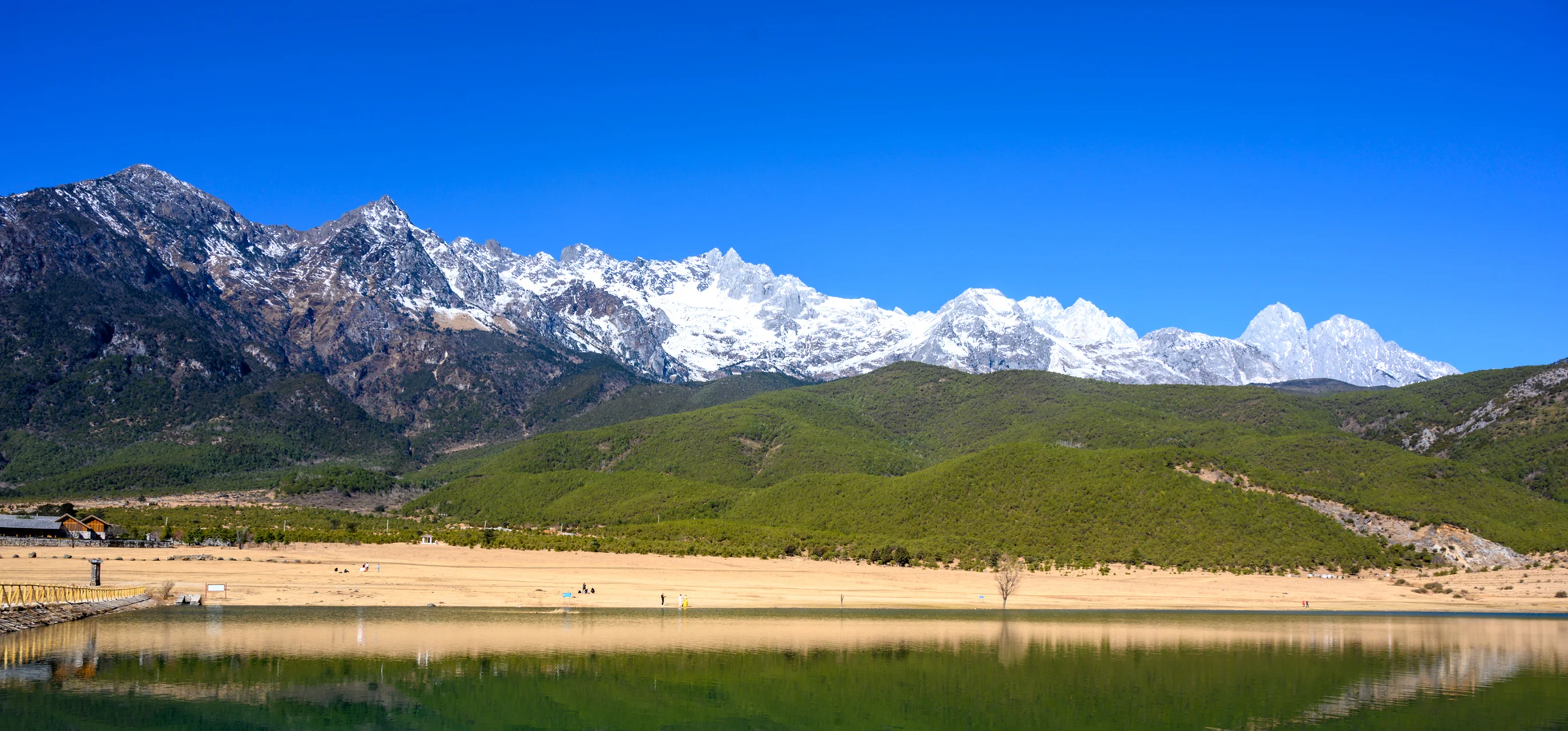
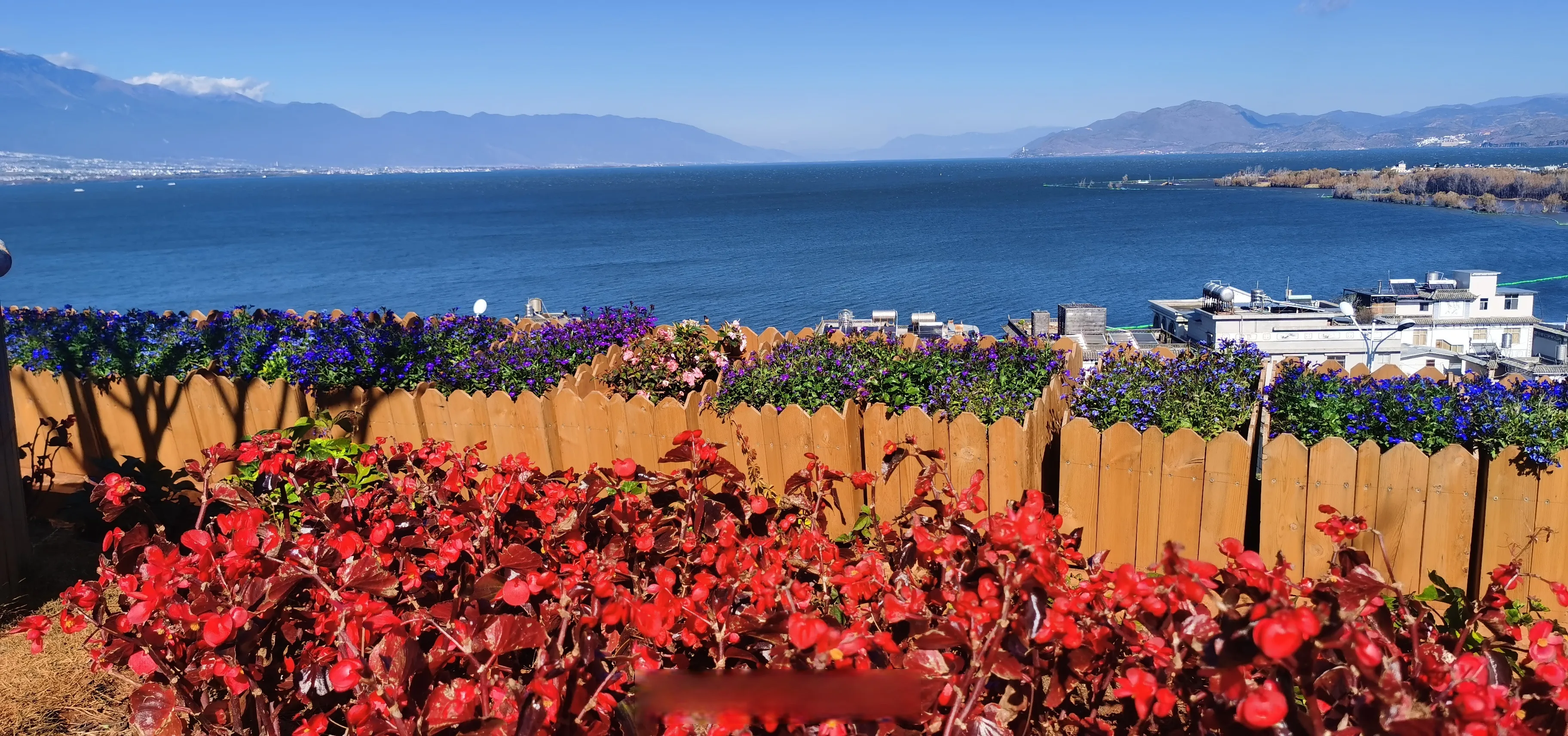
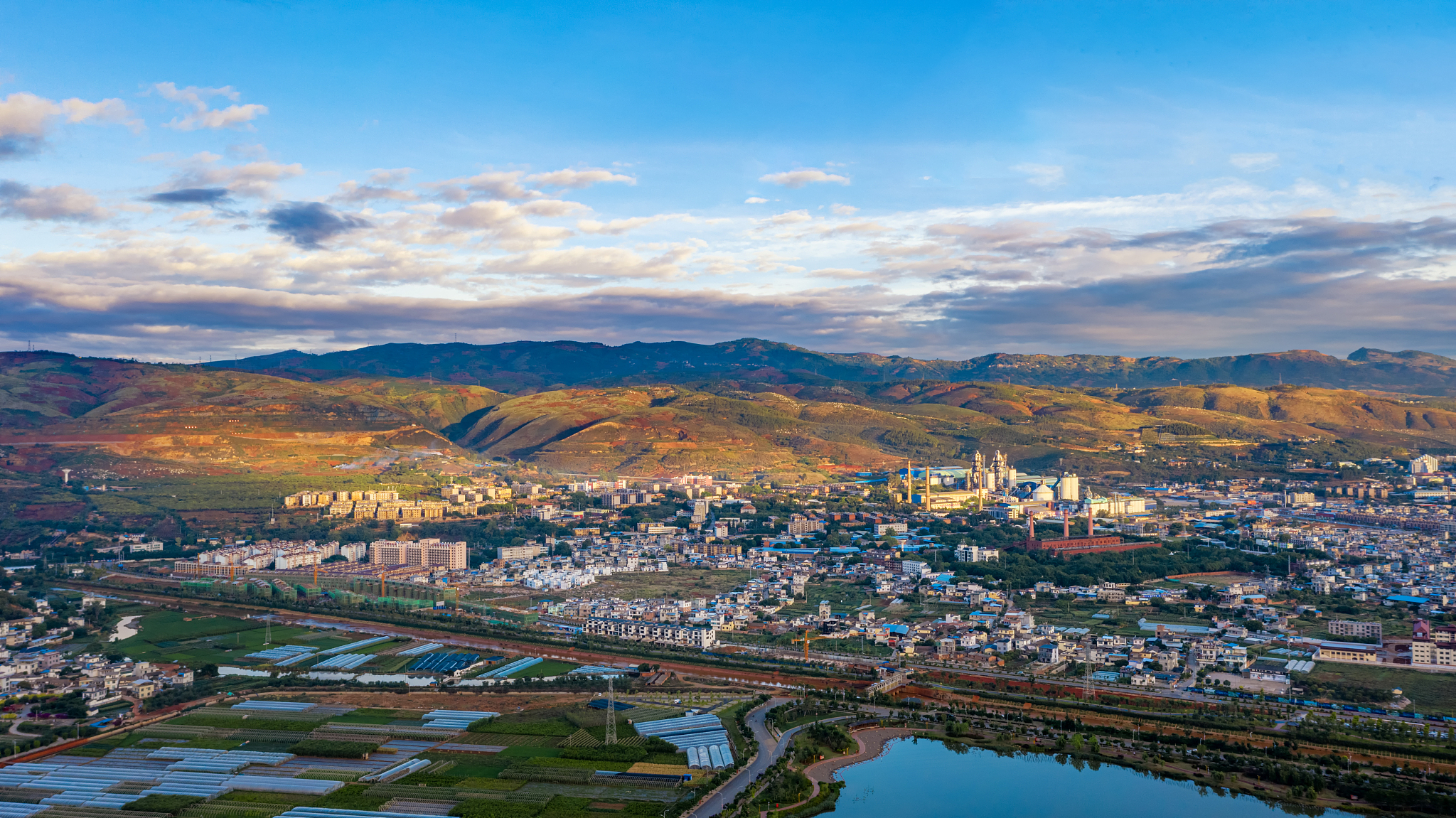
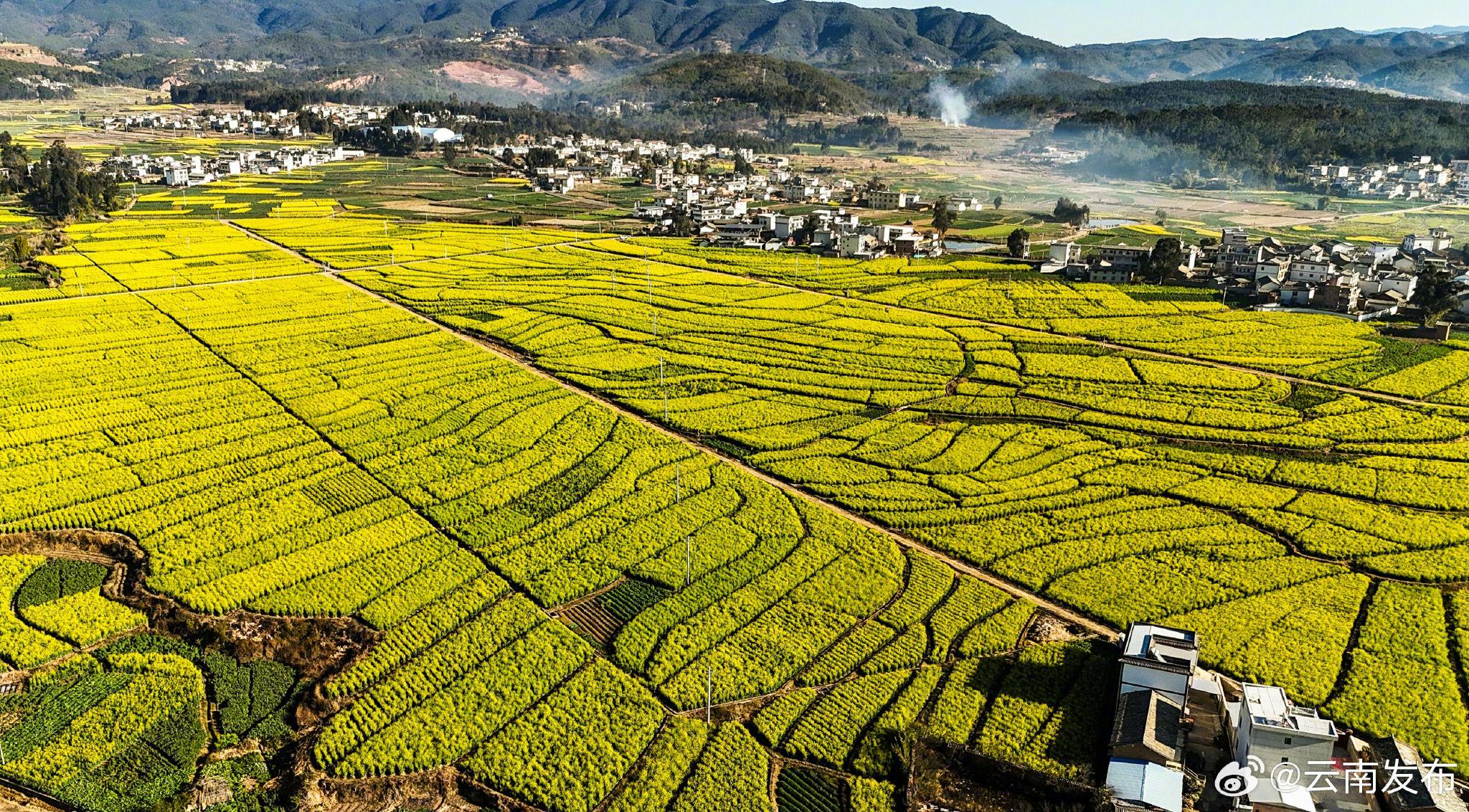
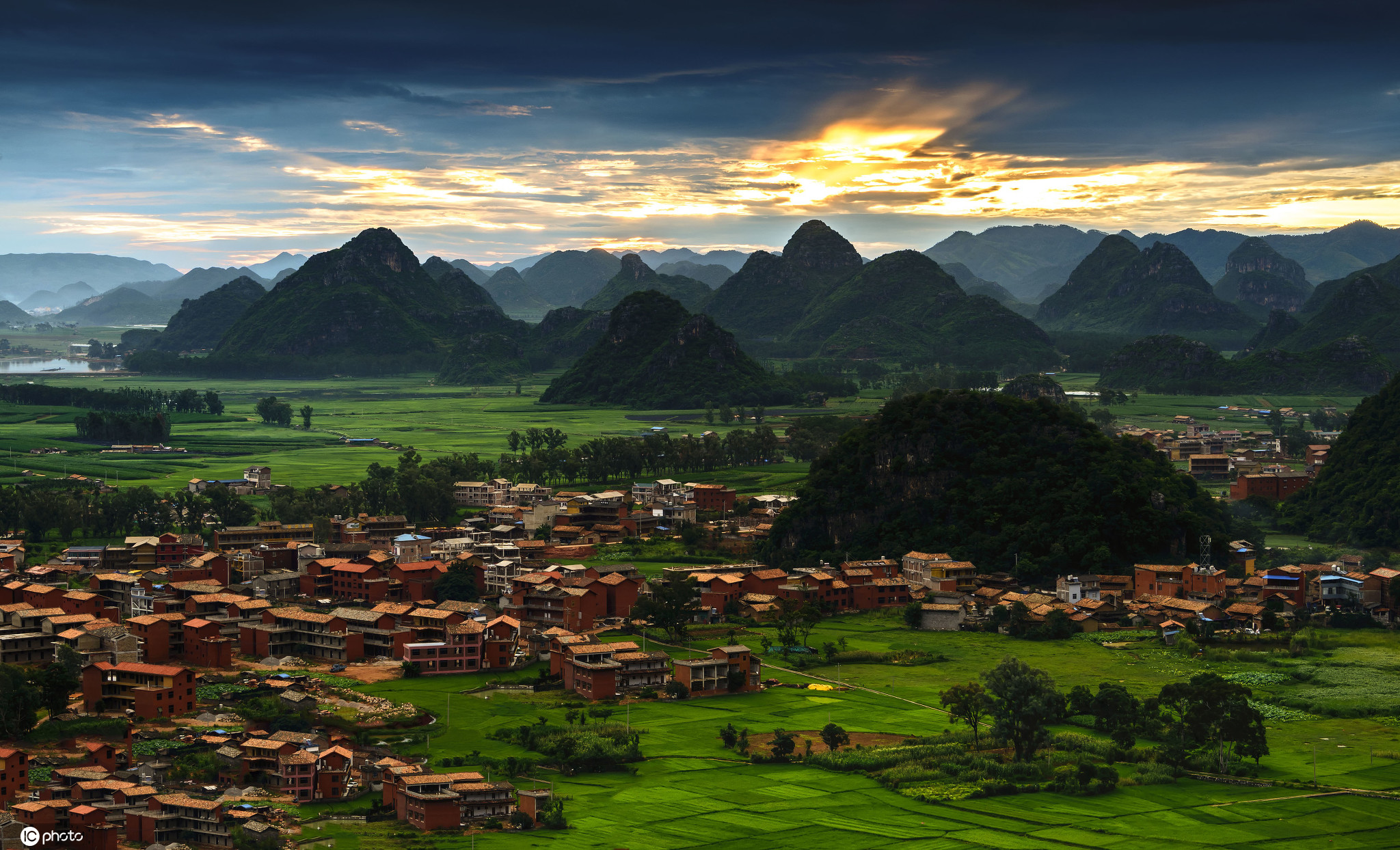
Dehong city skyline and landmarks (德宏) - Travel China Guide

Dehong Travel Guide

A tropical paradise on the Myanmar border, Dehong enchants visitors with Dai bamboo houses, peacock dances, jade markets, and the exotic charm of Ruili.

About

Dehong Dai and Jingpo Autonomous Prefecture occupies the westernmost corner of Yunnan Province, sharing a 500-kilometer border with Myanmar. Unlike the high-altitude landscapes of northern Yunnan, Dehong is tropical — lush, warm, and fragrant with exotic fruits and flowers.

The prefecture's name comes from the Dai language, meaning "the valley downstream." The landscape is dominated by fertile river valleys, tropical monsoon forests, and low mountains covered in bamboo groves. The Ruili River flows through the heart of Dehong, forming the border with Myanmar in its lower reaches.

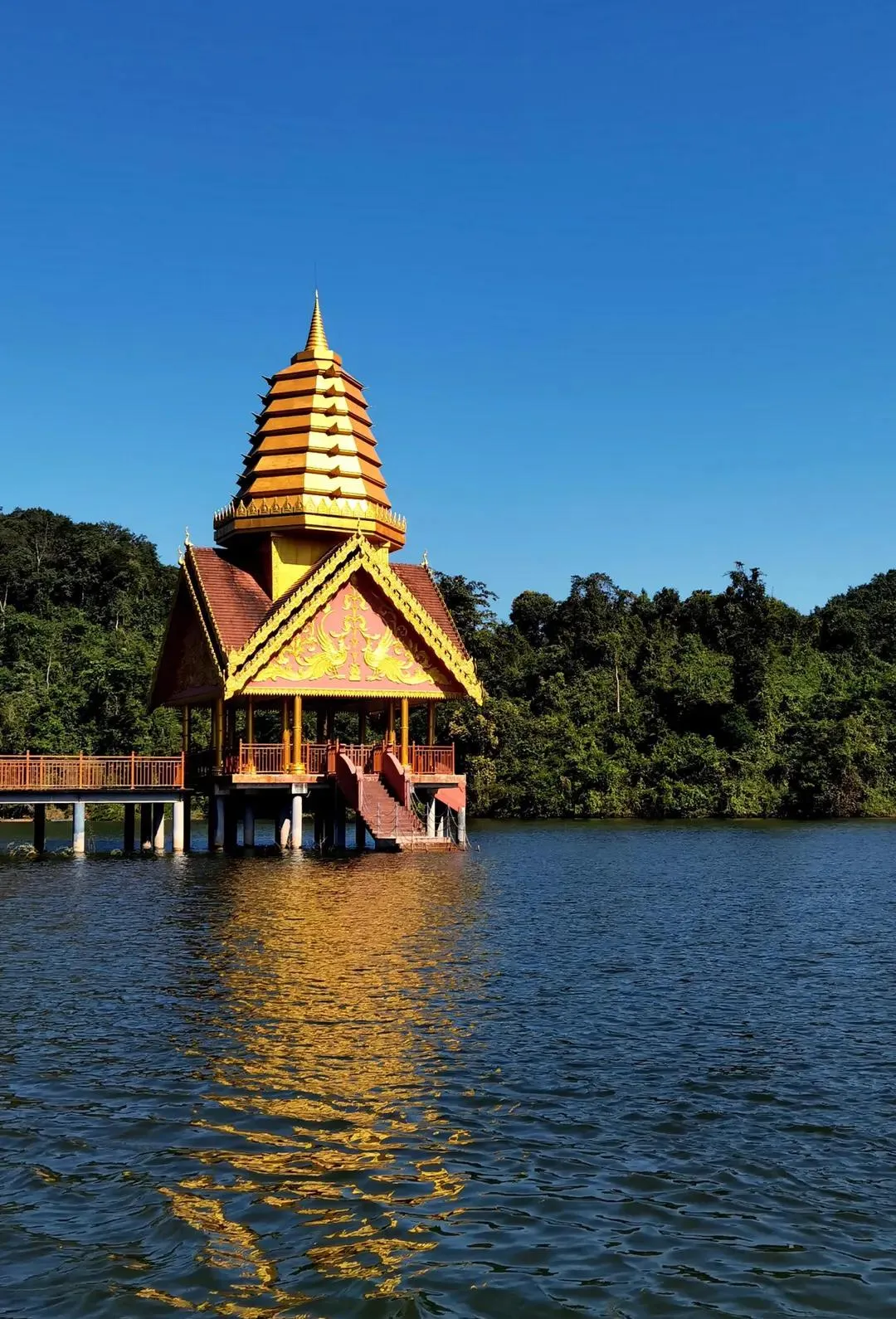
Ruili, Dehong's most famous city, is one of China's most fascinating border towns. It has a distinctly Southeast Asian atmosphere — golden Buddhist stupas, palm trees, and bustling markets selling Burmese jade, Thai cosmetics, and tropical fruits. The Jiegao border trade zone is a unique free-trade area where Chinese and Burmese merchants mingle.

The Dai people, who make up a significant portion of Dehong's population, share deep cultural roots with the ethnic Thai of northern Thailand and the Lao. They practice Theravada Buddhism, build their homes on stilts, celebrate the Water Splashing Festival (similar to Thailand's Songkran), and have a cuisine rich in tropical herbs and sour flavors.

Dehong is also home to the Jingpo people, known for their vibrant dances and the traditional Munao Zongge dance festival. Other ethnic groups include the Lisu, Achang, and De'ang, each contributing to the region's cultural tapestry.

For travelers seeking a Chinese destination with a distinctly Southeast Asian flavor, Dehong offers an experience unlike anywhere else in the country.

👥
Population 1.3 million
📐
Area 11,526 km²
💬
Language Mandarin Chinese, Dai (Tai) language, Jingpo language.

History & Development

Dehong has been a crossroads of civilizations for over two millennia. The region was part of the ancient Dianyue Kingdom and later came under the influence of the Dian Kingdom during the Han Dynasty. The Southern Silk Road, an ancient trade route connecting China to Southeast Asia and India, passed through Dehong.

During the Tang Dynasty, the region was influenced by the Nanzhao Kingdom, and Theravada Buddhism was introduced from Myanmar. The Dai people established small principalities along the Ruili River, developing a culture closely tied to their Shan cousins in Myanmar.

The Ming and Qing dynasties asserted control over the region but allowed local Dai chieftains (tusi) to govern autonomously. In 1953, the Dehong Dai and Jingpo Autonomous Prefecture was established, recognizing the region's ethnic diversity.

Dehong's border location has shaped its modern history. During the Second World War, the Burma Road passed through Dehong, serving as a vital supply line for China. In recent decades, the prefecture has benefited from cross-border trade with Myanmar and China's Belt and Road Initiative.

Economy & Industries

Dehong's economy is uniquely shaped by its border location. Cross-border trade with Myanmar is the economic backbone, with the Ruili-Jiegao area serving as a major trading hub for jade, timber, agricultural products, and consumer goods. China's largest jade trading market is located in Ruili, processing and trading jade from Myanmar.

Agriculture thrives in the tropical climate. Dehong produces rubber, sugarcane, coffee, tea, and tropical fruits including durian, mangosteen, and dragon fruit. The region is one of China's few areas where coffee is grown commercially.

Tourism is growing rapidly, driven by Dehong's unique cultural attractions and tropical scenery. The exotic border atmosphere, Dai culture, and relatively low tourist numbers compared to other Yunnan destinations make it increasingly popular.

Light manufacturing, particularly in textiles and food processing, contributes to the local economy. The prefecture also has significant hydropower resources from the Ruili River and its tributaries. Dehong's GDP reached approximately 60 billion yuan.
Top Attractions

🏛️ Landmark

Ruili Border Port

One of China's busiest land border crossings with Myanmar. The Ruili-Jiegao border area is a fascinating mix of Chinese and Burmese cultures, with bustling markets selling jade, tropical fruits, Burmese snacks, and Thai cosmetics. Visitors can observe cross-border trade and experience the unique atmosphere of a living border zone.

★★★★ 4.5
🕐 Open all day
🎫 Free
⛩️ Temple

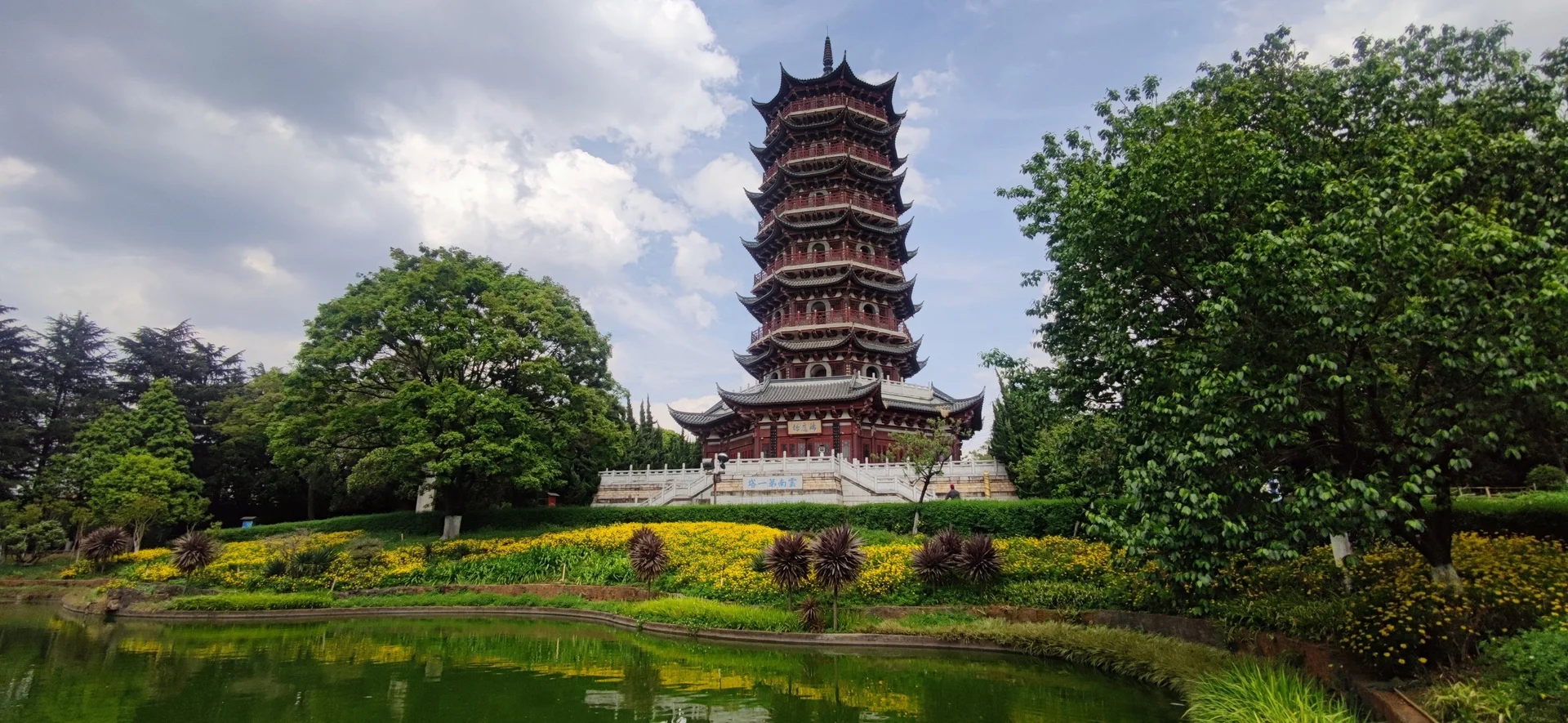
Jie Jin Long Pagoda

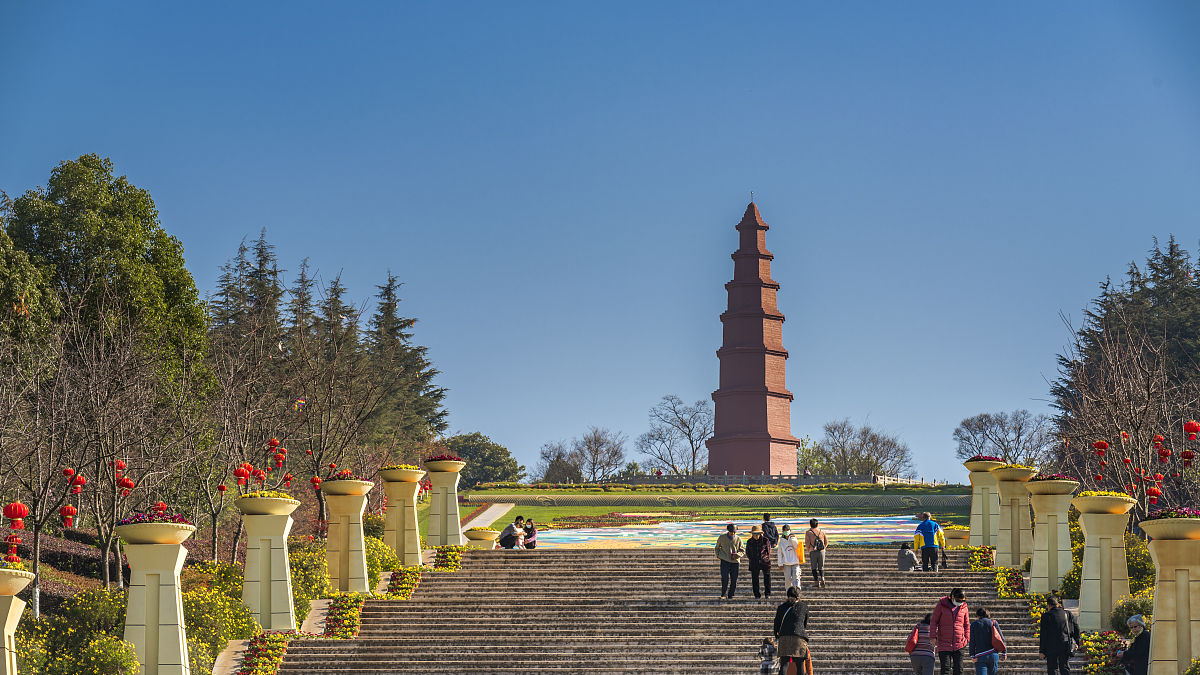
A magnificent golden Buddhist stupa complex set on a hilltop, consisting of one main pagoda surrounded by smaller stupas. Built over 2,000 years ago according to legend, the pagoda was reconstructed after earthquake damage and now gleams with gold leaf. The site offers panoramic views of the surrounding countryside and is an important pilgrimage site for Dai Buddhists.

★★★★ 4.7
🕐 8:00 AM-6:00 PM
🎫 30 yuan
🏔️ Nature

Mohan River Tropical Garden

A lush botanical garden showcasing the incredible biodiversity of Dehong's tropical monsoon forests. Over 1,000 species of tropical plants, including rare orchids, giant banyan trees, and medicinal herbs. The garden features nature trails, butterfly houses, and a canopy walkway through the rainforest.

★★★★ 4.5
🕐 8:30 AM-5:30 PM
🎫 50 yuan
⛩️ Temple

Yingjiang Pagoda Forest

A unique complex of hundreds of small Buddhist stupas spread across a hillside near Yingjiang County. The white stupas of various sizes create a surreal landscape reminiscent of Bagan in Myanmar. The site is still actively used by local Dai Buddhists for worship and festivals.

★★★★ 4.4
🕐 8:00 AM-6:00 PM
🎫 Free
📍 Other

Dai Ethnic Village

Traditional Dai bamboo villages scattered along the Ruili River. The Dai people, an ethnic group closely related to the Thai people of northern Thailand, live in elevated bamboo houses with intricately carved gables. Visitors can observe traditional weaving, taste Dai cuisine, and watch peacock dances — the Dai's most famous cultural performance.

★★★★ 4.6
🕐 Open all day
🎫 Free
🏔️ Nature

Hutiaoxia (Tiger Leaping) Hot Springs

Natural hot springs nestled in a tropical valley along the Ruili River. The mineral-rich waters emerge at 40-50°C and are collected in outdoor pools surrounded by banana trees and bamboo groves. A perfect place to relax after exploring Dehong's attractions.

★★★★ 4.3
🕐 8:00 AM-10:00 PM
🎫 60 yuan

Food & Culture

Discover the culinary treasures of Dehong, from traditional street food to imperial cuisine.

Things to Do

Border Market Shopping

Explore Ruili's vibrant jade, fruit, and Burmese handicraft markets.

🏛️

Dai Village Experience

Visit traditional Dai bamboo houses and watch peacock dance performances.

🏛️

Temple Pilgrimage

Climb to Jie Jin Long Pagoda for golden stupas and panoramic views.

Tropical Garden Walk

Stroll through the Mohan River Tropical Garden's rainforest canopy.

Getting Around

✈️

Airport

Dehong Mangshi Airport (LUM) - 10 km from Mangshi city center

🚄

High-Speed Rail

High-speed rail to Kunming (3.5 hours), Dali (2 hours)

🚌

Bus Network

Buses connect major towns within Dehong

🚕

Taxi & Rideshare

Available throughout the city

Best Time to Visit

🌸

Spring

Mar - May

★★★★☆

Warm and getting hotter. April brings the Water Splashing Festival. Lush greenery throughout.

  • Water Splashing Festival
  • Warm weather
  • Tropical blooms
☀️

Summer

Jun - Aug

★★★☆☆

Hot, humid, and rainy. Tropical fruits are abundant. Landscape at its most lush.

  • Tropical fruits
  • Lush landscapes
  • Fewer tourists
🍂

Autumn

Sep - Nov

★★★★☆

Rain decreases, temperatures moderate. Pleasant for outdoor activities.

  • Pleasant weather
  • Clearer skies
  • Comfortable touring
❄️

Winter

Dec - Feb

★★★★★

The best season — warm, dry, and sunny. Perfect for border exploration and temple visits.

  • Best weather
  • Dry and sunny
  • Ideal for sightseeing

🎉 Festivals & Events

April 11-13
Water Splashing Festival

The Dai New Year celebration with water splashing, dragon boat races, and peacock dances.

January (Jingpo calendar)
Munao Zongge Festival

The grand Jingpo festival featuring thousands of dancers moving in synchronized patterns.

💡 Weather Tips

Tropical climate — bring light clothing, rain gear in summer, and strong sun protection year-round.

Travel Reminders

💡

Border Crossing Rules

International travelers need a valid visa to cross into Myanmar from Ruili. Day trips to the Myanmar border town of Muse are theoretically possible but require advance arrangements.

💡

Jade Buying Tips

Only buy jade from reputable dealers. If you're not an expert, consider visiting the jade museum first to learn about quality grades.

💡

Water Splashing Festival

Dehong's Water Splashing Festival (April 11-13) is a joyful celebration. Expect to get wet — it's a blessing! Protect electronics.

💡

Dai Cuisine Adventure

Dai cuisine is distinctly Southeast Asian. Don't miss raw beef salad, grilled fish with lemongrass, and sour bamboo shoot soup.

Continue Exploring China

Discover more cities, food guides, and travel inspiration.