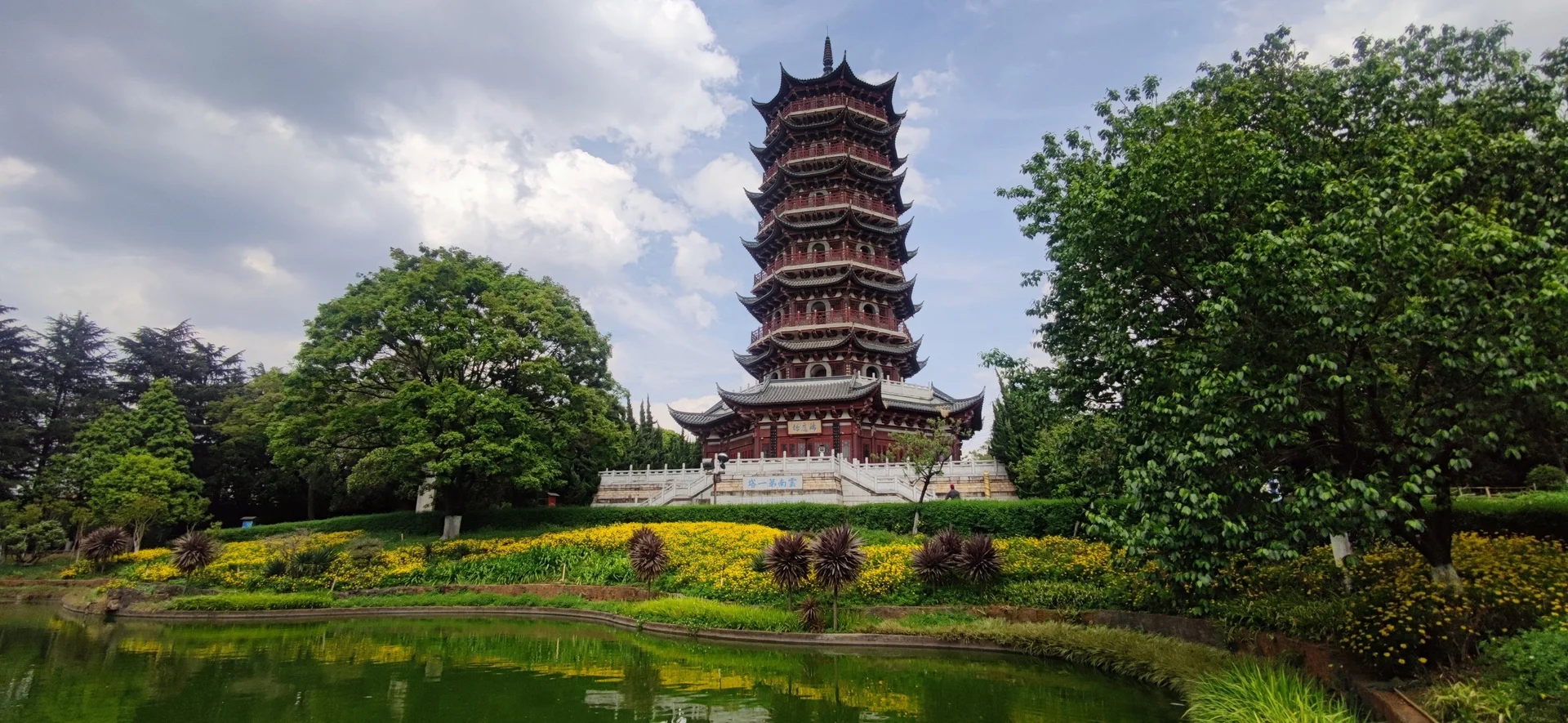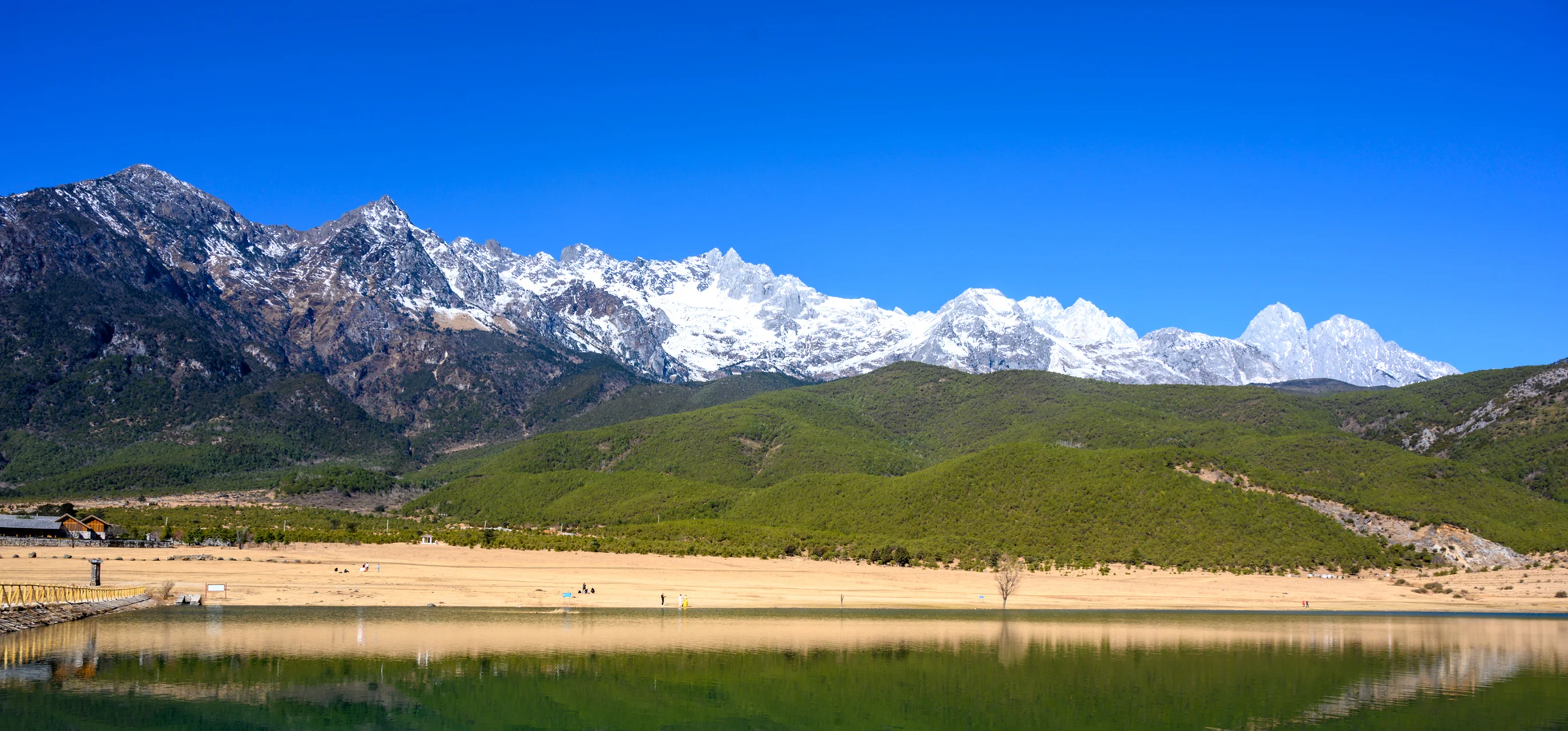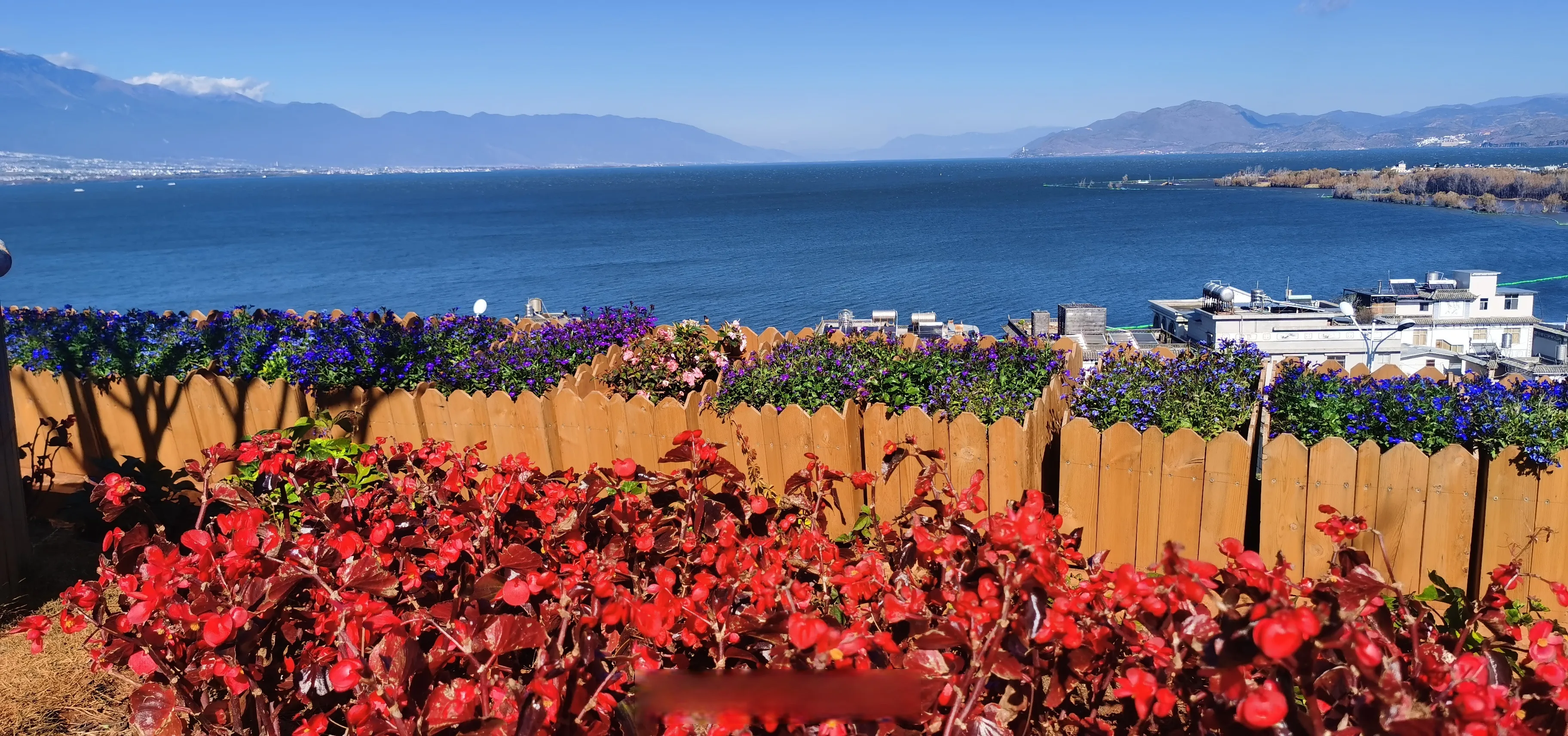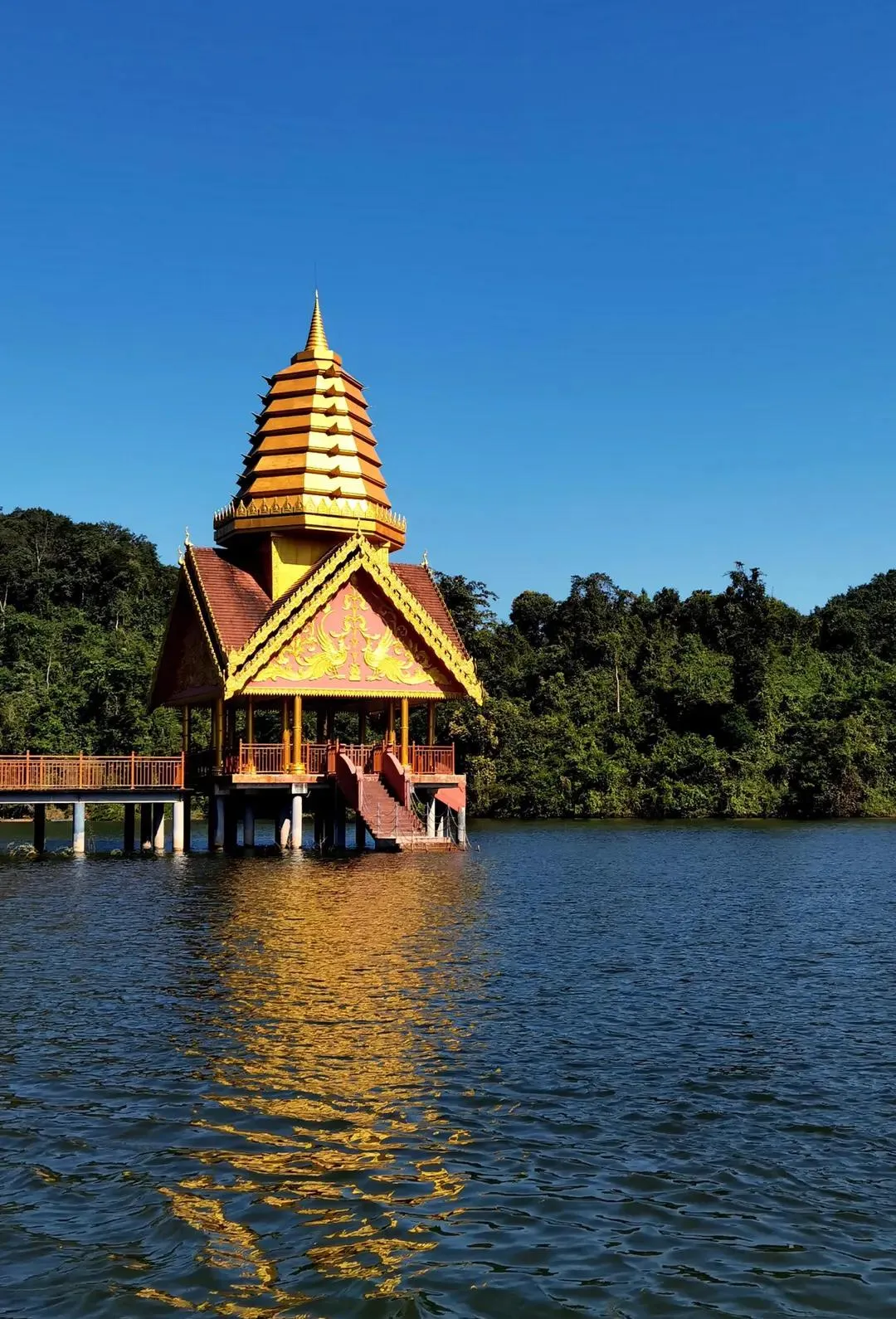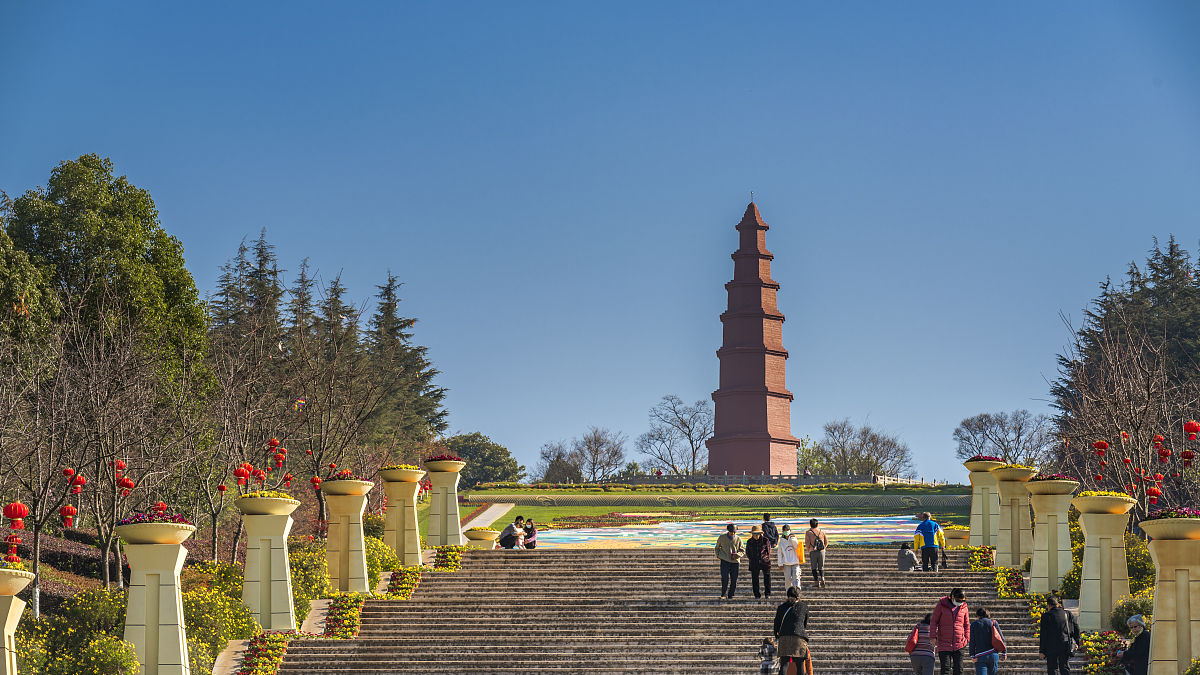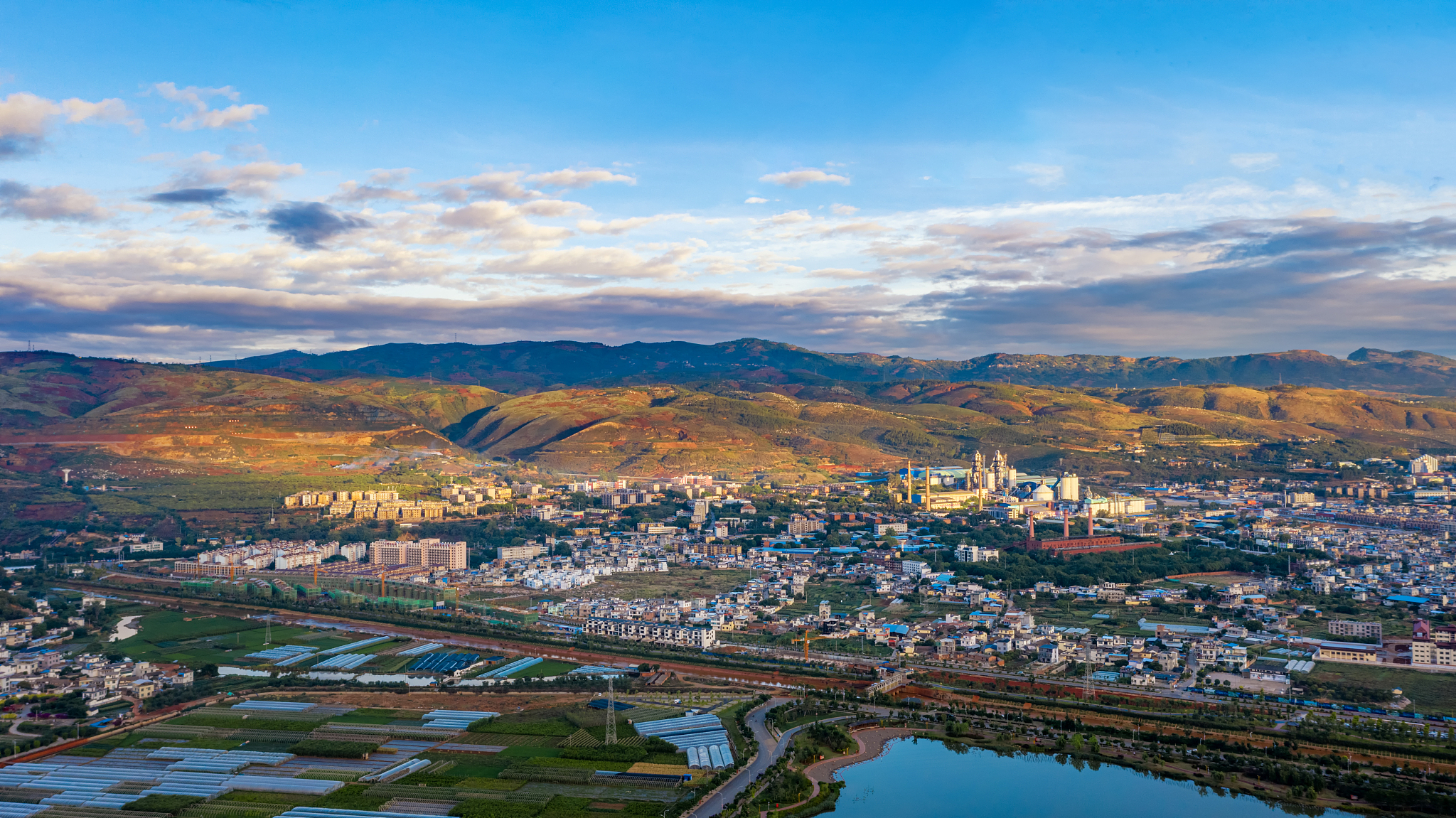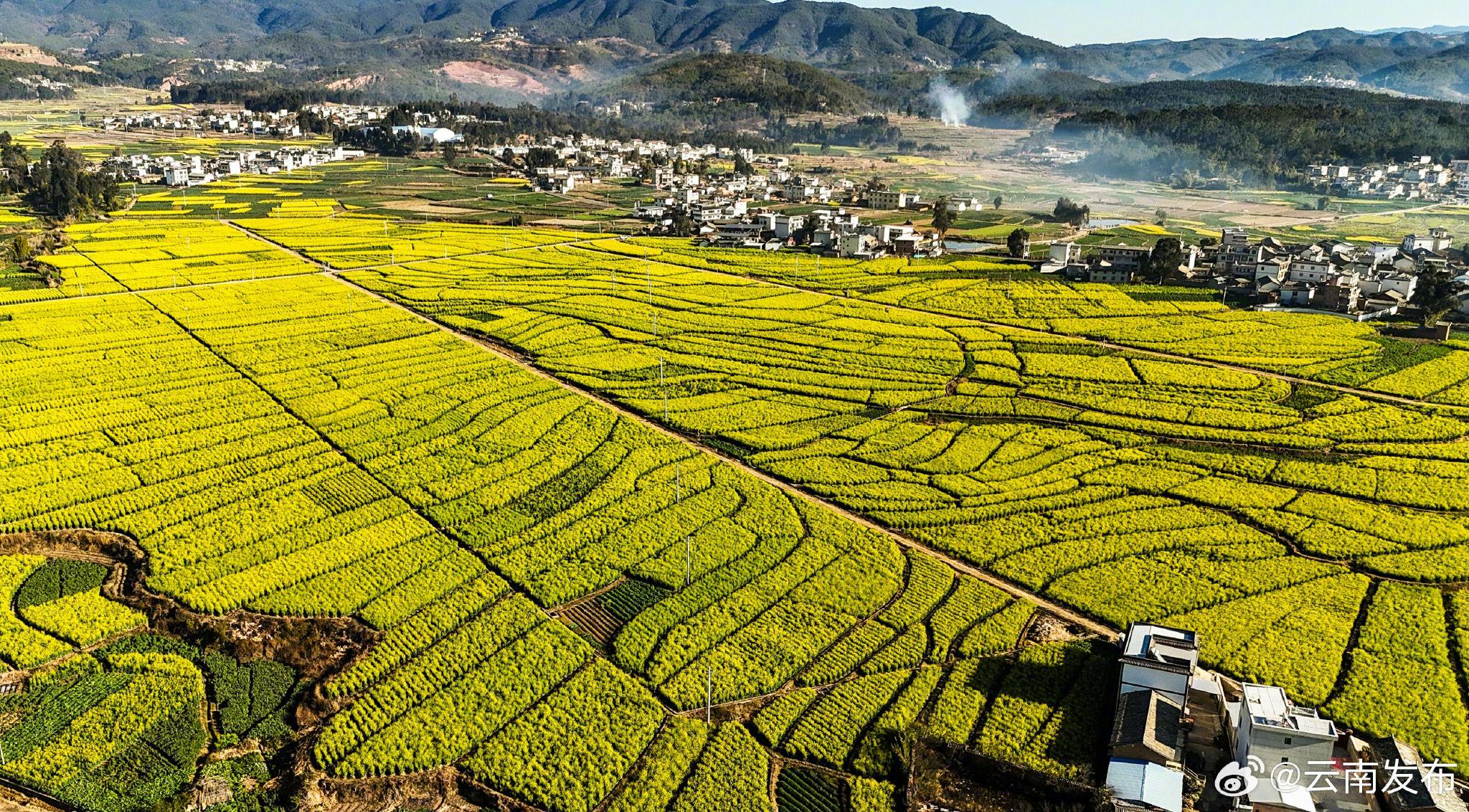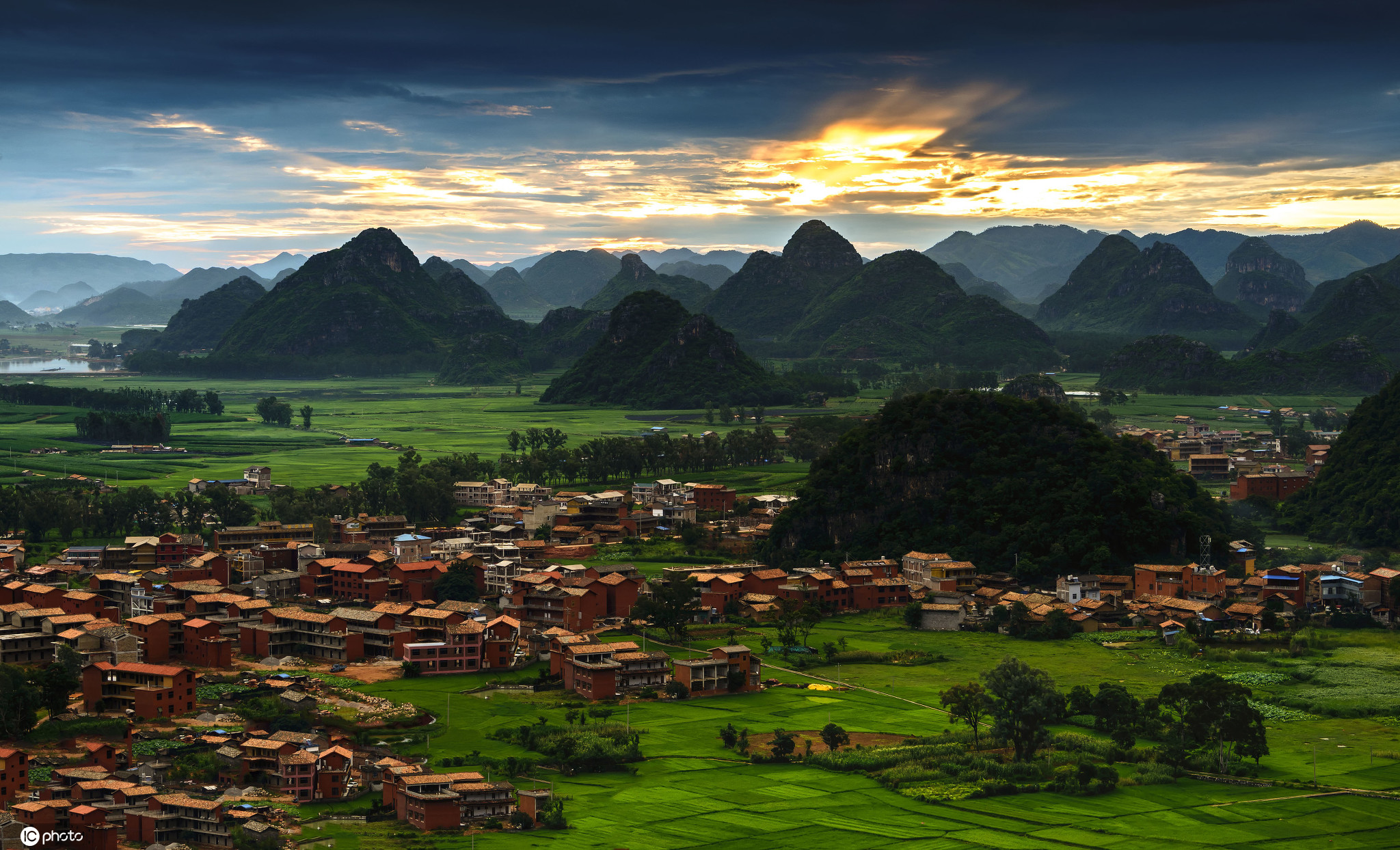
Baoshan city skyline and landmarks (保山) - Travel China Guide

Baoshan Travel Guide

Home to Tengchong's volcanic hot springs, the ancient Heshun town, golden ginkgo villages, and the moving memorial of the WWII Burma Road campaign.

About

Baoshan is a prefecture-level city in western Yunnan Province, located between the Nu River (Salween) and the Lancang River (Mekong). The city administers the world-famous Tengchong, which draws visitors with its volcanic hot springs, ancient towns, and poignant WWII history.

Tengchong, a county-level city within Baoshan, is the region's crown jewel. It sits on a volcanic plateau with over 90 dormant volcanoes and the most extensive geothermal area in China — the "Hot Sea" (Rehai). The volcanic soil makes the surrounding countryside exceptionally fertile, supporting lush vegetation and productive agriculture.

Heshun Ancient Town, just outside Tengchong, is one of the best-preserved ancient towns in China. Built by Hui merchants along the Southern Silk Road, it combines elegant Chinese architecture with influences from Myanmar and South Asia. Its peaceful pace of life stands in stark contrast to China's bustling modern cities.

Baoshan also holds immense historical significance. The Burma Road, built under desperate conditions during WWII, passed through this region, connecting China to Allied supply routes. The Yunnan-Burma Road Museum in Tengchong is one of China's finest WWII museums, offering a deeply moving account of this chapter of history.

History & Development

Baoshan's history stretches back over 2,000 years. During the Western Han Dynasty (206 BC - 24 AD), the region was home to the ancient Dian Kingdom's southern tribes. It later became part of the Nanzhao Kingdom (8th-10th centuries) and the Dali Kingdom (10th-13th centuries), which controlled much of modern Yunnan.

The name "Baoshan" (literally "Precious Mountain") dates from the Ming Dynasty. The region's most famous town, Heshun, was founded during the Ming Dynasty by Hui Muslim merchants who established a thriving trading post on the Southern Silk Road linking Yunnan to Burma and India.

Tengchong was a critical city along this trade route and became one of the earliest Chinese cities to develop extensive international connections. In the 19th and early 20th centuries, many Tengchong residents traveled abroad, particularly to Southeast Asia, for trade.

Baoshan's most dramatic modern history came during World War II. The Burma Road, completed in 1938, was built by 200,000 Chinese workers to supply China under Japanese blockade. In 1944, the Battle of Tengchong was one of the bloodiest engagements of the China-Burma-India theater. The city was completely destroyed and rebuilt. The Guoguo Cemetery commemorates over 9,000 Chinese soldiers who died recapturing Tengchong.

Economy & Industries

Baoshan's economy is diverse, with agriculture, tourism, and mining as mainstays. The region is one of China's premier coffee-growing areas, with Baoshan Arabica coffee winning international awards. Other important crops include tobacco, tea, sugarcane, and tropical fruits.

Tourism is the fastest-growing sector, driven by Tengchong's hot springs, Heshun Ancient Town, and war memorial sites. The local government has invested significantly in tourism infrastructure, including roads, hotels, and the Tengchong Airport, which now connects to major Chinese cities.

Baoshan also has significant mineral resources, including lead, zinc, and iron. The region is developing its renewable energy sector, particularly hydropower from the Nu and Lancang rivers. Border trade with Myanmar, facilitated by several official border crossings, contributes to the local economy.

Top Attractions

🏔️ Nature

Tengchong Volcanic Hot Sea

The Tengchong Volcanic Hot Sea (Rehai) is the most spectacular geothermal area in China, located about 20 kilometers southwest of Tengchong city. Over 80 hot springs, fumaroles, and boiling pools are scattered across a lush valley. The most famous feature is the "Big Boiling Pot" (Dagun Guo), a boiling spring reaching 97°C. Visitors can soak in therapeutic mineral pools, watch steam vents hissing from the mountainside, and even cook eggs in the natural boiling water.

★★★★ 4.8
🕐 08:00-19:00
🎫 60 yuan (Hot Sea Park)
📍 Other

Heshun Ancient Town

Heshun is a beautifully preserved ancient town dating back over 600 years to the Ming Dynasty. Built by the Hui ethnic community along a volcanic hillside, the town features cobblestone streets, elegant courtyard houses, ancient temples, and the Heshun Library — one of the largest rural libraries in China. The town was an important trading post on the Southern Silk Road, which connected Yunnan to Myanmar. Unlike many overly commercialized ancient towns in China, Heshun retains a genuine, lived-in atmosphere.

★★★★ 4.9
🕐 07:30-19:30
🎫 55 yuan
📍 Other

Ginkgo Village (Yinxing Cun)

Ginkgo Village (also known as Yincun) in Tengchong is a small settlement famous for its 3,000+ ancient ginkgo trees, many over 500 years old. When autumn arrives (typically mid-October to early December), the entire village is carpeted in golden yellow ginkgo leaves. Traditional stone houses are half-hidden by the brilliant foliage, creating one of the most photographed autumn scenes in China.

★★★★ 4.8
🕐 08:00-18:00
🎫 30 yuan (seasonal)
🎭 Museum

Yunnan-Burma Road Museum

This excellent museum in Tengchong commemorates the history of the Yunnan-Burma Road and the Western Yunnan Campaign of World War II. The museum features detailed exhibits on the construction of the Burma Road, the Flying Tigers (American Volunteer Group), the Battle of Tengchong, and the burial of Chinese and Allied soldiers. The adjacent Guoguo Cemetery is the final resting place of over 9,000 Chinese soldiers who died in the campaign. It is one of China's most important WWII memorials.

★★★★ 4.9
🕐 09:00-17:00 (closed Mon)
🎫 Free (ID required)
🏔️ Nature

Tengchong Volcanic Geo Park

The Tengchong Volcanic Geo Park showcases the region's dramatic volcanic landscape, with over 90 dormant volcanic cones visible across the plateau. The park's centerpiece is the "Big Sky Bowl" (Dakong Shan), one of the best-preserved volcanic craters in China. Visitors can hike up to the crater rim for panoramic views, and even take a hot air balloon ride over the volcanic landscape. The park also includes the Black Fish River, where volcanic rocks create unique river scenery.

★★★★ 4.6
🕐 08:00-18:00
🎫 35 yuan
🏔️ Nature

Beihai Wetland

Beihai Wetland is a unique high-altitude volcanic wetland located about 12 kilometers northwest of Tengchong. The wetland is known for its "floating meadows" — thick mats of vegetation that float on the water's surface. Visitors can take wooden boat rides through the wetland, watch migratory birds, and walk on the floating meadows. The area is particularly beautiful from April to September when flowers blanket the wetland in color.

★★★★ 4.5
🕐 08:00-18:00
🎫 55 yuan

Food & Culture

Discover the culinary treasures of Baoshan, from traditional street food to imperial cuisine.

Things to Do

🏛️

Soak in Hot Springs

Bathe in the mineral-rich hot springs of Tengchong's Hot Sea area, surrounded by steam vents and lush tropical vegetation.

Wander Heshun Ancient Town

Explore cobblestone lanes, centuries-old courtyard houses, and the peaceful Heshun Library in this living museum of Ming-Qing architecture.

Visit Ginkgo Village in Autumn

Walk through a village buried under golden ginkgo leaves — a magical autumn experience and a photographer's dream.

Honor WWII History

Visit the Yunnan-Burma Road Museum and Guoguo Cemetery to understand the region's crucial role in World War II.

Ride a Hot Air Balloon Over Volcanoes

Take a hot air balloon ride over Tengchong's dormant volcanic cones for an unforgettable bird's-eye perspective.

🛍️

Taste Baoshan Coffee

Visit a local coffee plantation or café to taste award-winning Arabica coffee grown in Baoshan's high-altitude volcanic soil.

Suggested Itineraries

Tengchong Highlights (2 Days)

The best of Tengchong in two days — ancient towns, hot springs, volcanoes, and WWII history.

  • Day 1: Heshun Ancient Town (morning) + Volcanic Hot Sea (afternoon) + hot spring soak
  • Day 2: Yunnan-Burma Road Museum + Volcano Geo Park + evening BBQ

Baoshan Complete Tour (3 Days)

A comprehensive tour covering all of Baoshan and Tengchong's top attractions and cultural experiences.

  • Day 1: Heshun Ancient Town + Hot Sea + hot spring
  • Day 2: Volcano Geo Park + Beihai Wetland + Ginkgo Village (autumn)
  • Day 3: Yunnan-Burma Road Museum + coffee plantation tour + Baoshan city

Getting Around

✈️

Airport

Tengchong Airport has direct flights to Beijing, Shanghai, Chengdu, Kunming, and Xishuangbanna. Baoshan Airport also serves the region.

🚄

High-Speed Rail

The Dali-Ruili Railway passes through Baoshan, linking it to Dali (2 hours) and Kunming (4 hours).

🚌

Bus Network

Long-distance buses connect Baoshan to Kunming, Dali, Lijiang, and nearby cities. Local buses serve Tengchong and surrounding attractions.

🚕

Taxi & Rideshare

Available throughout the city

Best Time to Visit

🌸

Spring

Mar - May

★★★★★

Pleasant temperatures (15-25°C), moderate rainfall. Flowers bloom across the countryside. Best time for hiking and outdoor activities before summer rains.

  • Blooming flowers
  • Comfortable weather
  • Best for hiking
☀️

Summer

Jun - Aug

★★★☆☆

Warm and humid (20-30°C), rainy season. The landscape is lush and green. Hot springs are pleasant in the rain. Good for wetland visits.

  • Lush landscapes
  • Good for hot springs
  • Fewer tourists
🍂

Autumn

Sep - Nov

★★★★★

The best season — clear skies, comfortable temperatures (15-25°C), minimal rain. Ginkgo Village turns golden in October-November. Peak tourist season in Tengchong.

  • Ginkgo golden season
  • Perfect weather
  • Clear skies
❄️

Winter

Dec - Feb

★★★★☆

Cool and dry (5-18°C). Sunny days but cold mornings and nights. Still pleasant compared to northern China. Hot springs are most enjoyable in the cool weather.

  • Best for hot springs
  • Mild winter
  • No crowds

Continue Exploring China

Discover more cities, food guides, and travel inspiration.