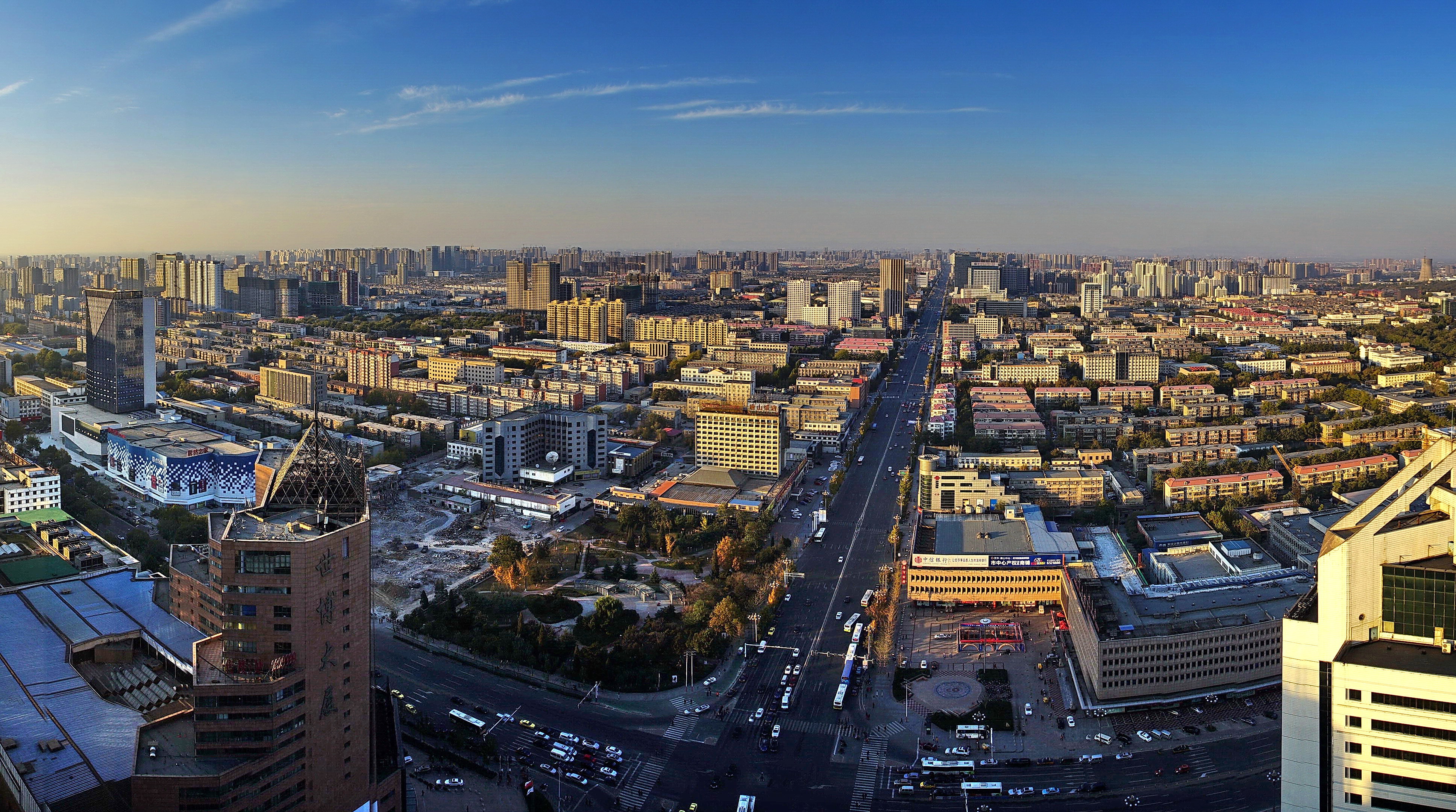
Zhangjiakou city skyline and landmarks (张家口) - Travel China Guide

Zhangjiakou Travel Guide

The host city of the 2022 Winter Olympics alongside Beijing, famous for Chongli ski resort, the Great Wall at Dajingmen, and its historic role as a trade hub on the Tea Road.

About

Zhangjiakou is a city of dramatic contrasts—ancient trade gateway and Olympic winter sports capital, Great Wall fortress and vast grassland playground. Located in northwestern Hebei Province at the intersection of mountains, plateaus, and plains, this city of over 4 million people has reinvented itself multiple times over its long history.

The city's most iconic landmark is Dajingmen, the "First Gate Under Heaven." Unlike the forbidding military passes of the Great Wall elsewhere, Dajingmen was built as a gate of commerce and cultural exchange. During the Ming and Qing dynasties, it marked the starting point of the Tea Road—a 5,000-kilometer trade route carrying Chinese tea to Mongolia and Russia. Caravans of camels and horses would pass through this gate, laden with bricks of tea that would change hands in markets stretching all the way to Moscow.

Zhangjiakou's modern transformation came with the 2022 Winter Olympics, which it co-hosted with Beijing. The Chongli District, about 50 kilometers from the city center, was transformed into China's premier winter sports destination. Olympic-standard ski runs, state-of-the-art venues, and luxury resorts now dot the once-quiet mountain valleys. The legacy of the Games extends beyond sports—a high-speed railway now connects Zhangjiakou to Beijing in under an hour.

The city offers experiences that few other Chinese destinations can match. In winter, visitors can ski on world-class slopes. In summer, the Zhangbei Grassland beckons with its endless rolling hills, Mongolian yurts, horse riding, and lamb barbecues under vast, star-filled skies. The combination of mountain scenery, grassland culture, and Olympic heritage makes Zhangjiakou a uniquely versatile destination.

👥
Population 4.1 million
📐
Area 36,800 km²
💬
Language Mandarin Chinese. English spoken at ski resorts and major hotels.

History & Development

Zhangjiakou's history as a strategic gateway dates back over 600 years. During the Ming Dynasty (1368-1644), the Great Wall was strengthened across northern China, and the pass at Dajingmen was established in 1644 as a key crossing point. Unlike purely military passes, Dajingmen was designed from the start to facilitate trade between China and the Mongolian steppes.

The city's golden age began in the Qing Dynasty (1644-1912), when it became the southern terminus of the Zhangku Road—the Tea Road connecting China with Mongolia and Russia. By the 18th and 19th centuries, Zhangjiakou (known in the West as Kalgan, from the Mongolian word for "gate") was a prosperous trading town bustling with merchants, camels, and caravans. It was one of the first Chinese cities to open to international trade in 1860.

The construction of the Beijing-Zhangjiakou Railway in 1909—China's first independently designed and built railway—transformed the city's fortunes. The railway made Zhangjiakou an even more important transportation hub. The Beijing-Zhangjiakou Railway remains a source of pride in Chinese engineering history, designed by Zhan Tianyou, the "Father of Chinese Railways."

After 1949, Zhangjiakou developed as an industrial center with steel, machinery, and coal mining. The city's economy underwent structural changes in the late 20th century as state-owned enterprises restructured.

The most transformative event in modern Zhangjiakou's history was the successful bid to co-host the 2022 Winter Olympics. The Chongli district was developed into a world-class ski destination, complete with high-speed rail connectivity, new highways, and modern infrastructure. The Games put Zhangjiakou on the global map and catalyzed an economic and social transformation.

Economy & Industries

Zhangjiakou's economy has undergone a major transformation, shifting from traditional industries toward sports tourism, renewable energy, and services.

The 2022 Winter Olympics were a watershed moment for Zhangjiakou's economy. The Chongli ski resort area has become a year-round tourism destination, attracting millions of visitors for winter skiing and summer mountain activities. This has spawned a thriving service sector including hotels, restaurants, ski schools, equipment rentals, and real estate development.

Renewable energy is a strategic growth sector. Zhangjiakou's vast grasslands and mountain ridges offer excellent conditions for wind and solar power generation. The city has become a national demonstration zone for renewable energy, with large-scale wind farms and solar installations supplying clean electricity to Beijing and the surrounding region. The Zhangbei 500kV flexible DC power grid project, the world's first, showcases the city's role in China's green energy transition.

Traditional industries remain significant. The city has steel and machinery manufacturing, food processing, and mineral extraction. The Sha Steel Group, based in Zhangjiakou, is one of China's major steel producers. Agricultural processing, particularly of local specialty products like oat, millet, and lamb, supports rural employment.

Tourism has become the most dynamic sector. Beyond skiing and grassland tourism, the Great Wall heritage sites, historical villages, and cultural attractions draw increasing numbers of visitors, particularly from Beijing, which is less than an hour away by high-speed rail.

Transportation and logistics benefit from Zhangjiakou's position as a gateway to Inner Mongolia and northern China. The improved rail and road network developed for the Olympics has strengthened this role.

Zhangjiakou's GDP reached approximately 180 billion yuan. The city continues to pursue sustainable development, balancing economic growth with environmental protection in this ecologically sensitive region at the edge of the Mongolian Plateau.
Top Attractions

🏛️ Landmark

Dajingmen Great Wall

Known as the "First Gate Under Heaven," Dajingmen is a magnificent Great Wall pass built in 1644 during the Ming Dynasty. Unlike the Great Wall sections near Beijing, Dajingmen served as a peaceful trade gateway rather than a military fortification. The gate bears a famous inscription reading "The Great River Flows, the Mountains Stand Tall."

★★★★ 4.6
🕐 7:00 AM-6:00 PM
🎫 50 yuan
🏛️ Landmark

Chongli Ski Resort

The premier ski destination in China, venue for snow events of the 2022 Winter Olympics. Chongli features multiple world-class ski resorts including Taiwu, Wanlong, and Genting Secret Garden. With excellent snow conditions from November to March, it has become China's winter sports capital.

★★★★ 4.7
🕐 8:30 AM-4:30 PM (winter season)
🎫 300-600 yuan (season dependent)
🏔️ Nature

Zhangbei Grassland

A vast, rolling grassland about 45 km north of Zhangjiakou city, offering a taste of Inner Mongolian pastoral life. Visitors can stay in Mongolian yurts, ride horses, watch traditional wrestling and archery, and enjoy lamb barbecue under the stars. The annual Zhangbei Grassland Music Festival draws huge crowds.

★★★★ 4.5
🕐 Open all day (best May-October)
🎫 Free (activities extra)
🏛️ Landmark

Anjiayao Ancient Great Wall

A lesser-visited but remarkably authentic section of the Great Wall dating to the Ming Dynasty. Unlike the heavily restored sections near Beijing, this part retains its original rugged character, with crumbling watchtowers and wild scenery stretching across the mountain ridges.

★★★★ 4.3
🕐 8:00 AM-5:30 PM
🎫 30 yuan
🏛️ Landmark

Qia'erqiang Village

A beautifully preserved traditional village with Ming and Qing Dynasty courtyard houses, stone-paved streets, and ancient city walls. The village offers a glimpse into traditional northern Chinese rural life, with local crafts, folk performances, and farmhouse dining.

★★★★ 4.1
🕐 Open all day
🎫 Free
🏛️ Landmark

Xuanhua Ancient City

An ancient military town with a history spanning over 1,200 years, known for its well-preserved Ming Dynasty city wall, the magnificent Xuanhua Bell Tower, and the Qingyuan Mosque—one of the oldest mosques in northern China.

★★★★ 4.2
🕐 8:00 AM-6:00 PM
🎫 20 yuan
🏔️ Nature

Zhongdu Grassland

A section of the vast Zhangbei Grassland featuring the ruins of Zhongdu (Central Capital) of the Yuan Dynasty. The site includes palace foundations, stone carvings, and a museum explaining the history of the Mongol Empire in this region.

★★★★ 4
🕐 8:00 AM-6:00 PM
🎫 40 yuan

Food & Culture

Discover the culinary treasures of Zhangjiakou, from traditional street food to imperial cuisine.

Things to Do

Winter Skiing

Ski on Olympic-level slopes at Chongli's world-class resorts.

🏛️

Great Wall Gate

Walk the Great Wall at Dajingmen, the historic trade gateway.

Grassland Camping

Stay in a Mongolian yurt on the Zhangbei grasslands.

Summer Escape

Escape Beijing's heat in Zhangjiakou's cool mountain air.

Suggested Itineraries

Winter Olympics Experience

Ski Olympic slopes and explore Olympic legacy sites.

  • Chongli Ski Resort
  • Dajingmen
  • Winter sports venues

Grassland Adventure

Experience pastoral life on the vast Mongolian grasslands.

  • Zhangbei Grassland
  • Mongolian yurt stay
  • Zhongdu ruins

Getting Around

✈️

Airport

Zhangjiakou Ningyuan Airport (ZQZ) - 9 km, about 20 minutes by car

🚄

High-Speed Rail

High-speed rail to Beijing (50 minutes), Chongli (30 minutes)

🚌

Bus Network

Public buses connect the city center with all districts and tourist areas

🚕

Taxi & Rideshare

Available throughout the city

Best Time to Visit

🌸

Spring

Mar - May

★★★☆☆

Cool and windy. Late spring brings green to the grasslands.

  • Few tourists
  • Budget-friendly
  • Greening landscape
☀️

Summer

Jun - Aug

★★★★★

Warm days, cool nights—perfect for grassland activities and escaping Beijing's heat.

  • Grassland in full bloom
  • Music festivals
  • Cool weather
🍂

Autumn

Sep - Nov

★★★★☆

Crisp, clear days with golden grasslands and colorful mountain foliage.

  • Golden grasslands
  • Clear skies
  • Harvest season
❄️

Winter

Dec - Feb

★★★★★

Cold and snowy—peak ski season. Chongli offers world-class winter sports.

  • World-class skiing
  • Olympic legacy
  • Snow scenery

🎉 Festivals & Events

Late July annually
Zhangbei Grassland Music Festival

China's largest outdoor music festival featuring international and Chinese artists, camping, and grassland culture.

December annually
Chongli International Ski Festival

Opening of the ski season with competitions, demonstrations, and celebrations.

💡 Weather Tips

Winter temperatures can drop to -20°C. Bring appropriate cold-weather gear. Summer is ideal for grassland activities.

Travel Reminders

💡

Olympic Venues Tour

Visit the Olympic venues in Chongli including the National Ski Jumping Center and National Cross-Country Skiing Centre. Guided tours are available.

💡

Great Wall at Dajingmen

Visit Dajingmen in the late afternoon for the best light for photography. The gate faces west and catches beautiful golden hour colors.

💡

Grassland Lamb Feast

Bashang Roasted Lamb is a must-try. For the most authentic experience, visit a yurt restaurant on the Zhangbei Grassland where lamb is cooked over open fire.

💡

Ski Season Planning

Peak ski season is December-February. Book accommodations and lift tickets well in advance. November and March offer lower prices and fewer crowds.

Continue Exploring China

Discover more cities, food guides, and travel inspiration.