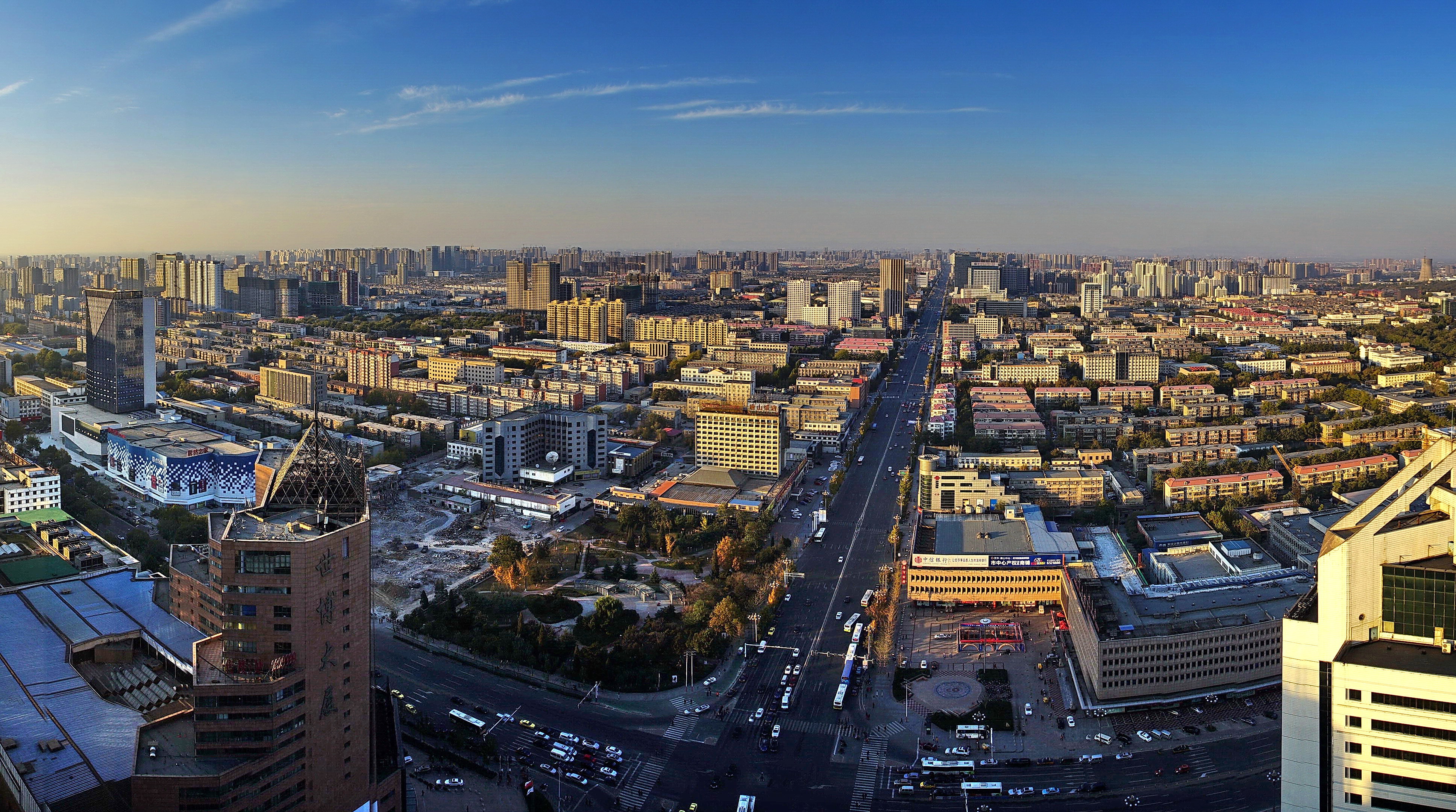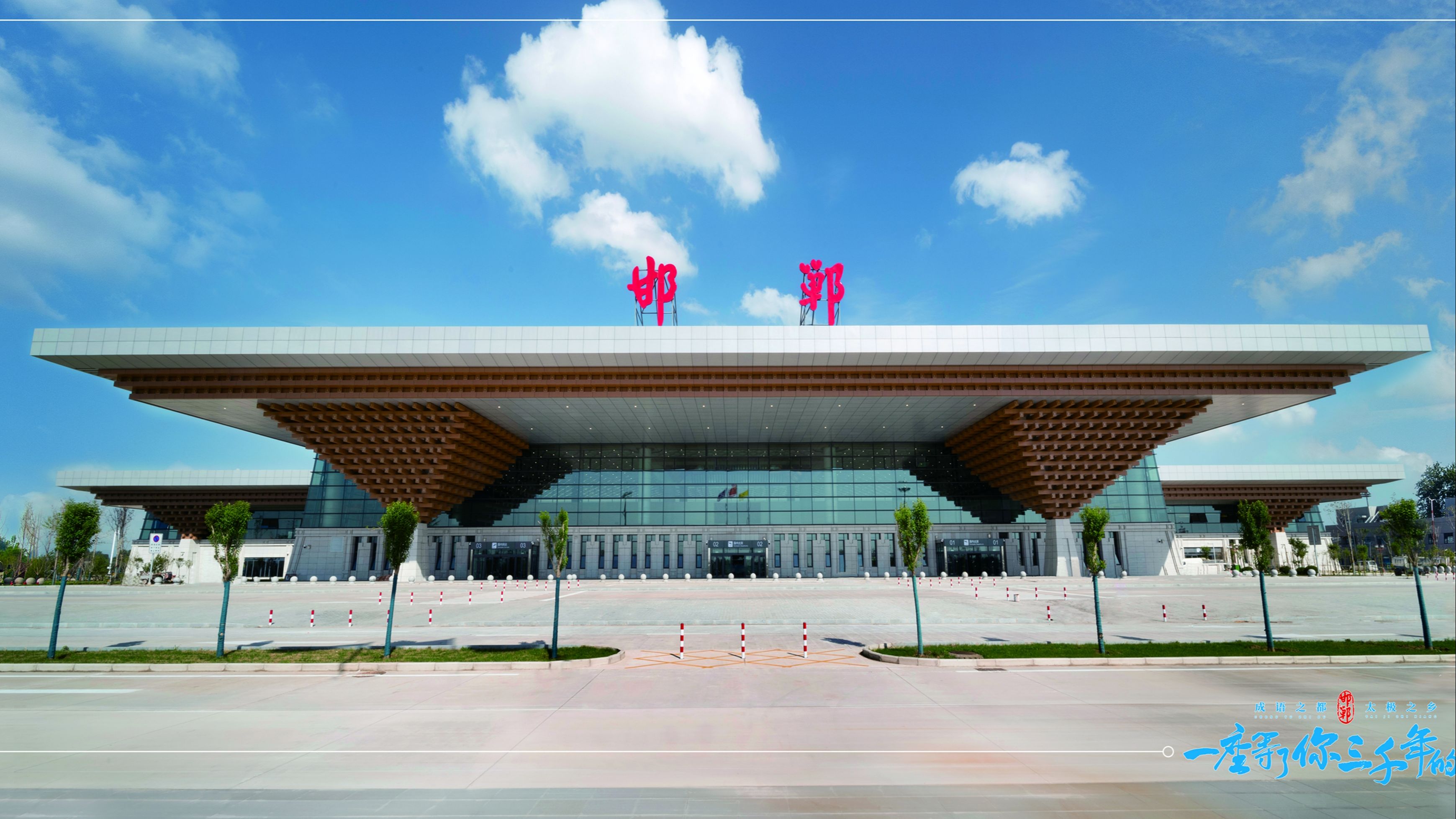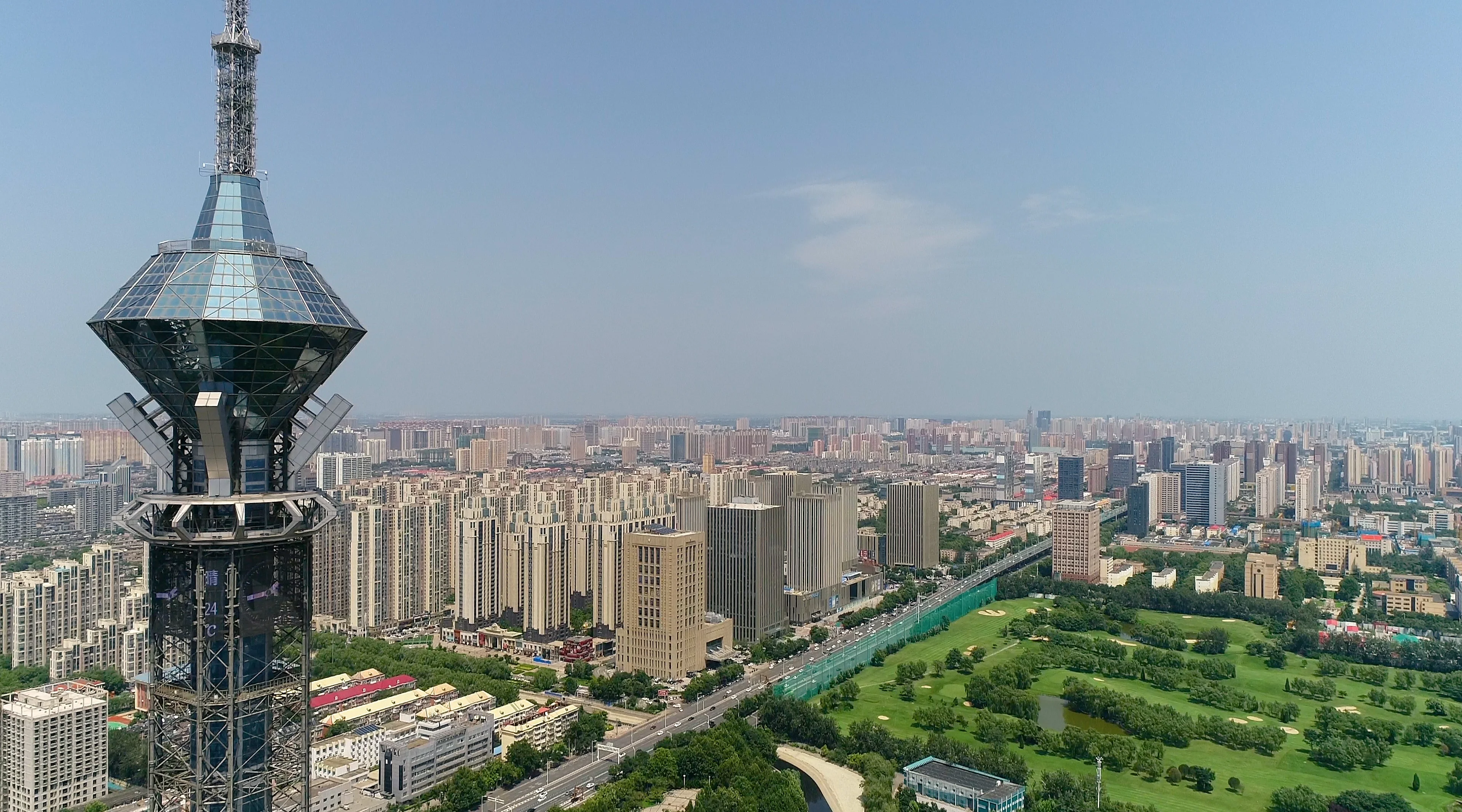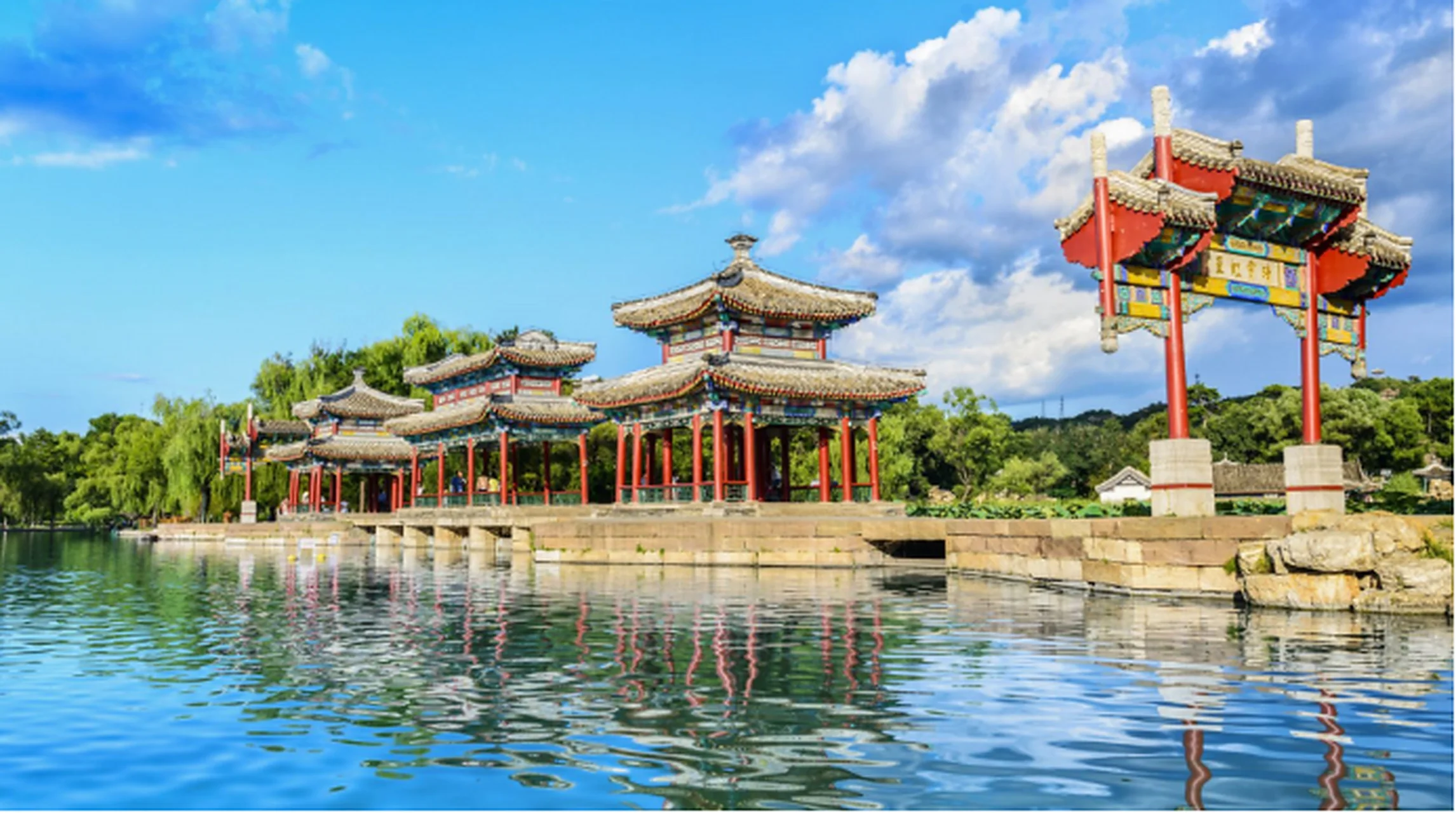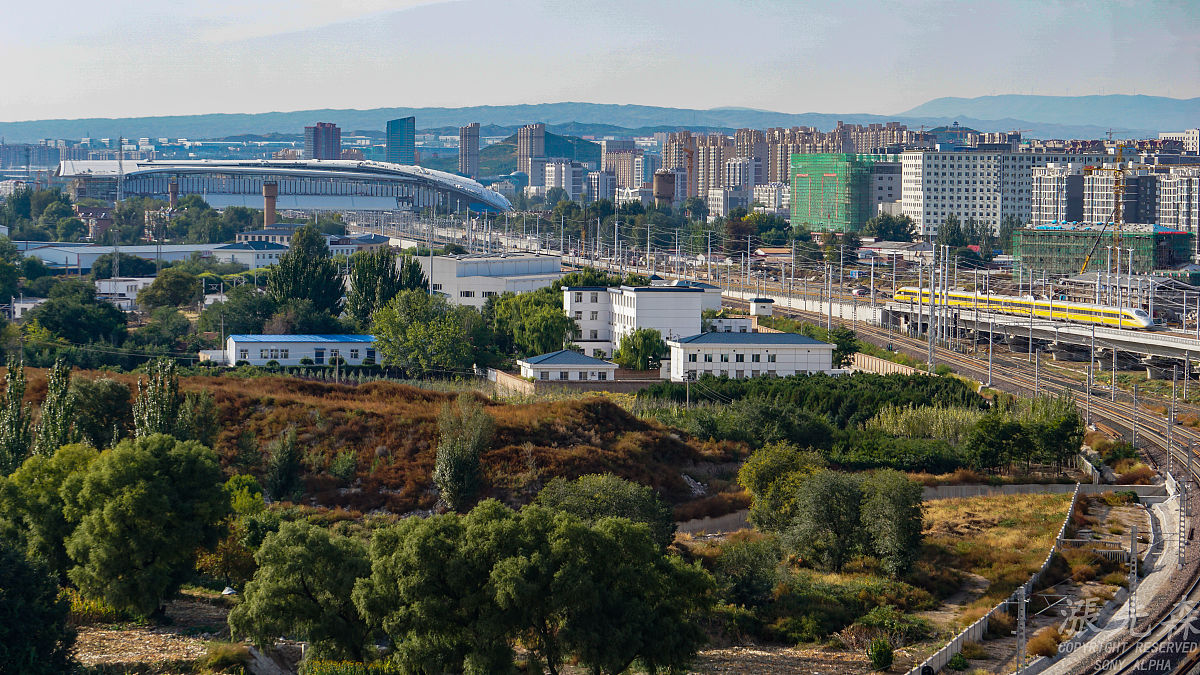
Xingtai city skyline and landmarks (邢台) - Travel China Guide

Xingtai Travel Guide

An ancient city with 3,500 years of history, known as the "Hometown of Guo Shoujing" and the cradle of Chinese astronomical calendars.

About

Xingtai, with over 3,500 years of recorded history, is one of the oldest continuously inhabited cities in northern China. Located in the southern part of Hebei Province at the eastern foot of the Taihang Mountains, it has served as a strategic transportation hub and cultural center since ancient times.

The city is best known as the hometown of Guo Shoujing (1231-1316), the great Yuan Dynasty astronomer and engineer who created the most advanced astronomical instruments of his era and formulated the "Season-Granting Calendar" that was the most accurate calendar of its time.

Xingtai's natural landscapes are defined by the Taihang Mountain range to the west. The Xingtai Grand Canyon offers breathtaking red sandstone cliffs, while Kongshan Baiyun Cave reveals a spectacular underground world. Tianhe Mountain, with its romantic legend of the Cowherd and Weaver Girl, attracts couples from across the country.

The city's culinary scene features hearty northern Chinese fare including the signature Menbing (simmered shredded pancakes), crispy potstickers, and whole roasted lamb that showcases the region's pastoral traditions.

History & Development

Xingtai has a history stretching back over 3,500 years to the Shang Dynasty. During the Zhou Dynasty, it was the capital of the Xing State, from which the city derives its name. It was one of the earliest cities in the Central Plains region.

During the Yuan Dynasty, Xingtai produced Guo Shoujing, one of China's greatest astronomers. His calendar reform and hydro-engineering projects were national achievements. The Ming and Qing Dynasties saw Xingtai develop as a regional commercial center.

In the modern era, Xingtai developed from a traditional agricultural city into a diversified industrial base, while preserving its rich historical heritage and cultural traditions.

Economy & Industries

Xingtai's economy is transitioning from traditional heavy industry to a more diversified model. Key industries include equipment manufacturing, chemicals, building materials, and food processing. The city has several industrial parks attracting investment in new energy and advanced manufacturing.

Agriculture remains important, with Qinghe County famous for its premium hawthorn fruit and other specialty agricultural products. The service sector, particularly tourism centered on the Grand Canyon and cultural heritage sites, has been growing steadily in recent years.

The city is well-connected by rail and road, benefiting from its location on the Beijing-Guangzhou transportation corridor.

Top Attractions

🏔️ Nature

Xingtai Grand Canyon

A spectacular red sandstone canyon formed over hundreds of millions of years. Spanning 18 kilometers with towering cliffs, cascading waterfalls, and precipitous plank roads carved into the rock face. The canyon features unique geological formations including the "Heavenly Ladder" and "Dragon Gate Waterfall."

★★★★ 4.6
🕐 08:00-17:00
🎫 50 yuan
🏔️ Nature

Kongshan Baiyun Cave

One of the largest karst caves in northern China, spanning multiple caverns filled with spectacular stalactites, stalagmites, and underground rivers. The cave system is divided into five main halls, each with unique geological formations illuminated by colored lights.

★★★★ 4.5
🕐 08:00-17:30
🎫 80 yuan
⛩️ Temple

Bian Que Temple

An ancient temple complex dedicated to Bian Que (407-310 BC), the legendary physician known as the "Father of Chinese Medicine." The temple features traditional architecture, medicinal herb gardens, and ancient steles recording Bian Que's medical achievements. Pilgrims visit to pray for health.

★★★★ 4.3
🕐 08:00-17:00
🎫 30 yuan
🏔️ Nature

Tianhe Mountain

Known as the "Love Mountain," Tianhe Mountain is believed to be the birthplace of the ancient Chinese legend of the Cowherd and Weaver Girl (Niulang Zhinu). The scenic area features lush forests, clear streams, bridges symbolizing the lovers' reunion, and the romantic "Magpie Bridge."

★★★★ 4.4
🕐 08:00-18:00
🎫 70 yuan
🌳 Park

Dahuiquan Park

The oldest and largest park in Xingtai, centered around a historic spring that has flowed for over 1,000 years. The park features the Guo Shoujing Memorial Hall dedicated to the famous Yuan Dynasty astronomer, along with pavilions, lakes, and traditional gardens.

★★★★ 4.2
🕐 06:00-21:00
🎫 Free
🏛️ Landmark

Xingtai Ancient City

With a history spanning over 3,500 years, the ancient city of Xingtai was one of the earliest cities in northern China. Remains include sections of the ancient city wall, the historic "Pigeon Well," and winding alleyways that preserve the Ming and Qing Dynasty urban layout.

★★★★ 4
🕐 All day
🎫 Free

Food & Culture

Discover the culinary treasures of Xingtai, from traditional street food to imperial cuisine.

Things to Do

🏔️

Hike the Grand Canyon

Explore the dramatic red sandstone canyons, cross suspension bridges, and feel the spray of waterfalls.

🏛️

Explore Kongshan Cave

Descend into the magnificent underground world of stalactites and underground rivers.

⛩️

Visit Bian Que Temple

Pay respects at the temple of the Father of Chinese Medicine and explore the herb gardens.

Romantic Walk at Tianhe Mountain

Walk the love-themed trails, cross the Magpie Bridge, and enjoy mountain views.

Learn at Guo Shoujing Hall

Discover the achievements of the great Yuan Dynasty astronomer and his astronomical instruments.

Suggested Itineraries

Xingtai One-Day Highlights

Cover the essential highlights of Xingtai in one day.

  • Morning: Xingtai Grand Canyon hike
  • Lunch: Local Xingtai Menbing
  • Afternoon: Dahuiquan Park and Guo Shoujing Hall
  • Evening: Explore ancient city streets

Xingtai Nature & Culture (2 Days)

In-depth exploration of Xingtai's natural wonders and cultural heritage.

  • Day 1: Xingtai Grand Canyon + Ancient City exploration
  • Day 2: Kongshan Baiyun Cave + Bian Que Temple
  • Try local roasted lamb and Neiqiu hanging noodles

Getting Around

✈️

Airport

Shijiazhuang Zhengding International Airport is about 120km away (1.5 hours by car). Handan Airport is about 60km away.

🚄

High-Speed Rail

Xingtai East Station on the Beijing-Guangzhou HSR line: Beijing 2 hours, Shijiazhuang 30 minutes.

🚌

Bus Network

Public buses connect main urban areas and attractions. Taxis and ride-hailing apps widely available.

🚕

Taxi & Rideshare

Available throughout the city

Best Time to Visit

🌸

Spring

Apr - May

★★★★☆

Mild temperatures, flowers blooming in the mountains. Perfect for canyon hiking.

  • Mild weather
  • Mountain flowers
  • Fewer tourists
☀️

Summer

Jun - Aug

★★★★☆

Warm with some rain. Waterfalls at the Grand Canyon are most spectacular.

  • Waterfall peak
  • Green mountains
  • Cave exploration
🍂

Autumn

Sep - Oct

★★★★★

Cool and comfortable with clear skies. Best season for all outdoor activities.

  • Best weather
  • Autumn foliage
  • Harvest season
❄️

Winter

Nov - Mar

★★☆☆☆

Cold and dry. Indoor attractions like museums and cave exploration are recommended.

  • No crowds
  • Indoor attractions
  • Hot pot season

Continue Exploring China

Discover more cities, food guides, and travel inspiration.