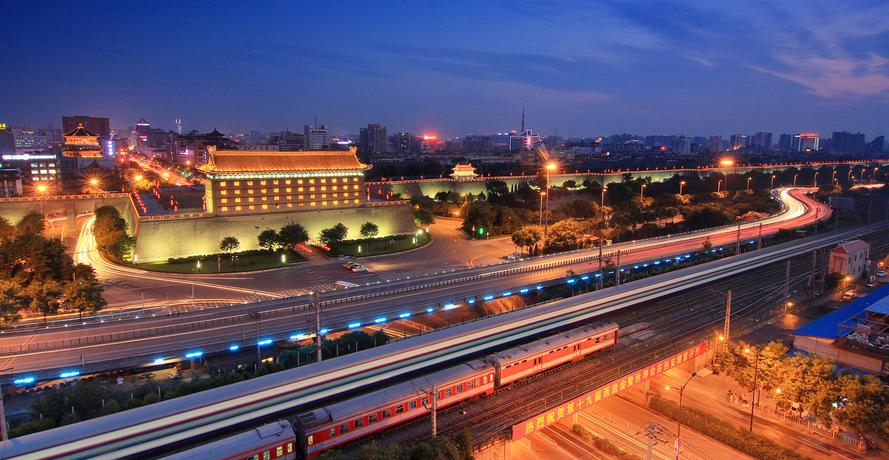
Yanan city skyline and landmarks (延安) - Travel China Guide

Yanan Travel Guide

A historic city known for its heritage sites, where a key base was established during the 1930s-40s, set in dramatic loess plateau landscape.

About

Yan'an occupies a unique place in modern Chinese history as a significant heritage site. From 1935 to 1948, this remote city in northern Shaanxi's loess plateau served as a key base where leaders lived in cave dwellings and developed their vision for the nation.

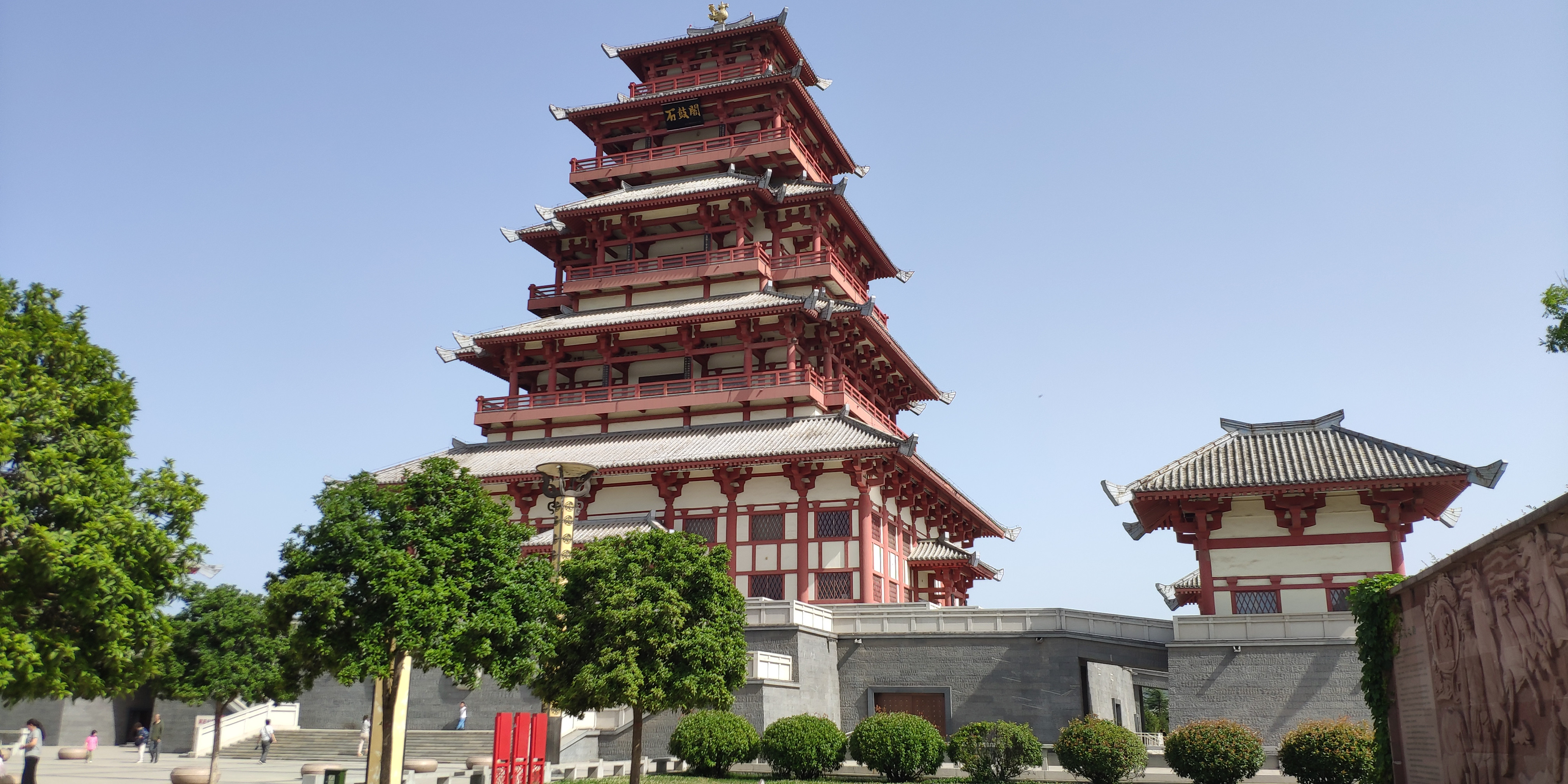
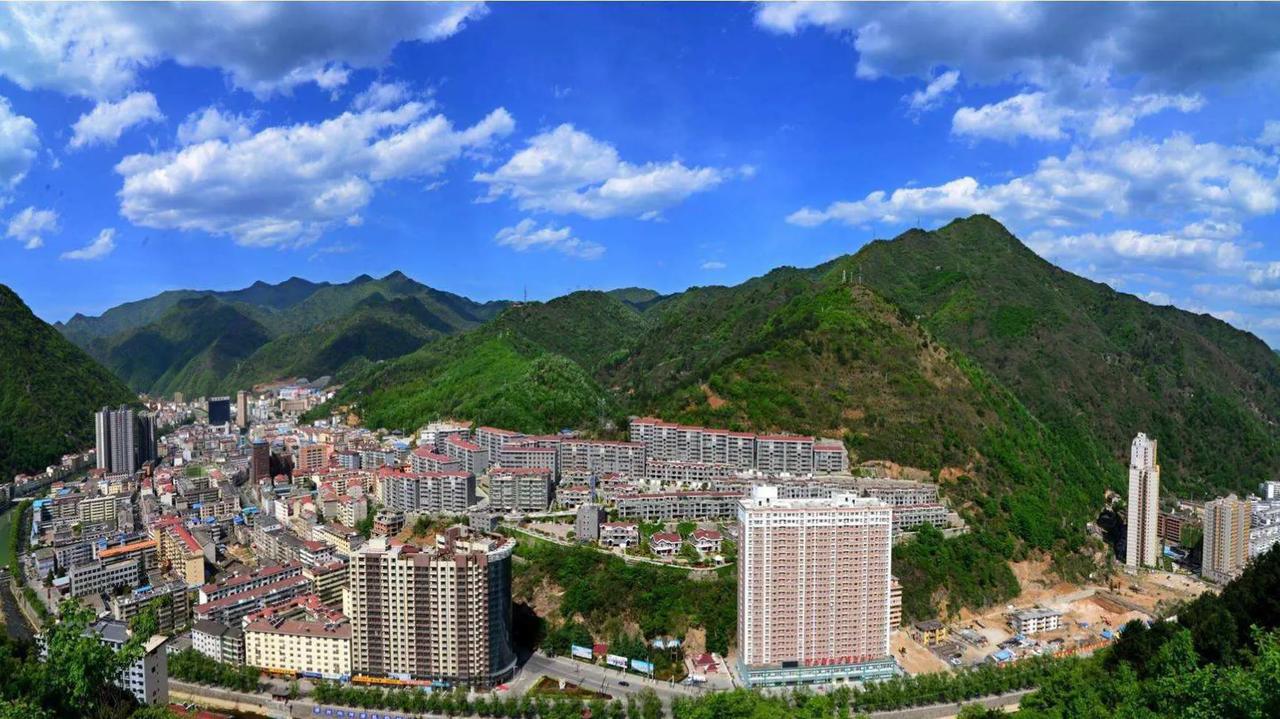
The city's defining landmark is Pagoda Hill, whose nine-story Tang Dynasty pagoda has become the universally recognized symbol of Yan'an's heritage. From its summit, visitors can gaze out over the modern city spread across the yellow earth landscape, with cave dwellings carved into the hillsides—a reminder of the conditions in which history was forged.

The heritage sites—Yangjialing, Zaoyuan, and the Yan'an Museum—offer a comprehensive window into this pivotal period. Visitors can walk through the cave dwellings where leaders lived and worked.

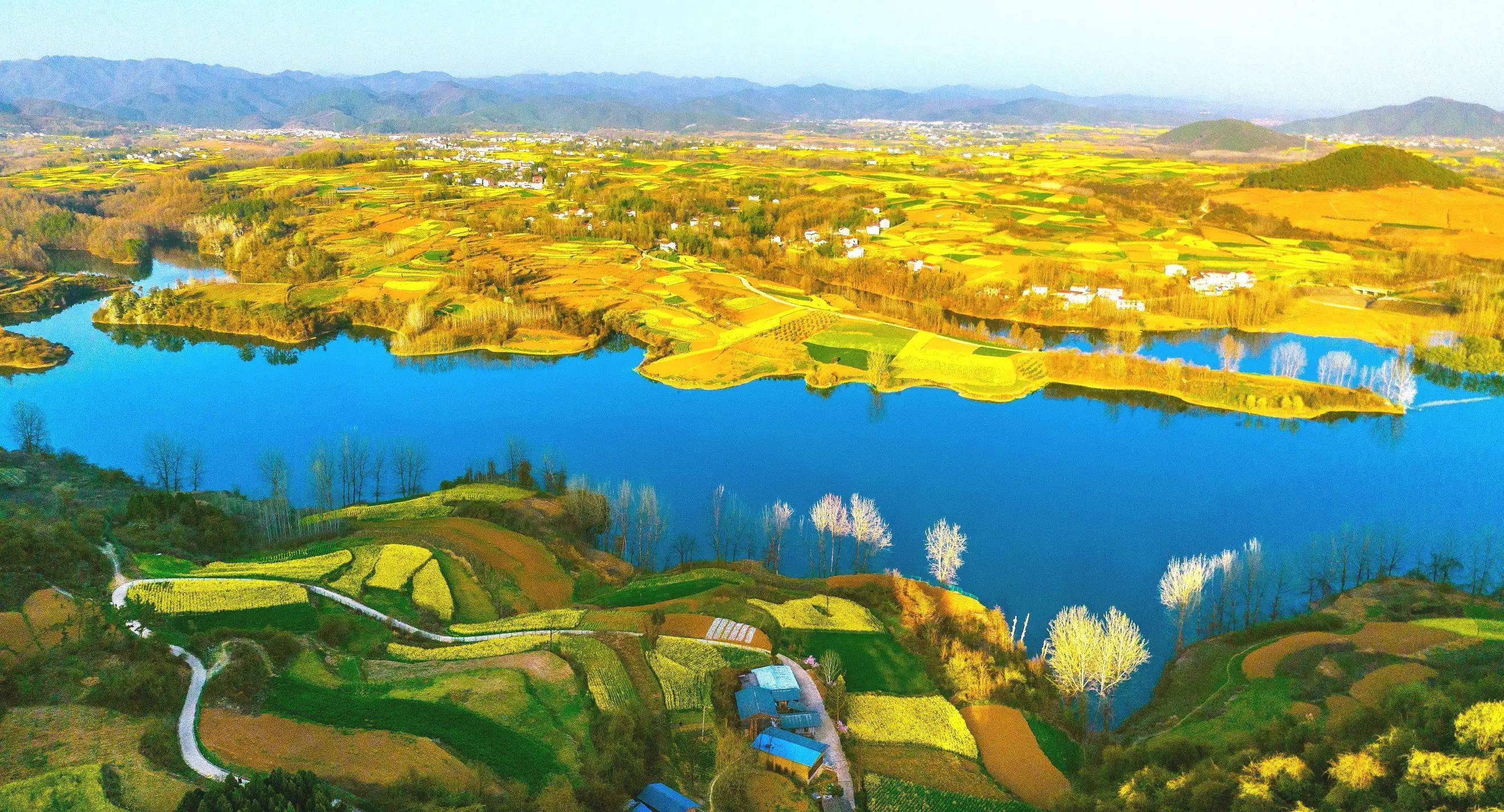
Beyond its historical significance, Yan'an offers remarkable natural and cultural attractions. The Huangdi Mausoleum, the legendary burial site of the Yellow Emperor, is one of China's most sacred cultural sites. The Hukou Waterfall on the Yellow River is a thunderous natural spectacle. The surrounding loess plateau, with its deeply eroded gullies and terraced fields, creates a dramatic landscape unlike anywhere else in China.

Modern Yan'an has transformed from a remote base into a thriving city, while carefully preserving its heritage. The local cuisine, featuring buckwheat noodles, potato dishes, and apples from the region's orchards, reflects the hardy, resourceful character of northern Shaanxi cooking.

History & Development

Yan'an's recorded history stretches back millennia. The area was part of the territory of the Zhou Dynasty and later a frontier region during imperial times. The Huangdi Mausoleum, located in Huangling County within Yan'an's administrative area, has been a site of pilgrimage for thousands of years.

However, Yan'an's most consequential chapter began in 1935. After an arduous strategic relocation across China's interior, the leadership arrived in Yan'an in October 1935, establishing it as their base. The remote location, surrounded by the loess plateau's rugged terrain, offered natural protection.

During the Yan'an period (1935-1948), significant political, economic, and social initiatives were implemented. The "Yan'an Way" of self-reliance, embodied in the Nanniwan reclamation project, became a guiding principle for development.

From Yan'an, the leadership coordinated efforts across northern China. In 1947, Yan'an was temporarily evacuated as opposing forces approached, beginning a strategic relocation that would eventually lead to victory in 1949.

After 1949, Yan'an was honored as a site of national historical importance. The city became a center for heritage tourism, with millions visiting annually to study this chapter of history. The loess plateau ecological restoration projects have transformed the landscape, turning yellow earth into green slopes. Yan'an has developed its energy industry and agriculture while maintaining its heritage as the core of its identity.


Economy & Industries

Yan'an's economy is driven by three main sectors: energy, red tourism, and agriculture. The city sits on significant oil, coal, and natural gas reserves, making energy extraction a cornerstone of the local economy. The Yan'an Oil Field has been producing petroleum since the early 20th century.

Heritage tourism is Yan'an's most distinctive industry. Millions of domestic tourists visit annually, making historical heritage tourism a major economic driver. The city has invested heavily in tourism infrastructure—museums, memorials, transportation, hotels, and related services.

Agriculture remains important, particularly apple cultivation. Yan'an is one of Shaanxi's premier apple-producing regions, with the loess plateau's unique climate producing exceptionally sweet, high-quality fruit. Red dates, walnuts, and traditional medicinal herbs are also significant products.

The service sector has grown substantially, supported by tourism and the city's role as a regional administrative and educational center. Yan'an University is a major institution serving northern Shaanxi.

Yan'an's GDP is approximately 200 billion yuan. The city continues to balance energy development with ecological restoration and tourism growth.

Top Attractions

🏛️ Landmark

Pagoda Hill

The iconic symbol of Yan'an, featuring a 44-meter-tall Tang Dynasty pagoda that has become an enduring symbol of the city's heritage. The hilltop offers panoramic views over Yan'an city and the surrounding loess plateau landscape. The pagoda, built in 766 AD, is floodlit at night and visible from across the city.

★★★★ 4.6
🕐 7:30 AM-7:00 PM
🎫 60 yuan
🏛️ Landmark

Yangjialing

The former headquarters from 1938 to 1947, where key figures lived and wrote many important works. The site includes the central auditorium where the 7th National Congress was held, cave dwellings, and the former residences of historical leaders.

★★★★ 4.5
🕐 8:00 AM-6:00 PM
🎫 Free
🏛️ Landmark

Zaoyuan Revolutionary Site

A former garden estate that served as the headquarters from 1944 to 1947. Leaders lived and worked here in cave dwellings set among fruit trees and flower gardens. The site includes a small museum with photographs and personal effects from this historical period.

★★★★ 4.4
🕐 8:00 AM-6:00 PM
🎫 Free
🎭 Museum

Yan'an Museum

The largest and most comprehensive museum dedicated to the Yan'an period (1935-1948). The museum's extensive exhibits include documents, photographs, weapons, and personal items that chronicle this significant era. An essential visit for understanding modern Chinese history.

★★★★ 4.7
🕐 8:00 AM-6:00 PM (Closed Mondays)
🎫 Free
🏛️ Landmark

Huangdi Mausoleum

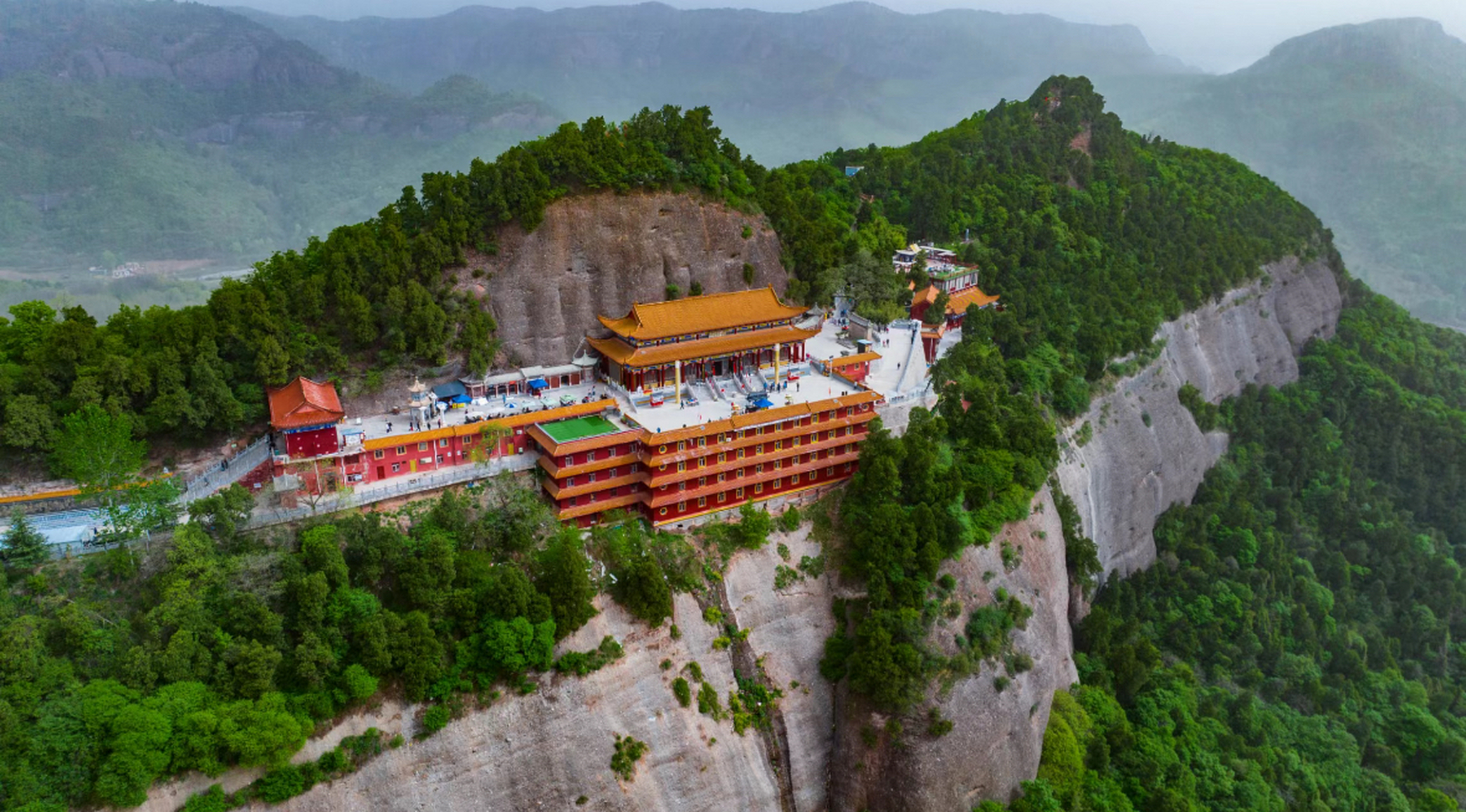
The legendary burial site of the Yellow Emperor (Huangdi), the mythical ancestor of the Chinese people. Located in a cypress forest on Qiaoshan Mountain, this sprawling complex includes temples, halls, and a stone stele pavilion. The mausoleum is the site of grand annual ceremonies and is one of the most important cultural heritage sites in China.

★★★★ 4.6
🕐 7:30 AM-6:30 PM
🎫 75 yuan
🏔️ Nature

Hukou Waterfall

The second-largest waterfall on the Yellow River, located on the border between Shaanxi and Shanxi. The Yellow River narrows dramatically at this point, creating a thunderous cascade that can be heard from kilometers away. In winter, the waterfall partially freezes into spectacular ice formations. One of China's most dramatic natural wonders.

★★★★ 4.8
🕐 6:30 AM-7:00 PM
🎫 100 yuan

Food & Culture

Discover the culinary treasures of Yanan, from traditional street food to imperial cuisine.

Things to Do

🏛️

Historical Heritage Tour

Visit the key historical sites: Yangjialing, Zaoyuan, and the Yan'an Museum.

Loess Plateau Views

Climb Pagoda Hill for panoramic views of Yan'an and the loess landscape.

Yellow River Wonder

Witness the power of Hukou Waterfall on the Yellow River.

Ancestral Pilgrimage

Pay respects at the Huangdi Mausoleum, tomb of the Yellow Emperor.

Suggested Itineraries

Historical Heritage Tour

Trace the footsteps of modern Chinese history.

  • Pagoda Hill
  • Yangjialing
  • Zaoyuan
  • Yan'an Museum

Natural Wonders

Explore Yan'an's dramatic natural landscapes and ancient heritage.

  • Hukou Waterfall
  • Huangdi Mausoleum
  • Loess plateau scenery

Getting Around

✈️

Airport

Yan'an Nanniwan Airport (ENY) - 13 km from city center

🚄

High-Speed Rail

High-speed rail to Xi'an (2.5 hours), Beijing (5 hours)

🚇

Metro

No metro

Best Time to Visit

Spring (April-May) and Autumn (September-October) offer the best weather for most destinations in China.

Continue Exploring China

Discover more cities, food guides, and travel inspiration.