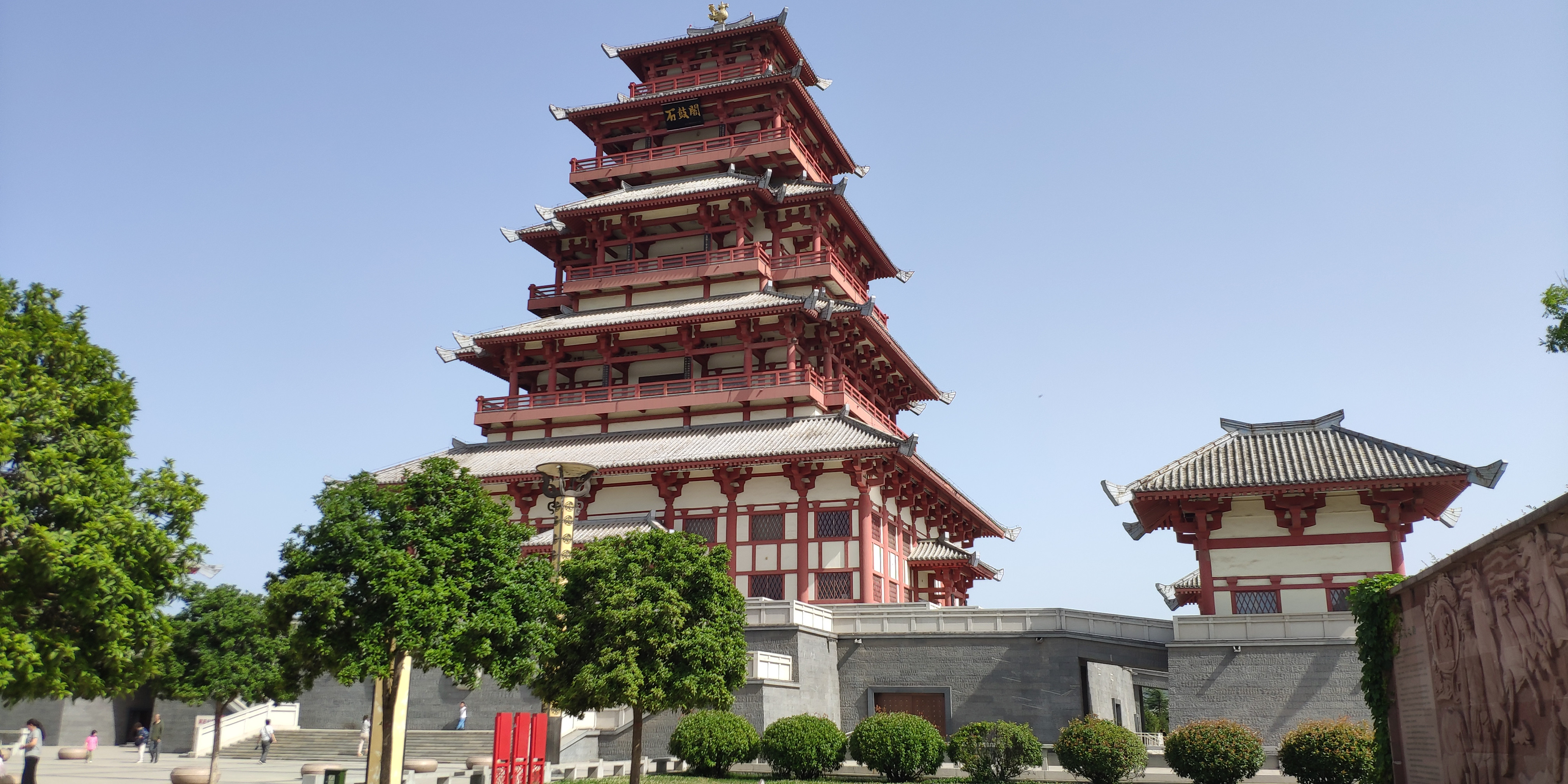
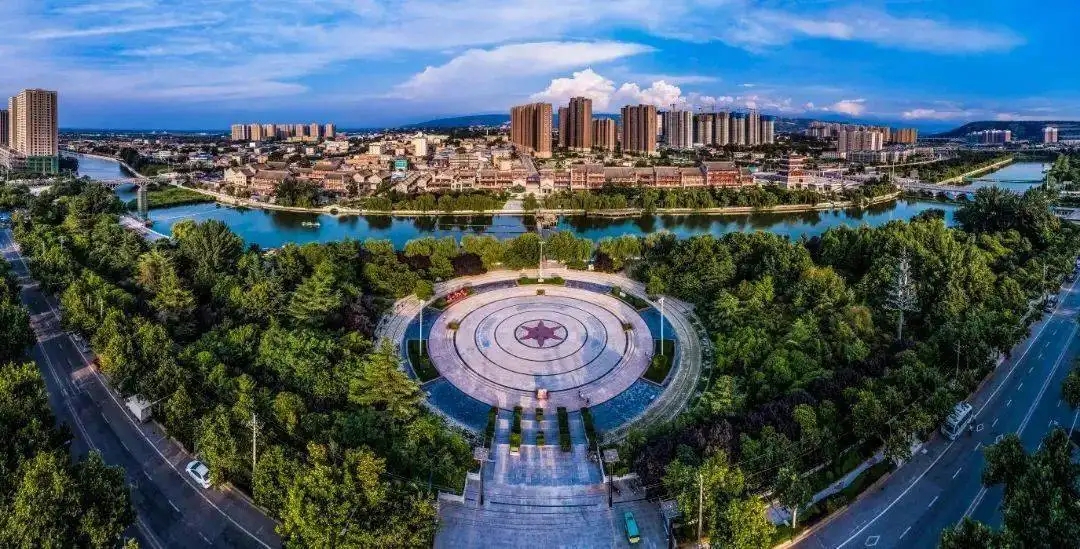
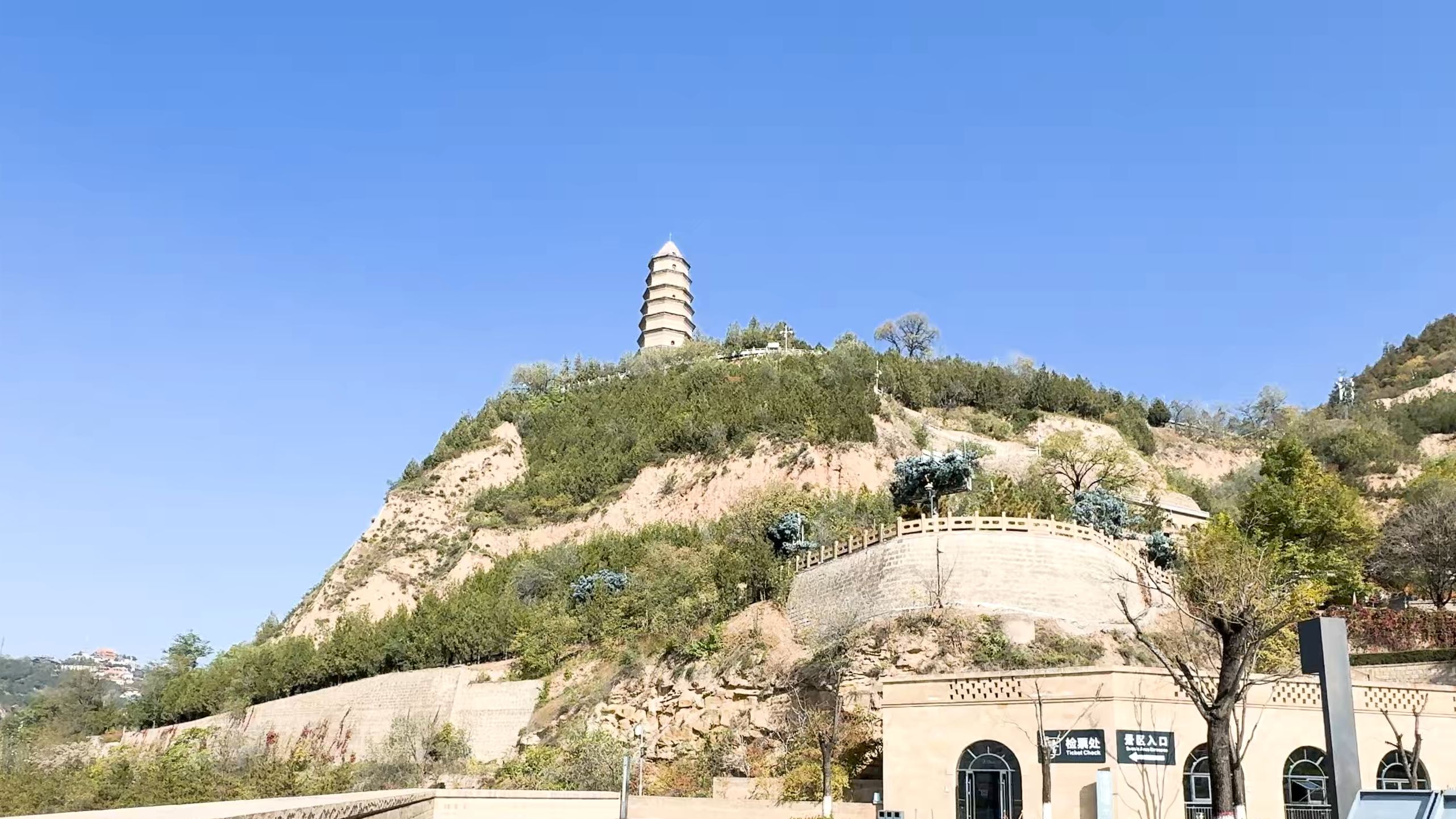
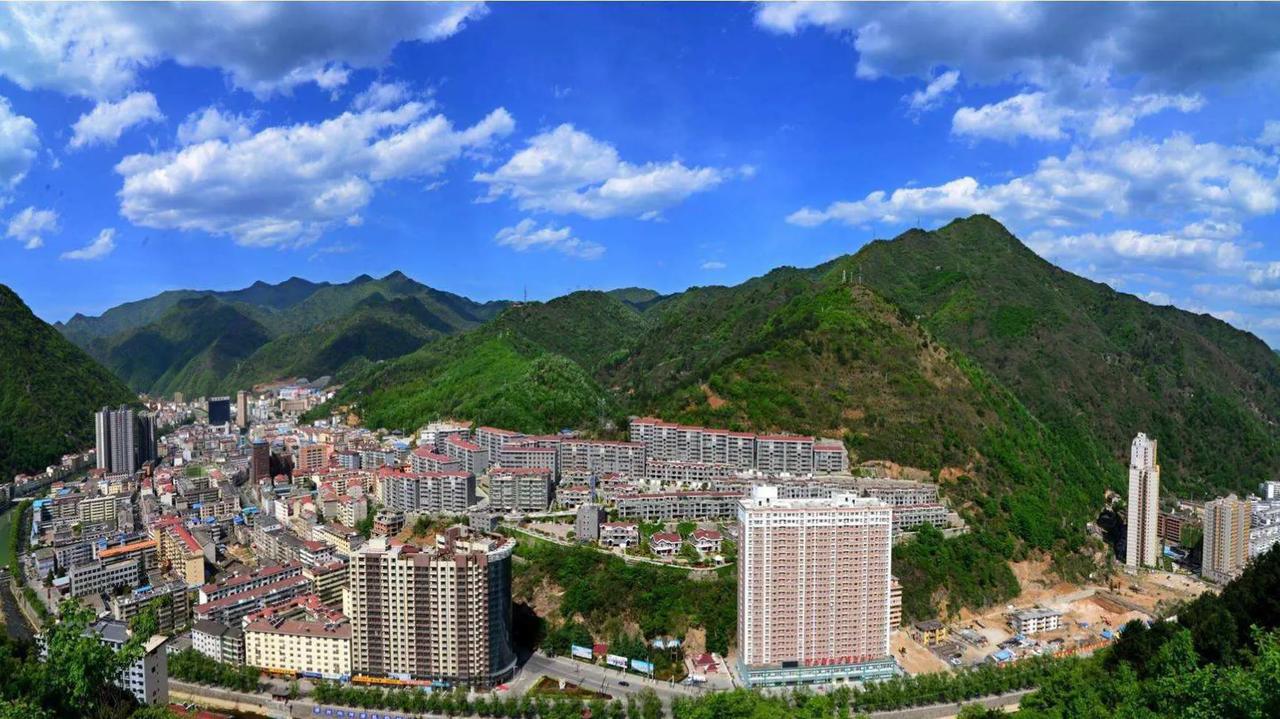
Ankang city skyline and landmarks (安康) - Travel China Guide

Ankang Travel Guide

A gateway city to the Qinling-Bashan Mountains, famous for Yinghu Lake, tea culture, and as the water source for China's South-to-North Water Diversion Project.

About

Ankang is a prefecture-level city in southern Shaanxi Province, nestled in the Qinling-Bashan Mountains where the Hanjiang River carves through deep valleys. The city's name, meaning "peaceful and healthy," reflects its reputation as a place of clean air, pure water, and longevity.

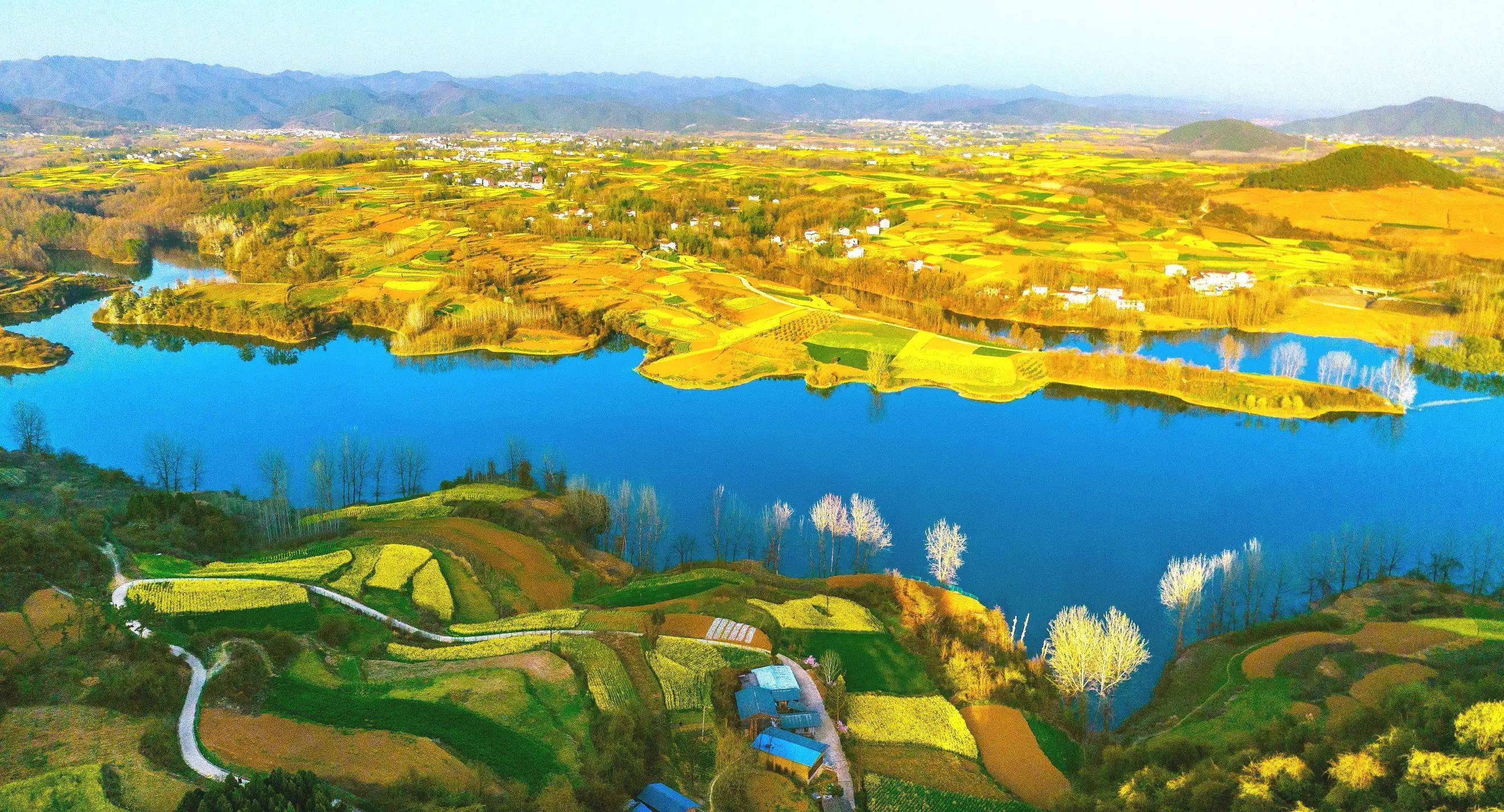
The city's crown jewel is Yinghu Lake, the largest artificial lake in Northwest China. Created by the Ankang Hydroelectric Dam, the lake spans 77 square kilometers with over 100 islands. Crystal-clear waters reflect surrounding green mountains, creating scenery reminiscent of a traditional Chinese painting.

Ankang is also a crucial water source for China. The Hanjiang River that flows through the city is the primary tributary of the Yangtze and provides water for the South-to-North Water Diversion Project. This designation has led to strict environmental protection, preserving pristine forests and waters.

Tea culture runs deep in Ankang. The region produces selenium-rich tea prized for its health benefits and smooth flavor. Tea plantations dot the surrounding hills, and traditional tea houses in the old city serve as community gathering spots.

The Qinling-Bashan Mountains surrounding Ankang are among China's most biodiverse regions, home to giant pandas, golden snub-nosed monkeys, and countless endemic plant species. This ecological wealth makes Ankang a gateway for nature lovers.

History & Development

Ankang's history stretches back over 2,000 years. During the Han Dynasty, the area was established as Xicheng County, an important post on the southern branch of the Silk Road connecting central China to the southwestern regions.

The city's strategic location at the intersection of Qinling and Bashan Mountains made it a military and commercial hub. During the Three Kingdoms period (220-280 AD), the area saw numerous battles as rival kingdoms vied for control of the strategic Han River corridor.

In the Tang Dynasty, Ankang became an important tea trading center. Tea caravans traveled from Sichuan through Ankang to reach the capital Chang'an (modern Xi'an). The tea culture established during this period continues today.

The city received its current name "Ankang" during the Western Jin Dynasty (265-316 AD), meaning "peaceful and healthy" — a wish that reflected the turbulent times.

During the Ming and Qing dynasties, Ankang flourished as a commercial center. Merchants from across China established guildhalls in the city, and the old city's architecture reflects this prosperous era.

The construction of the Ankang Hydroelectric Dam in the 1990s created Yinghu Lake, transforming the region's landscape and economy. Today, tourism and tea production drive local development alongside environmental protection efforts.

Economy & Industries

Ankang's economy is driven by agriculture, tea production, hydropower, and increasingly, eco-tourism. The city's designation as a water source protection area has shaped its development priorities.

Agriculture thrives in the river valleys and hillsides. Key products include tea (especially selenium-rich varieties), walnuts, traditional Chinese medicine herbs, and greenhouse vegetables. Ankang is one of China's major tea-producing regions, with over 60,000 hectares of tea plantations.

Hydropower is a major industry. The Ankang Hydroelectric Dam on the Hanjiang River generates significant electricity for the regional grid. Smaller dams and solar installations are being developed.

Tourism is growing rapidly, centered on Yinghu Lake, Nangong Mountain, and the Hanjiang River Gallery. The city promotes itself as a "green lung" and water source for northern China, attracting environmentally conscious travelers.

Manufacturing includes food processing, tea processing, and traditional medicine production. The city is developing its pharmaceutical industry based on locally grown medicinal herbs.

Transportation improvements, including highway connections to Xi'an and Chengdu, are opening Ankang to greater economic development while maintaining environmental standards.

Top Attractions

🏔️ Nature

Yinghu Lake Scenic Area

Yinghu Lake is the largest artificial lake in Northwest China, created by the Ankang Hydroelectric Dam on the Hanjiang River. The lake covers 77 square kilometers with over 100 islands and peninsulas, earning it the nickname "Thousand-Island Lake of the Northwest." The crystal-clear water reflects surrounding green mountains, creating breathtaking scenery. Visitors can take boat tours, visit temples on the islands, and enjoy fresh seafood. The area is particularly beautiful in spring when wildflowers bloom along the shores.

★★★★ 4.6
🕐 08:00-18:00
🎫 70 yuan (boat tour extra)
🏔️ Nature

Nangong Mountain

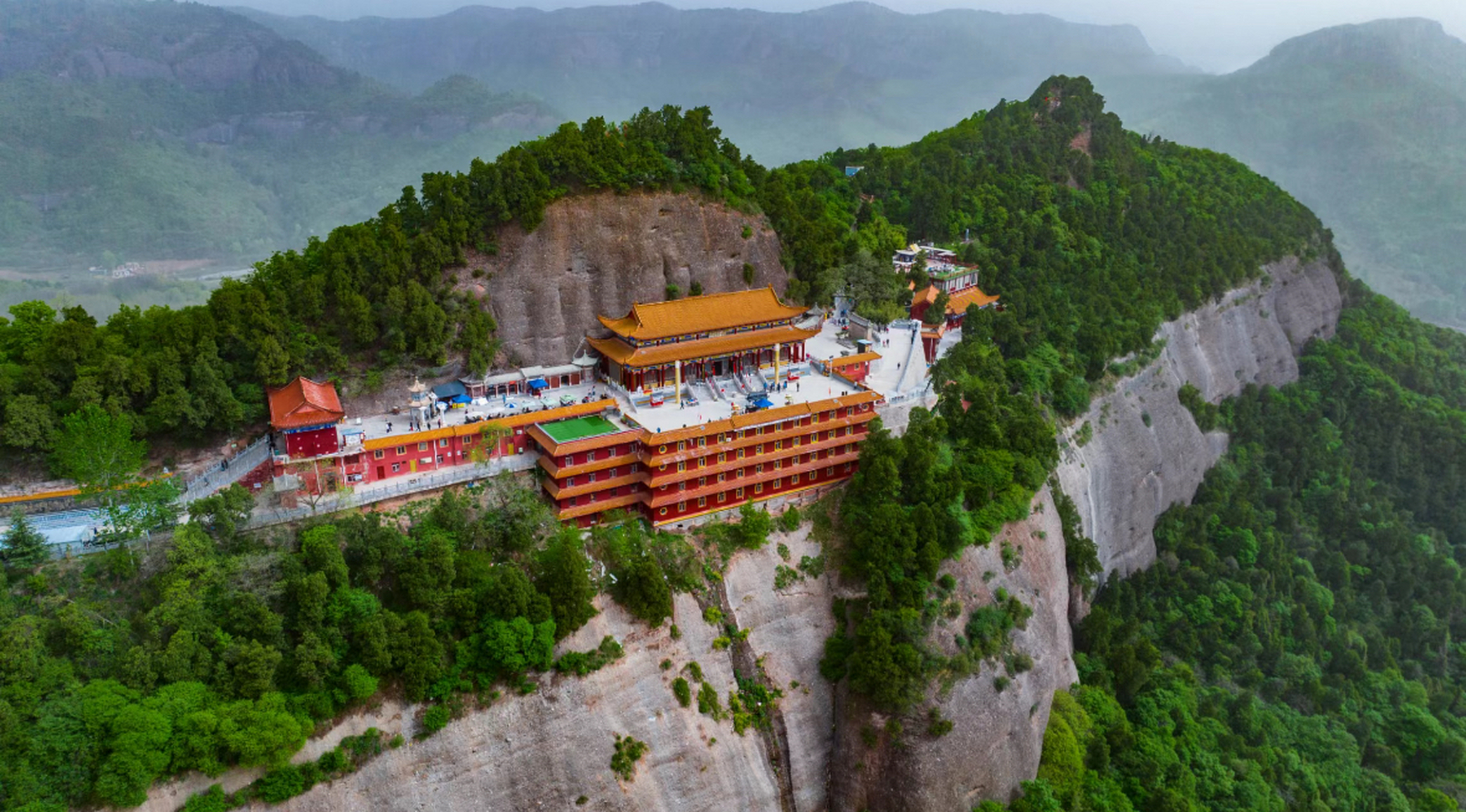
Nangong Mountain is a sacred Taoist site and national forest park known for its dramatic granite peaks, ancient temples, and diverse ecosystems. The mountain rises to 2,273 meters and features bizarre rock formations shaped by centuries of weathering. The Nangong Temple, built during the Tang Dynasty, sits precariously on a cliff edge. The area is home to rare plants and animals, including giant pandas and golden snub-nosed monkeys in the surrounding reserves. Autumn brings spectacular foliage colors.

★★★★ 4.5
🕐 08:00-17:30
🎫 100 yuan
🏛️ Landmark

Ankang Ancient City

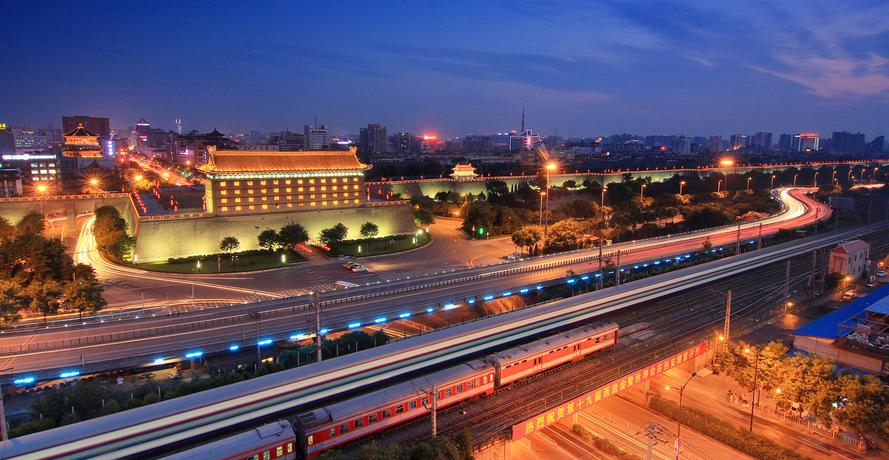
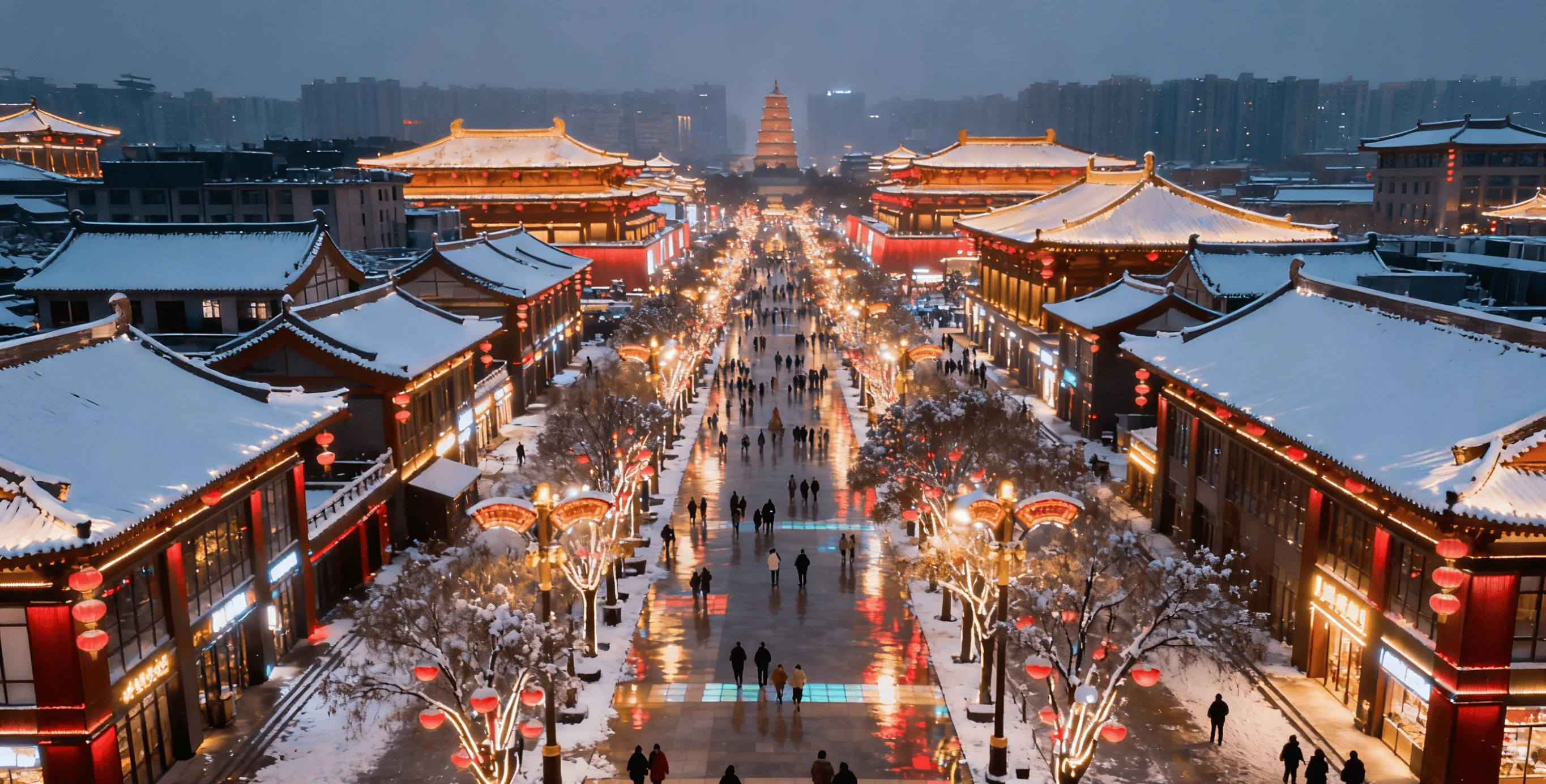
The old quarter of Ankang preserves traditional architecture from the Ming and Qing dynasties. Stone-paved streets wind past wooden shop fronts, tea houses, and family-run eateries. The city was an important post on the ancient Silk Road's southern route and retains echoes of its commercial past. The Hanjiang River flows past the old walls, and riverside promenades offer pleasant evening strolls. Local markets sell fresh produce, tea, and handicrafts.

★★★★ 4.2
🕐 Open all day
🎫 Free
🏔️ Nature

Hanjiang River Gallery

The Hanjiang River Gallery is a 50-kilometer scenic corridor along the Hanjiang River, featuring dramatic gorges, clear waters, and terraced fields. Boat tours take visitors through deep valleys flanked by steep cliffs. Traditional villages cling to the hillsides, and local fishermen use traditional methods passed down generations. The water quality is exceptionally pure — this is the source area for China's South-to-North Water Diversion Project.

★★★★ 4.4
🕐 08:30-17:00
🎫 80 yuan (boat tour)
🏔️ Nature

Yanxiang Cave

Yanxiang Cave is a spectacular karst cave system extending over 16 kilometers, though only about 2 kilometers are open to tourists. The cave features stunning stalactites, stalagmites, and underground streams. Dramatic lighting highlights the fantastical rock formations. The cave maintains a constant temperature of 18°C year-round, making it a cool retreat in summer. The surrounding area offers hiking trails through forested hills.

★★★★ 4.3
🕐 08:30-17:30
🎫 60 yuan
⛩️ Temple

Xiangxi Cave

Xiangxi Cave is a scenic area combining natural caves with Taoist temples. The cave is named after the fragrant herbs that grow in the surrounding valleys. Ancient temples and pavilions are built into the cliff faces, connected by narrow stone paths. The site has been a place of worship for over 1,000 years. Natural springs provide crystal-clear water, and the forested hills are alive with birdsong. It's a peaceful retreat from the city.

★★★★ 4.1
🕐 08:00-18:00
🎫 40 yuan

Food & Culture

Discover the culinary treasures of Ankang, from traditional street food to imperial cuisine.

Things to Do

Cruise Yinghu Lake

Take a boat tour of Northwest China's largest artificial lake, visiting islands and enjoying mountain scenery.

Hike Nangong Mountain

Trek through ancient forests to Taoist temples perched on dramatic granite peaks.

Tea Culture Experience

Visit tea plantations and learn about Ankang's selenium-rich tea production.

Hanjiang River Gallery

Boat through dramatic gorges on the pristine Hanjiang River.

🍴

Taste Local Delicacies

Sample steamed noodles, Hanjiang fish, and wild mountain vegetables.

Explore Ancient Ankang

Wander through old streets, tea houses, and riverside promenades.

Suggested Itineraries

Ankang Highlights (2 Days)

Experience Ankang's water and mountain scenery plus tea culture.

  • Day 1: Yinghu Lake boat tour + island temples + fresh fish lunch
  • Day 2: Nangong Mountain hike + ancient temples + tea plantation visit
  • Evening: Old city walk + local dinner

Hanjiang River Explorer (3 Days)

A comprehensive exploration of Ankang's natural wonders and cultural heritage.

  • Day 1: Yinghu Lake + Ankang Ancient City
  • Day 2: Hanjiang River Gallery boat tour + Yanxiang Cave
  • Day 3: Nangong Mountain + tea plantation + hot springs

Getting Around

✈️

Airport

Ankang Wulipu Airport (about 10km from city center) has flights to Xi'an, Beijing, and Shanghai.

🚄

High-Speed Rail

Ankang West Station on the Xi'an-Ankang railway connects to Xi'an in about 2 hours.

🚌

Bus Network

Buses connect the city center to Yinghu Lake and Nangong Mountain. Tourist shuttles available.

🚕

Taxi & Rideshare

Available throughout the city

Best Time to Visit

🌸

Spring

Apr - May

★★★★★

Mild and pleasant (15-25°C) with blooming flowers and fresh tea harvest. Ideal for hiking and lake activities.

  • New tea season
  • Wildflowers
  • Comfortable weather
☀️

Summer

Jun - Aug

★★★★☆

Warm and humid (22-32°C) with occasional rain. Good for water activities on Yinghu Lake and cave visits.

  • Lake activities
  • Cave exploring
  • Green landscapes
🍂

Autumn

Sep - Oct

★★★★★

Cool and clear (12-22°C) with spectacular fall foliage in the mountains. Best season overall.

  • Autumn colors
  • Clear weather
  • Best hiking
❄️

Winter

Nov - Mar

★★☆☆☆

Cold and damp (2-12°C) with occasional snow on peaks. Fewer tourists, peaceful atmosphere.

  • Snow scenery
  • Hot springs
  • Fewer crowds

Continue Exploring China

Discover more cities, food guides, and travel inspiration.