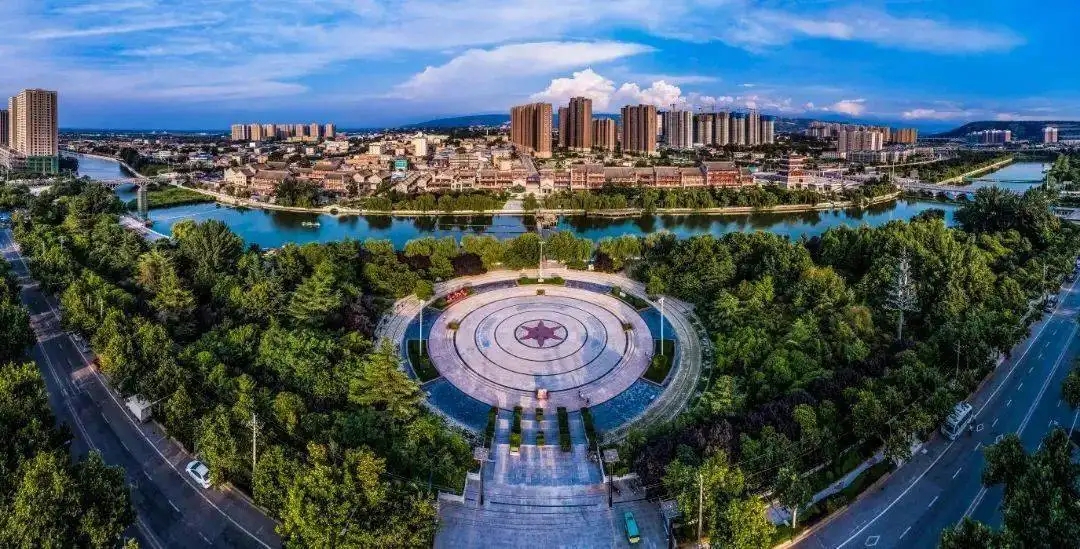
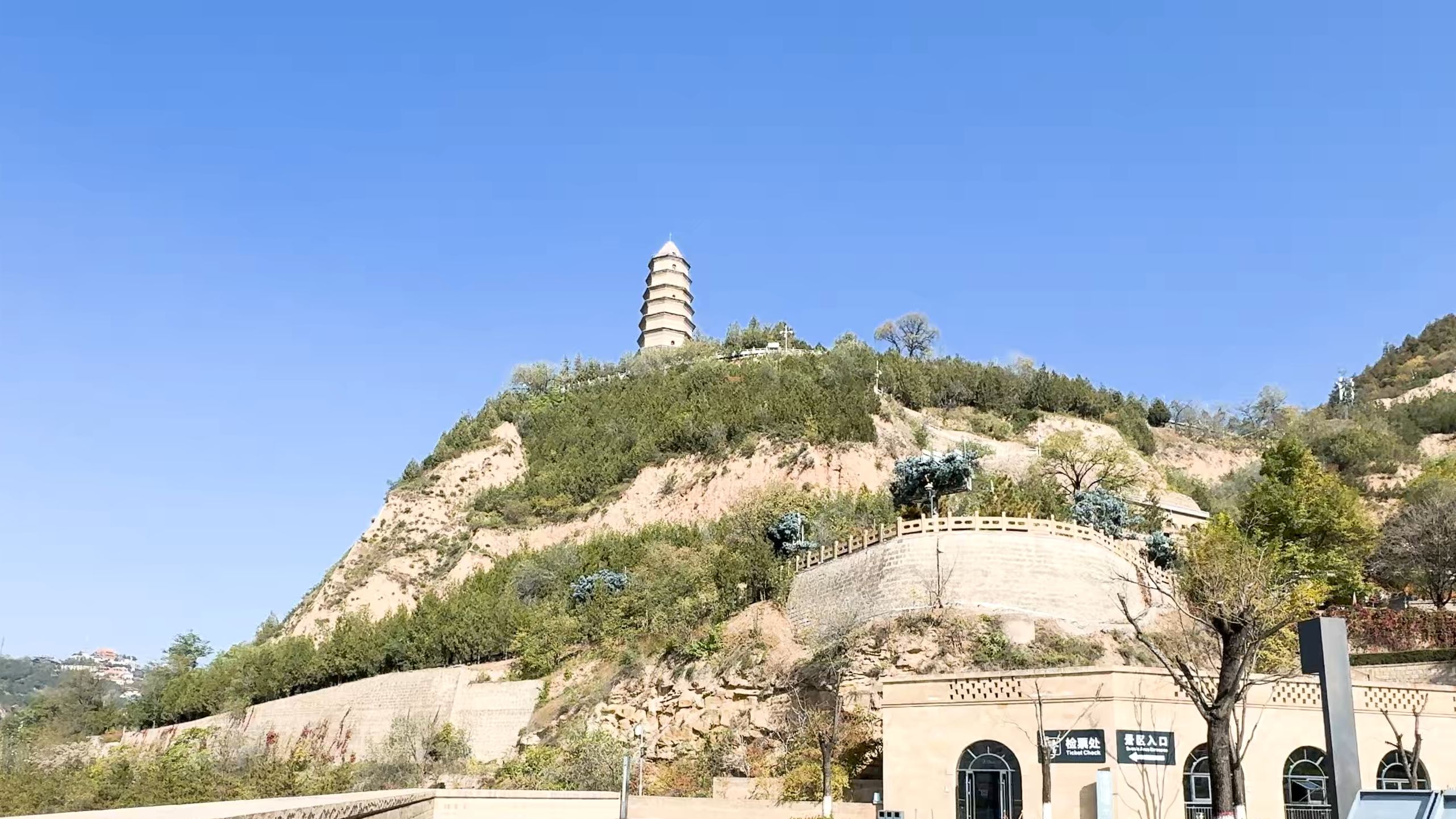
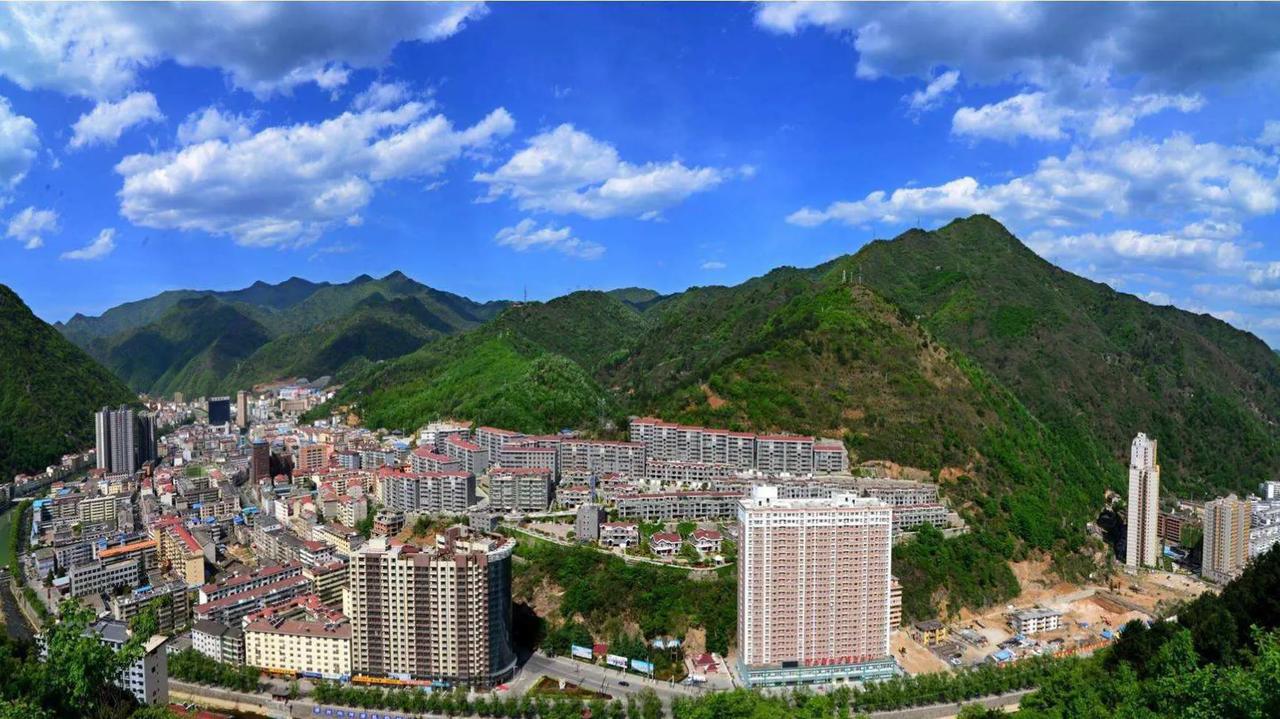
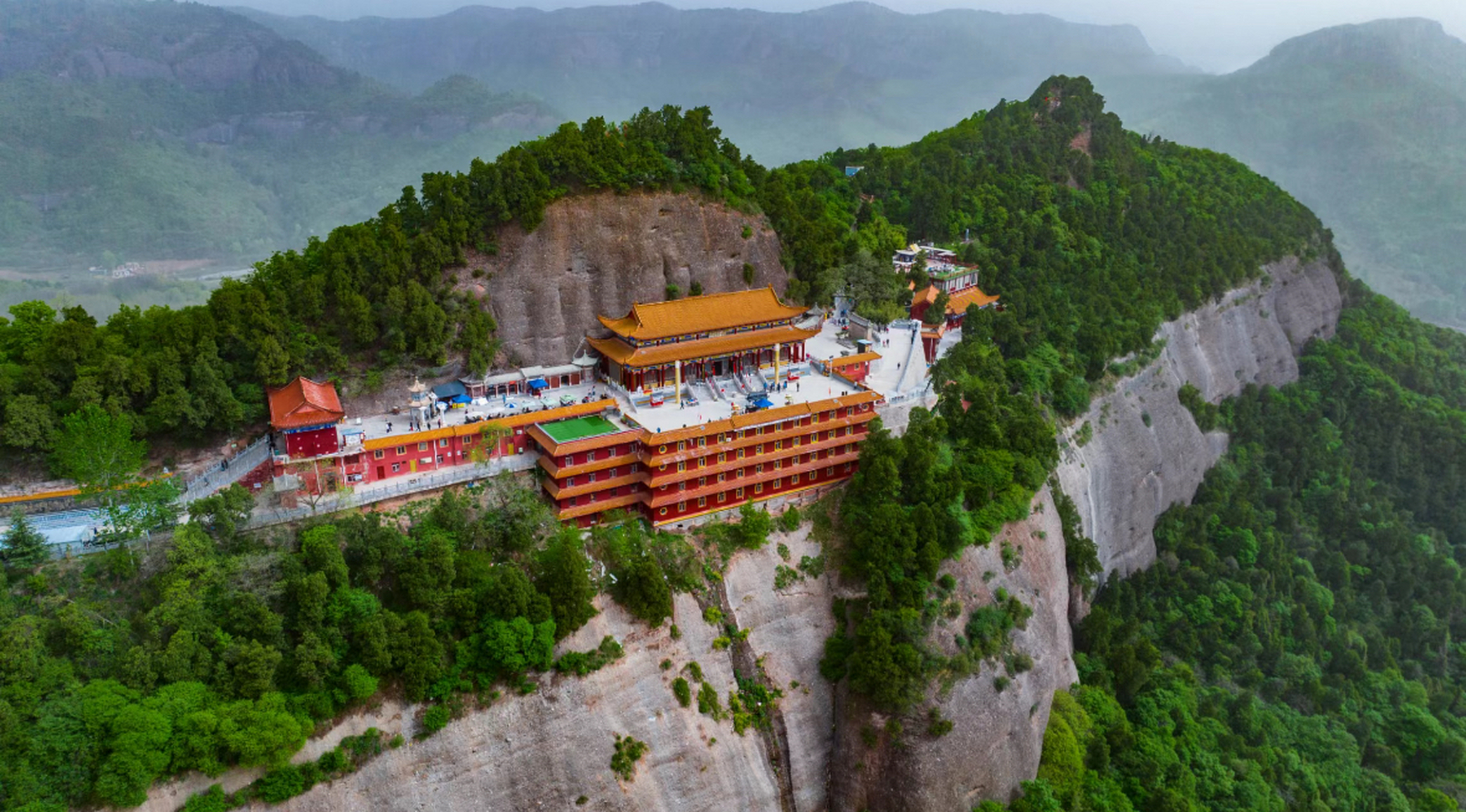
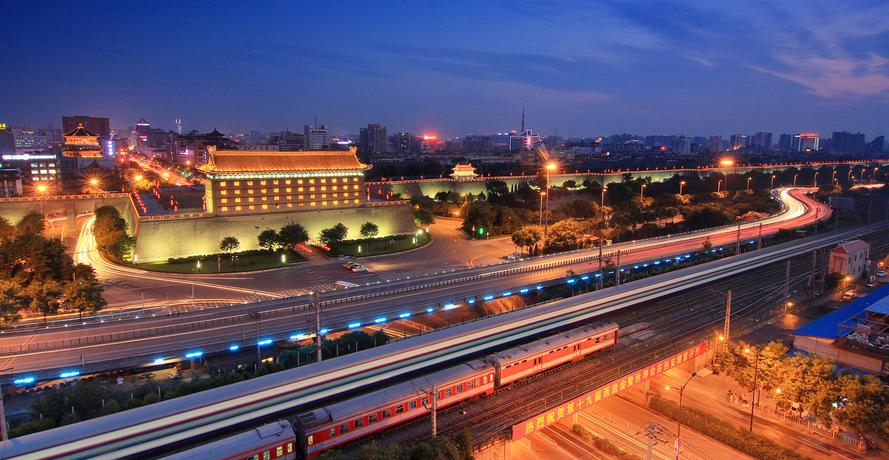
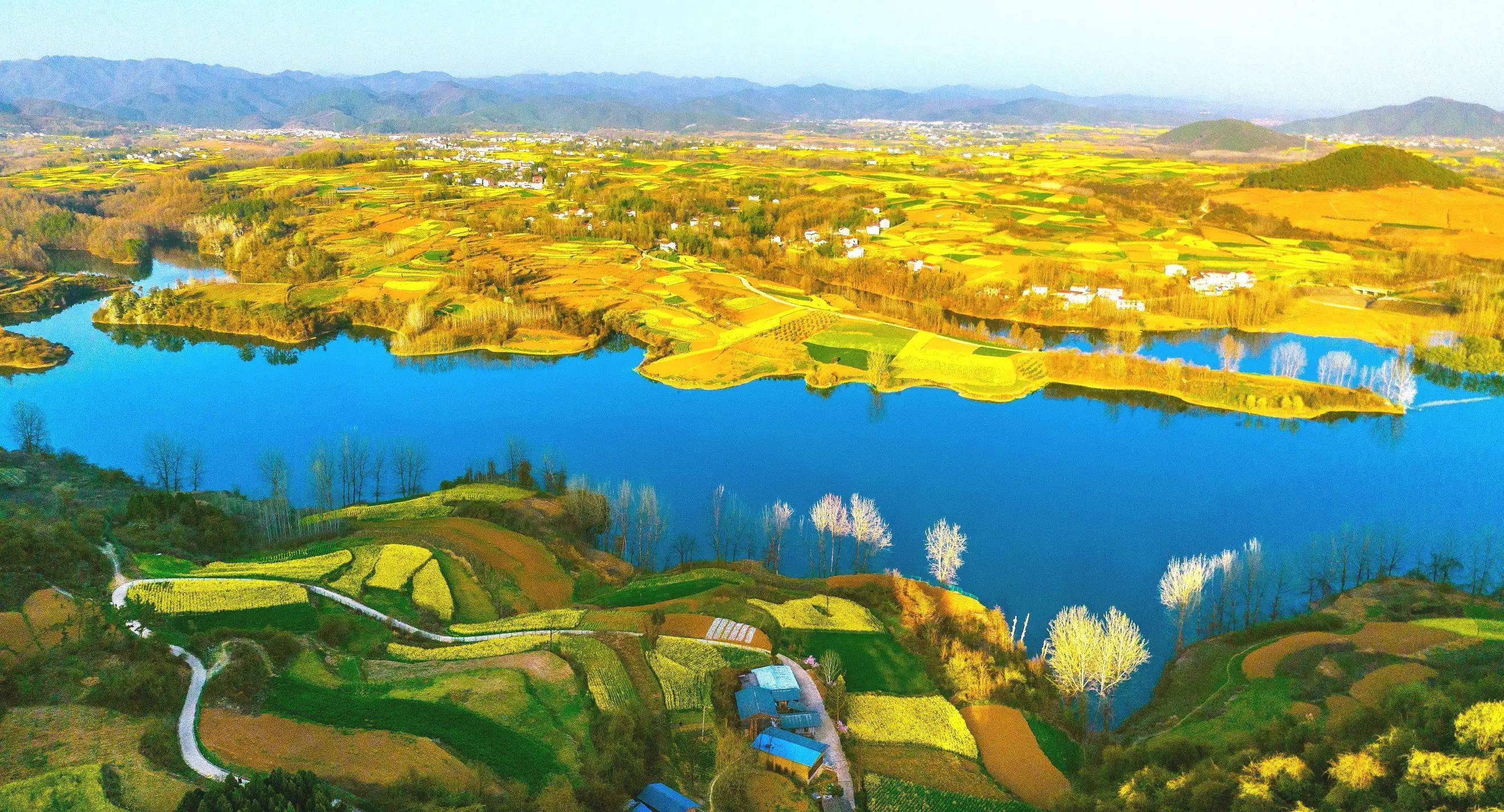
Baoji city skyline and landmarks (宝鸡) - Travel China Guide

Baoji Travel Guide

An ancient city in western Shaanxi, home to the Famen Temple with its famous underground palace and finger bone relic of the Buddha, and the birthplace of the Zhou civilization.

About

Baoji is a city where the foundations of Chinese civilization were laid. Located in the Wei River valley in western Shaanxi Province, this ancient city of 3.3 million people is cradled by the Qinling Mountains to the south and the Loess Plateau to the north—a geography that shaped its destiny as the birthplace of the Zhou Dynasty (1046-256 BC), the longest-lasting dynasty in Chinese history.

The Zhou Dynasty established its ancestral capital in the Baoji region, and from here, the concepts of the "Mandate of Heaven" and the "Son of Heaven" that would govern Chinese political philosophy for millennia were first articulated. The exquisite bronze vessels cast for Zhou rituals represent the pinnacle of ancient Chinese metallurgy. At the Baoji Bronze Ware Museum, visitors can see the He Zun, a magnificent bronze ritual vessel whose 122-character inscription contains the earliest known written reference to "Zhongguo"—China.

But Baoji's most famous treasure is at Famen Temple, one of Buddhism's holiest sites in China. In 1987, after over 1,100 years of secrecy, the temple's underground palace was opened, revealing the finger bone relic of Sakyamuni Buddha alongside thousands of exquisite Tang Dynasty golden and silver offerings. The discovery was one of the most significant archaeological finds of the 20th century, comparable to the Terracotta Army in its historical and religious importance.

For nature lovers, Taibai Mountain offers an alpine paradise. At 3,767 meters, it is the highest peak in eastern China (excluding the Himalayas). The mountain is sacred in Taoism, said to be the dwelling place of immortals. Its slopes are home to rare wildlife including the giant panda, golden monkey, and takin. The mountain's diverse ecosystems—from subtropical forests at its base to alpine tundra at its summit—make it a UNESCO-recognized biodiversity hotspot.

Modern Baoji is an important industrial city in western China, particularly known for its machinery, electronics, and food processing industries. Yet it wears its industrial role lightly—the surrounding countryside produces some of China's finest kiwi fruit and walnuts. The old Qishan-style noodle shops, making saozi noodles from recipes passed down over generations, ensure the city remains connected to its ancient roots.

👥
Population 3.3 million
📐
Area 18,116 km²
💬
Language Mandarin Chinese, Shaanxi dialect (similar to Xi'an). English spoken at major hotels.

History & Development

Baoji's history is the history of early Chinese civilization itself. The region was settled as early as the Neolithic period, as evidenced by sites dating back 8,000 years. The Zhou people migrated to the Baoji area around 1200 BC, establishing their base in the Wei River valley.

The Zhou Dynasty overthrew the Shang Dynasty in 1046 BC and established a feudal system that would influence Chinese governance for millennia. The Zhou ancestral capital was at Qishan (near Baoji), where the famous oracle bones and bronze vessels have been unearthed. The concept of the "Mandate of Heaven" was formulated here, asserting that rulers derived their authority from divine approval.

During the Qin Dynasty (221-206 BC), Baoji was part of the Qin heartland. The famous "Stone Drums of Qin," ten drum-shaped granite blocks inscribed with poems dating to the Warring States period, were discovered here. They are now one of China's most treasured national relics.

The Tang Dynasty (618-907 AD) was a golden age for Baoji. Famen Temple flourished as a royal Buddhist temple, and every 30 years, the Buddha's finger bone relic was displayed to the public. The Tang emperors made lavish offerings, many of which were preserved in the underground palace until their rediscovery in 1987.

During the Ming and Qing dynasties, Baoji remained an important regional center. The construction of the Longhai Railway in the 1930s revitalized the city's economy and connected it to the national railway network.

After 1949, Baoji developed into an industrial city, particularly strong in manufacturing and defense industries. The Third Front Movement of the 1960s and 1970s relocated factories from coastal areas to inland cities like Baoji, establishing a solid industrial base.

In recent decades, Baoji has diversified its economy, developing tourism around its cultural heritage sites and promoting agricultural specialties like kiwi fruit and walnuts. The discovery of the Famen Temple underground palace transformed the city's international profile, attracting pilgrims and tourists from around the world.

Economy & Industries

Baoji has developed into a significant industrial city in western China, with a diverse economic base spanning manufacturing, agriculture, and tourism.

Manufacturing is the backbone of Baoji's economy. The city has a strong tradition in machinery manufacturing, dating back to the Third Front Movement era. Major industries include equipment manufacturing, automotive parts, electronics, and non-ferrous metal processing. The Baoji High-Tech Industrial Development Zone hosts numerous enterprises specializing in precision manufacturing and new materials.

Baoji is particularly known as China's "Titanium Valley"—it is the country's largest production base for titanium and titanium alloys, accounting for over 60% of domestic production. The titanium industry serves aerospace, medical, chemical, and marine sectors, positioning Baoji strategically in China's high-end manufacturing supply chain.

Agriculture contributes significantly, with Baoji being one of China's most important production areas for kiwi fruit. Mei County kiwis are exported worldwide. The region also produces high-quality walnuts, apples, and grains. Traditional products like Xifeng Liquor and Qishan vinegar have developed into substantial industries.

Tourism has grown rapidly as a pillar of the economy. Famen Temple alone attracts millions of visitors annually, generating substantial revenue for hotels, restaurants, transportation, and retail services. Taibai Mountain is a major destination for domestic ecotourism. The Bronze Ware Museum and Zhouyuan Site draw cultural tourists and scholars.

The service sector continues expanding, with logistics, finance, and technology services benefiting from Baoji's position as a transportation hub on the Longhai Railway corridor connecting eastern and western China.

Baoji's GDP reached approximately 270 billion yuan. The city continues to invest in high-tech manufacturing, tourism infrastructure, and sustainable agricultural development.

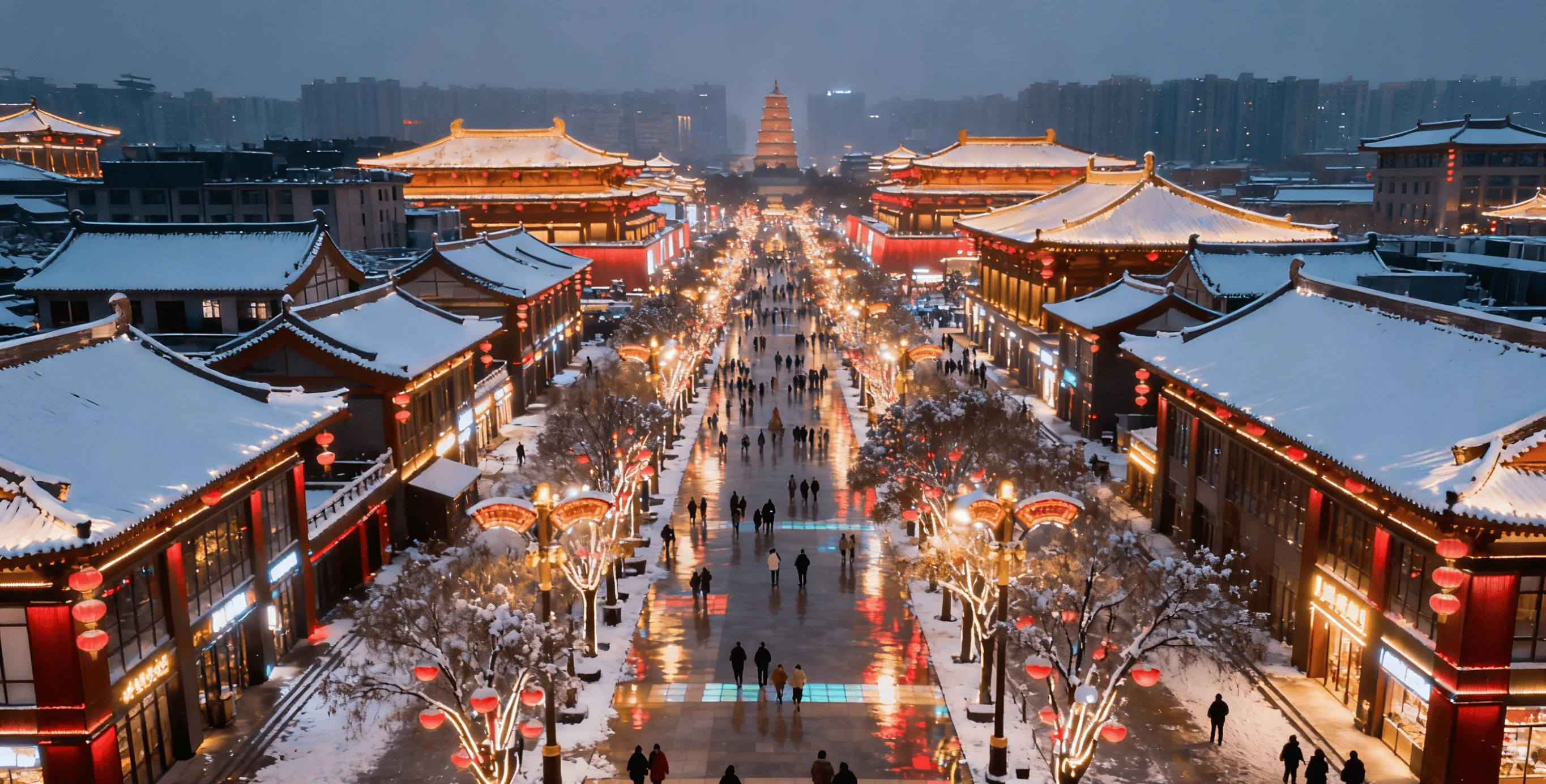
Top Attractions

⛩️ Temple

Famen Temple

One of China's most revered Buddhist temples, renowned for its underground palace discovered in 1987 containing the finger bone relic of Sakyamuni Buddha. The temple complex includes the magnificent Tang Dynasty-style relic pagoda and a modern museum displaying thousands of Tang Dynasty royal offerings—gold and silver vessels, glassware, porcelain, and silk.

★★★★ 4.8
🕐 8:00 AM-6:00 PM
🎫 100 yuan
🎭 Museum

Baoji Bronze Ware Museum

China's largest museum dedicated to ancient bronze artifacts, housing over 120,000 pieces. The star exhibit is the He Zun, a 3,000-year-old bronze vessel bearing the earliest known written reference to "China" (Zhongguo). The museum offers a comprehensive journey through the Bronze Age civilization of the Zhou Dynasty.

★★★★ 4.7
🕐 9:00 AM-5:00 PM (Closed Mondays)
🎫 Free
🏔️ Nature

Taibai Mountain

The highest peak in eastern China at 3,767 meters, part of the Qinling mountain range. Known for its breathtaking alpine scenery, ancient glacial relics, hot springs, and diverse ecosystems. The mountain is sacred in Taoism and offers hiking trails through forests, waterfalls, and above the treeline to snow-capped peaks.

★★★★ 4.6
🕐 8:00 AM-6:00 PM
🎫 90 yuan
🏛️ Landmark

Zhouyuan Site

The archaeological site of the Zhou Dynasty's ancestral capital, covering 33 square kilometers. Extensive excavations have revealed palace foundations, bronze casting workshops, and thousands of oracle bones and bronze vessels. It is considered the birthplace of Zhou civilization, which laid the foundation for Chinese culture.

★★★★ 4.5
🕐 8:30 AM-5:30 PM
🎫 30 yuan
⛩️ Temple

Jintai Temple

An ancient Buddhist temple complex built into a hillside within the city, featuring traditional architecture, ancient cypress trees, and panoramic views of Baoji. Originally built in the Tang Dynasty, it has been an important center of Buddhist learning for over 1,300 years.

★★★★ 4.2
🕐 8:00 AM-6:00 PM
🎫 20 yuan
🎭 Museum

Dawenkou Site

A major Neolithic archaeological site dating back 6,000-8,000 years, revealing one of the earliest settled agricultural communities in China. Excavations have uncovered well-preserved houses, pottery kilns, and the earliest known Chinese painted pottery.

★★★★ 4.3
🕐 8:30 AM-5:00 PM
🎫 25 yuan
🏔️ Nature

Shigu Mountain

A scenic mountain park in the southern part of Baoji, offering hiking trails with city views, a temple, and ancient stone drum inscriptions that gave the mountain its name. The mountain is associated with the famous "Stone Drums of Qin"—ten drum-shaped granite blocks inscribed with poetry from the Warring States period.

★★★★ 4
🕐 6:00 AM-8:00 PM
🎫 Free

Food & Culture

Discover the culinary treasures of Baoji, from traditional street food to imperial cuisine.

Things to Do

Buddhist Pilgrimage

Pay homage to the Buddha's finger bone relic at Famen Temple.

🏛️

Bronze Age Discovery

See the earliest "China" inscription at the Bronze Ware Museum.

Mountain Summit

Hike Taibai Mountain for alpine scenery and breathtaking views.

🍴

Food Tour

Sample Baoji noodles, saozi noodles, and local specialties.

Suggested Itineraries

Buddhist & Cultural Heritage

Explore Baoji's Buddhist treasures and Zhou Dynasty civilization.

  • Famen Temple
  • Bronze Ware Museum
  • Zhouyuan Site

Nature & Summit

Climb eastern China's highest peak and relax in hot springs.

  • Taibai Mountain
  • Hot springs
  • Mountain hiking

Getting Around

✈️

Airport

Baoji no longer has a commercial airport. Xi'an Xianyang International Airport (XIY) - 150 km, about 1.5 hours by high-speed rail

🚄

High-Speed Rail

High-speed rail to Xi'an (1 hour), Lanzhou (2.5 hours), Beijing (5 hours)

🚌

Bus Network

Extensive public bus network covering the city and suburbs

🚕

Taxi & Rideshare

Available throughout the city

Best Time to Visit

🌸

Spring

Mar - May

★★★★☆

Mild temperatures, blooming flowers. Ideal for temple visits and city sightseeing.

  • Mild weather
  • Blooming flowers
  • Fewer crowds
☀️

Summer

Jun - Aug

★★★☆☆

Hot in the city, but Taibai Mountain is cool and pleasant—perfect for hiking.

  • Taibai Mountain hiking
  • Mountain escape
  • Summer foliage
🍂

Autumn

Sep - Nov

★★★★★

Cool, crisp weather with clear skies. The best season for comprehensive sightseeing.

  • Perfect weather
  • Clear mountain views
  • Harvest season
❄️

Winter

Dec - Feb

★★★☆☆

Cold and dry. Fewer tourists but indoor attractions like temples and museums are enjoyable.

  • Fewer tourists
  • Winter sun
  • Hot pot season

🎉 Festivals & Events

April or May (lunar dates vary)
Famen Temple Buddhist Culture Festival

Religious ceremonies, cultural activities, and relic veneration at Famen Temple.

💡 Weather Tips

Baoji has a dry climate. Bring moisturizer and lip balm in winter. Summer sun is strong—bring sunscreen.

Travel Reminders

💡

Famen Temple Early Visit

Arrive at Famen Temple right when it opens to experience the solemn atmosphere before the crowds. The relic is displayed in the Hexiang Pavilion—check the display schedule in advance.

💡

Bronze Museum Must-Sees

At the Bronze Ware Museum, don't miss the He Zun with the earliest "China" inscription, and the massive Da Ke Ding bronze cauldron. Allow 2 hours.

💡

Noodle Crawl

Baoji is famous for its noodles. Try Ganmianpi (hand-rolled noodles) for a cold snack and Qishan Saozimian (saozi noodles) for a hearty meal. Best found in the old city area near Jintai Temple.

💡

Getting from Xi'an

Baoji is easily accessible from Xi'an by high-speed rail (1 hour). For Famen Temple, take a direct bus from Xi'an or Baoji city center.

Continue Exploring China

Discover more cities, food guides, and travel inspiration.