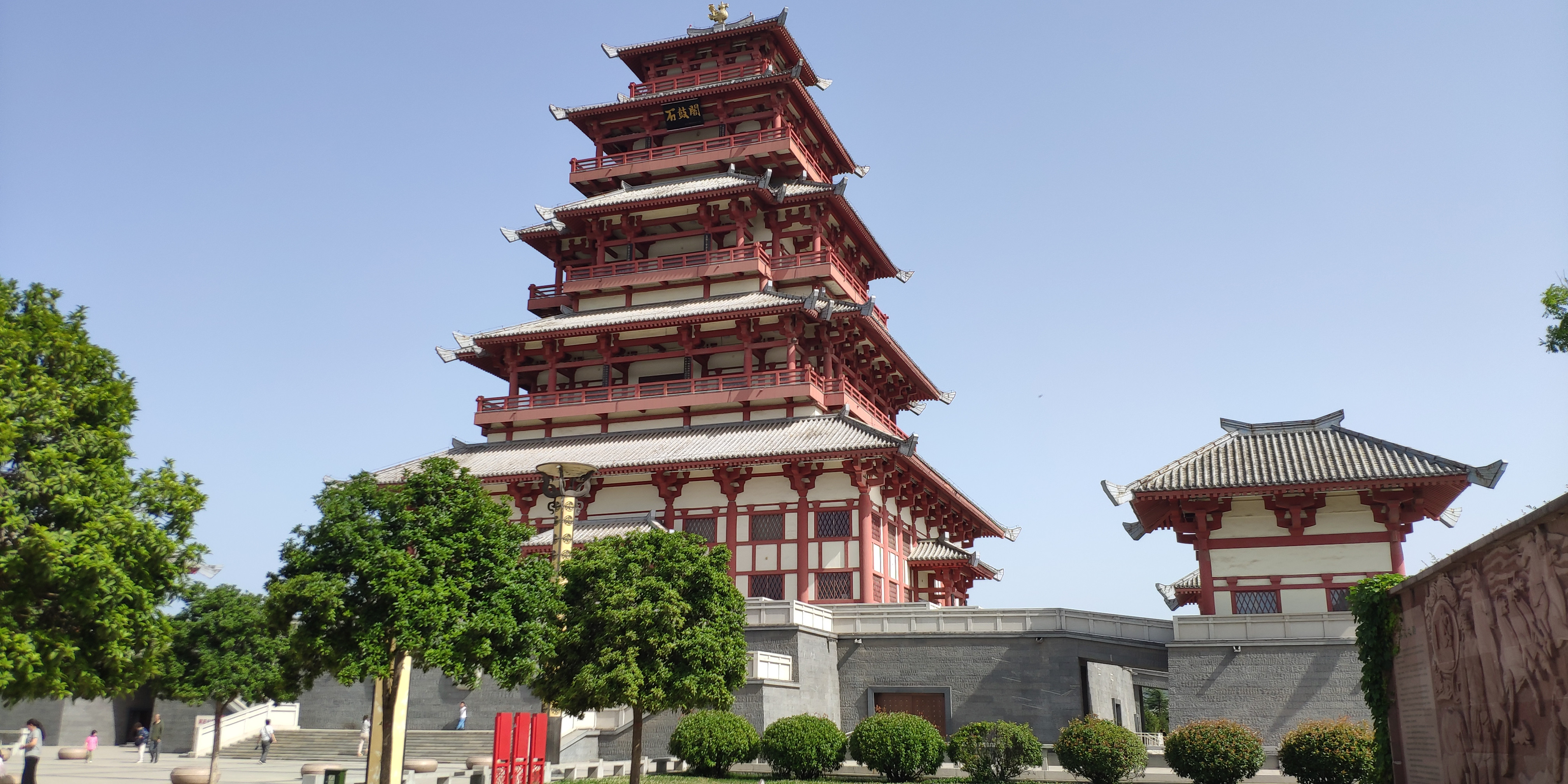
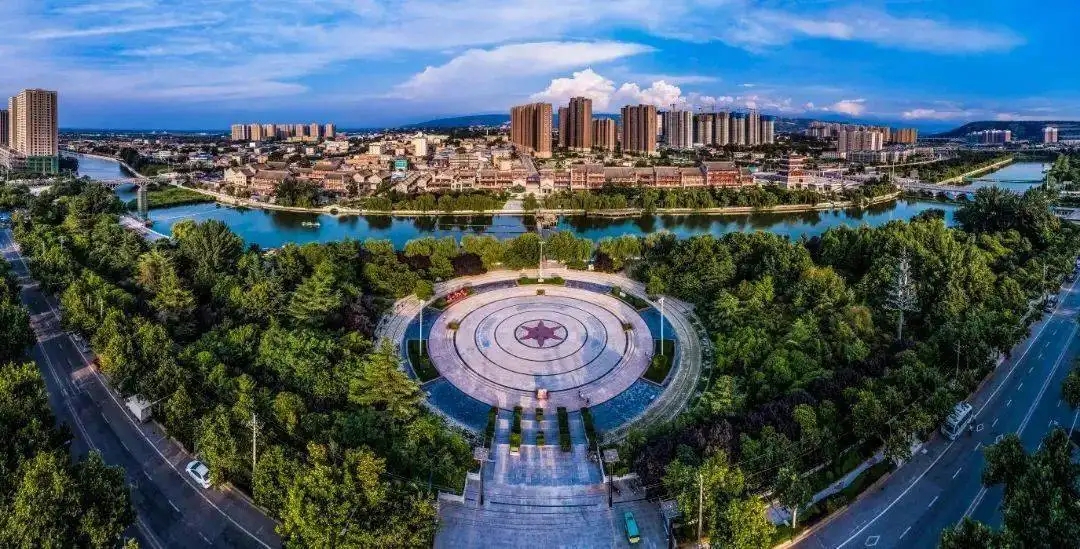
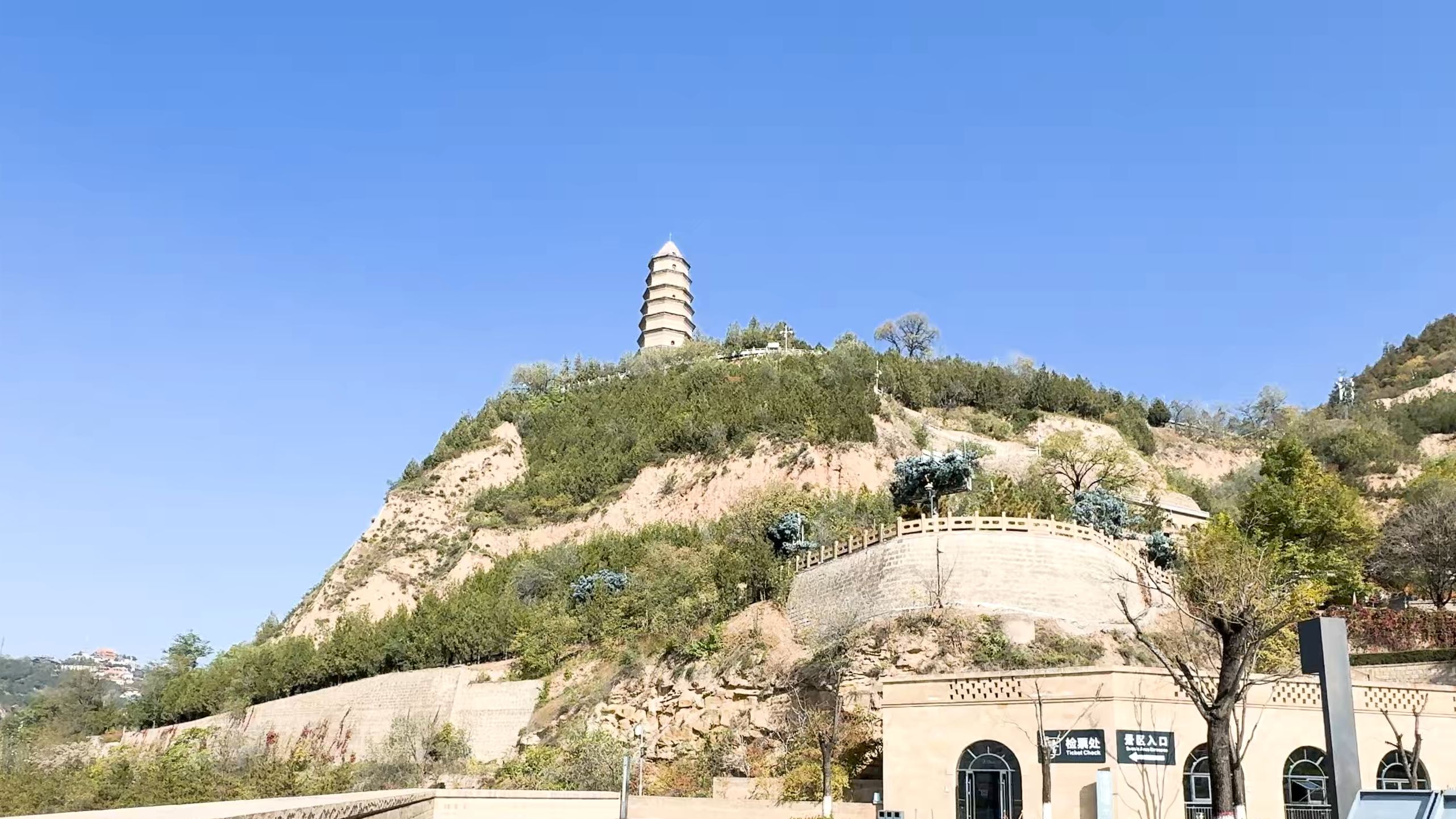
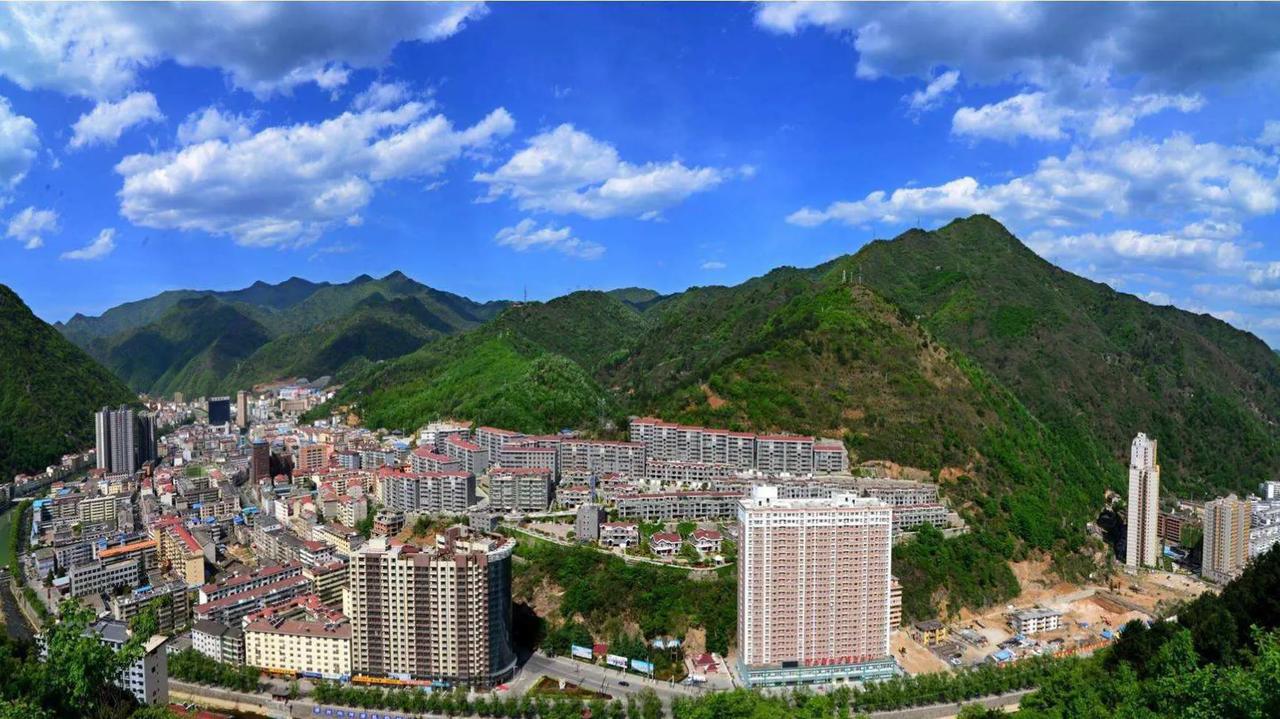
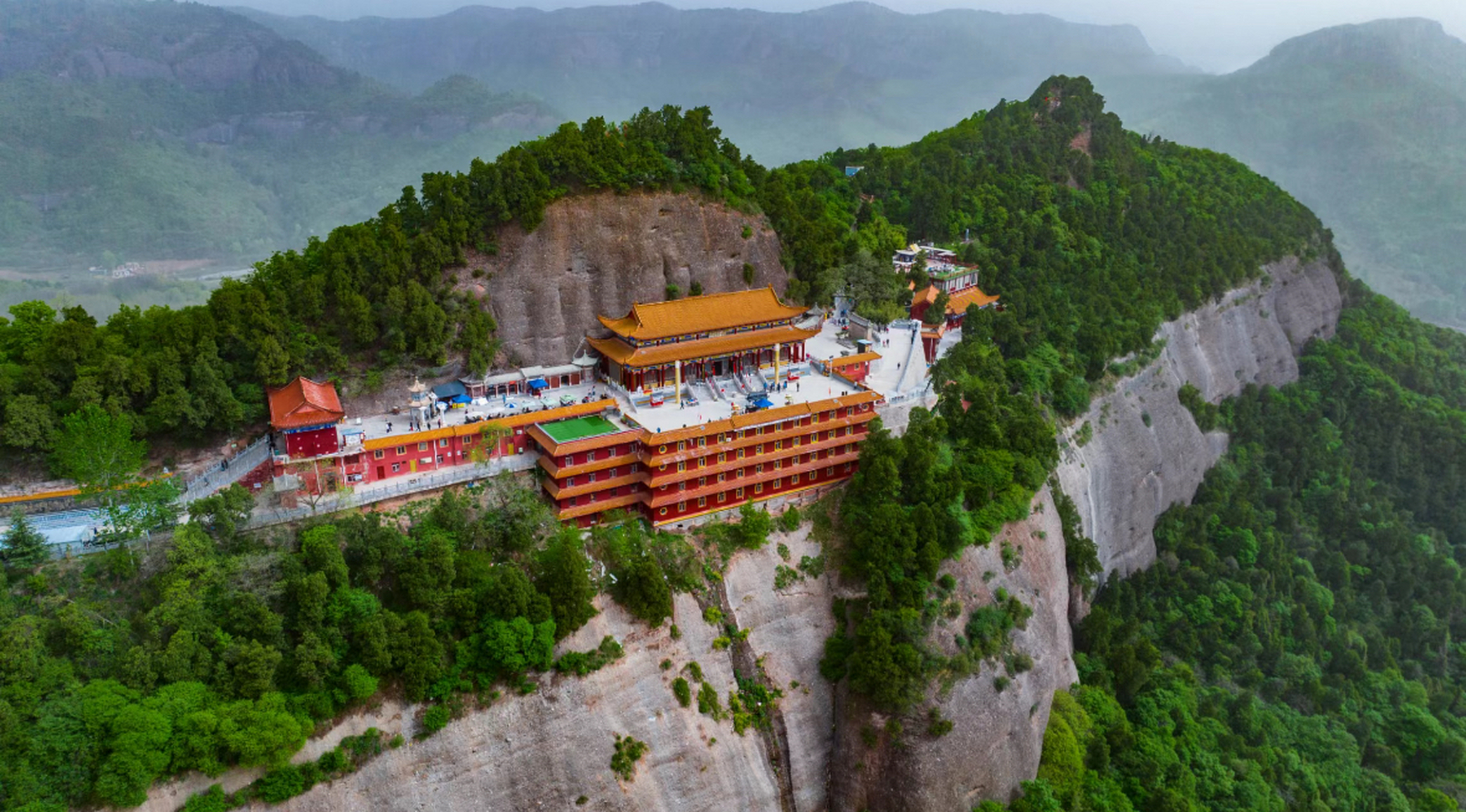
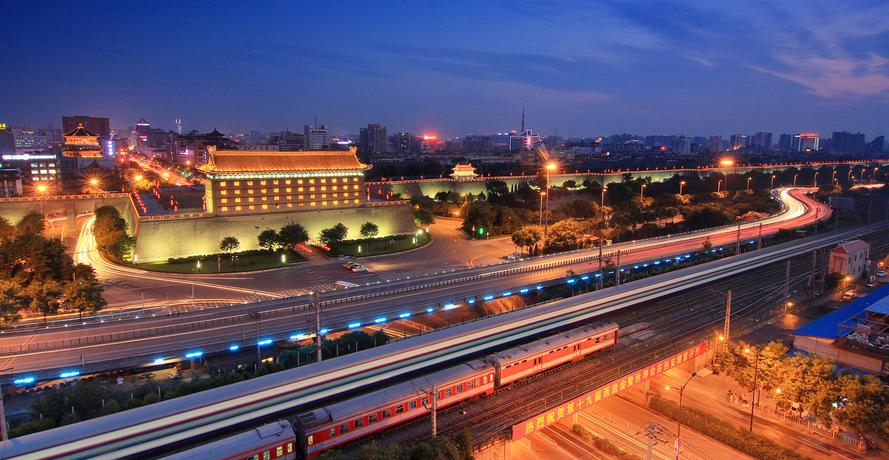
Hanzhong city skyline and landmarks (汉中) - Travel China Guide

Hanzhong Travel Guide

Birthplace of the Han Dynasty and heartland of Three Kingdoms history — where Liu Bang rose to power and Zhuge Liang spent his final years.

About

Hanzhong, nestled in a fertile basin between the Qinling and Daba Mountains in southern Shaanxi, holds a unique position in Chinese history as the birthplace of the Han Dynasty. It was here that Liu Bang was crowned King of Han in 206 BC, a title that would eventually give its name to one of China's greatest dynasties and, by extension, to the Chinese people themselves (Han Chinese).

The city's strategic location made it a crucial battleground during the Three Kingdoms period. The legendary strategist Zhuge Liang made Hanzhong his base during the Northern Expeditions, and his tomb and temple here remain major pilgrimage sites for those who admire his wisdom and loyalty.

Beyond its historical significance, Hanzhong is renowned for its natural beauty. Every spring, the basin transforms into a sea of golden rapeseed flowers, attracting photographers and tourists from across China. The surrounding mountains offer hiking opportunities, and the Han River provides scenic water views.

The city's cuisine reflects its position between north and south China, with dishes that combine the spicy boldness of Sichuan with the subtler flavors of the south. The famous Hanzhong mianpi (rice noodles) is a beloved breakfast staple that visitors shouldn't miss.

Hanzhong's mild climate, distinct from the harsher weather of northern Shaanxi, makes it a pleasant destination year-round, though spring offers the added spectacle of blooming flowers.

History & Development

Hanzhong's recorded history begins with its strategic importance during the Warring States period. In 312 BC, the Qin State conquered the region, establishing it as a key territory for southward expansion.

The city's defining moment came in 206 BC when Xiang Yu, the Hegemon-King of Western Chu, granted Liu Bang the title King of Han with Hanzhong as his domain. From this base, Liu Bang built his power and eventually defeated Xiang Yu to establish the Han Dynasty in 202 BC. The dynasty's name, and subsequently the name of the Han Chinese people, derives from this region.

During the Three Kingdoms period (220-280 AD), Hanzhong became the front line between the rival states of Shu Han and Cao Wei. Zhuge Liang, the legendary strategist serving Shu Han, used Hanzhong as his base for multiple Northern Expeditions against Wei. He died near here in 234 AD and was buried in the mountains according to his wishes.

The Tang Dynasty saw Hanzhong as an important stop on the network of roads connecting the capital Chang'an with Sichuan. The famous "Plank Road" routes through the mountains were engineering marvels of their time.

Zhang Qian, the Han Dynasty envoy who opened the Silk Road to Central Asia, was born in Chenggu near Hanzhong. His journeys in the 2nd century BC established trade and diplomatic relations that shaped world history.

Economy & Industries

Hanzhong's economy is built on agriculture, light industry, and increasingly, tourism. The fertile basin produces rice, wheat, rapeseed, tea, and various fruits. The region is particularly known for high-quality tea and traditional Chinese medicinal herbs from the surrounding mountains.

Light industry includes food processing, textiles, and machinery manufacturing. The city has developed pharmaceutical and electronics sectors in recent years, taking advantage of its educated workforce and improving infrastructure.

Tourism has grown significantly, driven by Three Kingdoms heritage sites and the spring rapeseed flower season. The annual Rapeseed Flower Festival brings substantial visitor numbers and media attention. Cultural tourism centered on Zhuge Liang and Zhang Qian attracts history enthusiasts.

The city benefits from improved transportation links, including highway connections to Xi'an and Chengdu, and a high-speed rail line that opened in 2017. The Han River continues to serve as a water source and transportation corridor.

GDP reached over 190 billion yuan, with steady growth supported by agricultural productivity and industrial diversification.

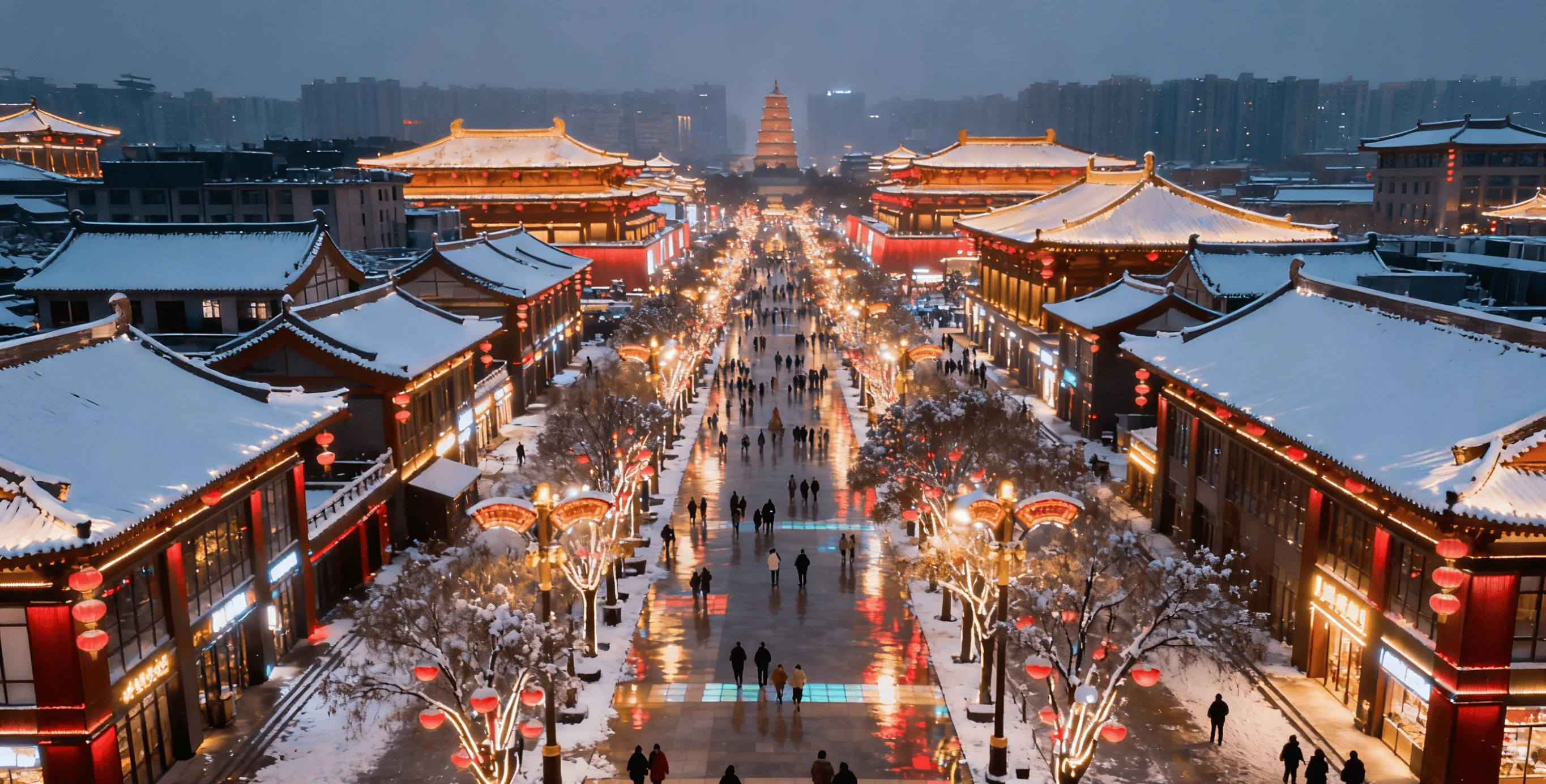
Top Attractions

🎭 Museum

Ancient Han Platform (Gu Hantai)

The Ancient Han Platform is where Liu Bang was crowned King of Han in 206 BC, before he went on to establish the Han Dynasty. Today, the site houses the Hanzhong Museum, displaying artifacts from the Han and Three Kingdoms periods. The classical garden setting and traditional architecture create a peaceful atmosphere for exploring this pivotal moment in Chinese history.

★★★★ 4.6
🕐 09:00-17:00 (Closed Mondays)
🎫 Free
🏛️ Landmark

Wuhou Tomb

The burial site of Zhuge Liang, the legendary strategist of the Three Kingdoms period. Zhuge Liang died in 234 AD during the Northern Expeditions and was buried here according to his wishes. The tomb complex includes a temple, ancient cypress trees planted during the dynastic era, and inscriptions honoring his wisdom and loyalty. It remains a site of pilgrimage for those who admire his legacy.

★★★★ 4.8
🕐 08:00-18:00
🎫 60 yuan
⛩️ Temple

Wuhou Temple

One of the earliest temples dedicated to Zhuge Liang, built in 263 AD. The temple complex features magnificent Ming and Qing Dynasty architecture, ancient cypress trees, and numerous stone inscriptions from various dynasties. The calligraphy and carvings document the deep respect Chinese people have held for this brilliant strategist over the centuries.

★★★★ 4.7
🕐 08:00-18:00
🎫 50 yuan
🎭 Museum

Zhang Qian Memorial Hall

Dedicated to Zhang Qian, the Han Dynasty envoy who opened the Silk Road to the West in the 2nd century BC. Born in Chenggu near Hanzhong, Zhang Qian made two epic journeys to Central Asia, establishing diplomatic and trade relations that shaped world history. The memorial includes his reconstructed tomb and exhibitions about his extraordinary expeditions.

★★★★ 4.5
🕐 08:30-17:30
🎫 20 yuan
🏛️ Landmark

Shimen Plank Road

A section of the ancient Baoye Road plank path built along sheer cliff faces over the Bao River. Dating back to the Han Dynasty, this engineering marvel allowed travelers to cross the Qinling Mountains. The site features reconstructed plank roads and the famous "Shimen Thirteen Inscriptions" — carved stone tablets considered treasures of Chinese calligraphy.

★★★★ 4.6
🕐 08:00-18:00
🎫 80 yuan
🏔️ Nature

Hanzhong Rapeseed Flower Fields

Every spring (March-April), the Hanzhong Basin transforms into a sea of golden rapeseed flowers stretching across rolling hills. The contrast between yellow flowers, green wheat fields, and traditional villages creates stunning scenery. Multiple viewing platforms and photography spots attract tourists from across China during the annual Rapeseed Flower Festival.

★★★★ 4.7
🕐 Best viewing: mid-March to mid-April
🎫 Free (some viewing platforms charge 10-20 yuan)
🏔️ Nature

Han River Scenic Area

The Han River, namesake of the Han Dynasty, flows through Hanzhong in its upper reaches. The riverside scenic area offers walking paths, parks, and boat rides. Visitors can enjoy the contrast of modern city skyline against distant mountains while reflecting on the river's historical significance as a transportation artery and water source.

★★★★ 4.3
🕐 Open 24 hours
🎫 Free

Food & Culture

Discover the culinary treasures of Hanzhong, from traditional street food to imperial cuisine.

Things to Do

🏛️

Explore Three Kingdoms History

Visit Wuhou Tomb and Temple to pay respects to Zhuge Liang and learn about Three Kingdoms history.

Walk the Ancient Plank Road

Experience the engineering marvel of the Shimen Plank Road carved into cliff faces.

🏔️

See the Rapeseed Flowers

Visit in spring to witness the golden sea of rapeseed flowers covering the Hanzhong Basin.

Trace Silk Road Origins

Learn about Zhang Qian's epic journeys at his memorial hall — the man who opened the Silk Road.

🍴

Sample Local Breakfast

Start your day like a local with mianpi and cai doufu — Hanzhong's iconic breakfast combination.

Suggested Itineraries

Three Kingdoms Heritage Day

A focused exploration of Hanzhong's rich Three Kingdoms heritage.

  • Morning: Ancient Han Platform Museum
  • Lunch: Local mianpi and cai doufu
  • Afternoon: Wuhou Tomb and Temple
  • Evening: Han River walk and dinner

Spring Blossom Tour (2 Days)

Experience the famous golden rapeseed flowers combined with historical sites.

  • Day 1: Rapeseed flower fields + Ancient Han Platform + Night market
  • Day 2: Shimen Plank Road + Zhang Qian Memorial + Han River
  • Best time: mid-March to mid-April

Getting Around

✈️

Airport

Hanzhong Chenggu Airport (about 20km from city center) has flights to major cities including Beijing, Shanghai, and Xi'an.

🚄

High-Speed Rail

Hanzhong Station on the Xi'an-Chengdu HSR line reaches Xi'an in 1 hour and Chengdu in 2 hours.

🚌

Bus Network

Public buses and tourist shuttles connect major attractions. Taxis are affordable and widely available.

🚕

Taxi & Rideshare

Available throughout the city

Best Time to Visit

🌸

Spring

Mar - Apr

★★★★★

Peak season for rapeseed flowers (mid-March to mid-April). Mild temperatures (10-20°C). Book accommodation early.

  • Rapeseed flower sea
  • Spring greenery
  • Cultural festivals
☀️

Summer

Jun - Aug

★★★☆☆

Warm and humid (22-32°C). Lush vegetation and full rivers. Good for mountain retreats and river activities.

  • Lush landscapes
  • River activities
  • Mountain retreats
🍂

Autumn

Sep - Oct

★★★★★

Pleasant and crisp (12-25°C). Harvest season with golden fields. Ideal weather for outdoor exploration.

  • Perfect weather
  • Harvest scenery
  • Fewer tourists
❄️

Winter

Nov - Feb

★★☆☆☆

Cool and damp (2-12°C). Occasional snow in mountains. Fewer tourists, peaceful atmosphere at historical sites.

  • Peaceful sites
  • Mountain snow views
  • Lower prices

Continue Exploring China

Discover more cities, food guides, and travel inspiration.