Park
Humble Administrator's Garden
China's finest classical garden and UNESCO World Heritage Site. Built in 1509, this 5-hectare masterpiece features pavilions, bridges, and ponds in perfect harmony.
7:30 AM - 5:30 PM
80 yuan
A 2,500-year-old city where classical gardens meet modern prosperity—the legendary 'Venice of the East' where scholars, merchants, and artists created China's most refined urban culture.
Suzhou is China's most elegant city, where 2,500 years of history live in perfectly preserved classical gardens and winding canals. Known as the "Venice of the East," this Jiangsu city has inspired poets, scholars, and artists for millennia with its refined aesthetic and sophisticated culture.
The city's crown jewels are its classical gardens—nine UNESCO World Heritage Sites that represent the pinnacle of Chinese landscape design. The Humble Administrator's Garden, China's finest, creates a miniature universe of pavilions, bridges, and lotus ponds where every view is a painting. The Lingering Garden masters spatial illusion, while the Lion Grove Garden is a labyrinth of Taihu rock formations.
Beyond gardens, Suzhou's water lanes tell stories. Pingjiang Road's 800-year-old stone bridges arch over ancient canals where wooden boats still glide. Shantang Street, built by Tang poet Bai Juyi, glows with red lanterns at night. The surrounding water towns—Zhouzhuang, Tongli—preserve a China that exists nowhere else.
Suzhou's cultural contributions are equally profound. Kunqu Opera, born here 600 years ago, is the "mother of Chinese opera." Suzhou embroidery achieves photographic detail with silk threads. The local cuisine—delicate, sweet, seasonal—reflects the city's refined palate. And every spring, Biluochun tea leaves are hand-picked from Dongting Mountain's misty slopes.
Modern Suzhou is China's economic powerhouse, ranking first among prefecture-level cities in GDP. The Singapore-China Industrial Park has transformed the city's east side into a high-tech hub. Yet tradition thrives: elderly residents practice tai chi by ancient bridges, teahouses serve afternoon tea to the sound of pipa music, and gardeners tend the same species that bloomed for Ming dynasty scholars.
Suzhou's history began in 514 BC when King Helü of Wu established his capital here. The legendary strategist Sun Tzu may have written "The Art of War" in this city. The King's Tomb at Tiger Hill remains one of China's most mysterious archaeological sites.
During the Han Dynasty, Suzhou became a center of silk production, beginning its 2,000-year reign as China's silk capital. The Grand Canal's completion in the Sui Dynasty (589 AD) transformed Suzhou into a commercial hub, and the city was officially named Suzhou after nearby Gusu Mountain.
The Tang and Song dynasties were Suzhou's golden age. The proverb "Up above there is heaven, down below there are Suzhou and Hangzhou" was coined by Song poet Fan Chengda. Wealthy merchants and retired officials built the first classical gardens, establishing a tradition that would produce over 200 private gardens.
The Ming and Qing dynasties saw garden construction reach its peak. The Humble Administrator's Garden (1509), Lingering Garden (1593), and dozens of others were created. Suzhou scholars dominated imperial examinations, and the city became a center of painting, calligraphy, and craftsmanship.
Modern Suzhou preserved its heritage while embracing innovation. In 1982, it became one of China's first National Famous Historical and Cultural Cities. The 1994 establishment of Suzhou Industrial Park, a joint venture with Singapore, launched the city's high-tech transformation. Today, Suzhou balances UNESCO garden preservation with GDP that rivals European nations.
Suzhou's economy is China's strongest among prefecture-level cities, with GDP exceeding 2.4 trillion yuan in 2023—larger than many Chinese provinces and European nations. The city ranks 6th nationally in total GDP, behind only Shanghai, Beijing, Shenzhen, Guangzhou, and Chongqing.
The Suzhou Industrial Park (SIP), established in 1994 as a Singapore-China collaboration, is the city's economic engine. It hosts over 5,000 foreign companies including 90 Fortune 500 firms. Industries include semiconductors, biomedicine, artificial intelligence, and nanotechnology. The park contributes nearly 30% of Suzhou's GDP.
Traditional industries remain vital. Suzhou is China's silk capital, producing high-end fabrics for domestic and luxury international brands. The city's embroidery, sandalwood fans, and classical furniture are world-renowned crafts.
The surrounding county-level cities are economic powerhouses in their own right. Kunshan has China's highest county-level GDP, while Zhangjiagang, Changshu, and Taicang all rank in the national top 10. This decentralized prosperity creates balanced development.
Tourism contributes significantly, with 100+ million annual visitors to gardens, water towns, and cultural sites. The city targets high-value visitors with luxury hotels, Michelin-starred restaurants, and premium cultural experiences.
Discover the culinary treasures of Suzhou, from traditional street food to imperial cuisine.
Perfect day trip from Shanghai. Morning: Take first high-speed train from Shanghai Hongqiao (7:00 AM, 25 min, ¥38). Arrive Suzhou Station 7:30 AM. Walk to Humble Administrator's Garden (10 min) — enter at 7:30 AM opening to beat crowds. Spend 2 hours exploring the UNESCO garden. 9:30 AM: Visit Suzhou Museum (I.M. Pei design, free but reserve online) right next door. 11:00 AM: Walk Pingjiang Road for traditional architecture, canal views, and local snacks. Lunch at a canal-side teahouse (try Biluochun tea and osmanthus cake). Afternoon: Take taxi to Lingering Garden (¥15, 10 min) — famous for Taihu rock collection and spatial design. 3:00 PM: Tiger Hill if time permits, or return to Pingjiang Road for shopping. 5:00 PM: High-speed train back to Shanghai. Total budget: ¥300–400 including transport, tickets, and meals.
Day 1 — Suzhou City: Morning at Humble Administrator's Garden and Suzhou Museum. Afternoon: Tiger Hill (Cloud Rock Pagoda, Sword Pool). Evening: Shantang Street — lantern-lit canal bridges, traditional restaurants, boat rides (¥50 for 30 min). Stay overnight in Suzhou (Pingjiang Road area has boutique hotels in restored Ming-Qing houses, ¥300–600/night). Day 2 — Water Town: Choose Zhouzhuang (China's No. 1 water town, Double Bridges, Shen Wansan residence, ¥100 ticket) or Tongli (closer to Suzhou, UNESCO-protected, Retreat & Reflection Garden, ¥100). Take bus from Suzhou North Station (Zhouzhuang 1h/¥15, Tongli 40 min/¥8). Spend full day exploring canals, ancient bridges, and traditional houses. Take boat ride through water lanes (¥50). Return to Suzhou 4:00 PM, then high-speed train to Shanghai. Tip: Visit water towns on weekdays — weekends are extremely crowded.
Day 1 — UNESCO Gardens Deep Dive: Humble Administrator's Garden (morning, 2–3 hours) → Suzhou Museum → Lion Grove Garden (狮子林, famous for rock labyrinth, ¥40) → Lingering Garden (afternoon). Each garden has distinct character — Humble Administrator's is grand and water-focused, Lion Grove is a rock maze, Lingering Garden masters spatial transitions. Day 2 — Culture & Heritage: Morning: Hanshan Temple (hear the bell from the famous poem "Night Mooring by Maple Bridge"). Afternoon: Suzhou Silk Museum (silk production history, live embroidery demonstration) → Kunqu Museum (watch 600-year-old opera performance, ¥50–100). Evening: Shantang Street night walk + canal boat ride. Day 3 — Water Town + Departure: Tongli (closest, 40 min) or Zhouzhuang. Full day exploring ancient canals. Return to Shanghai 5:00 PM. This itinerary covers 4 UNESCO World Heritage Sites (3 gardens + 1 water town). Budget: ¥800–1200 for 3 days.
Sunan Shuofang International Airport (WUX) — 20 km from downtown, shared with Wuxi. Direct flights from Beijing (2h), Guangzhou (2h), Shenzhen (2h), Chengdu (2.5h), Xiamen. Airport shuttle to Suzhou Railway Station ¥15, taxi ¥60–80. Many travelers fly into Shanghai Hongqiao (SHA/PVG) for more flight options, then take high-speed train to Suzhou (25 min from Shanghai Hongqiao Station, ¥31–38).
Suzhou has 5 railway stations: Suzhou Station (苏州站, city center), Suzhou North (苏州北, high-speed hub), Suzhou Industrial Park (苏州园区), Suzhou New District (苏州新区), Suzhou South (苏州南). Key routes: Shanghai → Suzhou 25–35 min, ¥31–67 (from Shanghai Station or Shanghai Hongqiao). Beijing South → Suzhou North 4–6h, ¥523–1001 (G-trains, fastest G27 at 4h08). Hangzhou West → Suzhou South 50–55 min, ¥74–126. Nanjing South → Suzhou 1h12m–1h18m, ¥102–180. Suzhou is on the Beijing–Shanghai high-speed corridor — all major cities are easily accessible.
Suzhou Metro operates 5 lines (1, 2, 3, 4, 5). Line 1 connects Suzhou Station to Jinji Lake (SIP). Line 2 links Suzhou North Station to city center. Line 4 goes to Tongli Water Town (同里站). Most gardens are within walking distance of metro stations. Single ride ¥2–7, day pass ¥18. Suzhou Metro also connects to Shanghai Metro Line 11 via Huaqiao Station (花桥站) — you can take the metro from Shanghai to Suzhou for just ¥10–15 (slower than high-speed train but scenic).
Public buses cover all attractions. Bus Line You 1 (游1) and You 2 (游2) are tourist lines connecting major gardens. From Suzhou Station: Bus You 1 to Humble Administrator's Garden (15 min), Bus You 2 to Tiger Hill (30 min). Fare ¥2. Water town buses: Suzhou North Bus Station to Zhouzhuang (1h, ¥15), Tongli (40 min, ¥8).
Base fare ¥13 for first 3 km, then ¥2.5/km. Key distances: Suzhou Station → Humble Administrator's Garden 3 km (¥15, 10 min). Suzhou Station → Tiger Hill 5 km (¥20, 15 min). Suzhou → Zhouzhuang 38 km (¥80–100, 45 min). Suzhou → Tongli 25 km (¥50–70, 30 min). Didi (滴滴) ride-hailing app recommended — avoids taxi overcharging at tourist spots.
Spring (April-May) and Autumn (September-October) offer the best weather for most destinations in China.
Arrive at gardens at opening time (7:30 AM) to avoid crowds and get the best photos. Humble Administrator's Garden gets extremely crowded after 9 AM — the lotus pond reflections and pavilion views are magical in early morning mist. Visit Lion Grove Garden in late afternoon when tour groups leave.
Suzhou Museum requires online reservation 1–7 days in advance (free admission). Book through WeChat mini-program or official website. Bring passport for entry. Closed Mondays. The architecture by I.M. Pei is as impressive as the collection.
For Humble Administrator's Garden: Enter from east gate, follow counter-clockwise route — small gardens → central pond area → western section. Key photo spots: Far and Near Hall (远香堂), Lotus Pavilion (荷风四面亭), Small Flying Rainbow (小飞虹). Avoid retracing steps — the garden is designed as a continuous journey with changing views.
October is peak season for Yangcheng Lake hairy crabs. Book restaurants 1–2 days in advance. A set meal with 2 crabs costs ¥200–400. Real Yangcheng Lake crabs have distinctive "green shell, white belly, golden claws" — ask to see the certificate. Many restaurants serve crabs from other lakes at lower prices.
Try Suzhou-style noodles for breakfast (6:30–9:00 AM). Famous shops: Tongdexing (同得兴) for braised pork noodles (焖肉面), Zhu Hongxing (朱鸿兴) for eel noodles (鳝丝面). Soup base is key — clear but rich. Arrive early — popular shops sell out by 9:30 AM.
Perfect for Shanghai day trip: First train 7:00 AM from Shanghai Hongqiao → Suzhou (25 min, ¥38). Last return train 9:00 PM. Day pass for Suzhou Metro ¥18 covers all transport. Walking is the best way to explore the old town — most attractions within 2 km radius.
Zhouzhuang: Bus from Suzhou North Station (1h, ¥15) or taxi (45 min, ¥80–100). Tongli: Metro Line 4 to Tongli Station (40 min, ¥7) or bus (40 min, ¥8). Tongli is closer and less commercialized — good for a relaxed day trip. Zhouzhuang is more famous but very crowded on weekends.
Watch Kunqu Opera at Suzhou Kunqu Museum (苏州昆曲博物馆) or China Kunqu Museum (中国昆曲博物馆). Performances at 2:00 PM and 7:30 PM, ¥50–100. "The Peony Pavilion" (牡丹亭) is the classic piece. Gardens sometimes host evening Kunqu shows — ask at ticket office.
Sip Biluochun tea (碧螺春) in a canal-side teahouse. Price: ¥30–100/pot depending on quality. Spring harvest (April) is best. Teahouses on Pingjiang Road offer tea + snack sets ¥50–80. Try with osmanthus cake (桂花糕) or green tea cake (绿茶糕).
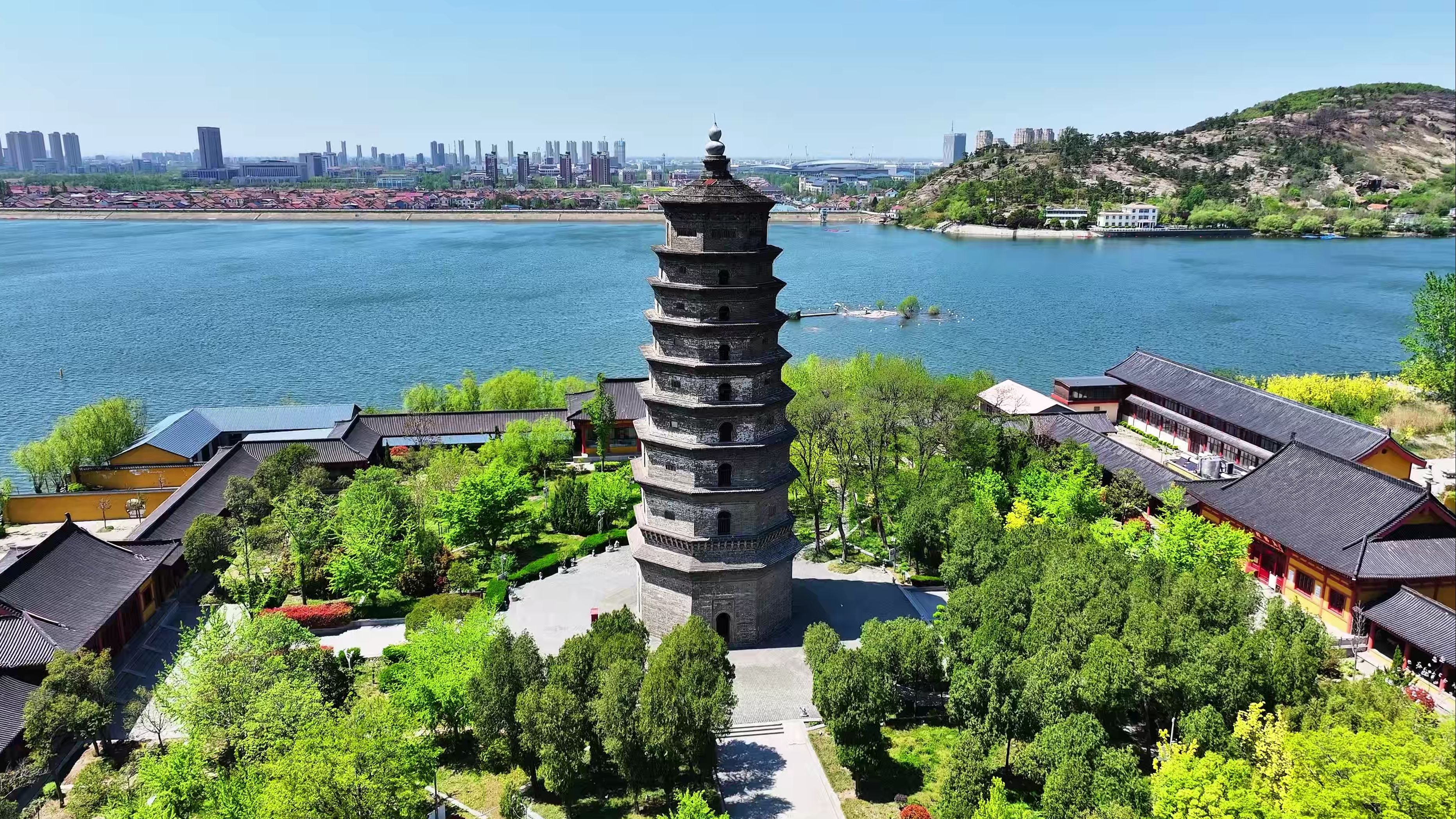
The eastern terminus of the New Eurasian Land Bridge, famous...
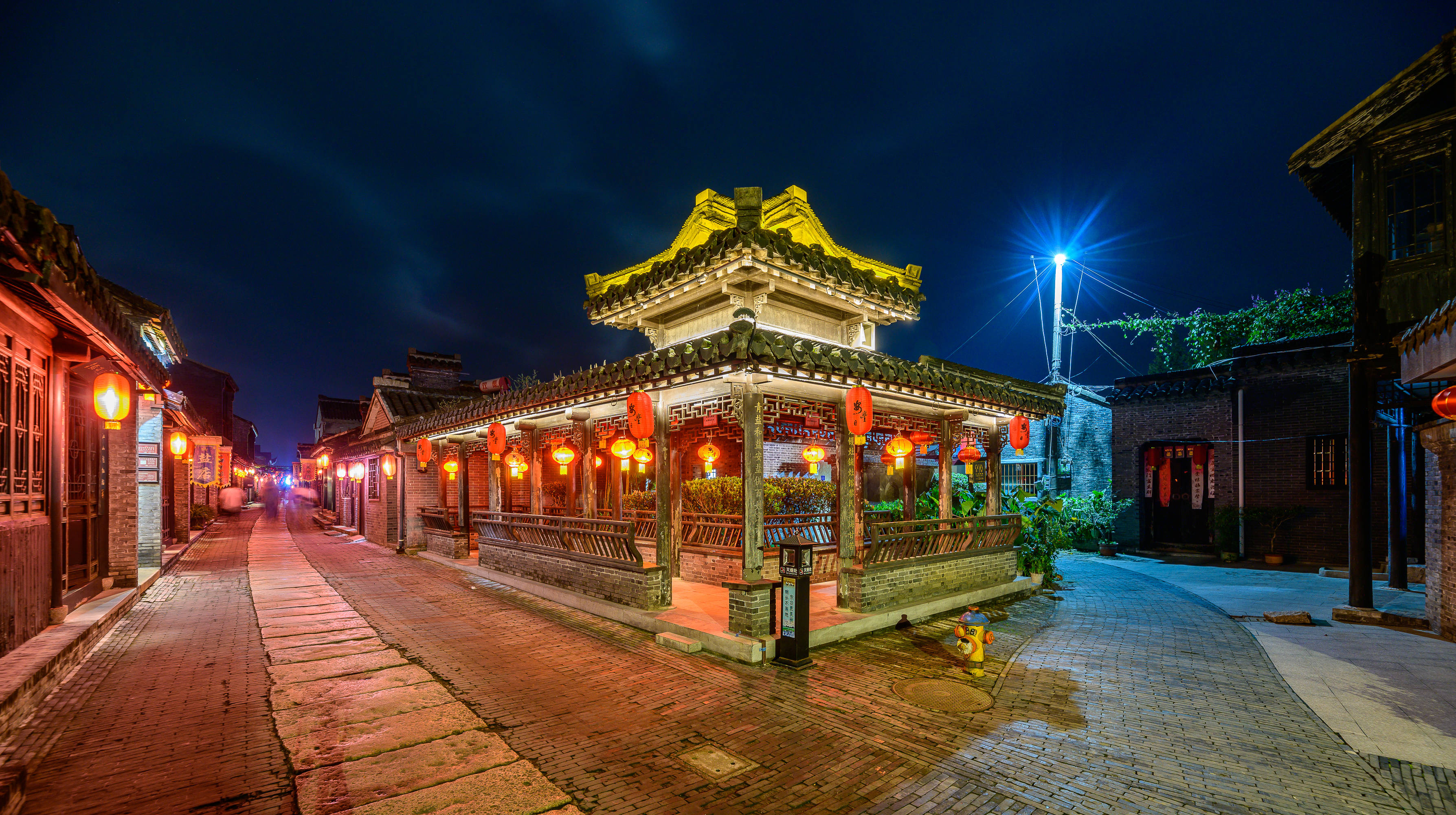
A sprawling coastal city in Jiangsu known for its vast wetla...
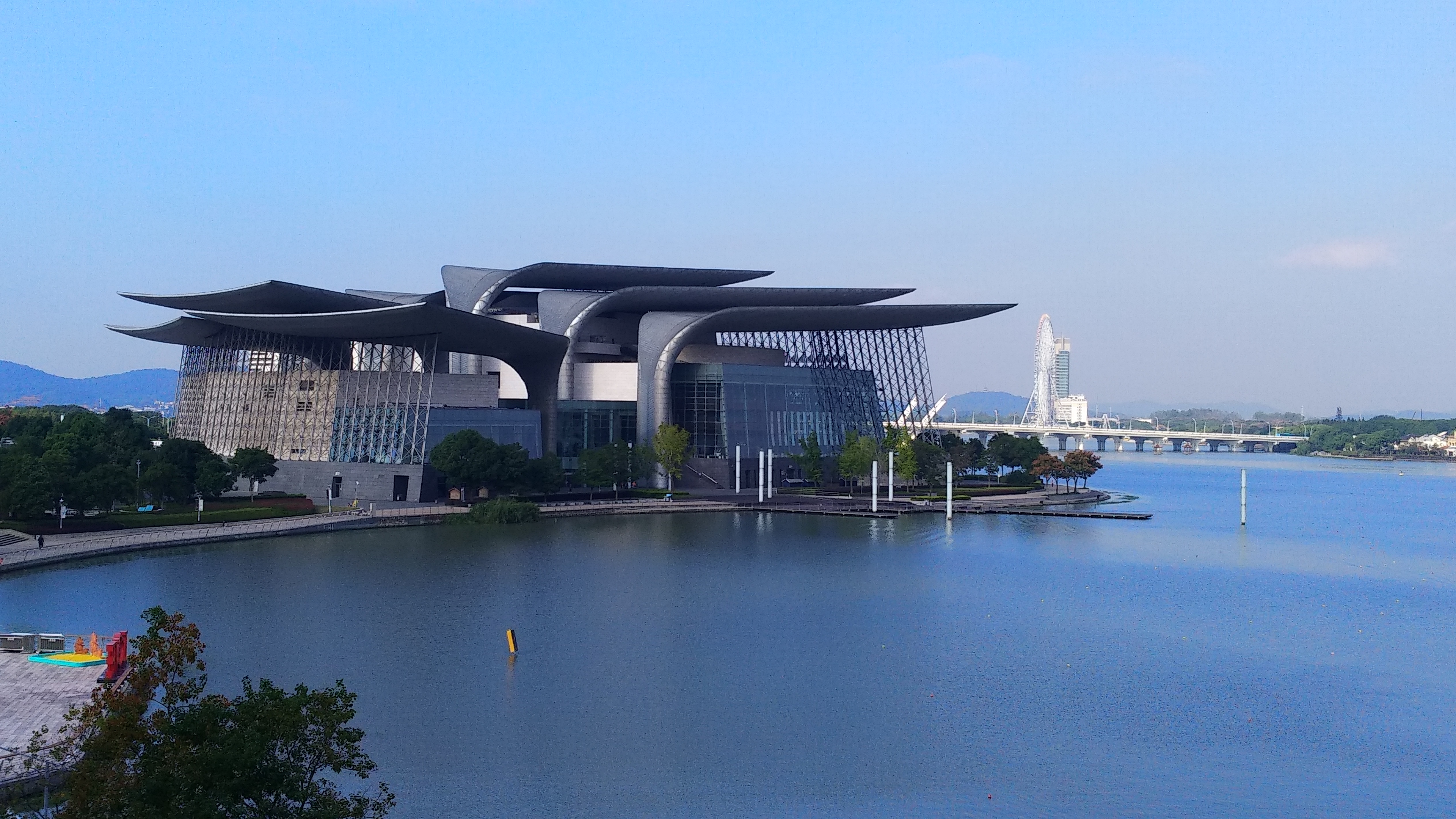
Taihu Lake pearl and powerhouse of integrated circuits, IoT ...
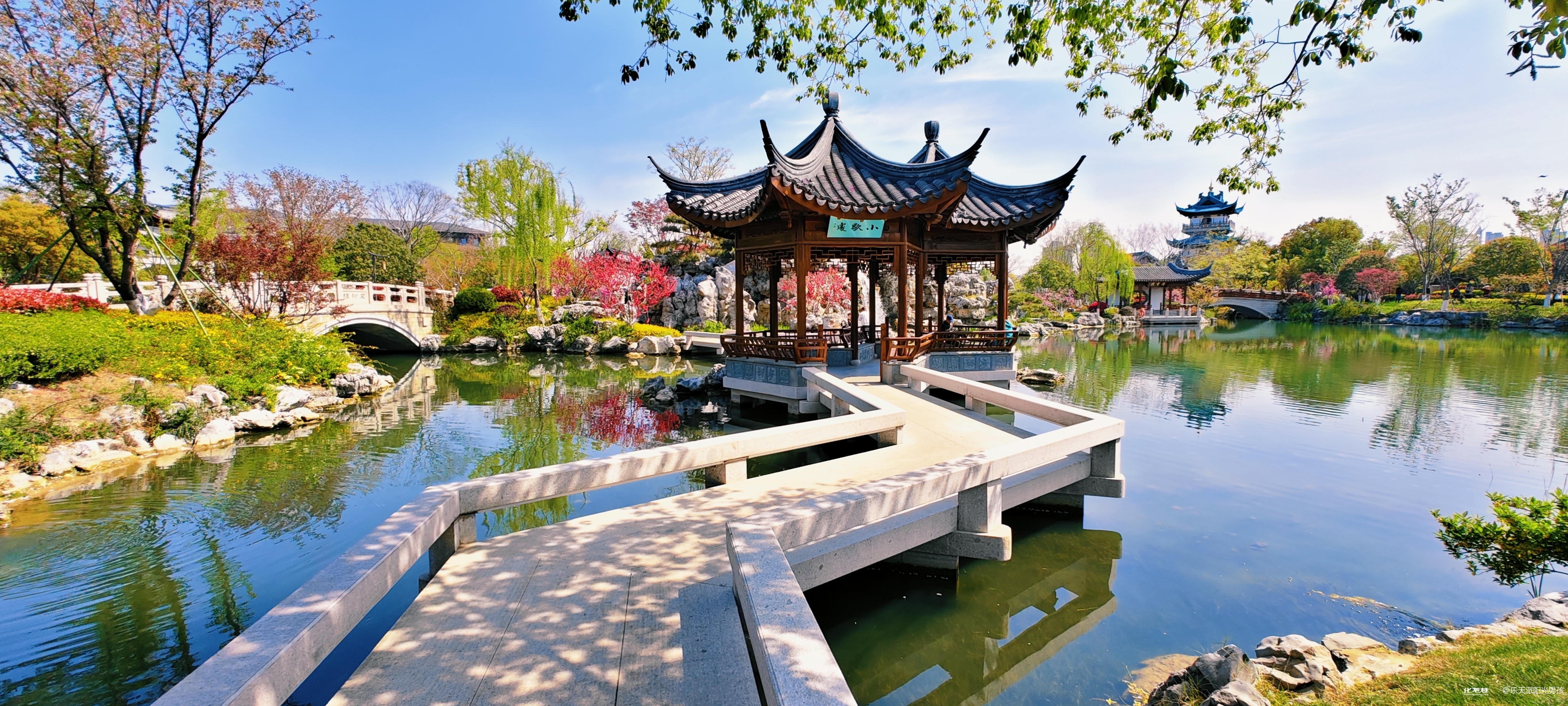
A new-energy powerhouse where Trina Solar leads global photo...
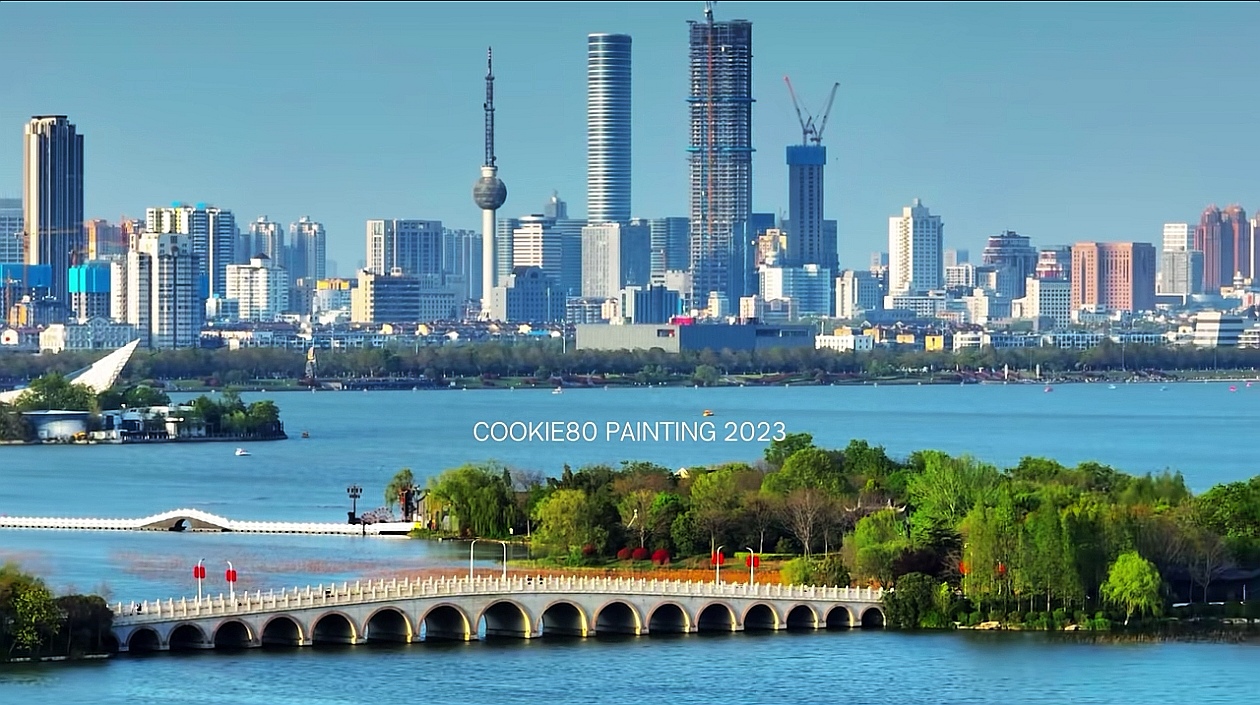
Home of XCMG—one of the world's top three construction machi...
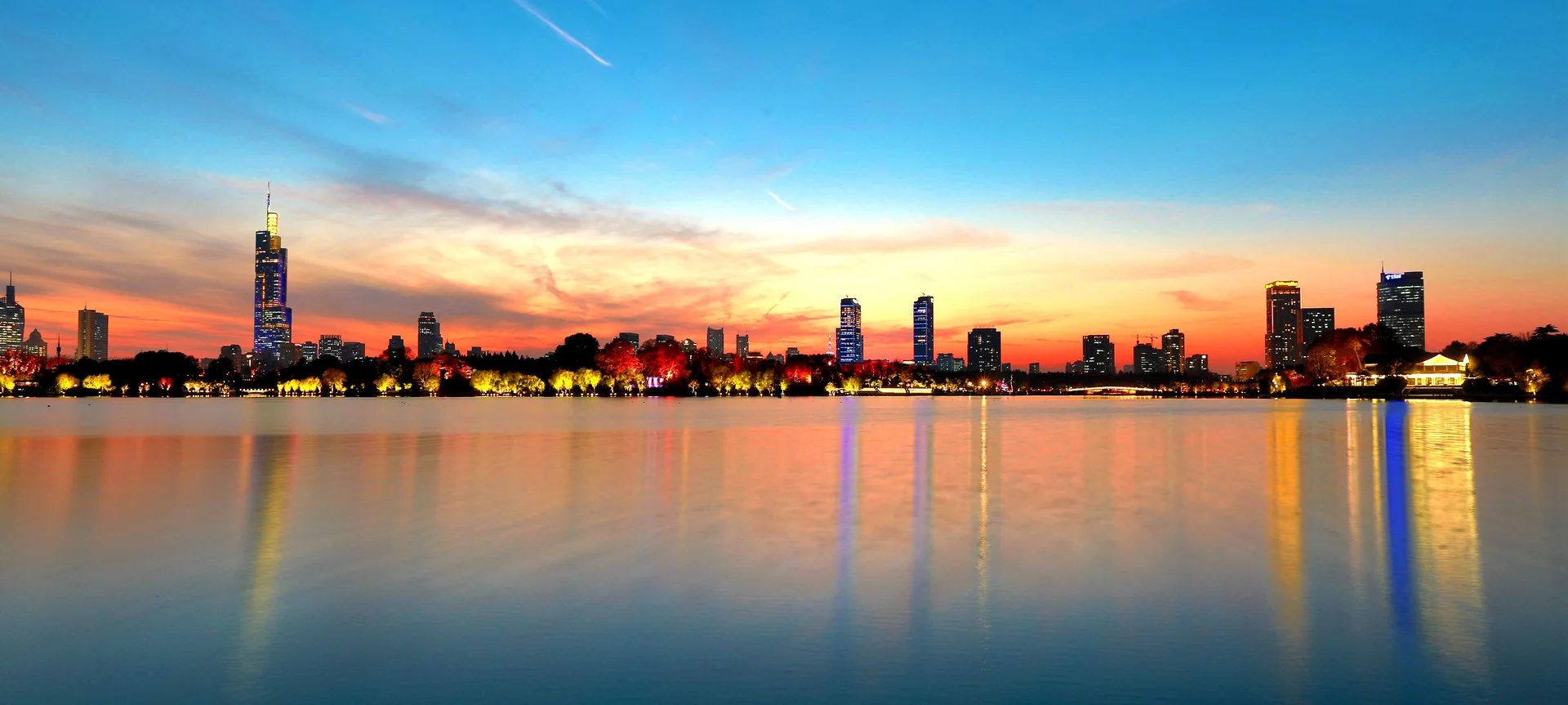
China's ancient capital of six dynasties, where 2,500 years ...
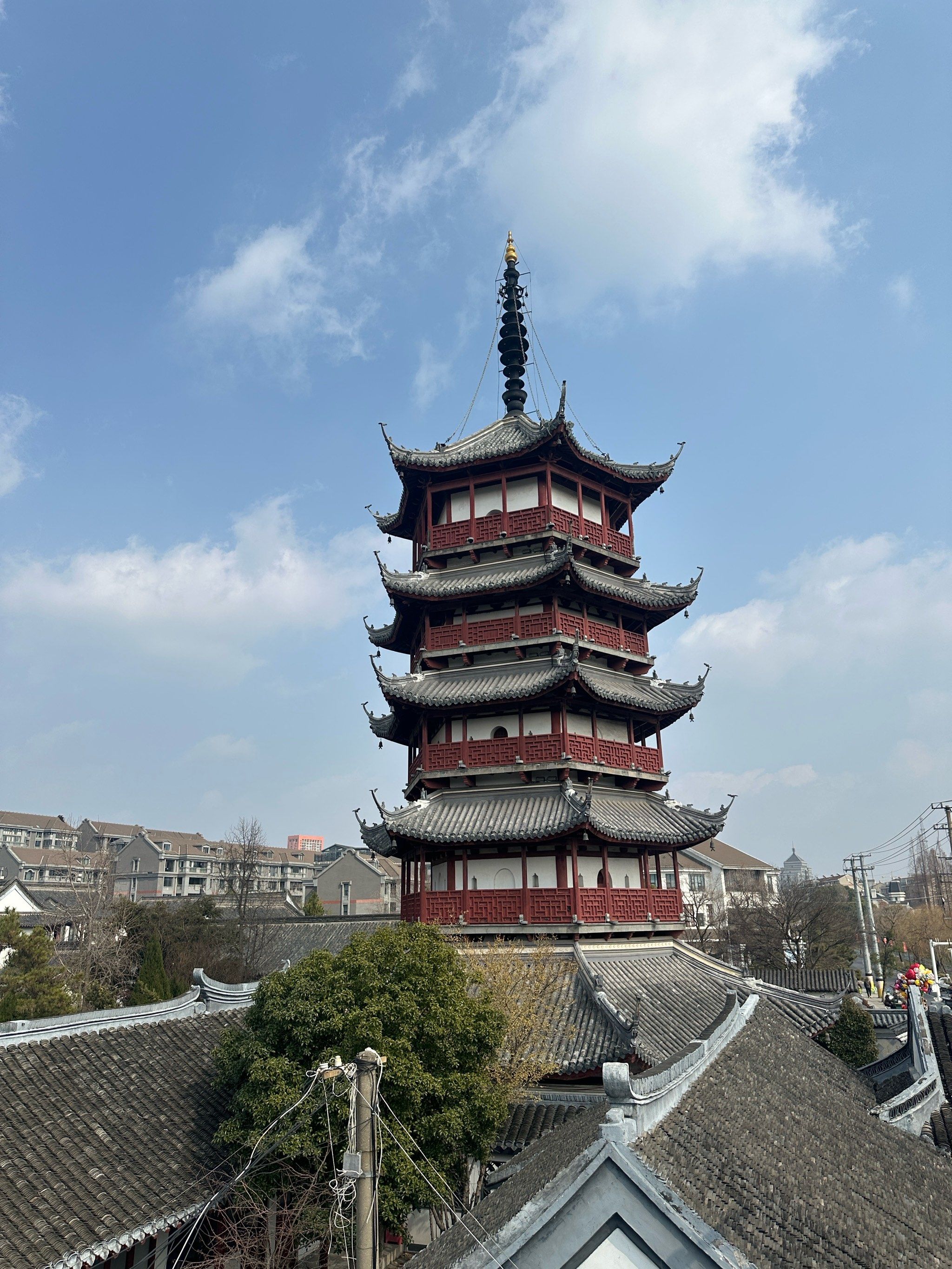
Known as "China's First Modern City," Nantong sits at the Ya...
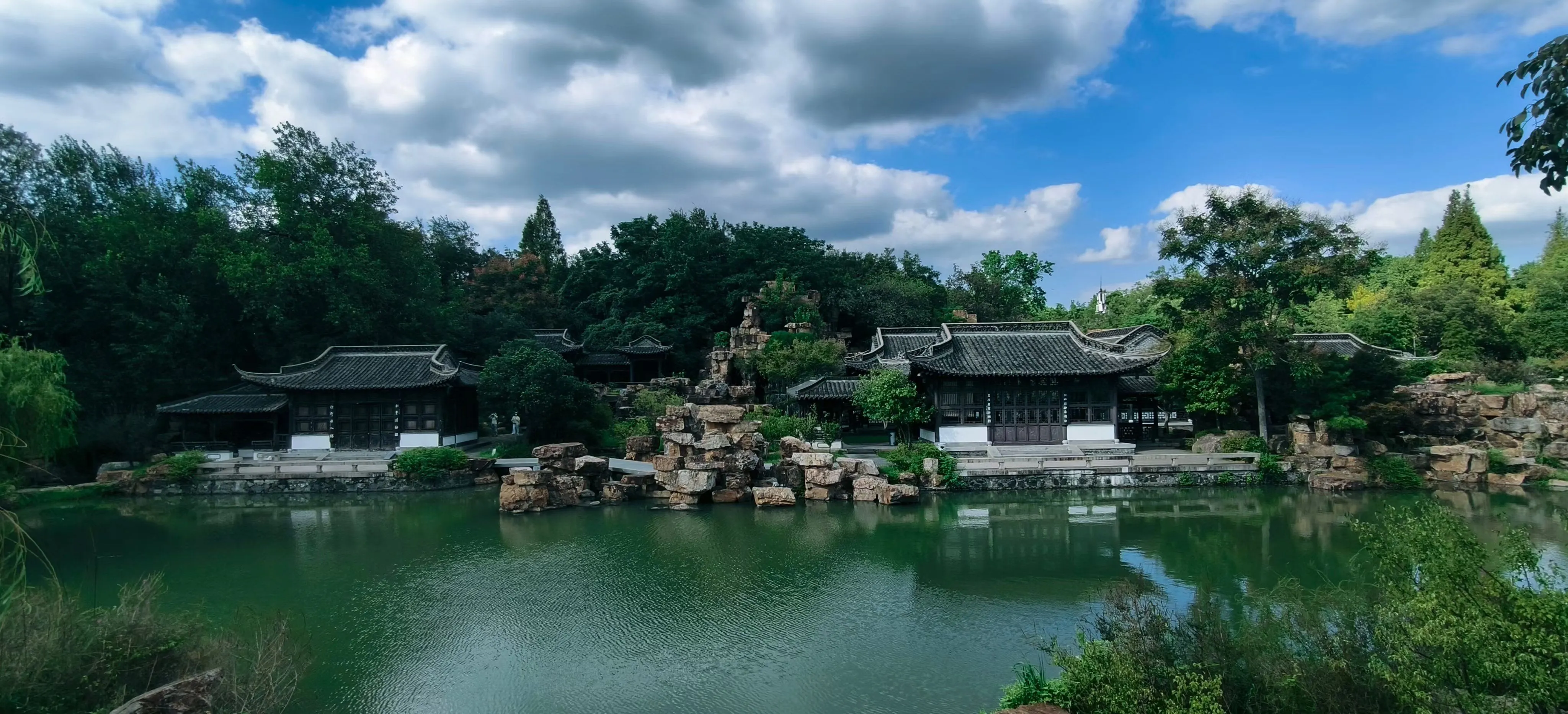
A 2,500-year-old city along the Grand Canal—famous for Slend...
Discover more cities, food guides, and travel inspiration.