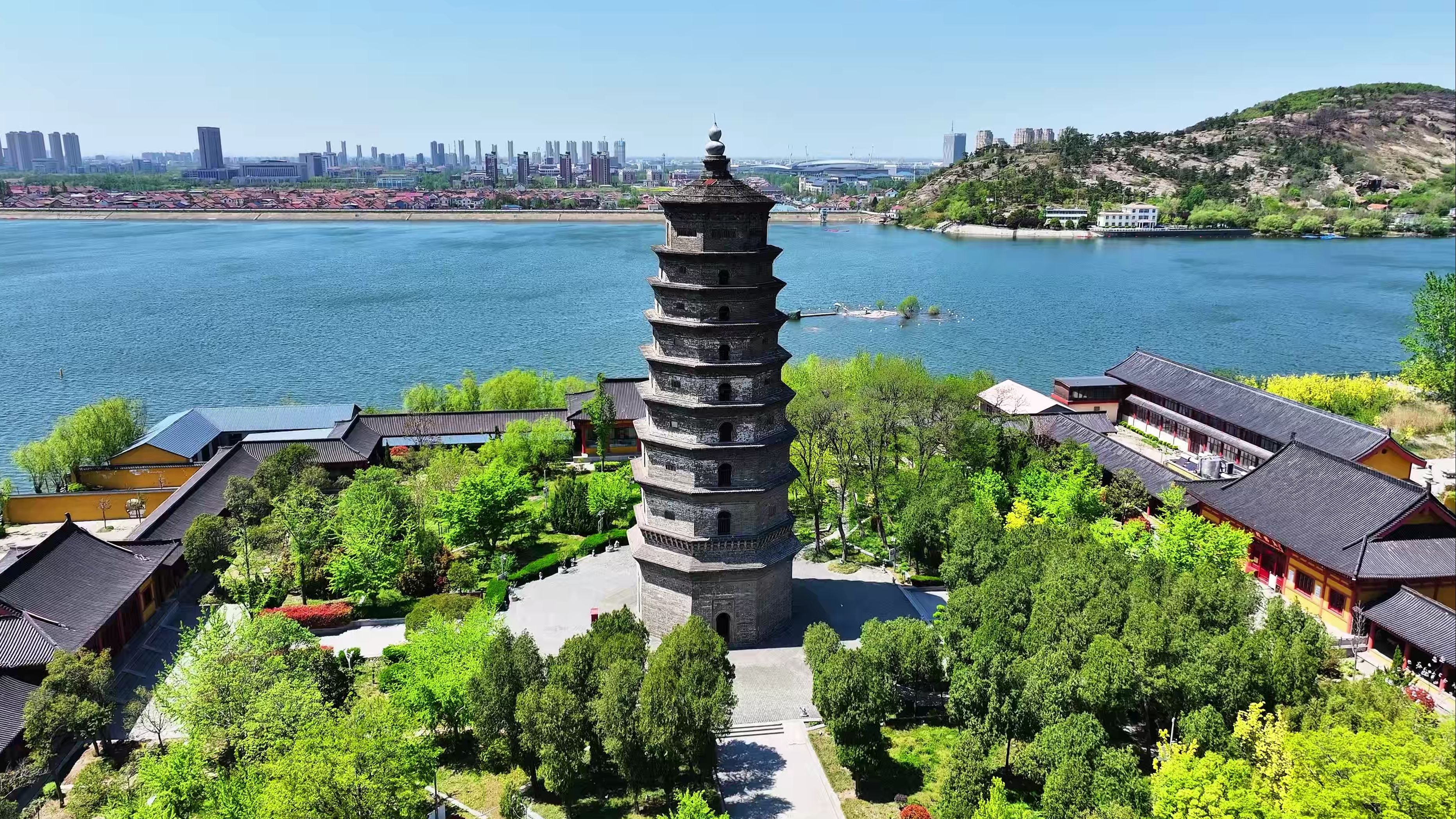
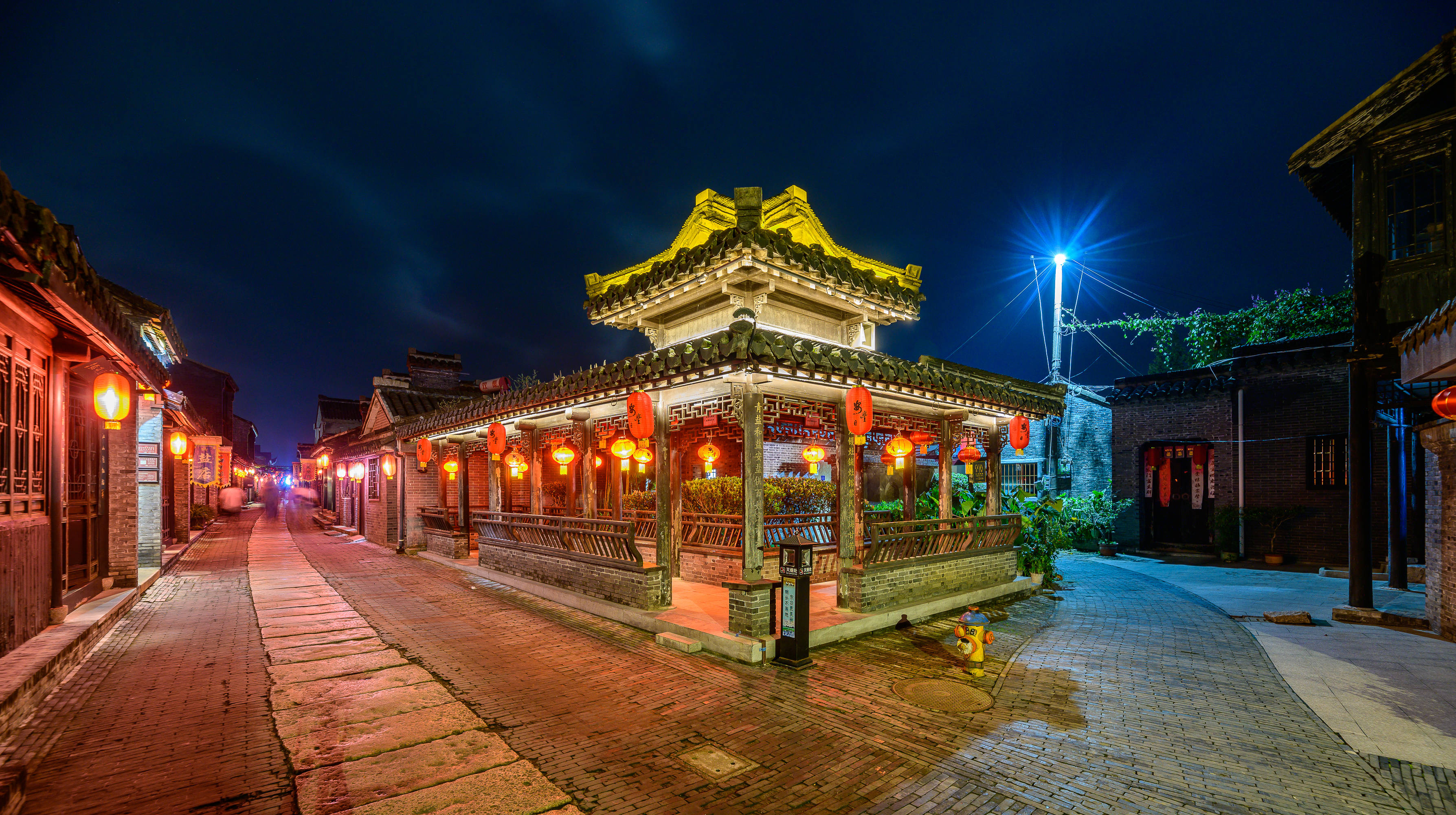
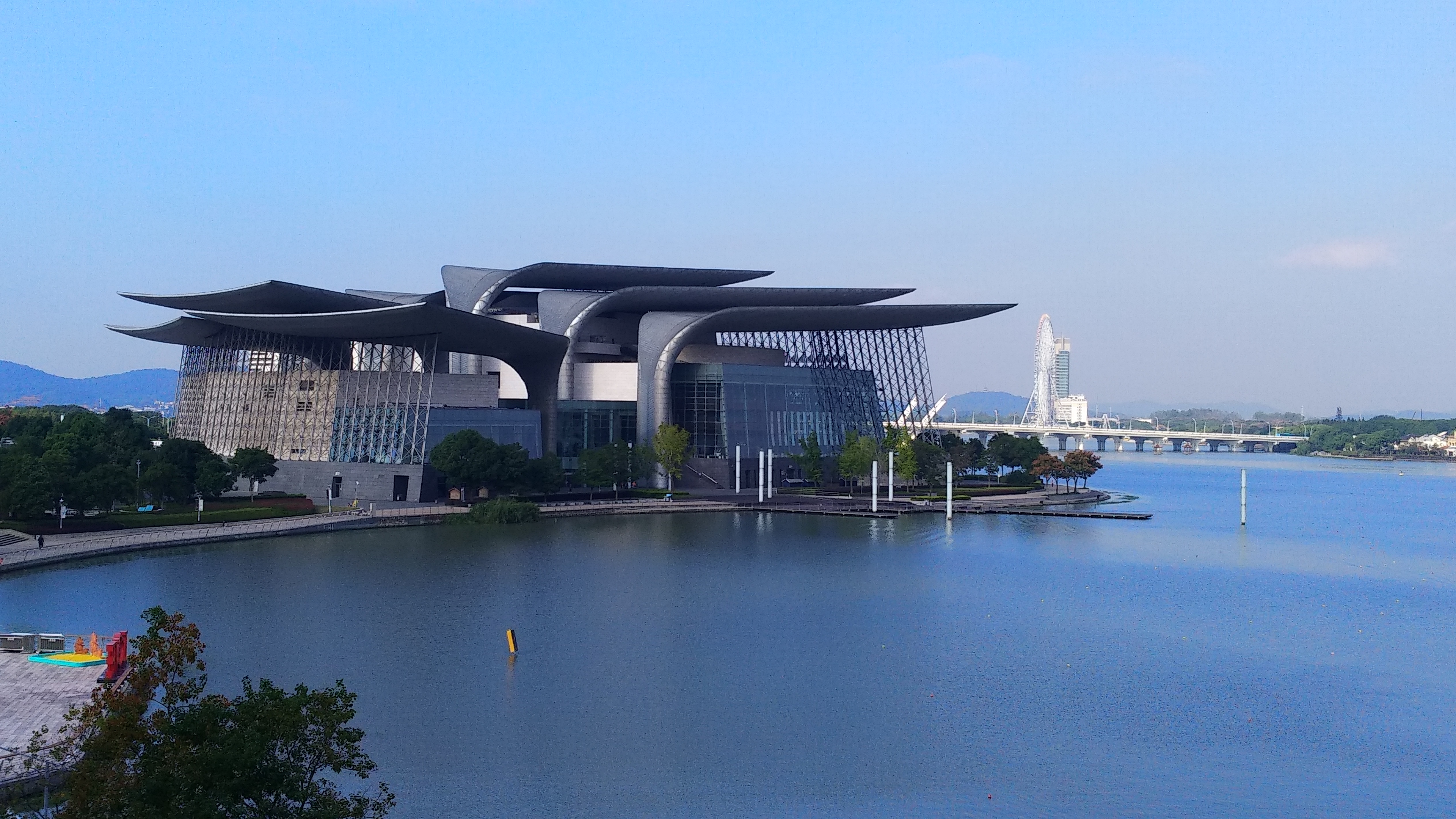
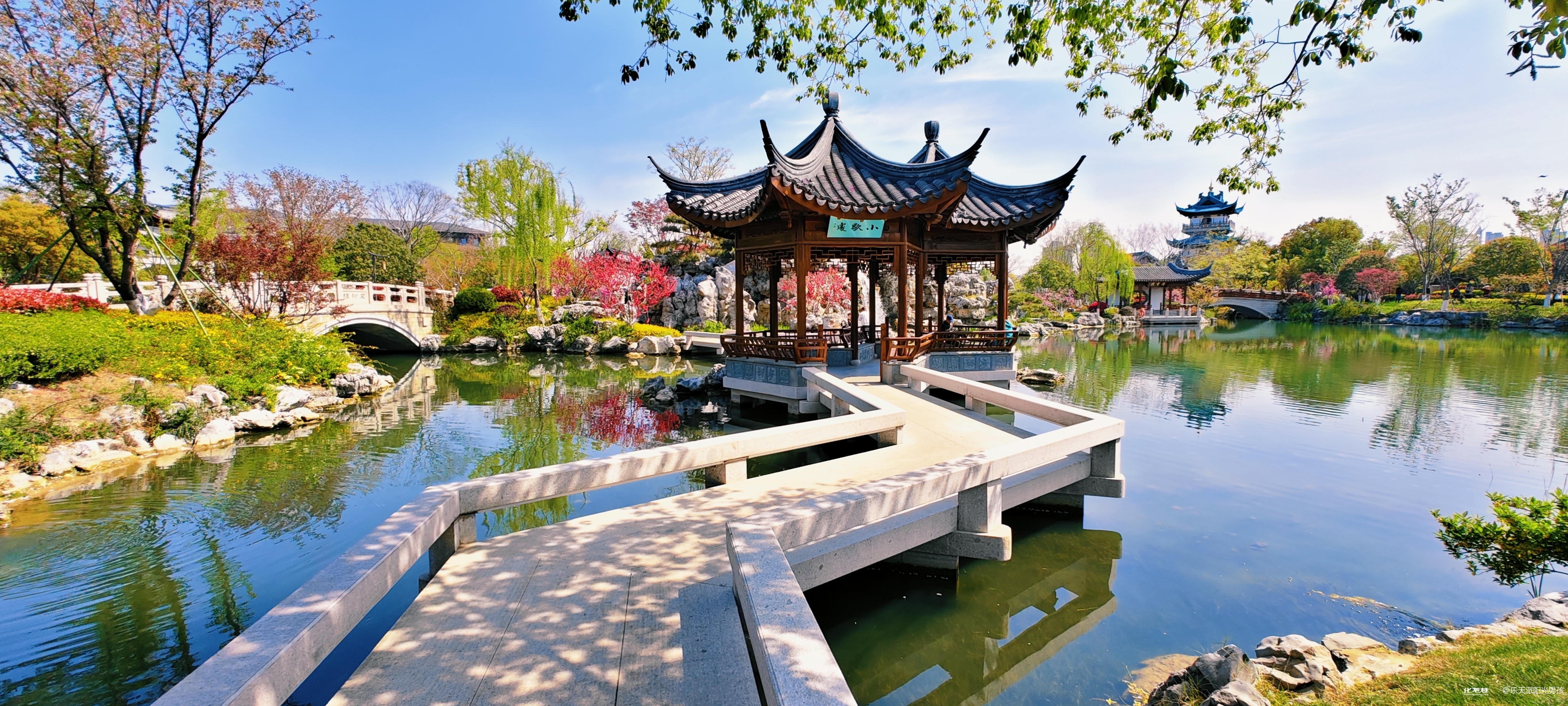
Yangzhou's history spans over 2,500 years, beginning as a small settlement called Hancheng in 486 BC. The city's strategic location at the intersection of the Yangtze River and Grand Canal transformed it into a major commercial hub.
During the Tang Dynasty (618-907), Yangzhou became China's wealthiest city outside the capital. Arab and Persian merchants established communities here, making it a cosmopolitan center of international trade. The city's prosperity attracted poets, artists, and scholars, earning it the reputation as a cultural paradise.
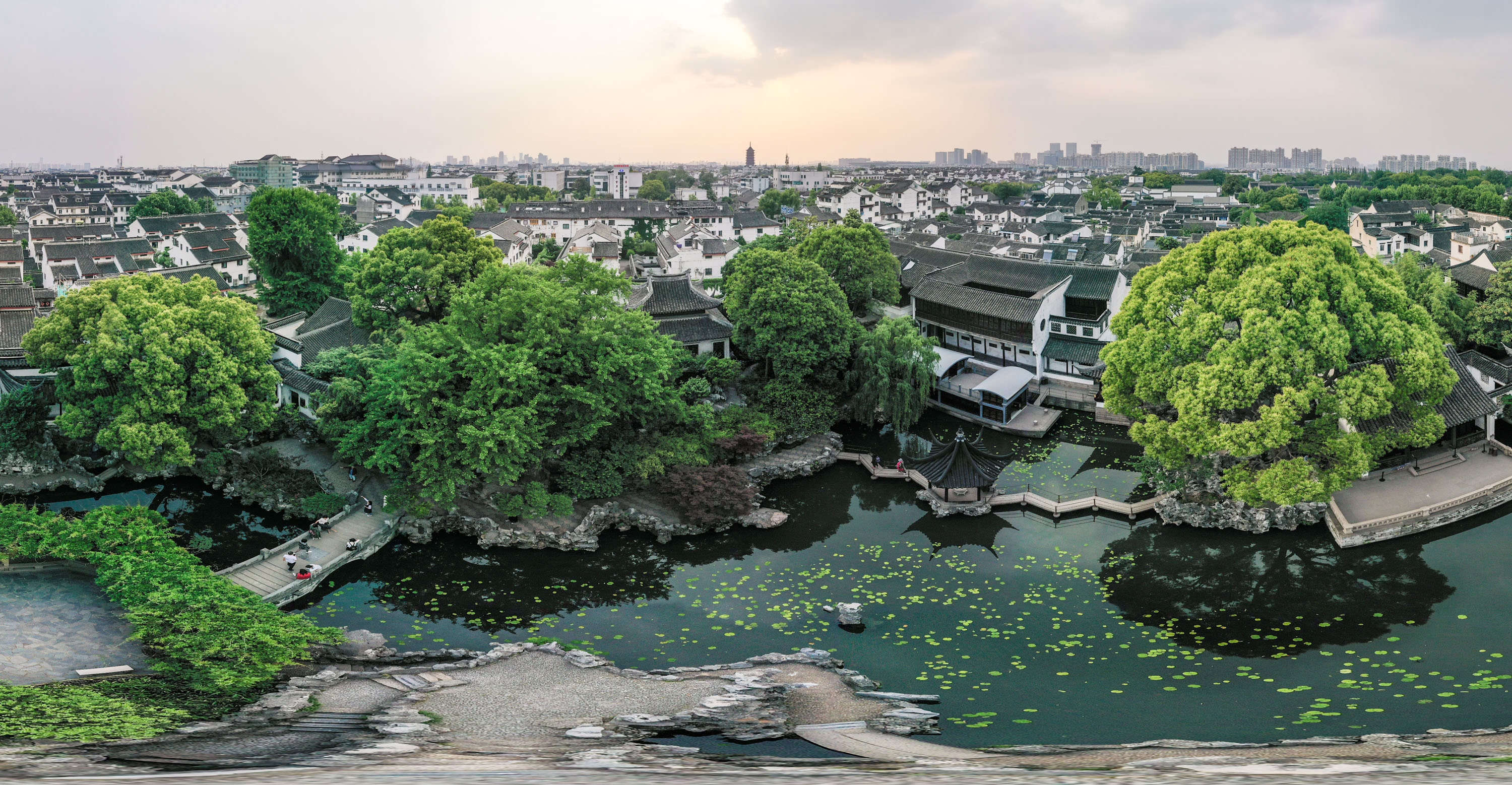
The Ming and Qing dynasties (1368-1911) marked Yangzhou's golden age. Salt merchants accumulated enormous wealth and invested in garden construction, creating masterpieces like Ge Garden and He Garden. The city became synonymous with refined living, sophisticated cuisine, and artistic achievement. The "Eight Eccentrics of Yangzhou" challenged conventional painting styles with innovative approaches.
The Grand Canal's commercial importance declined in the late 19th century with the rise of maritime trade and railways. Yangzhou transitioned into a quieter city, preserving its heritage while other cities rapidly industrialized. Since the reform era, Yangzhou has developed tourism and light industry while maintaining its historic character, earning recognition as a UNESCO World Heritage site for the Grand Canal.