Seven days. Four cities. One thousand years of Chinese civilization connected by the world's fastest trains. This is the definitive guide to exploring Shanghai and its spectacular surroundings — from neon-lit skyscrapers to moonlit canal towns, from imperial gardens to mist-wrapped tea mountains. No car needed. No tour bus required. Just a high-speed rail ticket and a sense of wonder.
This guide covers a complete 7-day loop: Shanghai → Suzhou → Wuzhen → Hangzhou → Shanghai. Each city connects by high-speed rail in 30–60 minutes. You'll spend less time in transit than most people spend commuting to work, and every destination rewards you with a completely different slice of Chinese history, food, and scenery.
The 7-Day Route at a Glance
Here is the route that thousands of Chinese travelers swear by — refined, tested, and optimized for international visitors:
| Day | City | Highlights | Transport |
|---|---|---|---|
| 1 | Shanghai | The Bund, Yu Garden, Nanjing Road, Old City | Metro / walk |
| 2 | Shanghai | French Concession, Wukang Road, Tianzifang, Jing'an Temple | Metro / walk |
| 3 | Suzhou | Humble Administrator's Garden, Pingjiang Road, Shantang night | HSR 30 min |
| 4 | Wuzhen | West Scenic Area, canal boat ride, night lanterns | Bus 1.5 h |
| 5 | Hangzhou | West Lake, Broken Bridge, Three Pools, Leifeng Pagoda | Bus + HSR 1 h |
| 6 | Hangzhou | Lingyin Temple, Longjing Tea Village, Xiaohe Street | Bus / bike |
| 7 | Shanghai | Xintiandi, last-minute shopping, departure | HSR 1 h |
The entire loop uses China's world-class high-speed rail network. Shanghai to Suzhou takes 30 minutes. Suzhou to Hangzhou takes about 90 minutes. Hangzhou back to Shanghai takes one hour. You spend more time eating dumplings than sitting on trains.
Days 1–2: Shanghai — Bund, French Concession & Old City
Day 1 Morning: Yu Garden & the Old City
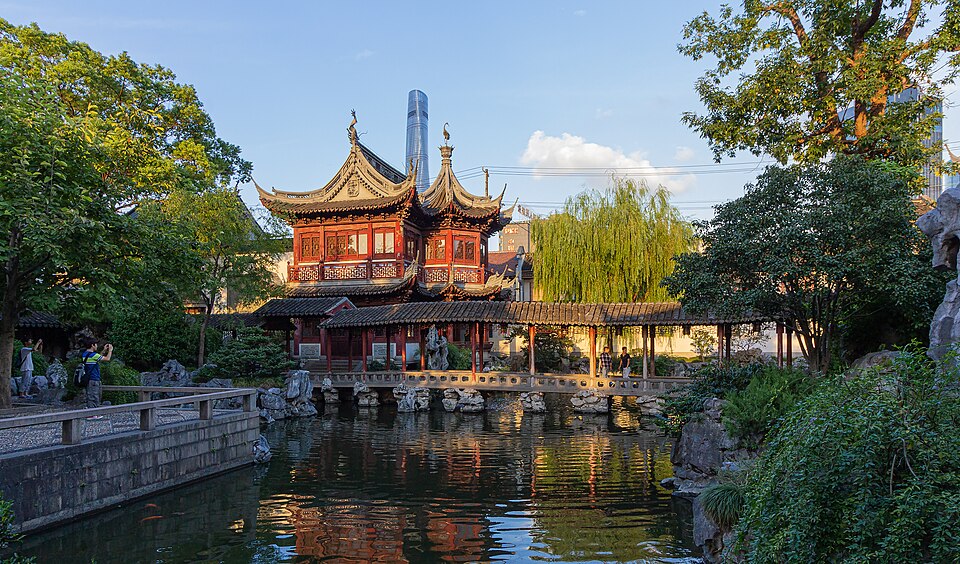
Start early. Yu Garden (豫园, ¥40, ~$5.50) opens at 8:45 AM. Built in 1559 during the Ming Dynasty, this two-hectare garden is a compressed universe of pavilions, rockeries, dragon walls, zigzag bridges, and lotus ponds. The famous Nine-Turn Bridge outside was designed with nine turns because evil spirits, according to Chinese superstition, can only travel in straight lines.
The surrounding Old City Bazaar sells xiaolongbao (soup dumplings) from Nanxiang Mantou Store on the second floor — locals skip the ground-floor tourist trap. Expect to spend two hours here.
Day 1 Afternoon: The Bund & Nanjing Road
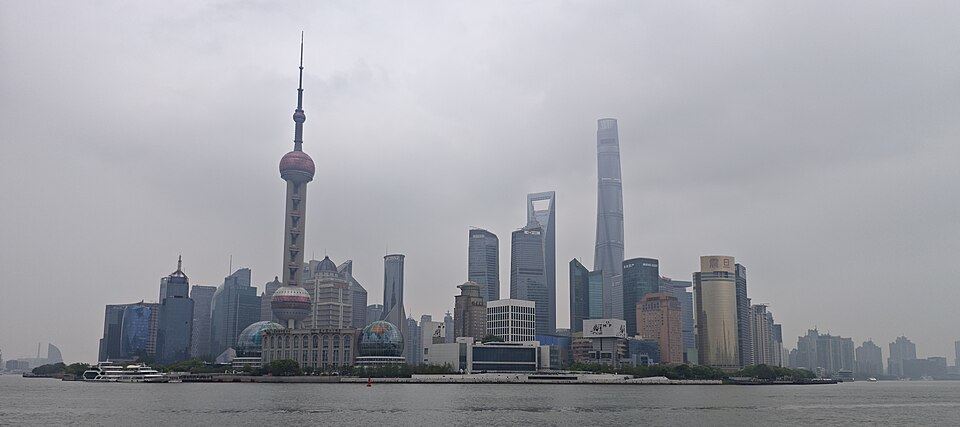
Walk or take the metro to Nanjing Road Pedestrian Street — Shanghai's premier shopping avenue, 5.5 kilometers of flagship stores, century-old brands, and street performers. Walk eastward toward the Bund. When you reach the waterfront promenade, turn and face Pudong. The Shanghai Tower across the river is the second-tallest building on Earth at 632 meters. The observation deck costs ¥180. But honestly, the view from the Bund looking east is already perfect.
Day 1 Evening: Bund Night Walk
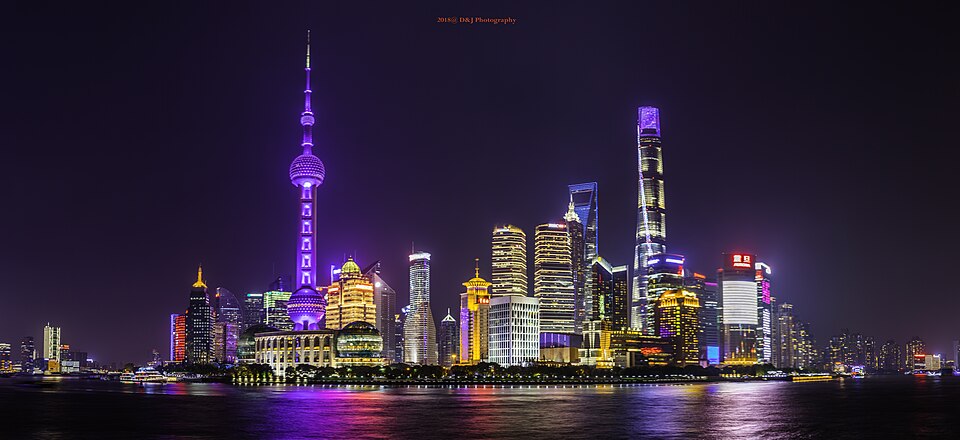
After dinner (try Lao Ban Zhai on Fuzhou Road), walk the Bund again at night. The colonial buildings are floodlit. The Pudong skyline blazes with LED displays. Local couples take wedding photos. Street musicians play jazz.
Day 2 Morning: French Concession & Wukang Road
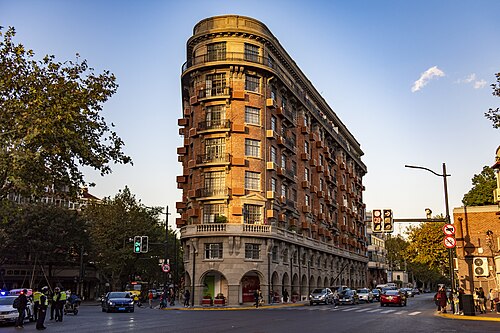
If Day 1 was Shanghai the megacity, Day 2 is Shanghai the neighborhood. Start at Wukang Mansion, the flatiron-shaped former Normandie Apartments — Shanghai's most photographed building. Walk north along Wukang Road, a narrow lane lined with plane trees whose branches form green tunnels overhead. Stop for coffee at Metal Hands, a Beijing-born specialty coffee roaster (latte ¥35).
Day 2 Afternoon: Tianzifang & Jing'an Temple
Tianzifang is a warren of narrow alleyways in old Shikumen stone-gate neighborhoods — artists, boutiques, food stalls (scallion pancakes ¥5, stinky tofu ¥10). Then Jing'an Temple (¥50): a Buddhist temple in the middle of Shanghai's most expensive shopping district. The golden Buddha inside is 3.8 meters tall and weighs 15 tons.
Day 2 Evening: Xintiandi & Jazz
Xintiandi — restored Shikumen lanes with upscale restaurants and wine bars. For something more soulful, head to the Cotton Club on Fuxing West Road — Shanghai's most storied live jazz venue (open nightly from 9 PM, cover ¥80–120 including one drink).
Day 3: Suzhou — Classical Gardens & Moonlit Canals
There is a saying in Chinese: Shang you tiantang, xia you Su Hang — "Above there is heaven; below there are Suzhou and Hangzhou." Suzhou is a 2,500-year-old city of canals, silk, opera, and UNESCO-classical gardens. And it is only 30 minutes from Shanghai by high-speed rail.
Morning: Humble Administrator's Garden ¥70 peak / ¥50 off-peak
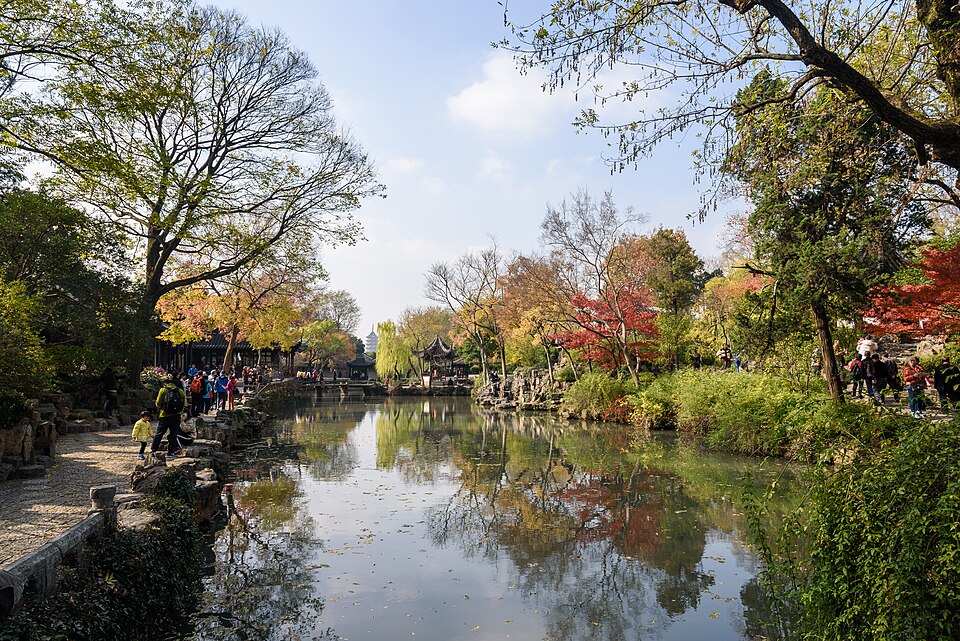
Built in 1513 by a retired government official, this 51,950 m² garden is divided into Eastern, Central, and Western sections. The Central Garden is the masterpiece — lotus ponds, covered corridors, pavilions, and borrowed scenery that makes you forget you're in a city of 12 million. Arrive at opening time (7:30 AM) to beat the tour groups. Two hours minimum; three is ideal.
Right next door: the Suzhou Museum, designed by I.M. Pei. Free entry but book online 7+ days in advance.
Afternoon: Pingjiang Road
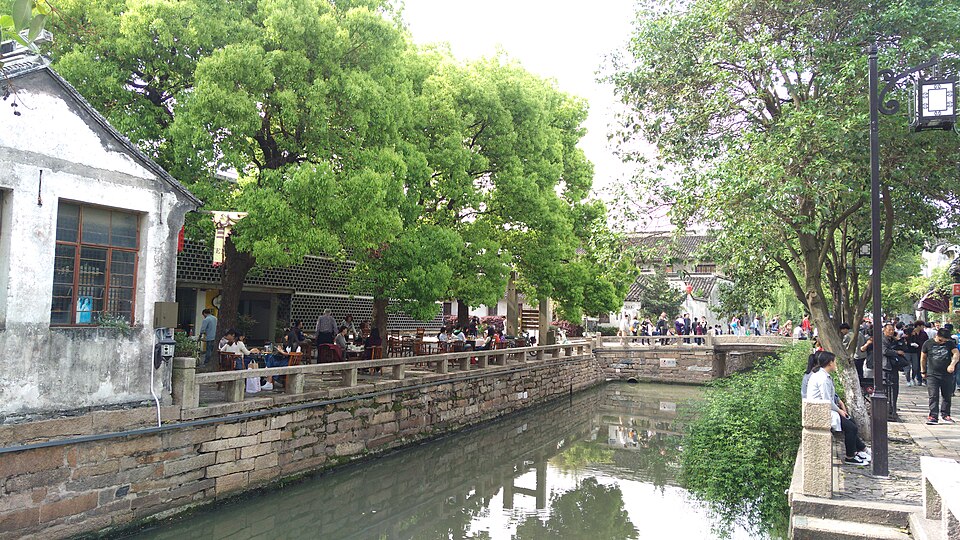
Pingjiang Road is a 1,600-meter stone-paved lane running alongside a narrow canal — a commercial street since the Song Dynasty (960–1279). Today it hosts tea houses, Kunqu opera performances, calligraphy workshops, and restaurants. Stop at Pin Shang Pin for Biluochun green tea (¥25–40). Walk slowly. Sit on a canal-side bench. Watch a wooden boat glide by.
Evening: Shantang Street at Night
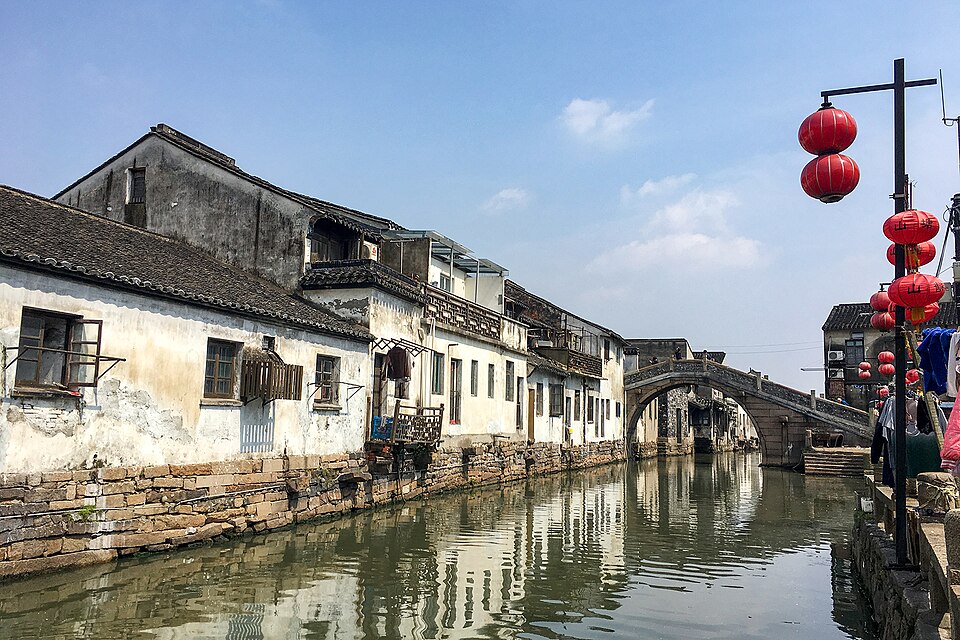
Shantang Street was built in 825 AD by Tang Dynasty poet Bai Juyi when he was governor of Suzhou. Walk past the first 360 touristy meters to where the crowds thin. Then turn around: the lantern-lit canal, humpback bridges, and silhouettes of whitewashed rooftops create one of the most beautiful nightscapes in China. For dinner: Songhelou (established 1737) for squirrel-shaped Mandarin fish (¥188).
Day 4: Wuzhen — A Thousand-Year Water Town After Dark
Wuzhen is not the only water town near Shanghai, but its West Scenic Area (西栅) is the most complete, atmospheric, and beautifully lit at night. It is also where the annual Wuzhen Theatre Festival takes place every October.
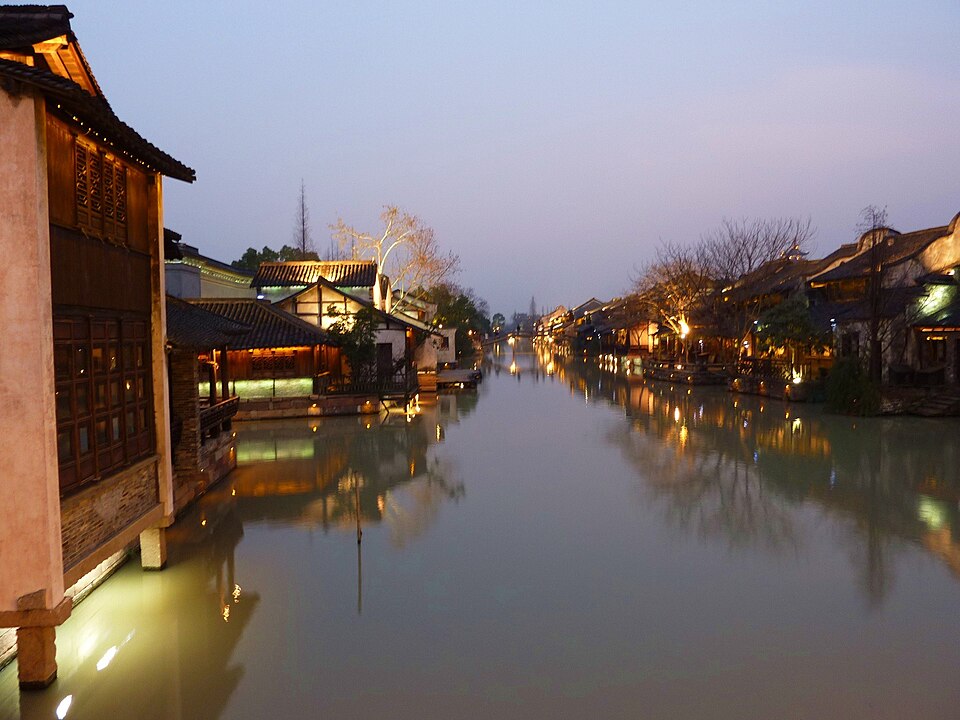
Daytime: Exploring West Scenic Area ¥150
Entry includes a free boat ride through the canal network. The West area is a living museum — restored traditional houses converted into hotels, restaurants, indigo-dye workshops, soy sauce breweries, and silk museums. Walk across the 400-year-old Fuxing Bridge. Visit the Wuzhen Post Office, established in the Ming Dynasty and still operational — send yourself a postcard.
For lunch: white water fish (白水鱼, ¥68), red-braised mutton (红烧羊肉, ¥58), handmade tofu pudding with sweet osmanthus syrup (桂花糖藕).
Night: The Wuzhen Light Show
This is why you stayed overnight. When the sun sets, Wuzhen transforms. Hundreds of warm-toned lanterns illuminate the wooden houses, stone bridges, and canal banks. Traditional boats with red lanterns glide silently. Find a seat on the stone steps near the bridge, order a glass of yellow wine, and watch the reflections dance on the water. One of the most romantic scenes in all of China.
Days 5–6: Hangzhou — West Lake, Temples & Tea Mountains
Hangzhou's West Lake is the reason Marco Polo called it "the finest and most splendid city in the world." The Chinese government abolished entry fees in 2002, making it one of the most generous public spaces on Earth.
Day 5 Morning: The Northern Causeway & Broken Bridge
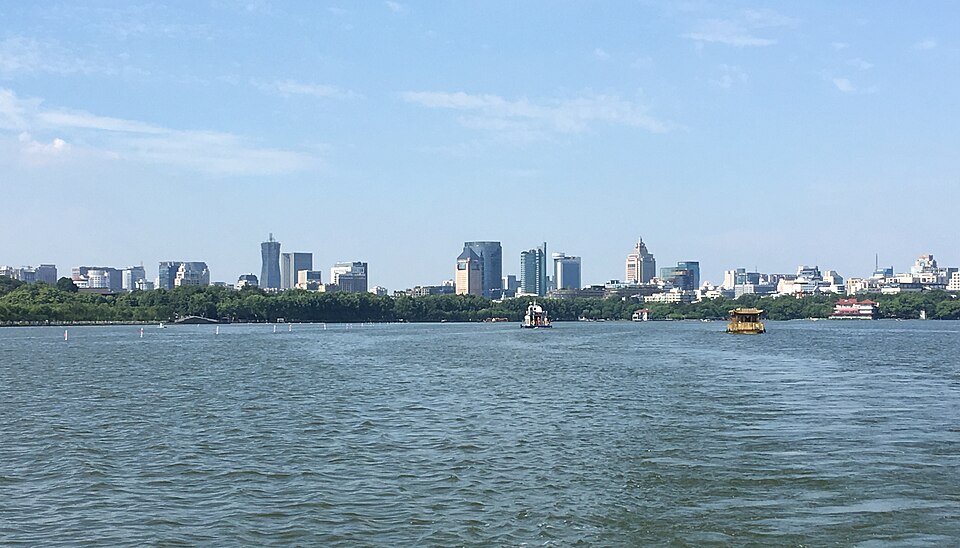
Start at Broken Bridge (断桥) — the most famous bridge in Chinese literature, where the White Snake met her mortal lover. Walk west along the Bai Causeway, named after Tang poet Bai Juyi, lined with peach trees and willows. On a misty morning, with the hills faded to watercolor, you'll understand why Chinese poets have been writing about this view for 1,200 years.
Day 5 Afternoon: Boat to Three Pools & Leifeng Pagoda
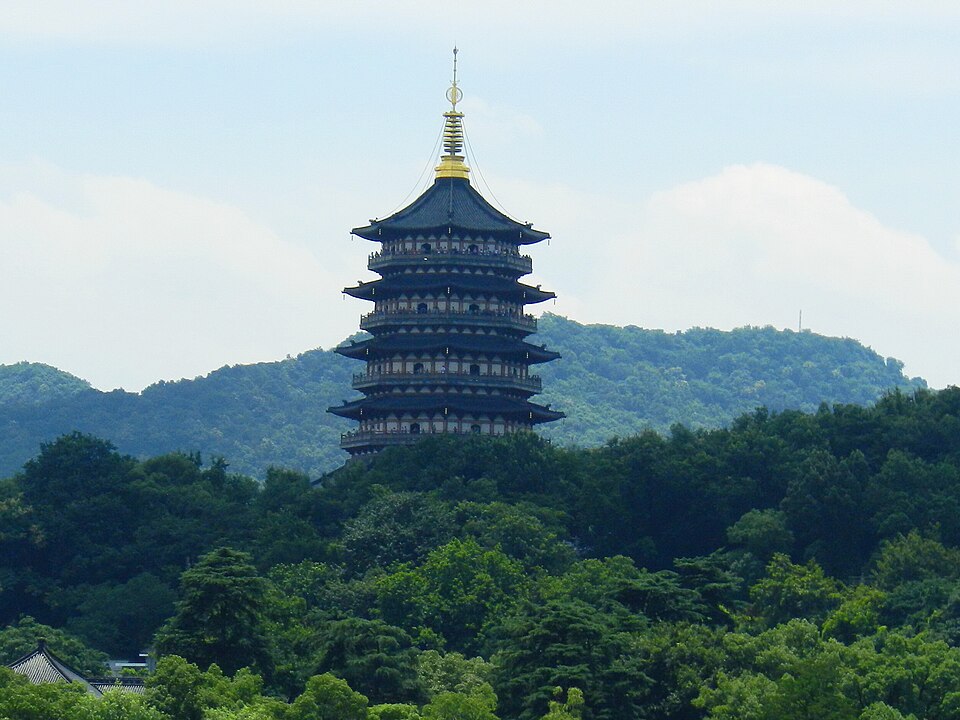
Take a boat to Three Pools Mirroring the Moon (¥70 including boat). The three small stone pagodas appear on the back of the ¥1 bill. Then Leifeng Pagoda (¥40) — the view from the observation deck is the single best vantage point in Hangzhou.
Day 5 Evening
Walk along Hubin Road — cafes, bookstores (the stunning Zhongshuge), and the lake's musical fountain show (7:00 & 8:00 PM, free). Dinner at Louwailou (established 1848): West Lake Vinegar Fish (¥128), Dongpo Pork (¥68), Longjing Shrimp (¥148).
Day 6 Morning: Lingyin Temple & Feilai Peak ¥30 + ¥45
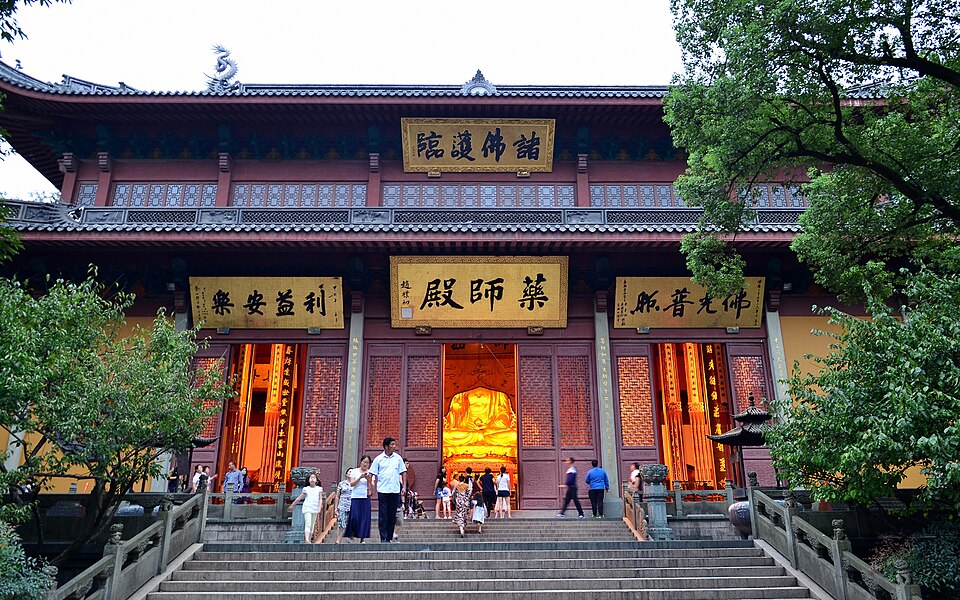
Founded in 326 AD by an Indian monk, Lingyin Temple's approach passes through Feilai Peak — a limestone cliff carved with 470 Buddhist statues from the 10th–14th centuries. Inside, the Grand Hall houses a 24.8-meter Shakyamuni Buddha carved from 24 pieces of camphor wood. Monks perform ceremonies daily at 6:00 AM and 4:00 PM; visitors welcome to observe quietly.
Day 6 Afternoon: Longjing Tea Village & Meijiawu
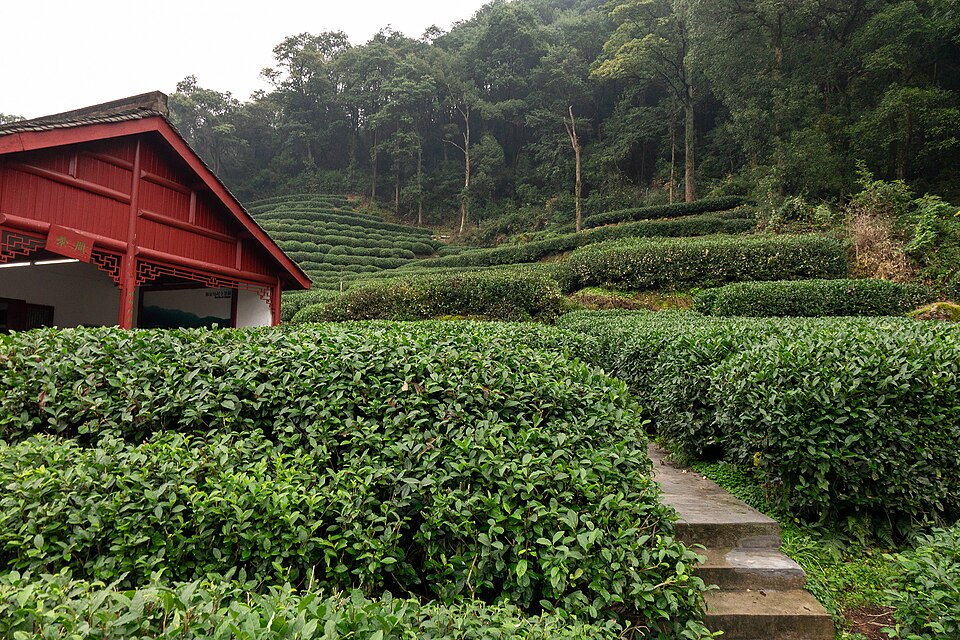
From Lingyin, take Bus Y2 or taxi 3 km to Longjing Village. This is where Dragon Well tea is grown, harvested, and roasted. Sit at a tea farmer's house for a tasting (¥30–60/person). The farmer will explain the four criteria of good Longjing: color (green-gold), fragrance (chestnut-like), taste (sweet aftertaste), and shape (flat, smooth leaves). Buy directly from the farmer — pre-Qingming grade ¥400–800/100g; summer tea ¥80–150.
Continue to Meijiawu Tea Culture Village — lunch at a family-run nongjiale (farmhouse restaurant): free-range chicken stew, stir-fried bamboo shoots, tea-smoked duck (¥60–90/person).
Day 6 Evening: Xiaohe Street & Grand Canal
Return to the city for Xiaohe Direct Street, a restored historic neighborhood along the Grand Canal (UNESCO). Walk north to Gongchen Bridge (built 1631), the southern terminus of the Grand Canal. Three free museums nearby: China Umbrella Museum, China Fan Museum, and China Knife, Scissors & Sword Museum.
Day 7: Shanghai — Final Bites & Departure
Take the morning HSR from Hangzhou East to Shanghai Hongqiao (1 hour, ¥73). If you have time before your flight:
- Shanghai Museum (People's Square) — Free, world-class bronze, ceramics, calligraphy. 2–3 hours.
- People's Square Marriage Market (Saturdays) — Parents advertise unmarried children with hand-written profiles. Surreal and fascinating.
- Shanghai Tower Observation Deck (¥180) — 546 meters. The glass walkway on the top floor can feel like standing on air.
What to Eat: A City-by-City Food Guide
The Yangtze River Delta is one of China's great culinary regions. Each city has distinct specialties:
Shanghai
- 🫕 Xiaolongbao (soup dumplings) — Thin skin, hot broth. ¥30–50 at Nanxiang Mantou Store (2F).
- 🥟 Shengjian mantou (pan-fried pork buns) — Crispy bottoms, juicy filling. ¥15–25 at Yang's Dumpling.
- 🥞 Congyoubing (scallion pancakes) — Street food, ¥5–10, best fresh from a cart.
- 🍖 Hongshao rou (red-braised pork belly) — Melting, sweet, savory. Every local restaurant has their version. ¥38–68.
Suzhou
- 🐟 Squirrel-shaped Mandarin fish — Boned, scored, deep-fried, sweet-and-sour sauce. Songhelou's signature. ¥188.
- 🥮 Suzhou-style mooncakes — Flaky pastry with savory pork or sweet red bean. ¥5–15 from Daoxiangcun.
- 🍵 Biluochun tea — Delicate spring green tea. ¥40–80/glass at Pingjiang Road tea houses.
Wuzhen
- 🐟 White water fish — Steamed whole, light and clean. ¥68.
- 🍖 Red-braised mutton — Slow-cooked with soy sauce and sugar. ¥58.
- 🍮 Osmanthus tofu pudding — Lotus root stuffed with sticky rice, osmanthus syrup. ¥18.
Hangzhou
- 🐟 West Lake Vinegar Fish — Poached grass carp in sweet-vinegar sauce. Louwailou's signature. ¥128.
- 🍖 Dongpo Pork — Named after poet Su Dongpo. Braised pork belly in a clay pot. ¥68.
- 🍤 Longjing Shrimp — River shrimp stir-fried with fresh Longjing tea leaves. ¥148.
Getting Around: High-Speed Rail & Local Transit
| Route | Duration | 2nd Class Price | Frequency |
|---|---|---|---|
| Shanghai → Suzhou | 25 min | ¥39.5 | Every 5–10 min |
| Suzhou → Tongxiang/Jiaxing | 30 min | ¥15–25 | Every 20 min |
| Tongxiang → Hangzhou | 30–45 min | ¥35–60 | Every 15 min |
| Hangzhou → Shanghai | 1 hour | ¥73 | Every 10 min |
How to buy tickets: Download the Trip.com app or use 12306.cn (English available). E-tickets linked to your passport — just swipe at the gate.
Within cities: Shanghai Metro (¥3–7/ride, 20 lines), Suzhou Metro (4 lines, Old Town walkable), Hangzhou Metro + shared bikes, Wuzhen — walking only. Essential apps: Alipay, DiDi, Gaode Maps, Baidu Translate.
Budget Breakdown: How Much Will This Trip Cost?
| Category | Budget | Mid-Range | Comfortable |
|---|---|---|---|
| Accommodation (7 nights) | ¥560 | ¥2,100 | ¥5,600 |
| Food (7 days) | ¥560 | ¥1,400 | ¥3,500 |
| Transport | ¥400 | ¥500 | ¥800 |
| Attractions & tickets | ¥400 | ¥500 | ¥600 |
| TOTAL (per person) | ¥1,920 (~$265) | ¥4,500 (~$620) | ¥10,500 (~$1,450) |
Prices assume two people sharing a room. Solo travelers add 40–60% to accommodation. As of May 2026, $1 USD ≈ ¥7.2.
Packing List & Practical Tips
- Passport: Required everywhere — train tickets, hotels, attractions. Carry it at all times.
- Comfortable shoes: You'll walk 15,000–25,000 steps/day. Do not bring new shoes.
- Power bank (20,000 mAh): Your phone drains fast from maps, photos, and payments.
- Umbrella/rain jacket: April–June is rainy season. The gardens and water towns are actually more beautiful in the rain.
- Alipay & WeChat Pay: Cash is becoming obsolete. Set up Alipay's international version before arrival.
- SIM/eSIM: China Unicom/China Mobile SIM at airport (¥50–100 for 10GB/week). Or Airalo/BetterRoaming eSIM.
- VPN: Install before arrival — Google, Instagram, WhatsApp, and Gmail are blocked.
- Best time: March–May (spring) or September–November (autumn). Avoid Golden Week (May 1–5) and National Day (Oct 1–7).
Safety, Scams & Staying Smart
Shanghai, Suzhou, Wuzhen, and Hangzhou are among the safest cities in Asia. Violent crime against tourists is virtually nonexistent. A few practical notes:
- "Tea ceremony" scam: Friendly strangers in tourist areas may invite you for tea then present a ¥2,000+ bill. Decline unsolicited invitations.
- "Art student" scam: Near the Bund, people claiming to be art students invite you to their "gallery" — pressure to buy overpriced art. Keep walking.
- Unlicensed taxis: Use DiDi instead of hailing cabs. Licensed taxis always use meters.
- Tap water: Not drinkable. Buy bottled water (¥2–3) or drink boiled water from hotels and restaurants.
- Toilets: Public toilets generally clean in tourist areas. Carry your own tissue.
Sources & References
- 小饼干 — "魔都出发!沪苏杭5天4夜精华路线攻略" (Xiaohongshu, Sep 2025)
- 带着小熊去旅游 — "上海周边短途高铁游" (Xiaohongshu, Apr 2026)
- 断了线的风筝 — "苏杭沪7天6夜旅游攻略" (Xiaohongshu, Nov 2025)
- UNESCO — Classical Gardens of Suzhou
- UNESCO — West Lake Cultural Landscape of Hangzhou
- UNESCO — The Grand Canal
- China Railway 12306 — Official train schedules