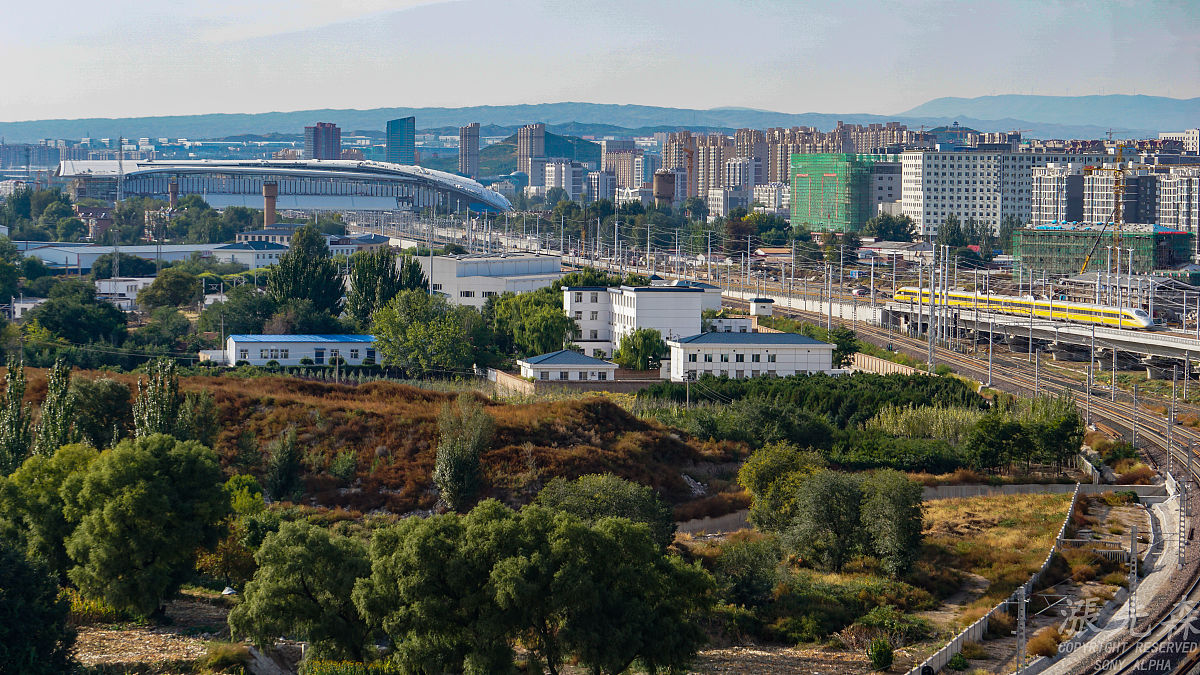
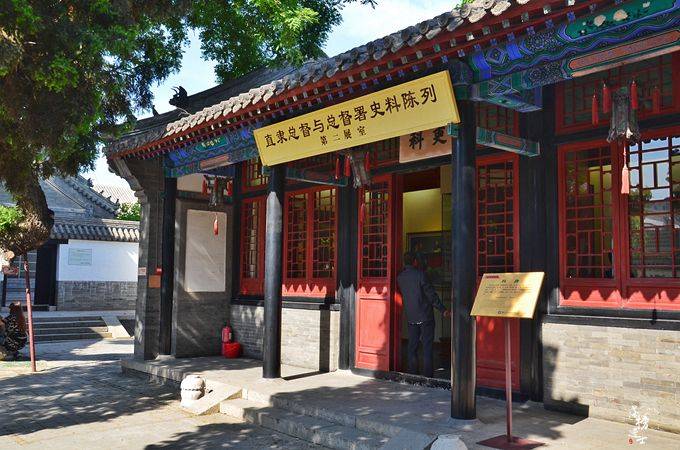
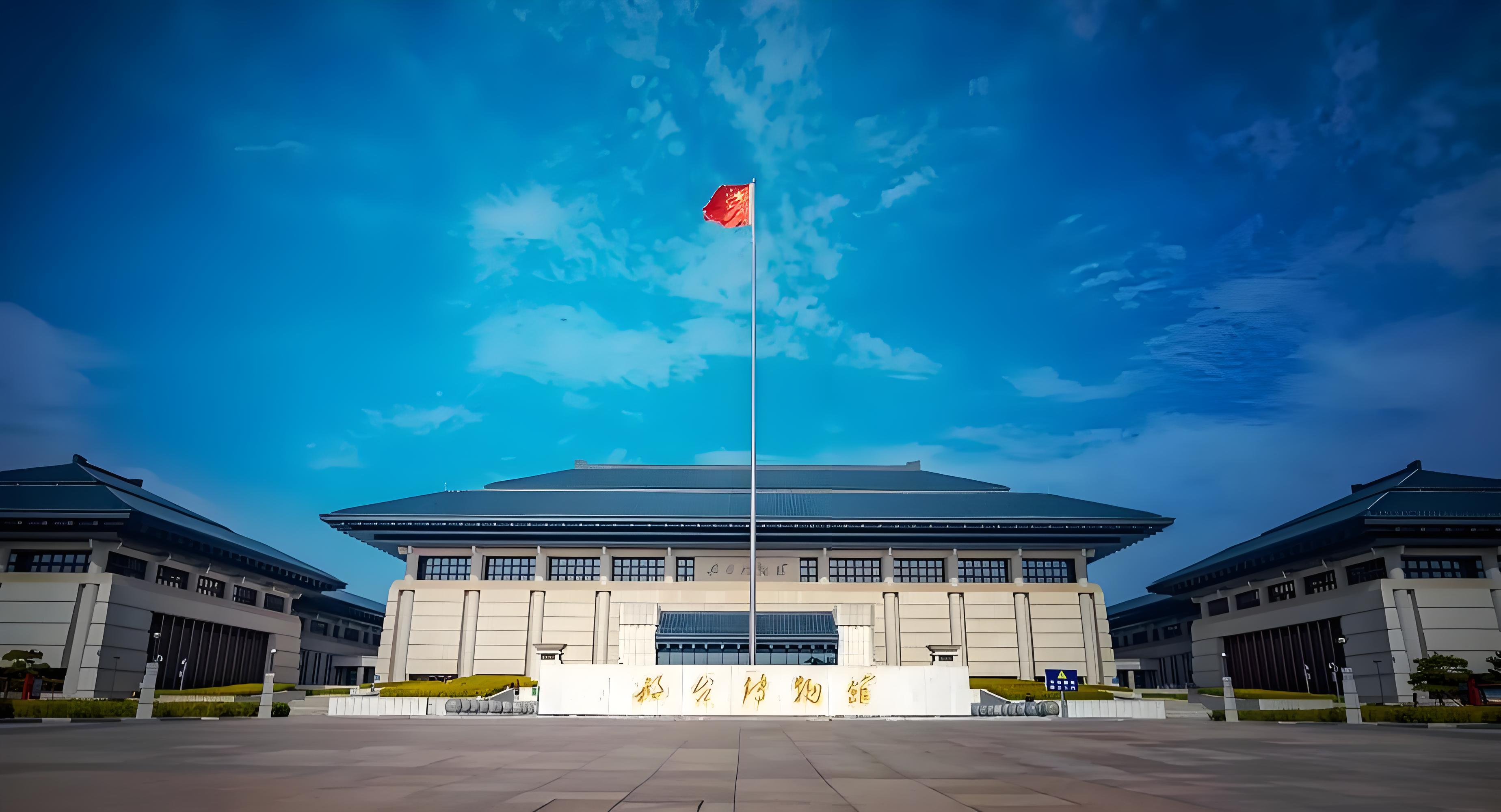
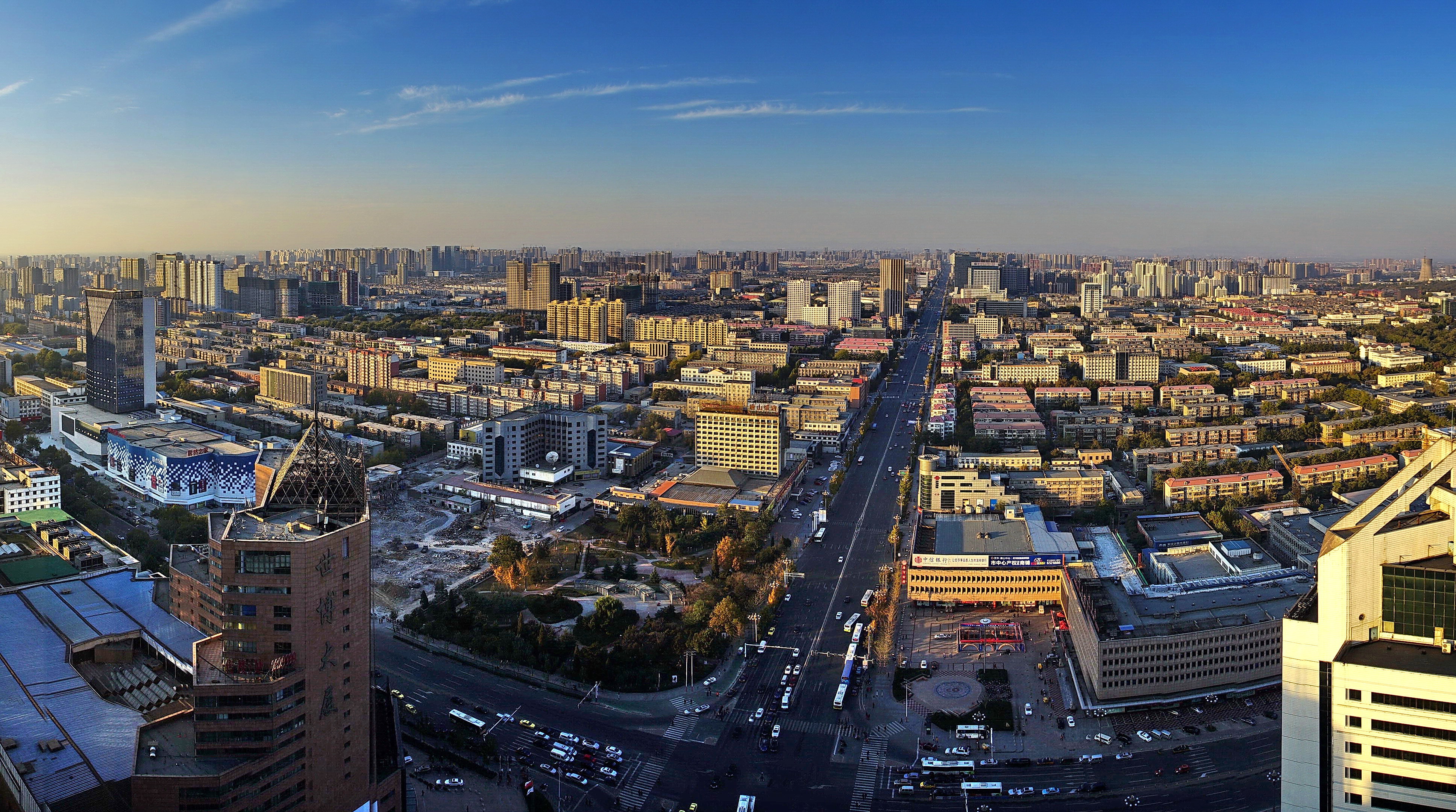
Dingzhou city skyline and landmarks (定州) - Travel China Guide

Dingzhou Travel Guide

An ancient city with 2,500 years of history, home to the tallest ancient brick pagoda in China and the legendary Liaodi Pagoda that once guarded the North China Plain.

About

Dingzhou, an ancient city with over 2,500 years of recorded history, sits on the North China Plain about 70 kilometers south of Baoding. The city's most iconic landmark is the Liaodi Pagoda, an 84-meter-tall Song Dynasty brick pagoda that has stood watch over the plain for nearly a thousand years — it is the tallest ancient brick pagoda in China.

During the Warring States period, Dingzhou was part of the powerful Zhongshan Kingdom, a state founded by the White Di people that developed a distinctive culture blending Central Plains and nomadic traditions. Archaeological discoveries at the Zhongshan ruins have yielded stunning bronze and gold artifacts that now grace museums worldwide.

The city reached another peak during the Qing Dynasty as an important cultural center, evidenced by the well-preserved Imperial Examination Hall where scholars once competed for the chance to become government officials. The Confucian Temple stands as a testament to Dingzhou's long tradition of learning.

Today, Dingzhou balances its rich historical heritage with modern development. The city is known for its automotive parts industry, traditional food specialties, and growing wine tourism. Its compact size makes it an ideal day trip from Baoding or Shijiazhuang, offering a glimpse into the deep layers of Chinese civilization that accumulated in this small but historically significant city.

History & Development

Dingzhou's history stretches back to the Spring and Autumn period (770-476 BC) when it was part of the State of Qi. During the Warring States period (475-221 BC), the area became central to the Zhongshan Kingdom, a rare state founded by the White Di nomadic people that adopted Chinese culture while retaining its own distinct identity. Archaeological discoveries from this period include the famous gold and silver inlaid bronze artifacts.

In the Han Dynasty (206 BC-220 AD), the area was known as Zhongshan Commandery and was the fief of several imperial princes. During the Northern Song Dynasty, the Liaodi Pagoda was built over 54 years as both a Buddhist monument and a military observation tower.

The city flourished during the Ming and Qing Dynasties as a prefectural seat. The Imperial Examination Hall was built during the Qing Dynasty, reflecting Dingzhou's status as an educational center. Many local scholars passed the imperial exams and went on to serve as officials throughout the empire.

In modern times, Dingzhou was designated a county-level city under Baoding's administration. It has developed a diversified economy while maintaining its historical character, becoming a national historical and cultural city known for its well-preserved ancient architecture.

Economy & Industries

Dingzhou's economy is primarily driven by manufacturing, agriculture, and a growing tourism sector. The city is a significant production base for automotive parts, supplying major automakers including Great Wall Motor and BAIC. The manufacturing sector also includes machinery, textiles, and building materials.

Agriculture remains important, with the fertile North China Plain producing wheat, corn, peanuts, and vegetables. The city is known for its traditional food processing industries, particularly meat products and fermented wines.

In recent years, Dingzhou has actively developed cultural tourism centered on its historical sites. The Huangjia Wine Estate represents a successful example of agritourism, combining wine production with tourism experiences. The city's GDP reached approximately 45 billion RMB in recent years, with steady growth driven by industrial upgrading and service sector expansion.
Top Attractions

🏛️ Landmark

Liaodi Pagoda

The tallest ancient brick pagoda in China, standing at 84 meters with 11 stories. Built during the Northern Song Dynasty (1001-1055 AD) over 54 years, it was originally used as a military observation tower to watch for enemy forces on the vast North China Plain. The pagoda features intricate brick carvings, Buddhist relics, and offers panoramic views from its upper levels.

★★★★ 4.8
🕐 08:00-18:00
🎫 30 yuan
🏛️ Landmark

Dingzhou Imperial Examination Hall

One of the best-preserved imperial examination halls in China, dating back to the Qing Dynasty. The complex includes the main examination building, original examination cells where candidates spent days writing essays, and official quarters. The grand hall features Qing-era calligraphy and provides a vivid glimpse into China's civil service examination system.

★★★★ 4.5
🕐 08:30-17:30
🎫 20 yuan
🏛️ Landmark

Zhongshan Ancient City Ruins

The ruins of the ancient Zhongshan Kingdom capital, a powerful state during the Warring States period (475-221 BC). Archaeological excavations have revealed well-preserved city walls, palace foundations, bronze ritual vessels, jade ornaments, and intricate gold artifacts. The site offers invaluable insights into pre-Qin civilization and the unique culture of the White Di people.

★★★★ 4.3
🕐 08:00-17:00
🎫 15 yuan
⛩️ Temple

Dingzhou Confucian Temple

A grand Confucian temple originally built during the Tang Dynasty, with existing structures dating from the Song and Ming Dynasties. The temple features elegant curved roofs, red lacquered pillars, and a collection of ancient stone steles inscribed with Confucian classics. It served as the center of Confucian learning and civil service exam preparation in ancient Dingzhou.

★★★★ 4.2
🕐 08:00-17:00
🎫 10 yuan
⛩️ Temple

Kaiyuan Temple Pagoda

The pagoda of the historic Kaiyuan Temple, more commonly known as the Liaodi Pagoda. This 84-meter, 11-story brick pagoda is China's tallest ancient pagoda. Built during the Northern Song Dynasty, the pagoda interior features exquisite Song Dynasty murals, Buddhist statues, and ancient inscriptions. The temple grounds contain historical steles and a tranquil garden.

★★★★ 4.6
🕐 08:00-18:00
🎫 25 yuan
🌳 Park

Huangjia Wine Estate

A modern wine estate that produces premium wines using grapes adapted to the local climate. Visitors can tour the vineyards, observe the wine-making process, and enjoy tastings of various vintages. The estate combines traditional Chinese wine culture with modern viticulture and has become a popular agritourism destination in the region.

★★★★ 4
🕐 09:00-17:00
🎫 50 yuan

Food & Culture

Discover the culinary treasures of Dingzhou, from traditional street food to imperial cuisine.

Things to Do

🏛️

Climb Liaodi Pagoda

Ascend the 84-meter pagoda for breathtaking panoramic views of Dingzhou and the vast North China Plain.

Explore the Imperial Exam Hall

Walk through ancient examination cells and imagine the lives of scholars competing in the imperial exams.

Discover Zhongshan Kingdom History

Explore the ancient capital ruins and see Warring States artifacts at the site museum.

⛩️

Visit the Confucian Temple

Admire Song Dynasty architecture, ancient steles, and enjoy the peaceful courtyard atmosphere.

🍜

Wine Tasting at Huangjia Estate

Tour the vineyards and cellar, then sample premium local wines at the estate.

🍜

Taste Dingzhou Local Specialties

Sample Menzi, roasted chicken, Pagao, and hand-broken sausage at local restaurants.

Suggested Itineraries

Dingzhou One-Day Highlights

Experience the best of Dingzhou's ancient architecture and culinary culture in one day.

  • Morning: Liaodi Pagoda and Kaiyuan Temple grounds
  • Lunch: Menzi and roasted chicken at local restaurant
  • Afternoon: Imperial Examination Hall + Confucian Temple
  • Evening: Old city streets and local snacks

Dingzhou History & Culture (2 Days)

An in-depth exploration of Dingzhou's 2,500-year history and cultural heritage.

  • Day 1: Liaodi Pagoda + Imperial Examination Hall + Old City
  • Day 2: Zhongshan Ancient City Ruins + Confucian Temple + Wine Estate
  • Try: Menzi, Pagao, Eight Big Bowls, and Songlao Wine

Getting Around

✈️

Airport

Shijiazhuang Zhengding International Airport is about 80km away (1 hour by car). Beijing Daxing International Airport is about 160km away (2 hours by car).

🚄

High-Speed Rail

Dingzhou East Station on the Beijing-Guangzhou HSR line: Beijing 1 hour, Shijiazhuang 25 minutes, Baoding 15 minutes.

🚌

Bus Network

Public buses connect major attractions within the city. Taxis and ride-hailing apps widely available and affordable.

🚕

Taxi & Rideshare

Available throughout the city

Best Time to Visit

🌸

Spring

Apr - May

★★★★☆

Mild temperatures, blooming flowers, and fresh greenery. Perfect for outdoor sightseeing and temple visits.

  • Mild weather
  • Blooming flowers
  • Fewer tourists
☀️

Summer

Jun - Aug

★★★☆☆

Hot and humid, but early mornings are pleasant. Good for wine estate visits and enjoying cold Pagao snacks.

  • Wine estate visits
  • Local cold snacks
  • Long daylight hours
🍂

Autumn

Sep - Oct

★★★★★

Cool, dry, and sunny — the best season for visiting. Clear skies provide excellent views from the pagoda. Harvest season for local produce.

  • Best weather
  • Clear views from pagoda
  • Harvest season
❄️

Winter

Nov - Mar

★★☆☆☆

Cold and dry, with fewer tourists. Good for exploring indoor attractions like the Imperial Examination Hall museum.

  • No crowds
  • Indoor museum visits
  • Winter food specialties

Continue Exploring China

Discover more cities, food guides, and travel inspiration.