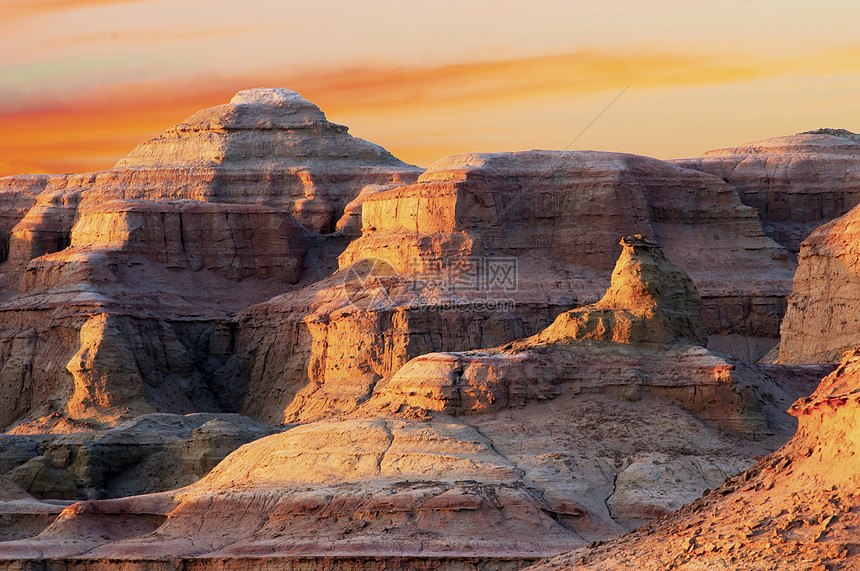
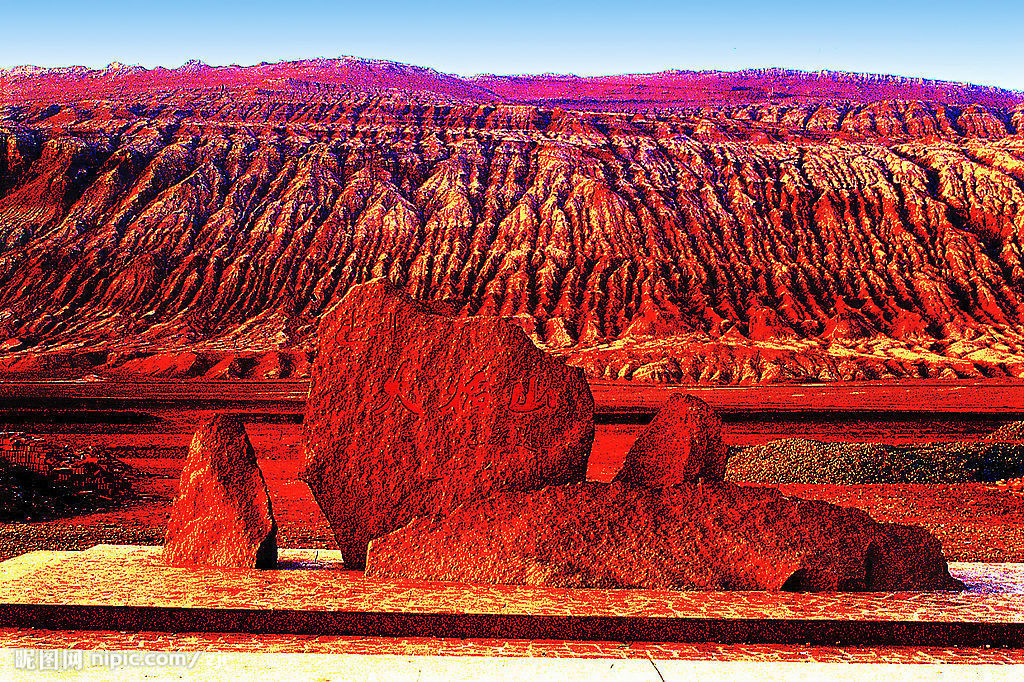
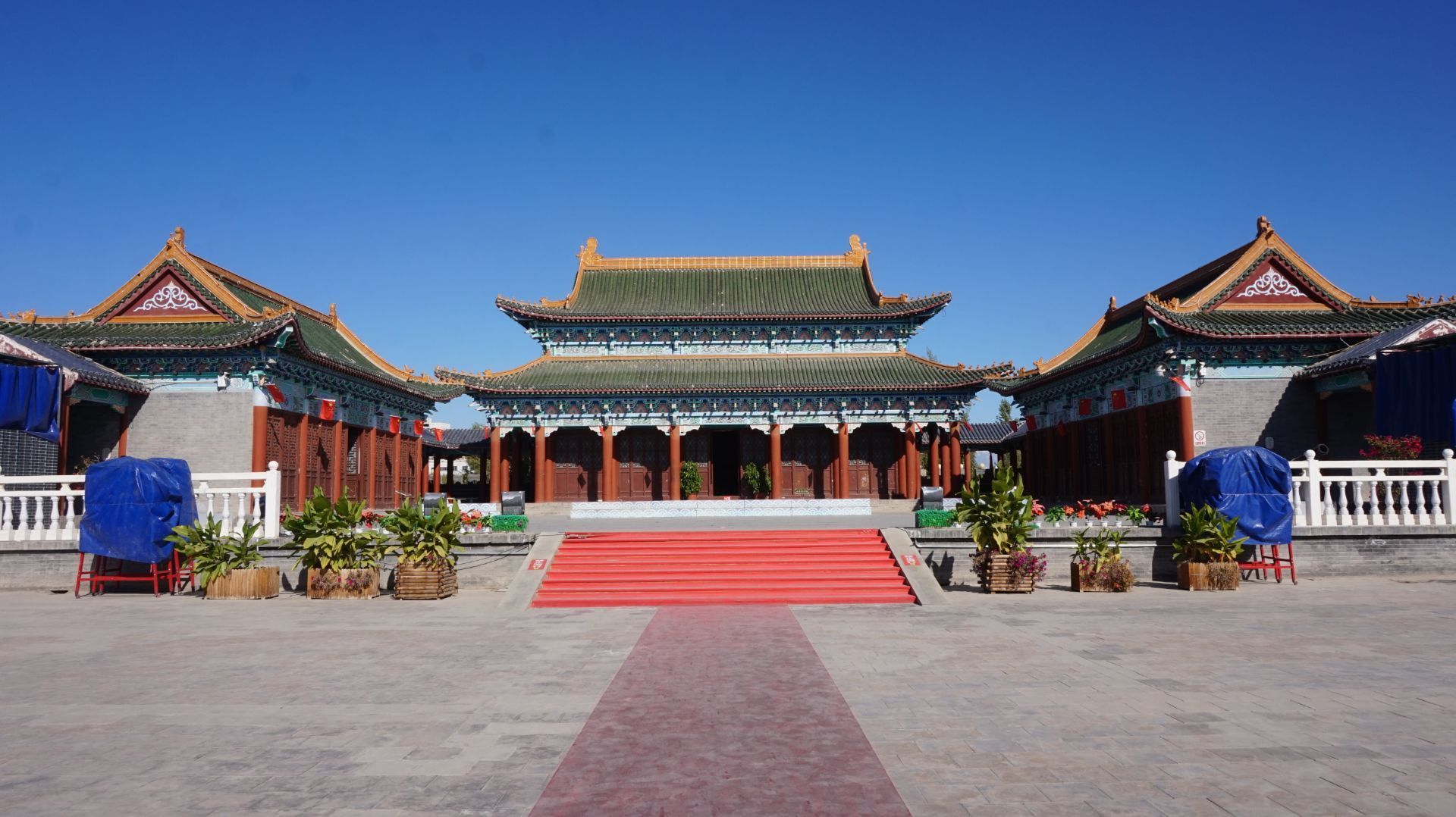
Wulumuqi Area city skyline and landmarks (乌鲁木齐周边) - Travel China Guide

Wulumuqi Area Travel Guide

The gateway to Xinjiang's wonders — from Urumqi's vibrant bazaars to Heavenly Lake's alpine beauty and the fiery Flaming Mountain in Turpan.

About

The Urumqi Area encompasses not just Xinjiang's capital city but a region of extraordinary natural and cultural diversity within easy reach. From the alpine paradise of Heavenly Lake in the Tianshan Mountains to the scorching depths of the Turpan Basin — the second lowest point on Earth — this region offers an unparalleled range of experiences.

Urumqi itself is a fascinating city — the most inland major city in the world, farther from any ocean than any other city. It is a cultural crossroads where Uyghur, Han Chinese, Kazakh, and other ethnic groups coexist. The Grand Bazaar is the sensory heart of the city, where the aromas of cumin-roasted lamb and fresh naan fill the air alongside the music and colors of Central Asia.

Just 110 kilometers east lies Heavenly Lake (Tianchi), one of China's most beautiful alpine lakes. Fed by glacial melt from 5,445-meter Bogda Peak, the lake's turquoise waters reflect snow-capped mountains in a scene of serene beauty. In summer, wildflowers carpet the meadows; in winter, the frozen lake transforms into a crystalline wonderland.

Further south, the Turpan Basin offers a landscape from another world. The Flaming Mountain, its red sandstone glowing under the desert sun, reaches surface temperatures of 70°C — hot enough to fry an egg on the rocks. Yet just minutes away, the Grape Valley provides a lush green oasis where trellises of grapes create shaded tunnels. The ancient Karez irrigation system, a UNESCO-recognized marvel, makes this oasis life possible.

History permeates the region. The Jiaohe Ancient City ruins offer a glimpse into Silk Road civilization that flourished over 2,000 years ago. The Xinjiang Museum houses mummies preserved naturally by the desert — including the 3,800-year-old "Loulan Beauty" — that provide an extraordinary window into ancient Central Asian life.

👥
Population 4 million (Urumqi metro)
📐
Area 14,307 km² (Urumqi prefecture-level)
💬
Language Mandarin Chinese, Uyghur language. Kazakh in some areas.

History & Development

The Urumqi region has been at the crossroads of civilizations for over 2,000 years. As a key node on the Silk Road, it connected China with Central Asia, Persia, and beyond. The Jiaohe Ancient City near Turpan was a thriving Buddhist center from the Han Dynasty (206 BC-220 AD) through the Tang Dynasty (618-907 AD).

The region came under Chinese control during the Han Dynasty when Emperor Wu of Han dispatched Zhang Qian to the Western Regions. For centuries, control alternated between Chinese dynasties and local kingdoms. The Tang Dynasty maintained the "Protectorate of the Western Regions" with control over the area.

During the Qing Dynasty, the region was incorporated into the Chinese empire as part of the Xinjiang province. Urumqi was established as a garrison town and administrative center in the 18th century.

In the 20th century, Urumqi grew from a small oasis town into a major industrial and transport hub. The discovery of oil and natural gas in Xinjiang transformed the regional economy. The Belt and Road Initiative has further enhanced Urumqi's role as a gateway to Central Asia.

Turpan's history as an oasis civilization dates back even further — the area has been continuously inhabited for over 4,000 years, with archaeological evidence of Bronze Age cultures.

Economy & Industries

Urumqi is the economic heart of Xinjiang, contributing a significant share of the region's GDP. The city's economy is diversified across industry, trade, and services.

Oil and petrochemicals are the backbone — Xinjiang has substantial oil and gas reserves, and Urumqi hosts major refining and petrochemical facilities. The city is also a center for textile manufacturing, metal processing, and machinery production.

Trade is vital, with Urumqi serving as a gateway for China's trade with Central Asian countries. The Urumqi Comprehensive Bonded Zone and the China-Eurasia Expo facilitate cross-border commerce. The Belt and Road Initiative has increased investment in transport infrastructure, including the China-Europe freight rail service.

Agriculture in the surrounding region is significant, particularly in the Turpan Basin where the unique climate produces famous grapes, melons, and cotton. Turpan's grape industry includes fresh fruit, raisins, and wine production.

Tourism has grown substantially, driven by Urumqi's accessibility and the surrounding attractions — Heavenly Lake, Turpan's historical sites, and the unique Xinjiang culture. The region increasingly attracts both domestic and international tourists.

Urumqi's economy continues to grow, with a GDP of approximately 389 billion yuan for the Urumqi area.
Top Attractions

🏔️ Nature

Heavenly Lake (Tianchi)

A breathtaking alpine lake at 1,910 meters elevation in the Tianshan Mountains, 110 km from Urumqi. The crystal-clear turquoise waters are framed by snow-capped Bogda Peak (5,445 m). Visitors can take cable cars for panoramic mountain views, hike forest trails, and boat on the lake. In winter, the frozen lake becomes a natural ice skating rink. The lake is sacred in Taoist legend as the dwelling place of the Queen Mother of the West.

★★★★ 4.8
🕐 8:00 AM-7:00 PM
🎫 155 yuan (including shuttle bus)
🛍️ Market

Urumqi Grand Bazaar

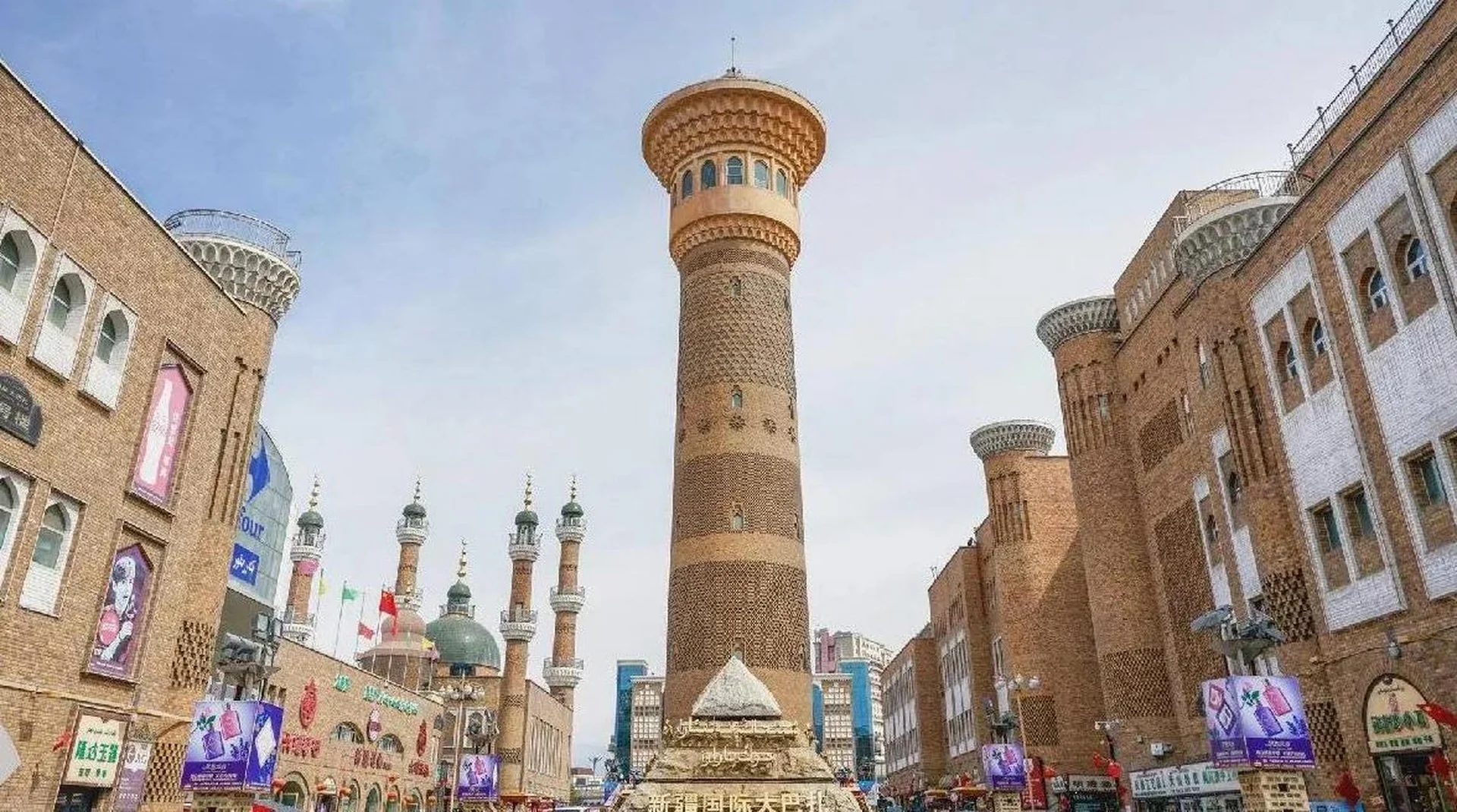
The largest bazaar in China, covering 100,000 square meters in the heart of Urumqi. This vibrant marketplace is a sensory explosion — colorful silk and carpet stalls, the aroma of sizzling lamb skewers, the sound of Uyghur music, and the sight of towering minarets. The bazaar's 80-meter sightseeing tower offers panoramic views over the city and surrounding Tianshan Mountains.

★★★★ 4.7
🕐 10:00 AM-10:00 PM
🎫 Free (tower 50 yuan)
🏔️ Nature

Flaming Mountain

A 98-kilometer-long ridge of red sandstone that glows like fire under the Xinjiang sun, reaching surface temperatures of 70°C in summer. Made famous by the classic Chinese novel Journey to the West, where the Monkey King battles the flaming mountain. Visitors can see the massive golden staff monument and temperature indicator. The landscape is surreal — red, barren, and endlessly fascinating.

★★★★ 4.5
🕐 8:00 AM-8:00 PM
🎫 40 yuan
🏔️ Nature

Grape Valley

A lush 8-kilometer-long valley in the Flaming Mountain range, famous for its grape cultivation since the Han Dynasty. Over 100 varieties of grapes are grown here, the trellises forming shaded tunnels through the valley. Visitors can tour grape farms, taste fresh-picked grapes and raisins, visit the grape wine museum, and enjoy Uyghur cultural performances in the vineyard amphitheater.

★★★★ 4.6
🕐 8:00 AM-8:00 PM
🎫 60 yuan
🏛️ Landmark

Turpan Ancient City (Jiaohe Ruins)

A 2,300-year-old Silk Road city carved into a plateau between two rivers. Jiaohe was a thriving center of trade and Buddhism from the Han to Tang dynasties, before being abandoned during the Yuan Dynasty. The ruins are remarkably well-preserved in the dry desert climate — visitors can walk through ancient streets, temple compounds, and residential quarters carved from the earth.

★★★★ 4.7
🕐 8:30 AM-7:00 PM
🎫 70 yuan
🏛️ Landmark

Karez Irrigation System

An ingenious ancient irrigation system that brings underground water from the Tianshan Mountains to the Turpan Basin through underground channels. Over 1,700 kilometers of channels were hand-dug over centuries, making the oasis agriculture of Turpan possible. Visitors can explore sections of the underground channels and learn about this UNESCO-recognized engineering marvel.

★★★★ 4.5
🕐 8:30 AM-7:30 PM
🎫 40 yuan
🎭 Museum

Xinjiang Regional Museum

One of China's great regional museums, housing an extraordinary collection of Silk Road artifacts. The highlight is the mummy exhibition — naturally preserved desert mummies from the Bronze Age, some over 3,800 years old, including the famous "Loulan Beauty." The museum also features Xinjiang's diverse ethnic cultures, ancient textiles, and Buddhist art.

★★★★ 4.8
🕐 10:00 AM-6:00 PM (Closed Mondays)
🎫 Free

Food & Culture

Discover the culinary treasures of Wulumuqi Area, from traditional street food to imperial cuisine.

Things to Do

Mountain Lake Excursion

Visit Heavenly Lake for alpine scenery, boating, and cable car rides.

Bazaar Exploration

Shop for silk, carpets, and spices at Urumqi's world-class bazaar.

🏛️

Silk Road History Tour

Explore Jiaohe Ancient City and the Turpan museum for Silk Road heritage.

Desert Oasis Discovery

Tour the Flaming Mountain, Grape Valley, and Karez irrigation system.

Getting Around

✈️

Airport

Urumqi Diwopu International Airport (URC) - 16 km from city center, major hub for Central Asian routes

🚄

High-Speed Rail

High-speed rail to Turpan (1 hour), Hami (2.5 hours), Lanzhou (8 hours)

🚇

Metro

Urumqi Metro Line 1 operates north-south through the city

🚌

Bus Network

Extensive bus network covering the city and suburbs

🚕

Taxi & Rideshare

Available throughout the city

Best Time to Visit

🌸

Spring

Apr - May

★★★★☆

Warming temperatures, blooming fruit trees. Good for city sightseeing and museum visits.

  • Fruit blossoms
  • Pleasant temperatures
  • Fewer tourists
☀️

Summer

Jun - Aug

★★★☆☆

Hot! Turpan scorching. Heavenly Lake is cool and pleasant. Grape harvest season in August.

  • Grape harvest
  • Heavenly Lake escape
  • Long daylight hours
🍂

Autumn

Sep - Oct

★★★★★

Best season — comfortable temperatures, clear skies. Golden landscapes and ripe melons.

  • Perfect weather
  • Autumn colors
  • Melon season
❄️

Winter

Nov - Mar

★★☆☆☆

Cold and snowy. Heavenly Lake freezes for ice activities. Turpan is mild but some sites close.

  • Ice skating on Tianchi
  • Winter scenery
  • Few tourists

🎉 Festivals & Events

August 20-26
Turpan Grape Festival

Celebration of the grape harvest with fruit tastings, cultural performances, and wine competitions.

July-August
Nadam Fair

A traditional Mongol festival featuring horse racing, wrestling, and archery — held in surrounding pastoral areas.

💡 Weather Tips

Xinjiang has extreme weather — hot summers, cold winters. Dress in layers. Strong sun protection needed year-round due to high altitude and clear atmosphere.

Travel Reminders

💡

Tianchi Timing

Visit Heavenly Lake early in the morning to avoid crowds and capture the best reflections of Bogda Peak.

💡

Turpan Heat Warning

Turpan can reach 50°C in summer. Visit in spring or autumn if possible. If coming in summer, go early morning or late afternoon.

💡

Bazaar Eating

Don't eat lunch before visiting the Grand Bazaar — sample fresh lamb skewers, naan, polo, and dried fruits from the many food stalls.

💡

Museum Priority

Start your trip at the Xinjiang Museum to understand the region's diverse cultures, then plan your itinerary based on what interests you most.

Continue Exploring China

Discover more cities, food guides, and travel inspiration.