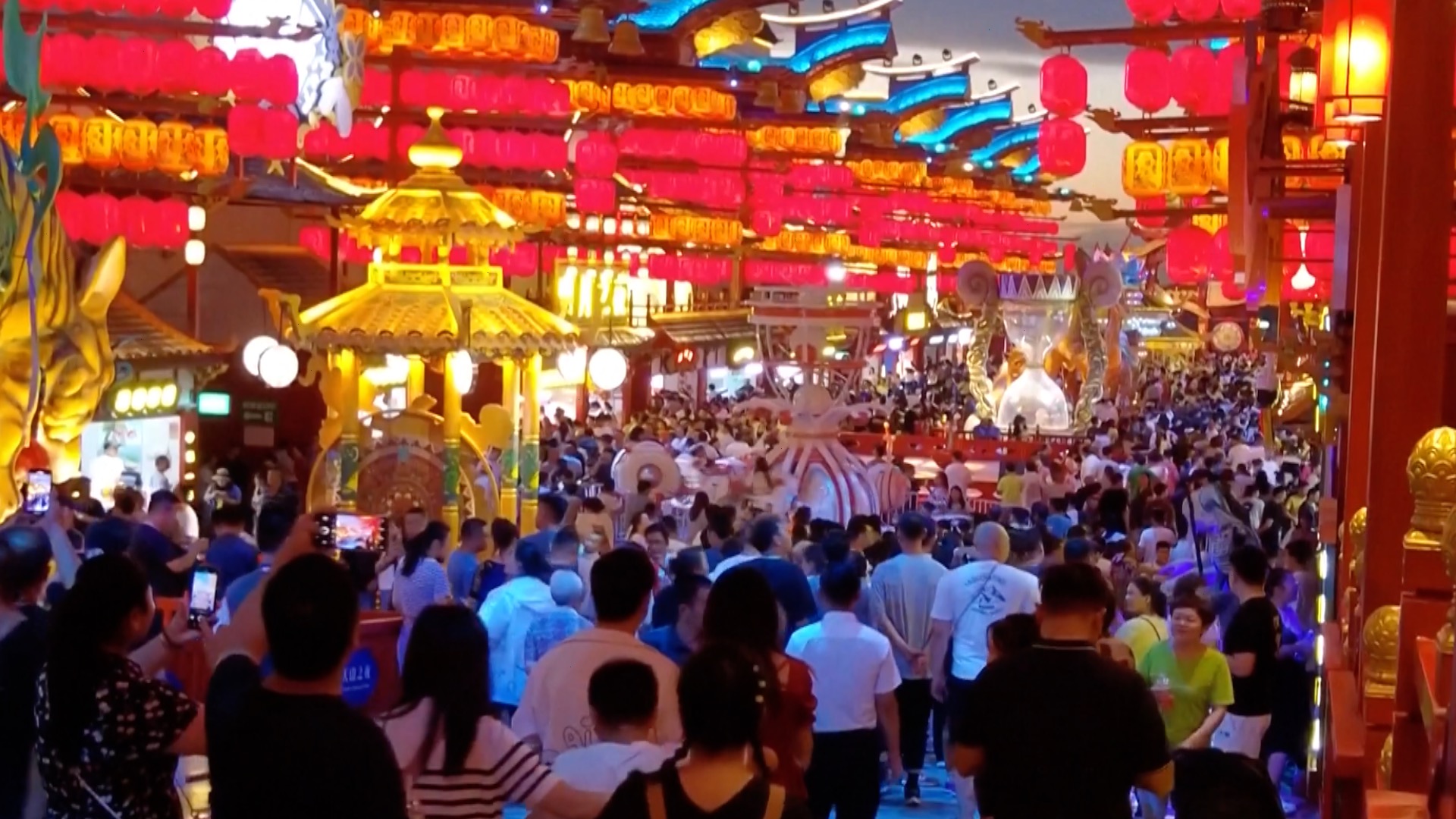
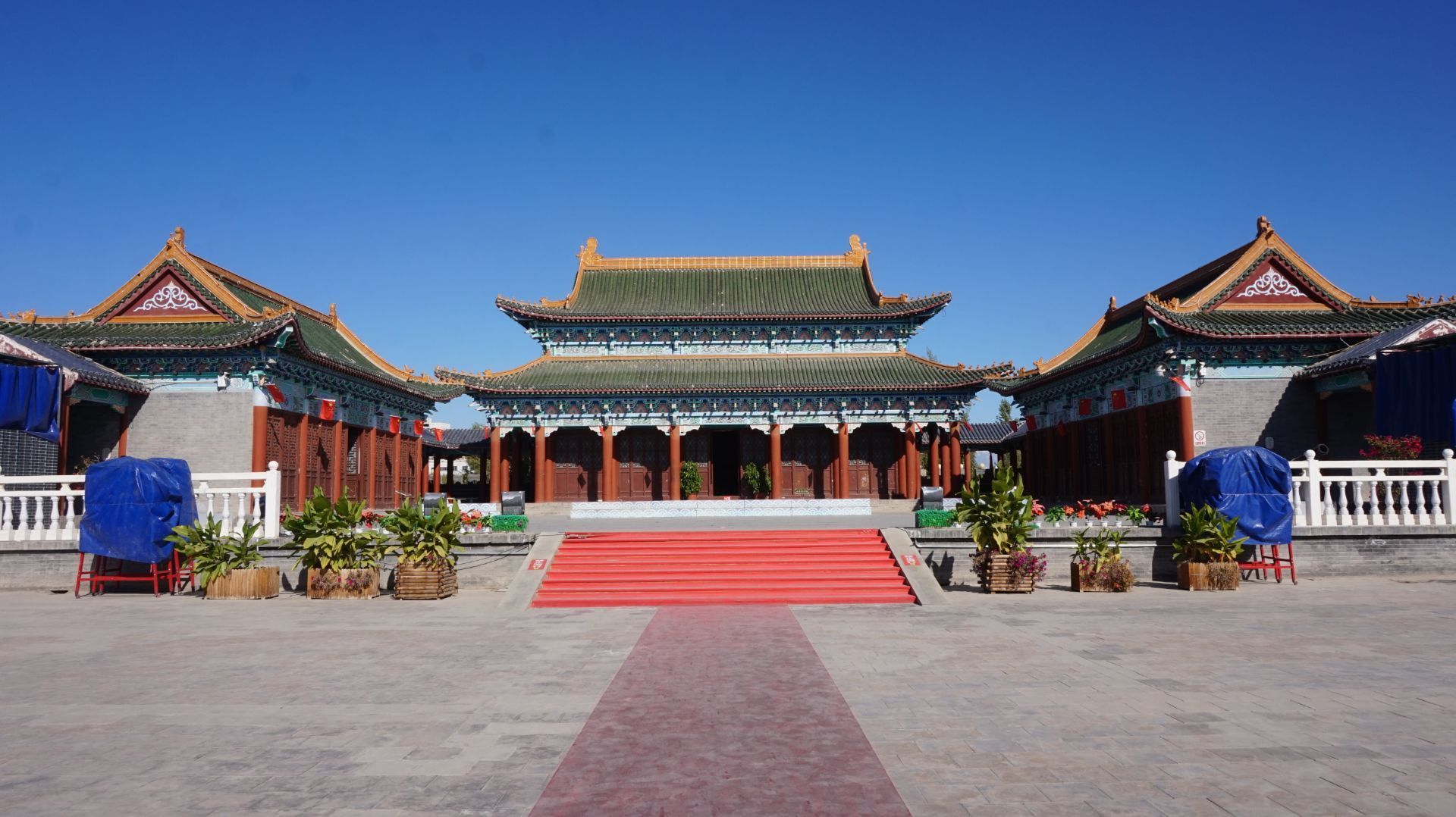
Karamay city skyline and landmarks (克拉玛依) - Travel China Guide

Karamay Travel Guide

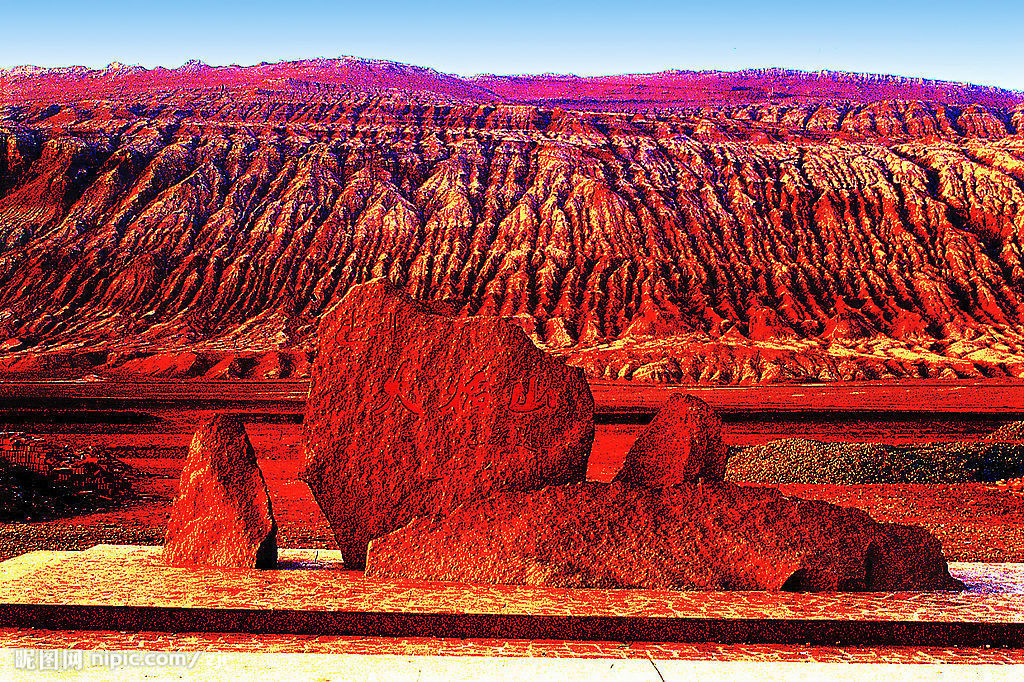
Karamay is China's petroleum capital, a modern energy city rising from the Gobi Desert. Famous for the Black Oil Mountain, the surreal Yadan Ghost City, and the world's largest oilfield complex.

About

Karamay is a prefecture-level city in the northern Gobi Desert of Xinjiang, and China's most important petroleum production base. Its name derives from the Uyghur word "qara may" meaning "black oil," a reference to the natural crude oil seeps at Black Oil Mountain that have been known to local herders for centuries.

The city was born from China's first major oilfield discovery in 1955, when the "Karamay No. 1 Well" struck oil in the barren Gobi. Over the following decades, a modern city was built from scratch — complete with tree-lined avenues, parks, and a thriving urban center — all supported by the world-class Karamay Oilfield that stretches across the surrounding desert.

Today, Karamay boasts one of the highest GDP per capita figures in China. The city has also invested heavily in diversifying its economy, developing tourism around its unique natural attractions. The nearby Yadan landscapes, red sandstone canyons, and vast desert scenery draw photographers and adventure travelers from across the country.

Despite its remote location in the Gobi, Karamay is a surprisingly green and livable city, with extensive tree planting programs, a large artificial lake, and well-planned urban infrastructure that makes it a model for resource-dependent city transformation in China.

History & Development

Before 1955, the area now called Karamay was an uninhabited expanse of Gobi Desert, known only to passing camel caravans and a few nomadic herders. The natural oil seeps at Black Oil Mountain had been observed for centuries — locals used the thick crude for medicinal purposes and as a lubricant for cart axles.

The discovery of the Karamay Oilfield in 1955 was a turning point for China's energy industry. Thousands of workers — soldiers, engineers, and young volunteers — poured into the desert to build the oilfield from scratch. Living in tents and underground dugouts, they endured extreme temperatures and harsh conditions. The "Karamay Spirit" of hard work and sacrifice became a national symbol of China's industrialization drive.

By the 1960s, Karamay had grown into a company town dominated by the petroleum industry. The city was formally established in 1958 and gradually developed from a crude oilfield camp into a proper city with housing, schools, hospitals, and cultural facilities. The city's population boomed as oil workers brought their families and second generations joined the industry.

In recent decades, Karamay has worked to reduce its reliance on oil. Tourism, petrochemical processing, and technology industries have grown. The city has also invested in environmental restoration, greening the Gobi around the urban area and developing parks and recreational spaces.
Economy & Industries

Karamay's economy is overwhelmingly driven by the petroleum industry. The Karamay Oilfield, operated by PetroChina, produces over 10 million tons of crude oil annually, making it one of China's largest onshore oilfields. The city also hosts significant petrochemical refining capacity, including ethylene production and chemical fertilizer manufacturing. The oil and gas sector accounts for the vast majority of the city's GDP.

Beyond petroleum, Karamay has been actively diversifying. Tourism has emerged as a growth sector, with attractions like the Ghost City and Grand Canyon drawing increasing numbers of domestic visitors. The city has also developed a technology park focused on oilfield services and equipment manufacturing. Agriculture is minimal due to the arid climate, though greenhouse farming has been introduced to supply fresh produce to the local market.

Top Attractions

🏔️ Nature

Karamay Ghost City

The Karamay Ghost City is a spectacular Yadan landform covering 260 square kilometers. Millions of years of wind erosion have carved the soft sedimentary rock into a surreal landscape of towers, spires, and castle-like formations. When the wind blows through the eroded gullies, it produces an eerie whistling sound that gives the area its ghostly name. The site is particularly stunning at sunrise and sunset when the rock formations glow in shades of gold and red.

★★★★ 4.7
🕐 08:30-20:00
🎫 100 yuan
🏔️ Nature

Black Oil Mountain

Black Oil Mountain is a low hill formed by natural crude oil seepage that has been oozing to the surface for thousands of years. The black, viscous oil has saturated the surrounding sand and gravel, creating a unique geological phenomenon visible from the surface. Visitors can see active oil seeps and bubbling crude oil pools. The site includes a small museum explaining the geological history and the significance of this natural wonder.

★★★★ 4.4
🕐 09:00-18:00
🎫 40 yuan
🏔️ Nature

Karamay Grand Canyon

The Karamay Grand Canyon is a stunning red sandstone canyon carved by the Jade River over millennia. The canyon stretches for 20 kilometers with vertical cliffs dropping 200 meters to the river below. The layered rock formations display millions of years of geological history in their colorful strata. A glass-bottomed skywalk extends over the canyon edge, offering heart-pounding views.

★★★★ 4.6
🕐 09:00-19:00
🎫 60 yuan
🎭 Museum

Karamay Museum

The Karamay Museum tells the story of the city's birth and growth through the petroleum industry. Exhibits include geological samples, drilling equipment, historical photographs documenting the first oil strike in 1955, and life-size dioramas of early oilfield workers' living conditions. The museum offers a fascinating look at how a barren Gobi Desert site was transformed into a modern energy hub.

★★★★ 4.2
🕐 10:00-18:00 (Closed Mondays)
🎫 Free

Food & Culture

Discover the culinary treasures of Karamay, from traditional street food to imperial cuisine.

Things to Do

Explore the Ghost City

Drive or hike through the surreal Yadan landform at sunrise for the best light and photos.

Visit Black Oil Mountain

See the natural crude oil seeps and learn about Karamay's petroleum geology.

Walk the Canyon Skywalk

Step onto the glass-bottomed skywalk over the Karamay Grand Canyon for thrilling views.

Photograph Gobi Sunset

Capture the Gobi Desert and oil fields bathed in golden sunset light from a high viewpoint.

Suggested Itineraries

Karamay Oil & Nature Day

A day exploring Karamay's unique petroleum heritage and dramatic desert landscapes.

  • Morning: Black Oil Mountain and Museum
  • Midday: Uyghur lunch with lamb kebabs
  • Afternoon: Ghost City exploration
  • Evening: Grand Canyon sunset photos

Getting Around

✈️

Airport

Karamay Airport has direct flights to Beijing, Shanghai, Chengdu, and Urumqi.

🚄

High-Speed Rail

Karamay Railway Station is connected to the Xinjiang rail network with trains to Urumqi (3 hours) and other cities.

🚌

Bus Network

Public buses serve the urban area and connect to major attractions like the Ghost City.

🚕

Taxi & Rideshare

Available throughout the city

Best Time to Visit

🌸

Spring

Apr - May

★★★☆☆

Pleasant warming temperatures (15-25°C). Occasional dust storms. Desert plants begin to bloom. Few tourists.

  • Mild weather
  • Wildflowers
☀️

Summer

Jun - Aug

★★★☆☆

Extremely hot and dry (35-42°C). Best to explore early morning or evening. Long daylight hours.

  • Long days
  • Desert photography
🍂

Autumn

Sep - Oct

★★★★★

Perfect weather (20-30°C), clear skies, and golden desert light. The best season for outdoor exploration and photography.

  • Best weather
  • Golden light
  • Comfortable hiking
❄️

Winter

Nov - Mar

★★☆☆☆

Very cold and dry (-15 to 0°C). Snow occasionally dusts the desert landscape. Most tourist facilities operate at reduced capacity.

  • Quiet solitude
  • Snow on Yadan

Continue Exploring China

Discover more cities, food guides, and travel inspiration.