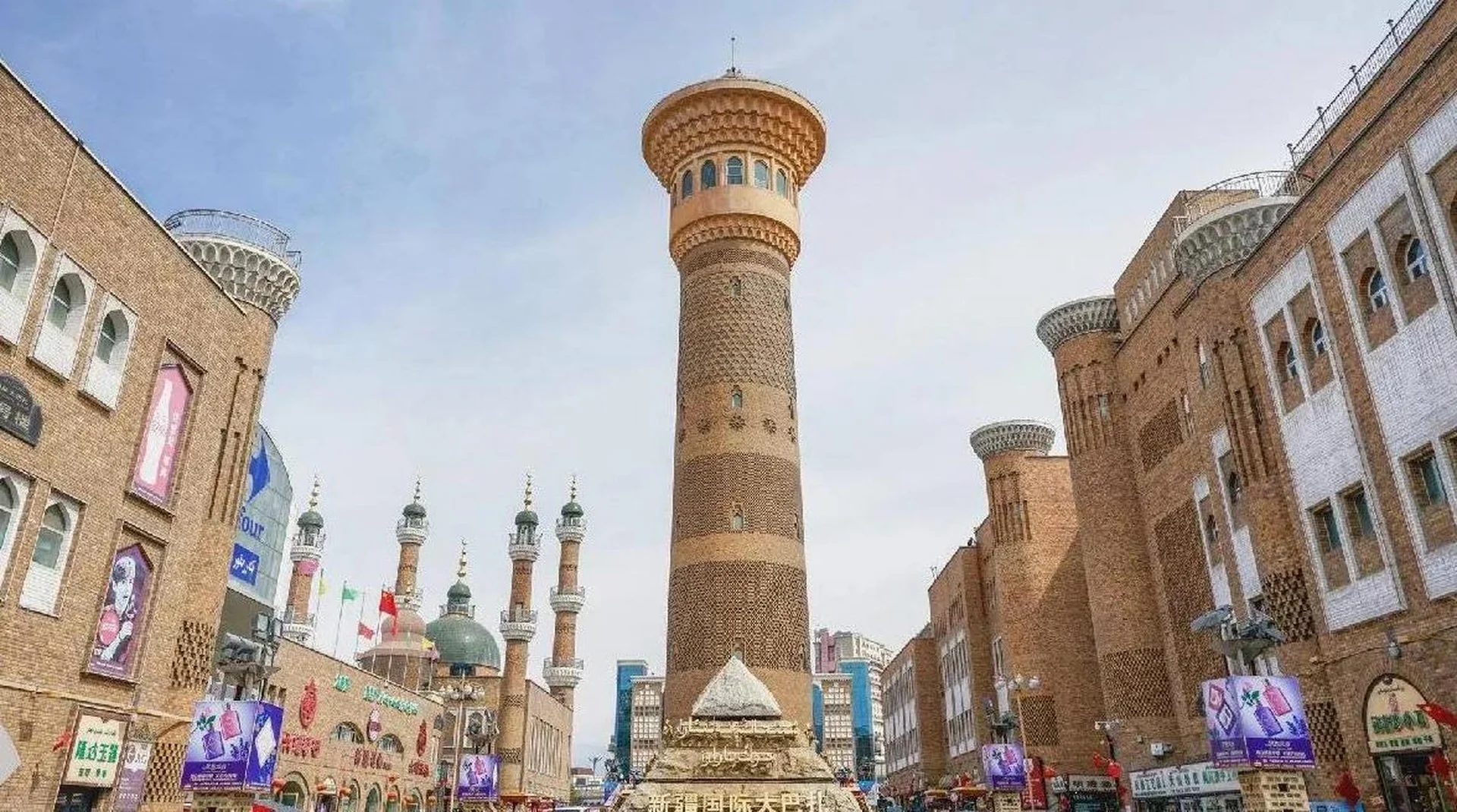
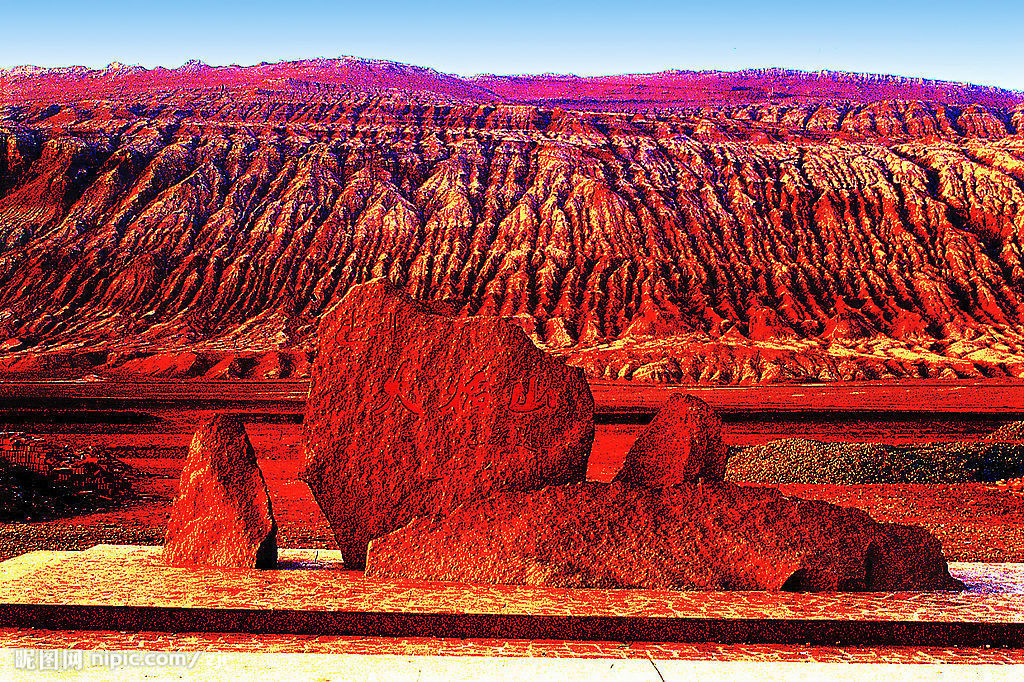
Hami's recorded history begins with the Han Dynasty (206 BCE-220 CE), when the Chinese empire established military agricultural colonies in the oasis. The region was a critical link on the Silk Road's northern route, connecting the Hexi Corridor with the Tarim Basin and Central Asia. Caravans carrying silk, spices, and precious stones would rest and resupply in Hami's abundant oasis.
During the Tang Dynasty, Hami flourished as a cosmopolitan trading center where Chinese, Central Asian, Persian, and even Roman merchants exchanged goods and ideas. The city was a melting pot of Buddhist, Nestorian Christian, and later Islamic influences. The Hami Oasis was known for its sophisticated irrigation systems and productive agriculture.
In the Qing Dynasty, Hami played a pivotal role in China's control over Xinjiang. The Hami Kings (a local Uyghur hereditary ruler) maintained a special tributary relationship with the Qing court, and the "Hami melon" became a famous tribute fruit. In the 20th century, Hami developed into a major transportation hub and agricultural center, with the melon industry growing into a nationally recognized brand.
Today, Hami continues to thrive as a transportation and logistics hub, with the Lanzhou-Xinjiang high-speed railway and expanded highways connecting it to the rest of China. The city has also developed mineral resources, including coal and iron ore, while maintaining its agricultural traditions.